Earning a professional credential can feel like a maze of eligibility rules, study hours, exams, and renewal requirements. This certification process guide breaks the journey into clear, manageable steps—from choosing the right credential and meeting prerequisites to passing the exam and maintaining it over time. It also covers practical fast-track strategies and explains how sleep, nutrition, and stress management influence study performance, so you can approach certification with both a clear plan and a well-supported body and mind.
What Is a Certification Process? A Clear Definition
A certification process is the structured sequence of requirements an individual must complete to earn a recognized professional credential. It typically involves confirming eligibility, completing education or training hours, passing an examination, and committing to ongoing renewal conditions. Unlike a diploma from a university, a certification is usually granted by an independent certifying body and signals that the holder has met a defined, verifiable standard of knowledge or skill.
Certification vs. Licensure vs. Certificate Programs: Key Differences
These three terms are often confused, but they describe different things. Certification is a voluntary credential issued by a professional organization that validates competence in a field—think of a personal training certification or a nutrition specialist credential. Licensure is mandatory and government-backed; you cannot legally practice without it, as with physicians, nurses, or registered dietitians in many jurisdictions. Certificate programs, meanwhile, are educational courses that confirm you completed training but do not necessarily verify independent competence through examination.
Who Issues Certifications and What Makes a Credential Valid
Valid credentials are issued by recognized professional bodies, industry associations, or accredited certifying organizations. What makes a credential trustworthy is transparency: published eligibility criteria, a psychometrically sound exam, a code of ethics, and a recertification system. Before investing time and money, verify that the issuing organization is respected in your industry and that employers actually recognize the credential.
Common Types of Professional Certifications (Including Health and Nutrition Fields)
Certifications span nearly every industry. Common categories include:
- IT and technology: cloud computing, cybersecurity, networking, and project management credentials.
- Health and fitness: personal training, health coaching, and nutrition-focused certifications.
- Finance and business: accounting, auditing, and human resources credentials.
- Wellness and education: teaching, coaching, and specialized topic-based certificates.
The Certification Process Step by Step
Step 1: Choosing the Right Credential for Your Career Goals
Start with the end in mind. Which roles do you want, and which credentials appear in job postings for those roles? Compare a shortlist of options based on industry recognition, cost, total time commitment, and renewal demands. Choosing the wrong credential is the single most expensive mistake in the entire process.
Step 2: Meeting Eligibility Requirements (Education, Experience, Prerequisites)
Most respected certifications require a combination of education, documented work experience, or prior credentials. Gather transcripts, employment verification, and reference letters early, because eligibility review can take weeks. If you fall short of a requirement, some bodies offer provisional pathways or allow prerequisite coursework.
Step 3: Completing Required Coursework or Training Hours
Many certifications mandate a set number of instructional hours through an approved provider. Confirm that any course you purchase is on the certifying body's approved list—unapproved hours do not count. Keep completion certificates organized, as you will need them for your application.
Step 4: Preparing for the Certification Exam
Effective exam preparation usually combines the official content outline, a structured study plan, practice questions, and review of weak areas. Most candidates benefit from spreading study over 8–16 weeks rather than cramming. Practice exams are especially valuable because they reveal both knowledge gaps and pacing issues.
Step 5: Applying, Scheduling, and Taking the Exam
Once your application is approved, you will receive an authorization window—typically 90 to 120 days—to schedule your exam. Book your test date early to secure your preferred location or online proctoring slot. On exam day, arrive rested, bring required identification, and manage your time so no section is rushed.
Step 6: Maintaining Your Credential Through Continuing Education and Renewal
Earning the credential is not the finish line. Most certifications require continuing education units, periodic renewal fees, or re-examination every few years. Track your CE requirements from day one so renewal never becomes a scramble.
Fast-Track Strategies: How to Earn Credentials Faster Without Cutting Corners
Accelerated Programs and Self-Paced Study Options
Self-paced online programs allow motivated learners to compress months of coursework into weeks. Accelerated tracks and exam-only pathways (for those who already have experience) can shorten timelines further. The key is verifying that the accelerated option carries the same recognition as the standard route.
Building an Effective Study Schedule Around a Busy Life
Consistency beats intensity. Short, daily study blocks of 45–90 minutes with spaced repetition typically outperform weekend marathons. Anchor study sessions to existing habits—before work, during lunch, or immediately after dinner—and protect them like appointments.
Avoiding Common Mistakes That Delay Certification
- Applying before confirming eligibility, leading to rejected applications and lost fees.
- Purchasing unapproved training courses.
- Underestimating exam scheduling lead times.
- Studying without practice questions until the final week.
- Neglecting renewal requirements until the credential lapses.
Why the Certification Journey Matters for Health and Wellbeing
The Physical and Mental Demands of Intensive Study Periods
Intensive study is genuinely demanding. Long hours of focused cognition increase mental fatigue, and juggling work, family, and study reduces time for sleep, movement, and proper meals. Treating exam preparation as a physical undertaking—not just an intellectual one—is a practical mindset shift.
How Stress, Sleep, and Nutrition Affect Learning and Exam Performance
Research consistently links adequate sleep to memory consolidation: new information is stabilized during sleep, so chronic short sleep undermines retention. Chronic stress elevates cortisol, which in prolonged excess can impair concentration and recall. Nutrition matters too—the brain relies on a steady supply of glucose, and unstable blood sugar is associated with dips in focus and irritability.
Sustaining Energy and Focus During Long Study Sessions
Practical tactics include working in 50–90 minute focus blocks with short breaks, keeping meals balanced rather than sugary, staying hydrated, and using movement breaks to restore alertness. These habits cost little but meaningfully affect how much you retain per study hour.
Common Challenges During Certification Preparation
Mental Fatigue, Brain Fog, and Difficulty Concentrating
Difficulty concentrating during long study periods is common and usually reflects accumulated fatigue, poor sleep, irregular meals, or prolonged stress rather than any single cause. Addressing the basics—sleep, food, breaks—often resolves more than any study hack.
Stress, Exam Anxiety, and Poor Sleep Before Test Day
Pre-exam anxiety can disrupt sleep precisely when sleep matters most. Establishing a consistent wind-down routine in the weeks before the exam, avoiding late-day caffeine, and doing a light final review rather than all-night cramming all support better test-day performance.
Irregular Meals and Skipped Nutrition During Busy Study Periods
Busy candidates often skip meals or rely on convenience foods and excessive caffeine. Erratic eating patterns can contribute to energy crashes and worsened mood, making study sessions less productive even when total study hours stay the same.
Burnout and Motivation Loss in Long Programs
In programs lasting months or years, motivation naturally fluctuates. Breaking the journey into milestones, tracking visible progress, and building in genuine rest days are more sustainable than relying on willpower alone.
Factors That Influence How You Cope With Certification Demands
Workload, Deadlines, and Study Load
The total cognitive load—job demands plus study hours plus life responsibilities—determines how much recovery time you have. Higher cumulative load leaves less capacity for sleep and self-care, which compounds fatigue.
Sleep Quantity and Quality
Most adults need roughly 7–9 hours of sleep. Both quantity and quality matter: fragmented sleep can impair memory consolidation even when total hours seem adequate.
Dietary Patterns, Caffeine Use, and Hydration
Irregular meals, heavy reliance on caffeine, and mild dehydration are among the most common, and most fixable, contributors to poor study performance. Caffeine consumed late in the day can also degrade sleep quality, creating a cycle of fatigue.
Age, Health Status, and Existing Nutrient Intake
Age, underlying health conditions, medications, and baseline nutrient intake all influence how well someone tolerates a demanding study period. Two candidates following identical schedules can feel very differently depending on these individual factors.
Why Individual Needs Differ During Exam Preparation
Differences in Baseline Diet, Lifestyle, and Stress Levels
Someone eating a varied, nutrient-rich diet with manageable stress may have different needs than someone relying on skipped meals and late-night caffeine. Baseline habits shape how much headroom—positive or negative—exists before a demanding period begins.
Absorption, Genetics, and Pre-Existing Nutritional Status
Nutrient absorption varies with gastrointestinal health, age, and certain medications, and genetic differences can affect how the body processes some nutrients. Pre-existing nutritional status matters as well: a marginal intake that feels fine in ordinary weeks may become noticeable under sustained stress.
Why One Study-Routine Approach Doesn't Fit Everyone
Because these factors differ, no single routine—dietary or supplemental—suits everyone. The sensible approach is to strengthen your personal foundations first, then consider targeted changes based on your own circumstances rather than copying someone else's regimen.
Diet and Lifestyle Habits That Support Focus, Memory, and Exam Success
Brain-Supporting Foods: Omega-3s, Whole Grains, Berries, and Leafy Greens
Dietary patterns rich in oily fish, whole grains, berries, leafy greens, nuts, and legumes have been associated with better cognitive health in observational research. Oily fish provides DHA and EPA—omega-3 fatty acids that are structural components of brain cell membranes. You can read more about omega-3 fatty acids (DHA and EPA) if you want to understand their role in more depth.
Balanced Meals and Blood Sugar Stability for Steady Concentration
Meals combining protein, fiber, and healthy fats produce a gentler blood sugar response than refined carbohydrates alone, supporting steadier concentration over a study session. Regular meal timing also helps prevent the energy dips that push people toward snacking on sweets.
Hydration, Caffeine Timing, and Sleep Hygiene Before the Exam
Even mild dehydration has been associated with reduced attention and mood. Keep water within reach during study sessions, limit caffeine to the morning and early afternoon, and maintain a consistent sleep and wake schedule—especially in the final two weeks before your exam.
Movement Breaks, Exercise, and Stress-Management Techniques
Short walks, stretching, and regular exercise are associated with improved mood and cognitive function. Simple stress-management practices—breathing exercises, brief meditation, or time outdoors—can help regulate the stress response during high-pressure weeks.
The Role of Nutrients and Supplements in Supporting Study Performance
Once diet and lifestyle foundations are in place, some people consider targeted nutritional support. The evidence varies considerably by nutrient, so it helps to separate well-established roles from emerging or preliminary research.
B Vitamins and Energy Metabolism During Intense Mental Work
B vitamins—including B6, B12, folate, and thiamine—are involved in energy metabolism and normal neurological function. In people with adequate intake, additional B vitamins have not been shown to improve cognition, but those with low intake or restrictive diets may benefit from correcting that gap. An overview of B vitamins, their sources, and safety can help you evaluate your dietary coverage.
Omega-3 Fatty Acids (DHA/EPA) and Cognitive Function
DHA is a major structural fat in the brain, and adequate intake is established as important for normal brain function. Evidence that supplementation improves cognitive performance in people who already consume adequate omega-3s is mixed, but individuals who rarely eat fish may have lower intake worth addressing.
Magnesium and Sleep Quality During Stressful Periods
Magnesium contributes to normal muscle and nerve function and is involved in processes related to rest and relaxation. Some research has explored links between magnesium intake and sleep quality, though results are not conclusive. Low magnesium intake is relatively common, and information on magnesium and its roles in the body can clarify dietary sources such as nuts, seeds, whole grains, and leafy greens.
Adaptogens Such as Ashwagandha and Stress Support: What the Evidence Suggests
Ashwagandha is an adaptogenic herb traditionally used for stress support, and several small trials suggest it may help reduce perceived stress in some adults. The evidence base is growing but not definitive, and product quality varies widely. If you explore this area, start with ashwagandha supplements and how they are used, and note that it is not appropriate for everyone.
Vitamin D and General Wellbeing in Students and Professionals
Vitamin D supports normal immune function and muscle function, and low status is common in people with limited sun exposure—frequently the case for those spending long days indoors studying. Because vitamin D status is measurable with a blood test, assessment is more reliable than guessing. More detail is available on vitamin D, its sources, and safety considerations.
When Supplementation May Be Worth Considering
Situations Where Diet Alone May Fall Short
Supplementation may be worth considering when dietary intake is consistently low—for example, in restrictive diets, very irregular eating patterns, limited fish or sun exposure, or increased requirements due to life stage or health conditions.
The Difference Between General Nutritional Support and Treating a Medical Condition
Supplements support normal nutritional function; they do not treat medical conditions. Persistent fatigue, severe anxiety, or concentration problems deserve professional evaluation rather than self-treatment with products.
Why Testing May Be Needed Before Assuming a Deficiency
Symptoms such as tiredness or poor concentration are nonspecific and can have many causes. For nutrients like vitamin D and B12, validated blood tests exist and provide far more useful information than symptom-based guessing. Testing before supplementing prevents unnecessary products and helps identify what actually needs attention.
How to Choose a Quality Supplement for Focus, Energy, and Stress Support
Ingredient Forms and Bioavailability (e.g., Magnesium Glycinate vs. Oxide)
Chemical form matters for some minerals. Magnesium oxide, for instance, has relatively low bioavailability and is more likely to cause digestive discomfort, while forms such as magnesium glycinate or citrate are generally better absorbed and better tolerated. Similar bioavailability differences exist for other nutrients, though for some ingredients the evidence comparing forms is limited or conflicting.
Evidence-Based Dosages vs. Proprietary Blends
Choose products that list exact amounts of each active ingredient per serving. Proprietary blends hide individual doses, making it impossible to know whether the amount matches levels used in research or official intake recommendations.
Single-Ingredient Supplements vs. Combination Formulas
Single-ingredient products make it easier to adjust doses and identify what works or causes side effects. Combination formulas offer convenience but reduce flexibility—sometimes sensibly (for example, omega-3 with vitamin D), sometimes less so when the combination is arbitrary.
Third-Party Testing, Certifications, and Purity Standards
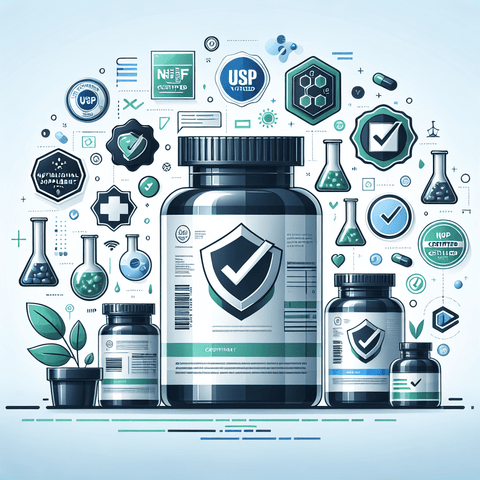
Because supplement regulation focuses on labeling rather than pre-market efficacy testing, third-party verification adds meaningful assurance about identity and purity. Look for products from manufacturers with transparent quality standards and, where available, independent testing.
Allergens, Additives, and Dietary Preferences (Vegan, Gluten-Free)
Check labels for allergens such as soy, gluten, dairy, or shellfish (a concern with some omega-3 products), and for capsules versus gelatin if you follow a vegan diet. Additives and fillers vary between brands even at identical doses.
Capsules, Tablets, Powders, and Liquids: Which Format Fits Your Routine
The best format is the one you will actually take consistently. Capsules are convenient and tasteless; powders allow flexible dosing but require measuring; liquids suit those who struggle to swallow pills but may have shorter shelf life once opened.
How to Read a Supplement Label Before You Buy
Serving Size, Active Ingredients, and Amounts per Dose
Always check the serving size first—one capsule may contain a fraction of the dose described in studies, requiring two or three. Compare the amount per serving against recognized intake references rather than assuming more is better.
Understanding Quality Seals and Testing Claims
Recognized third-party seals indicate that an independent organization verified the product's contents. Vague phrases like "lab tested" without naming the lab or standard are less meaningful.
Red Flags and Marketing Terms That Don't Mean Much
Terms such as "miracle," "detox," "pharmaceutical grade" (without defined criteria), or promises of guaranteed results are marketing language, not evidence. Exaggerated claims are often a signal to look elsewhere.
Who May Benefit Most From Nutritional Support During Certification Prep
Busy Professionals Balancing Work and Study
Professionals studying alongside full-time jobs often have limited time for meal preparation and may rely on caffeine and convenience foods. For this group, improving meal regularity and sleep usually delivers more benefit than any single product.
Students With Restrictive Diets or Irregular Eating Patterns
Those following vegan or other restrictive diets, or who skip meals during intensive study, may have lower intakes of nutrients such as vitamin B12, omega-3s, or iron, depending on their specific pattern. General nutritional support such as a well-formulated multivitamin may be relevant in some of these situations, though it is not automatically necessary.
When to Consult a Healthcare Provider or Registered Dietitian
A healthcare provider or registered dietitian can assess your diet, order relevant tests, and identify interactions with medications. This is especially worthwhile before starting supplements if you take prescription drugs, are pregnant or nursing, or have ongoing health conditions.
Safety, Interactions, and When to Seek Professional Advice
Upper Intake Limits and Over-Supplementation Risks
Nutrients have tolerable upper intake levels. Fat-soluble vitamins (A, D, E, K) accumulate in the body, and excessive intake over time carries real risks. More is not better—higher doses are not automatically more effective and may increase side effects.
Medication Interactions and Pre-Existing Conditions
Some supplements interact with medications: for example, St. John's Wort interacts with numerous drugs, and high-dose omega-3s may be relevant for people on blood-thinning medication. Kidney or liver conditions can also change how supplements are handled by the body.
Pregnancy, Nursing, and Special Considerations
Pregnant and breastfeeding individuals have distinct nutritional needs, and some ingredients—including certain adaptogens and high-dose vitamins—are not appropriate during these periods. Professional guidance is essential in these circumstances.
Food-First or Supplements First? Making the Right Decision for Your Situation
Questions to Ask Yourself Before Buying Any Product
- Does my regular diet already cover this nutrient, and have I checked?
- Do I have a specific, realistic reason to believe intake is low?
- Would a blood test give me better information than guessing?
- Am I considering this to support normal nutrition—or to solve a problem that needs medical attention?
How to Build a Realistic Routine You Can Sustain Through Exam Season
The most effective routine is boring and repeatable: regular balanced meals, consistent sleep and wake times, scheduled movement, hydration, and daily study blocks. Add any supplement only after the foundations are stable, start with sensible doses, and give any change several weeks before judging its effect.
Key Takeaways: Your Fast Track to Credentials Starts With a Supported Body and Mind
- A certification process follows a predictable sequence: choosing a credential, confirming eligibility, completing training, preparing, passing the exam, and maintaining renewal.
- The fastest legitimate route combines an accredited program, an early application, a structured multi-week study plan, and early exam scheduling.
- Choosing the wrong credential or an unapproved course is the most common and costly mistake—verify recognition before enrolling.
- Sleep, balanced meals, hydration, and stress management measurably influence learning, memory consolidation, and exam-day performance.
- Dietary patterns rich in omega-3s, whole grains, leafy greens, and berries are associated with better cognitive health; these foundations matter more than supplements.
- Supplementation may be worth considering when diet is genuinely insufficient—restrictive diets, limited sun exposure, or consistently irregular eating—but is not necessary for everyone.
- Symptoms alone cannot confirm a nutrient deficiency; for nutrients like vitamin D and B12, testing provides more reliable information than guessing.
- When choosing a supplement, prioritize transparent labels, evidence-based doses, appropriate chemical forms, and quality assurance over marketing claims.
- Upper intake limits, medication interactions, pregnancy, and health conditions all warrant professional advice before supplementing.
- Individual needs differ widely—build your routine on your own circumstances, not someone else's regimen.
Frequently Asked Questions
How long does the certification process usually take?
Timelines vary widely by credential. Entry-level certifications can be completed in 2–6 months, while advanced credentials with experience requirements may take 1–4 years. Check the certifying body's published eligibility and exam windows for an accurate estimate.
What are the main steps in a certification process?
Typically: selecting a recognized credential, confirming eligibility, completing required coursework or hours, applying and being approved, preparing for and passing the exam, and maintaining the credential through continuing education and renewal fees.
Can I earn a certification faster through self-study?
For some credentials, yes—self-paced study and exam-only pathways allow experienced candidates to move quickly. However, required training hours and experience cannot be skipped, and unapproved courses or providers can invalidate your application.
Does sleep really affect exam performance?
Yes. Sleep is when the brain consolidates newly learned information, and both sleep restriction and fragmented sleep are associated with impaired memory and attention. A consistent sleep schedule in the weeks before the exam generally supports better performance than last-minute cramming.
Which foods support focus and memory during study periods?
Foods associated with cognitive health include oily fish (omega-3s DHA and EPA), whole grains, berries, leafy greens, nuts, and eggs. Meals combining protein, fiber, and healthy fats help keep blood sugar and concentration steadier than refined carbohydrates alone.
How much caffeine is reasonable while studying?
Moderate caffeine intake—roughly up to 400 mg per day for most healthy adults, the level generally referenced in public health guidance—is considered acceptable, but timing matters. Avoiding caffeine after early afternoon helps protect sleep quality.
Is magnesium helpful for stress and sleep?
Magnesium contributes to normal nerve and muscle function, and some research has explored links between magnesium intake and sleep quality, though evidence is not definitive. Supplementation is most relevant when dietary intake is low; food sources include nuts, seeds, whole grains, and leafy greens.
Which form of magnesium is best absorbed?
Forms such as magnesium glycinate and citrate are generally better absorbed and better tolerated than magnesium oxide, which has comparatively low bioavailability and is more often associated with digestive effects. Individual tolerance varies, and comparative evidence between well-absorbed forms is limited.
Can you take too much of a vitamin or mineral supplement?
Yes. All nutrients have tolerable upper intake levels, and fat-soluble vitamins (A, D, E, K) in particular can accumulate with excessive long-term intake. Stay within labeled doses, avoid stacking multiple products containing the same nutrient, and consult a professional before high-dose use.
Should I get a blood test before taking supplements?
For nutrients with validated testing—such as vitamin D, B12, iron, and folate—a blood test provides far more reliable information than symptoms alone, since fatigue and poor concentration have many possible causes. Testing helps distinguish a genuine low intake from other causes.
Do omega-3 supplements improve concentration?
DHA and EPA are important structural fats in the brain, and adequate intake supports normal brain function. However, evidence that supplementation improves cognition in people who already consume enough omega-3s is mixed. Those who rarely eat fish are the group most likely to have low intake.
Is ashwagandha safe to take while studying for exams?
Small trials suggest ashwagandha may help reduce perceived stress in some adults, but it is not suitable for everyone—particularly during pregnancy, with certain thyroid or autoimmune conditions, or alongside specific medications. Check with a healthcare provider before use, especially if you take prescription drugs.
Key Takeaways: Your Fast Track to Credentials Starts With a Supported Body and Mind
The certification journey rewards two things in equal measure: a disciplined plan and a body that can sustain the effort. Map the process steps early, study consistently rather than frantically, and protect sleep, meals, and movement as seriously as study time itself. Nutritional support has a place for some people—particularly those with genuinely low intake of specific nutrients—but it works best as a complement to solid diet and lifestyle habits, not a replacement for them. Because needs differ from person to person, evaluate your own diet and circumstances first, consider testing where it is meaningful, and seek professional advice when health conditions, medications, or pregnancy are involved. Informed choices, made in that order, put you in the strongest position to earn your credential efficiently and feel well while doing it.
Related Keywords
- certification process guide
- how to get certified fast
- certification exam preparation tips
- professional certification requirements
- certification vs licensure
- study tips for working professionals
- nutrition for focus and memory
- supplements for concentration and energy
- omega-3 DHA EPA brain function
- magnesium glycinate vs oxide
- ashwagandha stress support evidence
- how to choose a quality supplement
- reading supplement labels
- supplement safety and interactions