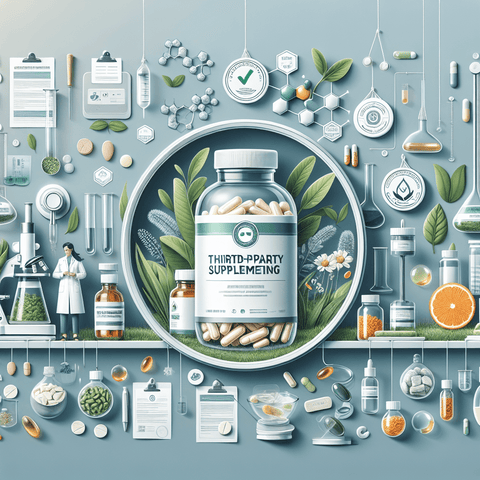
In today’s world, where nutritional supplements are increasingly becoming part of everyday health decisions, understanding "certified supplement quality" and "lab-verified safety" is crucial. This article delves into what these terms mean and why they are important in choosing supplements that truly support your health. You will learn about the significance of quality assurance, how lab testing enhances confidence in products, and the practical steps you can take to navigate the supplement market successfully. By the end, you will be equipped with the knowledge to make informed decisions and trust in the supplements you consider.
Core explanation: what certified supplement quality means in practice
Defining certified supplement quality: quality assurance, purity, potency, and label accuracy
Certified supplement quality refers to products that meet established standards for purity, potency, and accuracy in labeling. This ensures that what is stated on the label matches the product inside, free from harmful contaminants and at specified dosages. Quality assurance is vital in preventing health issues that might arise from subpar or misleading supplement products.
How lab verification works: certificate of analysis (COA), batch testing, independent laboratories, and transparency
Lab verification employs a Certificate of Analysis (COA), which documents the results of third-party testing, confirming that a supplement's contents are what they claim to be. Batch testing involves examining samples from each production run, ensuring consistent quality across all units. Independent laboratories play a crucial role in maintaining objectivity and transparency, free from manufacturer influence.
Differentiating safety, quality, and efficacy: why a product can be safe and high-quality but not a cure
It’s essential to understand that safety and quality do not equate to efficacy. A high-quality product may be safe to consume and thoroughly tested but not specifically effective for every health condition. Supplements are intended to support overall health, but they should not replace medical treatments or be viewed as cures for diseases.
Common verification signals to look for (GMP, batch numbers, COA accessibility)
When evaluating supplements, look for signs of quality assurance, such as Good Manufacturing Practices (GMP) certification, visible batch numbers, and accessible COAs. These indicators suggest that the product has undergone rigorous testing and adheres to high manufacturing standards, fostering trust in its safety and quality.
Why this topic matters: health, safety, and consumer trust
Real-world risks without verification: contamination, mislabeling, undeclared ingredients
Without proper verification, consumers face risks such as contamination with heavy metals or other harmful substances, mislabeling of ingredients that can lead to allergic reactions or adverse effects, and undeclared additives that may compromise the product's integrity. Such risks can lead to serious health consequences, emphasizing the need for certified supplements.
Public health implications: preventing adverse events and wasted resources
The public health implications of using unverified supplements are significant. Adverse reactions to contaminated or misbranded products not only affect individuals but also strain healthcare resources. Ensuring quality with lab-verified supplements helps to mitigate these risks and optimize health outcomes.
The regulatory landscape and gaps: why independent verification matters for shoppers
The supplement industry is less tightly regulated than pharmaceuticals, which can create gaps in consumer protection. Independent verification serves as a crucial safeguard, assuring consumers that they are purchasing products that have been rigorously tested and validated for quality and safety. This empowers shoppers to make informed health choices.
The value of transparency for informed decisions
Transparency in the supplement industry enhances trust and allows consumers to make informed decisions. When companies openly share information about their product verification processes, ingredient sourcing, and testing results, it fosters a sense of reliability and encourages consumers to engage more deeply with their health.
Related symptoms, signals, or health implications
Symptoms that might prompt supplement consideration (fatigue, poor digestion, brittle nails, recurrent infections, muscle cramps)
Various symptoms, including chronic fatigue, poor digestion, brittle nails, recurrent infections, and muscle cramps, often lead individuals to consider supplements. These symptoms can indicate potential nutrient deficiencies or imbalances that supplements may help address, though individualized assessment is recommended for the best outcomes.
Signals by life stage or lifestyle (vegetarian/vegan diets, pregnancy planning, aging, athletes, stress)
Different life stages and lifestyles may signal a need for specific nutrient support. For example, individuals following vegetarian or vegan diets may require additional Vitamin B12. Pregnant individuals have increased needs for folate, while aging adults may benefit from calcium and Vitamin D supplementation to support bone health. Athletes might require higher protein or electrolyte intake to meet their physical demands.
Distinguishing symptom-driven need from definitive diagnosis: why supplements address gaps, not disease
Understanding the distinction between symptom-driven needs and definitive diagnoses is essential. Nutritional supplements can address nutrient gaps but are not substitutes for medical diagnoses or treatments. They can play a supportive role in overall health but should be part of a broader health strategy that includes professional medical advice.
Individual variability and uncertainty
Genetic factors and nutrient needs: individualized metabolism and requirements
Each person's metabolism can vary based on genetic factors, which influences nutrient needs. For example, certain individuals may require higher amounts of specific vitamins due to genetic polymorphisms affecting nutrient absorption or utilization. This variability underscores the importance of personalized approaches to supplementation.
Gut microbiome and absorption: why two people may respond differently
The gut microbiome significantly affects nutrient absorption and overall health. Variations in the composition of gut bacteria can lead to different responses to the same supplement, meaning that what works for one person may not yield the same results for another.
Drug–nutrient interactions and potential contraindications
Interactions between medications and nutrients can lead to nutrient depletion or altered absorption rates. It’s crucial to be aware of potential contraindications when considering supplements, especially if you are on prescription medications or have chronic health conditions.
Environmental and lifestyle modifiers: sleep, stress, alcohol, exposure to pollutants
Multiple lifestyle factors—including sleep quality, stress levels, alcohol consumption, and exposure to environmental pollutants—can influence nutritional needs and supplement effects. Tailoring supplementation to individual lifestyles can improve overall health support.
Why symptoms alone do not reveal root cause
The multi-factorial nature of many health signals
Health signals are often multi-factorial, meaning various elements can contribute to symptoms. For instance, fatigue may arise from a combination of nutritional deficiencies, stress, lack of sleep, or underlying health conditions. Understanding this complexity allows for a more comprehensive approach to health care.
Example scenarios where similar symptoms stem from different causes (e.g., fatigue from iron deficiency vs thyroid imbalance)
Common symptoms like fatigue can result from differing causes, such as iron deficiency anemia versus thyroid dysfunction. Identifying the root cause is essential for effective treatment, emphasizing the importance of professional assessment in conjunction with supplementation.
The danger of self-diagnosis and guessing without tests or clinician input
Self-diagnosis and guessing can lead to misguided supplement choices. Lacking proper testing or clinician input may result in unnecessary spending or, worse, exacerbation of health issues. To minimize risk and promote health, it is vital to seek professional guidance when considering supplements.
The role of nutritional supplements in this topic
Supplements as supportive tools, not standalone cures
Nutritional supplements should be viewed as supportive tools that can complement a healthy lifestyle but are not replacements for medical treatment or interventions. They are intended to fill gaps and enhance nutrient intake, contributing to overall health.
When supplements can be appropriate as part of a broader health plan (nutrition, sleep, activity, medical guidance)
Supplements can be particularly beneficial when part of a broader health plan that includes balanced nutrition, adequate sleep, adequate physical activity, and regular medical check-ups. A holistic approach to health maximizes the benefits of supplements while minimizing risks.
How quality verification reduces risk and improves outcome probability
Quality verification enhances the safety and efficacy of supplements by ensuring that they contain accurate amounts of nutrients and are free from contaminants. This significantly improves the probability of positive health outcomes when consumers use these products responsibly.
How nutritional supplements could support
Filling documented nutrient gaps (e.g., iron, vitamin D, omega-3s) with evidence-backed dosages
Certain populations may experience documented nutrient gaps that can be effectively addressed with supplements. For instance, individuals who are not getting enough sun exposure may benefit from Vitamin D supplements, while those with iron-deficiency anemia may require iron supplements to restore their levels. Research backs these dosages when deficiencies are confirmed.
Supporting life stages and conditions (pregnancy, aging, athletic training, restricted diets)
Specific life stages and conditions warrant focused nutritional support. Pregnant individuals may require prenatal vitamins with essential nutrients like folic acid, while athletes might benefit from additional protein and electrolyte supplementation to support their intense training regimens. Tailoring supplementation to these needs fosters better overall health.
Immune support, antioxidant needs, and gut health as common use cases
Common use cases for nutritional supplements include promoting immune function, supporting antioxidant levels, and enhancing gut health. Supplements such as Vitamin C for immune support, fiber for digestive health, and probiotics for gut balance have been documented in various studies.
Practical considerations: form (capsule, tablet, liquid), bioavailability, timing with meals, and avoiding excess
When choosing supplements, consider the formulation—whether it’s a capsule, tablet, or liquid—and the bioavailability of the nutrient, as this affects absorption. Additionally, timing with meals can enhance efficacy, while taking excessive amounts can lead to toxicity. Understanding these factors allows for better nutrient management.
Decision-support section: when nutritional supplements make sense
Step-by-step decision framework
- 1) Clarify goal and symptoms: Understand your health priorities and the symptoms you're addressing.
- 2) Check for potential deficiencies via clinician tests or assessments: Work with a healthcare professional to evaluate your nutrient levels.
- 3) Examine product verification: Look for COAs and evidence of third-party testing.
- 4) Assess safety: Consider potential interactions with medications or pre-existing health conditions.
- 5) Start with evidence-backed nutrients at sensible doses: Choose supplements based on sound scientific research.
- 6) Monitor response: Keep track of any changes in symptoms or health markers to inform follow-up decisions.
Checkpoints before purchase: labeling accuracy, COA access, batch verification, disclosed ingredients, allergen statements, dosage range
Before purchasing a supplement, verify that the labels are accurate, COAs are available, and batch verification is provided. Ensure that all ingredients are disclosed, including allergens and excipients, and that the dosage range aligns with recommended amounts for effective supplementation.
When to seek clinician input or testing before starting
If you have underlying health conditions, are pregnant, nursing, or taking multiple medications, it's advisable to consult with a healthcare professional before starting any new supplements. They can offer insights tailored to your specific health needs and help prevent adverse interactions.
Monitoring outcomes: tracking symptoms, energy, digestion, or lab markers; knowing when to discontinue or adjust
Mainaining a record of your symptoms, energy levels, digestion, or lab results can help you assess the effectiveness of supplements. If you experience adverse effects or do not notice any improvements, it may be time to discontinue or adjust your regimen in consultation with a professional.
Risk management and safety considerations
Safe dosing and upper intake guidelines to avoid toxicity
Adhering to safe dosing recommendations is critical to avoid toxicity, which can occur with overconsumption of certain nutrients. Familiarize yourself with recommended daily allowances (RDAs) and upper intake levels to mitigate health risks associated with excessive supplementation.
Interactions with medications and chronic conditions (example categories, not medical advice)
Certain supplements can interact with medications or exacerbate chronic conditions. Categories of concern include blood thinners, medications affecting blood sugar levels, and those that influence hormonal balance. Always consult with a healthcare professional for personalized guidance on supplement use.
Special populations to exercise extra caution (pregnant/planning pregnancy, nursing, pediatrics, elderly)
Caution is particularly warranted for special populations, including pregnant individuals, nursing mothers, pediatric patients, and the elderly. These groups may have unique nutrient needs or heightened sensitivities, necessitating tailored supplementation approaches.
Quality signals and verification to look for
Strong quality indicators: COA availability, batch-specific data, and authenticity verification
Look for strong quality indicators when selecting supplements, such as the availability of COAs, batch-specific testing data, and authenticity verification from reputable sources. These signs can significantly enhance consumer confidence regarding product quality and safety.
Third-party certifications: USP, NSF, Informed-Choice, IFOS, and others relevant to product category
Third-party certifications, such as USP, NSF, Informed-Choice, and IFOS, denote that a product has met specific quality standards set by independent organizations. These certifications provide additional reassurance of product integrity and reliability.
Manufacturing and labeling transparency: GMP compliance, traceable sourcing, and clear ingredient lists
Manufacturing and labeling transparency fosters trust. Look for products that comply with Good Manufacturing Practices (GMP), feature traceable sourcing of ingredients, and provide clear and concise ingredient lists. This transparency helps consumers feel more secure about what they are ingesting.
Label claims vs scientific evidence: how to evaluate efficacy statements
Evaluate label claims with scrutiny, distinguishing between marketing rhetoric and scientific evidence. Claims should be backed by research demonstrating efficacy and safety, enabling consumers to make informed choices based on solid data rather than aspirational marketing.
How Topvitamine.com helps you find certified supplement quality
Curation criteria: emphasis on lab-verified safety, transparency, and evidence-based product collections
Topvitamine.com curates its product offerings with a strong emphasis on lab-verified safety and transparency. The platform showcases evidence-based collections to help users find high-quality supplements that meet their health needs.
Shopping tools: filters for COA availability, third-party testing, and verified brands
With user-friendly shopping tools, Topvitamine.com provides filters that allow shoppers to search specifically for products with available COAs, third-party testing, and recognized verified brands, simplifying the process of finding trustworthy supplements.
Educational resources: evidence-based buying guides, safety considerations, and symptom-to-nutrient mapping
Topvitamine.com offers educational resources like evidence-based buying guides, safety considerations, and symptom-to-nutrient mapping to empower users in making informed supplement choices while ensuring their selections align with their personal health goals.
Community and reviews: balanced feedback and risk disclosures to support informed decisions
The community discussions and reviews on Topvitamine.com provide balanced feedback about products, helping consumers to share experiences and identify potential risks, thus supporting informed decision-making when choosing supplements.
Conclusion
Key takeaways: prioritize “certified supplement quality,” verify with COA and third-party testing, and consider individual variability
Understanding the importance of certified supplement quality is essential for making informed health choices. Always verify products with COAs and third-party testing. Keep in mind individual variability when selecting supplements, and approach supplementation as a part of a holistic health strategy.
Actionable next steps for readers: how to assess products, how to start on Topvitamine.com, and when to consult a clinician
For readers looking to assess products effectively, start by examining labels for quality verification and seek those backed by scientific evidence. Topvitamine.com offers a convenient platform to explore lab-verified products, along with educational resources to aid your shopping experience. If you’re uncertain about which supplements might benefit you, consult a clinician to ensure the selection aligns with your health needs.
Final nudge to connect reading with shopping on Topvitamine.com: find lab-verified, transparently labeled supplements today
Empower yourself to make informed decisions about your health. Visit Topvitamine.com to explore our range of lab-verified, transparently labeled supplements tailored to your individual needs.
- Understanding certified supplement quality ensures safe choices.
- Labels should accurately reflect content to prevent health risks.
- Lab testing aids in verifying purity and potency of supplements.
- Individual needs vary based on genetics and lifestyle factors.
- Consult with healthcare professionals for personalized guidance.
- Monitor your response to supplements for optimal use.
- Look for third-party certifications as quality indicators.
- Transparency in sourcing and manufacturing is a must.
- Use Topvitamine.com’s resources for informed supplement choices.
- Supplements can support health but should not replace medical advice.
Q&A Section
1. What is certified supplement quality?
Certified supplement quality refers to products that have been tested for purity, potency, and accuracy in labeling, ensuring they meet specified safety standards.
2. Why is lab verification important?
Lab verification, through Certificates of Analysis (COA), confirms that supplements contain the ingredients they claim and are free of harmful contaminants, enhancing consumer trust.
3. How can I determine if a supplement is safe?
Look for third-party testing certifications, COAs, and transparency regarding ingredient sourcing and manufacturing practices. This information can help assure safety and quality.
4. Why do some supplements work for one person but not another?
Individual variability, influenced by genetic factors, lifestyle, and gut microbiome differences, can impact how supplements are absorbed and utilized in the body.
5. Can supplements cure diseases?
No, supplements are not a substitute for medical treatments. They can support overall health and help address nutrient gaps but should not be viewed as cures.
6. What should I look for on a supplement label?
Check for accurate ingredient lists, COA availability, third-party certifications, and any allergen statements to ensure safety and reliability.
7. Are there risks associated with taking supplements?
Yes, potential risks include interactions with medications, toxicity from excessive dosages, and allergic reactions to unlisted ingredients. It’s advisable to consult a healthcare professional.
8. How do I know if I need supplements?
Symptoms such as fatigue or digestive issues may indicate nutrient gaps, but it’s best to consult a healthcare provider for assessments and advice tailored to your health.
9. What are the typical supplements for athletes?
Athletes often benefit from supplements such as protein, electrolytes, and certain vitamins and minerals that support performance and recovery.
10. How often should I monitor the effects of supplements?
Monitoring should occur regularly, especially if you change your diet or lifestyle. Keep track of any changes in symptoms or well-being to determine the effectiveness of your supplementation.
11. Should I take supplements during pregnancy?
Pregnant individuals should consult with a healthcare provider before taking any supplements to ensure they are safe and beneficial for both mother and baby.
12. Why is transparency in the supplement industry important?
Transparency fosters consumer trust and enables informed decisions, ensuring that the products you choose meet quality and safety standards.
Keywords
certified supplement quality, lab-verified safety, COA, third-party testing, GMP, quality assurance, label accuracy, product transparency, nutritional supplements, life-stage supplementation, nutrient gaps, drug–nutrient interactions, evidence-based supplements