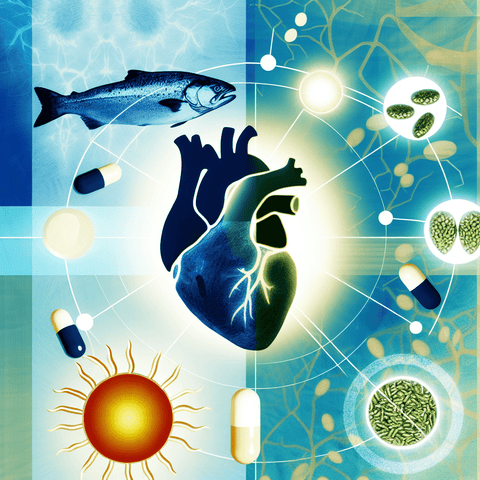
Cholesterol management plays a central role in long-term heart health, yet it is often misunderstood. Cholesterol itself is essential for the body, but elevated LDL cholesterol and triglycerides are associated with an increased risk of cardiovascular disease. This guide explains what cholesterol is, what the numbers mean, why high cholesterol develops, and which diet and lifestyle changes may help lower it. It also examines where supplements may fit, how products differ, and when professional medical assessment is more appropriate than self-directed changes.
Introduction: Why Cholesterol Management Matters for Your Heart
Cardiovascular disease remains one of the leading causes of death worldwide, and elevated blood cholesterol is one of its most significant modifiable risk factors. The encouraging news is that cholesterol levels respond to changes in diet, physical activity, and other daily habits — often within weeks to months. Effective cholesterol management does not require perfection; it requires consistent, informed choices.
What You'll Learn in This Guide
- What cholesterol is and what HDL, LDL, and triglyceride numbers mean
- Why high cholesterol is dangerous even without symptoms
- The main dietary and lifestyle causes of elevated cholesterol
- Seven practical, evidence-informed changes you can start today
- Which supplements have meaningful evidence — and their limitations
- How to evaluate supplement quality, safety, and labels
What Is Cholesterol? Understanding the Basics
Cholesterol is a waxy, fat-like substance produced by the liver and also obtained from animal-based foods. It is essential for building cell membranes, producing hormones such as cortisol and sex hormones, and synthesizing vitamin D. Because cholesterol does not dissolve in blood, it travels through the bloodstream packaged in lipoproteins — particles that determine how cholesterol behaves in the body.
HDL, LDL, and Triglycerides: What the Numbers Mean
LDL (low-density lipoprotein) is often called "bad" cholesterol because elevated levels contribute to plaque buildup in artery walls. HDL (high-density lipoprotein) is known as "good" cholesterol because it helps transport cholesterol back to the liver for processing. Triglycerides are the most common type of fat in the blood; high levels frequently accompany elevated LDL and are influenced strongly by excess calories, alcohol, and refined carbohydrates.
Good vs. Bad Cholesterol: Why the Distinction Matters
The distinction matters because the total cholesterol number alone does not tell the whole story. A person can have a "normal" total cholesterol with an unfavorable LDL-to-HDL ratio, or a higher total cholesterol driven by protective HDL. Cardiovascular risk assessment focuses on the balance of these fractions, which is why a full lipid panel is more informative than a single number.
Cholesterol Levels Chart: What's Considered Normal, Borderline, and High
General reference ranges commonly used for adults (values in mg/dL) include:
- Total cholesterol: below 200 is desirable; 200–239 borderline; 240 and above high
- LDL cholesterol: below 100 is optimal; 100–129 near optimal; 130–159 borderline high; 160 and above high
- HDL cholesterol: below 40 in men and below 50 in women is considered a risk factor; 60 or higher may be protective
- Triglycerides: below 150 is normal; 150–199 borderline high; 200 and above high
Exact targets vary depending on individual risk factors, and your doctor may set stricter LDL goals if you have existing cardiovascular disease or diabetes.
Why High Cholesterol Is a Serious Health Concern
High cholesterol is often described as a "silent" risk factor precisely because it damages the cardiovascular system gradually and without noticeable warning signs. Understanding the mechanism helps explain why early management matters.
How Elevated Cholesterol Affects Your Heart and Blood Vessels
When LDL cholesterol remains elevated, particles can penetrate the inner lining of artery walls, become oxidized, and trigger inflammation. Over time, this process forms atherosclerotic plaque — deposits that narrow arteries and reduce blood flow. If a plaque ruptures, a clot can form and block blood flow to the heart or brain, causing a heart attack or stroke.
Cholesterol and Cardiovascular Disease: What the Research Shows
Decades of research — including large population studies, genetic studies, and clinical trials of lipid-lowering therapies — consistently link elevated LDL cholesterol with higher cardiovascular risk. Evidence also indicates that lowering LDL, whether through lifestyle changes or medication, is associated with a reduced risk of heart disease events. Reducing risk is about long-term exposure: lower LDL over more years is associated with meaningfully lower lifetime risk.
Signs and Risk Factors of High Cholesterol
Why High Cholesterol Often Has No Symptoms
Most people with high cholesterol feel completely well. In rare genetic cases, physical signs such as fatty deposits around the eyes or tendons (xanthomas) may appear, but these are uncommon. Because there are typically no symptoms, high cholesterol is usually discovered only through a blood test.
Who Is at Risk? Age, Genetics, and Lifestyle Factors
- Age and sex: risk rises with age; men tend to develop elevated cholesterol earlier, while risk increases in women after menopause
- Family history: a genetic predisposition can raise cholesterol independent of diet; familial hypercholesterolemia affects roughly 1 in 250 people
- Diet and lifestyle: high saturated fat intake, inactivity, smoking, and excess alcohol all contribute
- Weight and metabolic health: excess weight, insulin resistance, and type 2 diabetes are closely linked to unfavorable lipid profiles
When to Get Your Cholesterol Tested
General guidance suggests adults have a lipid panel every 4–6 years starting in early adulthood, with more frequent testing if levels are borderline or high, if risk factors are present, or if a close relative had early heart disease. Testing is the only reliable way to know your cholesterol status — it cannot be guessed from how you feel.
What Causes High Cholesterol?
Dietary Contributors: Saturated Fats, Trans Fats, and Dietary Cholesterol
Saturated fats (found in fatty cuts of meat, butter, cheese, and many processed foods) tend to raise LDL cholesterol. Trans fats, now largely eliminated from most food supplies but still present in some fried and industrially baked goods, raise LDL and lower HDL. Dietary cholesterol from foods such as eggs has a smaller effect in most people than saturated fat, though responses vary between individuals.
Lifestyle Factors: Sedentary Habits, Smoking, and Alcohol
Physical inactivity lowers HDL and is associated with higher triglycerides. Smoking damages blood vessels and lowers HDL cholesterol, while heavy alcohol intake raises triglycerides and can contribute to weight gain. These habits compound each other, which is why combined lifestyle changes have the greatest effect.
Genetics, Age, and Medical Conditions That Raise Cholesterol
The liver's production and clearance of cholesterol is largely genetically determined. Conditions such as hypothyroidism, chronic kidney disease, polycystic ovary syndrome (PCOS), and diabetes can raise lipid levels. Age also matters: cholesterol tends to rise gradually from early adulthood onward.
Medications That Can Affect Cholesterol Levels
Certain medications — including some corticosteroids, diuretics, beta-blockers, immunosuppressants, and hormone therapies — can raise LDL or triglycerides. If your lipid levels rise after starting a new medication, discuss this with your doctor rather than adjusting anything yourself.
Why Cholesterol Management Is Different for Everyone
How Genetics and Family History Influence Your Cholesterol Response
Genetics influence both your baseline cholesterol and how you respond to dietary change. Two people can follow identical diets and see very different results. This variability is well documented and explains why some individuals need more intensive intervention than others.
Why the Same Diet Lowers Cholesterol in Some People but Not Others
"Hyper-responders" to dietary cholesterol may absorb more of it through the intestine, while others compensate by producing less in the liver. Gut microbiome composition, body weight, insulin sensitivity, and baseline diet all modify responses. This is why personalized testing and professional guidance matter more than one-size-fits-all rules.
7 Simple Changes for Managing Cholesterol Through Diet and Lifestyle
1. Choose Heart-Healthy Fats: Replace Saturated with Unsaturated Fats
Research consistently shows that replacing saturated fats with unsaturated fats lowers LDL cholesterol. Practical swaps include using olive oil instead of butter, choosing avocado and nuts as fat sources, selecting lean proteins, and eating fatty fish rather than red and processed meats. Even small, consistent substitutions can make a measurable difference.
2. Add More Soluble Fiber: Oats, Legumes, and Fruits
Soluble fiber binds cholesterol-rich bile acids in the digestive tract, causing the body to draw on blood cholesterol to replace them. Good sources include oats and barley (rich in beta-glucan), beans and lentils, apples, pears, and citrus fruits. Aiming for 5–10 grams of soluble fiber per day as part of total fiber intake is a commonly cited target associated with modest LDL reductions.
3. Eat More Omega-3-Rich Foods: Fatty Fish, Nuts, and Seeds
Omega-3 fatty acids from fish (EPA and DHA) are strongly associated with lower triglycerides and broader cardiovascular benefits. Eating fatty fish such as salmon, mackerel, sardines, or herring twice per week is a widely recommended pattern. Plant sources such as walnuts, flaxseed, and chia seeds provide ALA, a precursor the body converts only partially to EPA and DHA.
4. Increase Plant Sterols and Stanols in Your Diet
Plant sterols and stanols are naturally occurring plant compounds structurally similar to cholesterol. They reduce cholesterol absorption in the intestine. Consuming around 1.5–3 grams per day — achievable through fortified foods or, for some people, supplements — has been shown in numerous trials to lower LDL cholesterol by roughly 7–12%.
5. Exercise Regularly: How Movement Improves Your Lipid Profile
Regular aerobic exercise raises HDL cholesterol, lowers triglycerides, and can modestly reduce LDL. Most guidelines recommend at least 150 minutes of moderate-intensity activity per week, such as brisk walking, cycling, or swimming. Resistance training twice weekly adds further metabolic benefits. Consistency matters more than intensity.
6. Quit Smoking and Limit Alcohol
Quitting smoking can raise HDL cholesterol noticeably within weeks and reduces cardiovascular risk through multiple additional pathways. Limiting alcohol helps lower triglycerides and supports weight management. These two changes deliver some of the fastest measurable improvements in lipid profiles.
7. Maintain a Healthy Weight and Manage Stress
Losing even 5–10% of body weight can meaningfully improve LDL, triglycerides, and overall metabolic health. Chronic stress may also contribute indirectly, through stress eating, poor sleep, and elevated blood pressure. Sustainable habits — regular movement, adequate sleep, and realistic eating patterns — support both weight and lipid goals better than short-term diets.
Do Supplements Help with Cholesterol Management?
Supplements are not a substitute for the dietary and lifestyle changes above, but several have meaningful scientific support as nutritional support alongside those changes. The evidence varies considerably between ingredients.
Plant Sterols and Stanols Supplements: What the Evidence Says
This is one of the best-supported categories. Controlled trials consistently show that daily intakes of approximately 1.5–3 grams of plant sterols or stanols lower LDL cholesterol. Effectiveness requires consistent daily intake, and effects stop when intake stops.
Omega-3 Fish Oil for Triglycerides: Benefits and Limitations
High-dose omega-3 (EPA and DHA) supplements can lower elevated triglycerides, though doses used in trials are typically higher than in standard products. For people with normal triglycerides, the benefit of supplementation is less clear, and some large trials have shown mixed results for cardiovascular outcomes in general populations. Fish oil is best viewed as support for specific lipid issues, not a universal heart-health product. For a closer look at options, see the DHA and EPA omega-3 supplement range.
Soluble Fiber Supplements: Psyllium Husk and Beta-Glucan
Psyllium husk is a well-studied soluble fiber; regular intake of around 5–10 grams daily has been associated with modest LDL reductions in clinical studies. It requires adequate water intake and may cause bloating initially. Beta-glucan from oats and barley offers similar, more modest effects and is easily obtained through food.
Red Yeast Rice, Niacin, and Other Popular Options: A Reality Check
Red yeast rice contains monacolin K, a compound chemically identical to the statin drug lovastatin. Its potency varies unpredictably between products, and some formulations may carry similar — though unmonitored — risks to prescription statins. Niacin in high doses can improve HDL but has shown limited cardiovascular benefit in trials and carries notable side effects, including flushing and, at high doses, potential liver effects. Garlic, soy protein, and green tea extract have shown modest or inconsistent effects in research. These options warrant a discussion with a doctor before use.
What Supplements Cannot Do: Setting Realistic Expectations
No supplement replaces statin therapy when a doctor determines that medication is needed, and none can "reverse" established cardiovascular disease. Supplements may provide incremental nutritional support on top of diet, exercise, and medical care — typically producing modest changes rather than dramatic ones. Anyone with diagnosed heart disease, very high LDL, or familial hypercholesterolemia needs medical management first.
When May Cholesterol Supplements Be Worth Considering?
When Diet Alone May Not Be Enough
If your lipid panel remains borderline high after 3–6 months of consistent dietary and lifestyle changes, supplementation may be worth discussing as an additional layer of support — before, or alongside, a conversation about medication.
Nutritional Support vs. Medical Treatment: Knowing the Difference
Supplements provide nutritional compounds at food-comparable or moderately elevated doses. Medications are clinically tested treatments with regulated dosing and medical supervision. Confusing the two is risky, particularly with products like red yeast rice that blur the line. Nutritional support complements medical care; it does not replace it.
Groups Who May Benefit from Additional Nutritional Support
Adults whose diets are low in fatty fish or soluble fiber, people who dislike or cannot eat fortified sterol foods, and those with mildly elevated lipids who prefer to exhaust nutritional options first may be reasonable candidates. People with diabetes, liver disease, kidney conditions, or those taking multiple medications should always consult a healthcare professional first. Other nutritional factors, such as adequate magnesium intake, also support overall cardiovascular and metabolic health as part of a balanced diet.
How to Choose a Quality Cholesterol Supplement
The supplement market varies widely in quality. Understanding what actually differentiates products helps you avoid paying for ineffective formulations.
Ingredient Forms and Standardization: What Actually Matters
For omega-3, the triglyceride form and highly concentrated re-esterified triglyceride forms are generally well absorbed; ethyl esters are also used and absorbed reasonably well when taken with a fatty meal. For plant sterols, look for the amount of free sterol equivalents rather than total compound weight. Standardized extracts indicate a consistent active content — a key quality marker.
Dosage and Concentration: Matching Products to Evidence-Based Intakes
Choose products whose daily serving matches the intakes used in research: roughly 1.5–3 g/day for plant sterols, 5–10 g/day for psyllium, and meaningful EPA+DHA doses for triglyceride support. A capsule containing a tiny fraction of the studied dose — even in a premium product — is unlikely to deliver comparable effects. Higher doses are not inherently better and may increase side effects.
Bioavailability: Why Absorption Varies Between Products
Fat-soluble compounds such as omega-3s absorb better with meals containing fat. Psyllium requires sufficient water to gel properly. Sterols work best spread across meals, since they act within the intestine during digestion. Taking a supplement correctly can be as important as the product itself.
Single Ingredients vs. Combination Formulas
Combination products (for example, sterols plus omega-3 plus fiber) can be convenient, but they make it harder to hit evidence-based doses of each ingredient and increase the chance of unnecessary additives. Single-ingredient products often allow more precise dosing and easier adjustment.
Purity, Third-Party Testing, and Certifications
Look for third-party testing certifications, transparent manufacturing information, and full disclosure of active amounts per serving. This matters especially for red yeast rice products, where inconsistent potency and contamination have been documented in independent analyses.
Capsules, Softgels, Powders, and Tablets: Which Format Fits Your Routine?
Omega-3 products are typically softgels for stability and easier swallowing. Psyllium works best as a powder mixed with water. Sterols come as tablets or capsules. The best format is one you can take consistently — adherence matters more than delivery method.
Allergens, Additives, and Dietary Preferences (Vegan, Gluten-Free)
Fish oil is unsuitable for vegans; algae-based omega-3 provides EPA and DHA from a plant-derived source. Check for fish, shellfish, soy, and gluten-derived excipients if you have allergies, and review full ingredient lists rather than relying on front-of-package claims.
How to Read a Supplement Label for Cholesterol Products
Understanding Serving Sizes, Active Ingredients, and Standardized Extracts
Always check the serving size: some products require two or more capsules to reach the stated dose. Verify the amount of the active compound (e.g., EPA + DHA combined, not just "fish oil"), and look for standardized extract percentages on herbal products. Ingredients are listed in descending order of weight, which helps you judge whether the formula is dominated by active compounds or fillers.
Red Flags and Marketing Claims to Watch Out For
- Claims to "cure," "reverse," or "unclog" arteries — supplements cannot legally make these claims
- Vague proprietary blends that hide individual ingredient amounts
- Doses far below (or far above) levels used in research
- Lack of contactable manufacturer information or third-party testing
- "Cholesterol-lowering" claims on unproven ingredients such as cinnamon or apple cider vinegar
Safety, Side Effects, and Interactions
Possible Side Effects of Common Cholesterol Supplements
Psyllium may cause bloating or gas, particularly when introduced quickly. Fish oil can cause mild digestive upset or fishy aftertaste at higher doses. Plant sterols are generally well tolerated. Niacin causes flushing at effective doses; red yeast rice can cause muscle aches similar to statin-related symptoms.
Supplement–Medication Interactions: Statins, Blood Thinners, and More
High-dose omega-3 may have mild effects on bleeding time and warrants caution with anticoagulants or antiplatelet drugs. Red yeast rice should not be combined with statins without medical supervision, due to the risk of muscle-related side effects. Niacin can interact with statins and affect liver function. Psyllium can reduce absorption of certain medications if taken at the same time — separate doses by a couple of hours.
When to Talk to Your Doctor Before Supplementing
Consult a healthcare professional before supplementing if you take prescription medication, are pregnant or breastfeeding, have liver, kidney, or thyroid conditions, have diagnosed cardiovascular disease, or are considering red yeast rice or niacin. Also seek medical advice if a supplement causes muscle pain, dark urine, jaundice, or persistent digestive symptoms.
Diet Changes or Supplements? Making the Right Decision for You
A Simple Self-Assessment: Is Your Current Approach Working?
- Do you know your current lipid panel results — and how long ago were they measured?
- How much saturated fat, fiber, and fatty fish does your current diet actually include?
- Are you meeting physical activity guidelines most weeks?
- Have you given diet and lifestyle changes at least 3–6 months of consistent effort?
- Do you take medications or have conditions that could interact with supplements?
If your numbers remain high despite genuine lifestyle effort, that is the point at which additional nutritional support — or medical assessment — becomes worth discussing rather than guessing further.
Questions to Ask Before Choosing a Product
- Does the daily serving match doses shown to be effective in research?
- Is the active ingredient amount clearly disclosed, not hidden in a blend?
- Has the product undergone third-party testing?
- Does it fit my dietary restrictions and any medications I take?
- Have I confirmed this ingredient is actually relevant to my specific lipid pattern?
Browsing a well-organized natural supplements collection or informative guides such as an overview of multivitamins, ingredients, and usage can help you compare options with these criteria in mind.
Conclusion: Small Changes, Big Impact on Heart Health
Cholesterol management rests on a foundation of sustainable diet and lifestyle habits: replacing saturated fats with unsaturated ones, eating more soluble fiber and omega-3-rich foods, staying active, not smoking, and maintaining a healthy weight. These changes benefit almost everyone and remain the foundation of cardiovascular health. Supplements — particularly plant sterols, omega-3, and psyllium — may offer meaningful additional support in specific situations, but they work alongside, never instead of, the fundamentals and appropriate medical care. Because lipid profiles and responses vary widely between individuals, regular testing and professional guidance are the most reliable way to determine what your heart actually needs.
Your Next Steps Toward Informed Cholesterol Management
- Schedule a lipid panel if you have not had one in the past 4–6 years
- Choose two of the seven changes above and implement them this week
- Reassess your lipid panel after 3–6 months of consistent effort
- Discuss any supplement interest — especially red yeast rice or niacin — with your doctor first
Key Takeaways
- Cholesterol is essential for the body, but elevated LDL and triglycerides are associated with increased cardiovascular risk
- High cholesterol typically has no symptoms; a blood test is the only reliable way to know your status
- Replacing saturated fats with unsaturated fats is one of the most effective dietary changes for lowering LDL
- Soluble fiber (oats, legumes, psyllium) can lower LDL by binding bile acids in the intestine
- Omega-3 fatty acids from fatty fish are associated with lower triglycerides and cardiovascular benefit
- Plant sterols and stanols at 1.5–3 g/day are among the best-evidenced nutritional compounds for lowering LDL
- Regular exercise, quitting smoking, and moderate weight loss improve multiple lipid markers simultaneously
- Supplements may provide modest support but cannot replace medication when medically indicated
- Red yeast rice and niacin carry meaningful risks and interactions and require medical guidance
- Individual responses to diet and supplements vary substantially due to genetics, gut health, and lifestyle
Frequently Asked Questions
How quickly can diet lower cholesterol?
Measurable changes in LDL cholesterol can appear within 3–6 weeks of consistent dietary change, particularly when replacing saturated fats with unsaturated fats and increasing soluble fiber. Triglycerides often respond even faster, sometimes within days to weeks, especially with reduced alcohol and refined carbohydrate intake.
What are the warning signs of high cholesterol?
In most cases there are none — which is why regular testing matters. Very high genetic cholesterol may rarely cause visible fatty deposits around the eyes, corneal arcs, or tendons. Do not rely on symptoms; a lipid panel is the only dependable assessment.
Are eggs bad for cholesterol?
For most people, dietary cholesterol from eggs has a smaller effect on blood cholesterol than saturated fat, and moderate egg consumption fits within a heart-healthy diet for most people. A small group of "hyper-responders" may need to moderate intake. Individual lipid testing is the best guide.
Which is more important, LDL or HDL?
LDL is generally the primary treatment target because lowering it is consistently associated with reduced cardiovascular risk. HDL matters as part of the overall profile, but raising HDL alone has not proven to reduce risk as clearly as lowering LDL.
How much soluble fiber do I need daily?
General fiber recommendations are 25–38 grams per day for adults, of which soluble fiber should ideally be around 5–10 grams. Most people get well below these amounts, which is why increasing legumes, oats, fruits, and vegetables is a common first step.
Can you take too much omega-3?
Yes. High intakes (generally above 3 grams of EPA+DHA daily) may increase bleeding risk and cause digestive upset, and some studies have linked very high doses to possible atrial fibrillation risk in susceptible people. Stay within labeled doses unless medically advised otherwise.
Do cholesterol supplements work as well as statins?
No. Statins are prescription medications shown in trials to substantially lower LDL and reduce cardiovascular events. The best-supported supplements (plant sterols, psyllium) produce modest LDL reductions, useful as nutritional support but not medical substitutes.
Is red yeast rice safe for lowering cholesterol?
Red yeast rice does lower LDL in many people because it contains a statin-like compound, but product potency varies widely, quality control is inconsistent, and muscle-related side effects can occur. It should only be used under medical supervision, not as self-treatment.
Should I take fish oil if my triglycerides are normal?
Not necessarily. Fish oil reliably lowers elevated triglycerides, but trials have shown mixed cardiovascular benefits in people with normal levels. If you eat fatty fish regularly, supplementation may add little. Discuss with your doctor based on your overall profile.
How long before supplements affect cholesterol levels?
Psyllium and plant sterols typically show effects within 4–12 weeks of consistent daily use. Omega-3 effects on triglycerides may appear within several weeks at adequate doses. If no change is seen after about three months, professional assessment is warranted.
Can exercise alone lower cholesterol?
Exercise reliably raises HDL and lowers triglycerides, and may modestly reduce LDL. However, diet usually has a larger effect on LDL. The combination of exercise and dietary change is considerably more effective than either alone.
What foods should I avoid for healthy cholesterol?
Prioritize limiting foods high in saturated fat (fatty processed meats, butter-heavy baked goods, full-fat dairy in excess) and avoid any products containing trans fats (partially hydrogenated oils). Reducing refined carbohydrates and alcohol also helps lower triglycerides.
Related Keywords
- cholesterol management
- lower LDL cholesterol naturally
- high cholesterol treatment
- foods that lower cholesterol
- soluble fiber and cholesterol
- omega-3 for triglycerides
- plant sterols and stanols
- cholesterol levels chart
- HDL vs LDL cholesterol
- psyllium husk cholesterol
- fish oil heart health
- red yeast rice safety
- cholesterol supplement guide
- heart-healthy diet tips