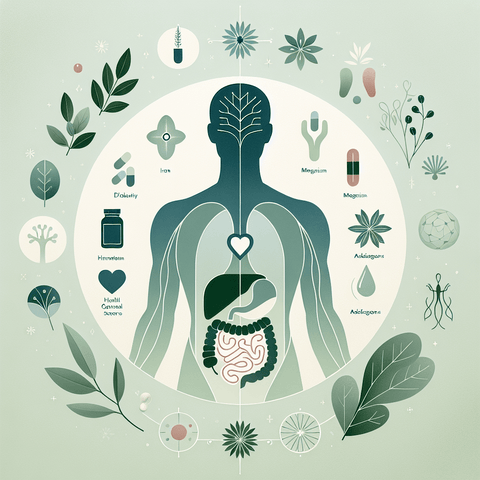
Chronic exhaustion is a pervasive issue that goes well beyond typical tiredness. It is a persistent and overwhelming fatigue that disrupts work, relationships, and quality of life. Understanding the many potential causes of chronic exhaustion—from lifestyle habits to complex medical conditions—is the first step toward reclaiming your energy. This guide provides a broad overview of the topic, exploring various physical and mental dimensions, and illustrates how to navigate the path to better health.
What is Chronic Exhaustion?
Chronic exhaustion is more than just feeling sleepy. It is a profound lack of energy that persists for an extended period, often lasting weeks or months. This form of fatigue is not typically resolved by a single night of good rest. Every affected person may experience it a little differently. To be able to understand the underlying cause, it helps to first map out the full range of possible factors.
The causes of chronic exhaustion are typically a combination of aspects, rather than a single switch being flipped. It can stem from how well you are sleeping, how you manage stress, the support you are receiving from your nutrition, and any other signals your body is sending. Recognising this is a multi-system problem helps avoid with us simplifying what is quite often a complex puzzle.
Major Categories of Chronic Exhaustion Causes
Chronic exhaustion causes can be grouped into several significant categories. Each category represents a different area of life or your health. While a single trigger might be responsible, it is common for several of these dimensions to be involved at once. A broad understanding of these groups is important for any comprehensive view.
Lifestyle and Daily Habits
Modern life often works against sustained energy. Several lifestyle factors are frequently at the root cause of fatigue and can be influenced on a daily basis.
- Poor Sleep Quality: Insomnia, sleep fragmentation, or a lack of deep sleep prevents the body from restoring itself.
- Sedentary Lifestyle: Lack of regular physical movement can weaken the body's systems, making fatigue more pronounced.
- Dietary Habits: Consuming a diet that is low in essential nutrients, or high in ultra-processed foods, can fail to provide the necessary fuel for steady energy.
- Alcohol and Caffeine use: Relying heavily on caffeine to get through the day, or alcohol to wind down, can disrupt sleep and lead to a cycle of fatigue.
Psychological and Emotional Factors
This is the mind-body connection at work. Emotional and psychological health can significantly drain your the physical energy.
- High Stress and HPA Axis: Long-term stress overstimulates the body's stress response system, leading to hormonal imbalances that promote fatigue.
- Depression and Anxiety: Emotional health conditions are important and often overlooked root causes of chronic lack of energy.
- Low resilience to stress: Feeling deeply overwhelmed by reasonable daily demands can become another source depletion.
Medical and Physiological Conditions
Often, fatigue is a signal from an underlying medical issue. It is essential to speak to a healthcare professional to rule out or manage these. They can include:
- Sleep Disorders: Sleep apnea, restless legs syndrome, and clinical insomnia all severely compromise the restorative nature of sleep.
- Inflammation and Immune Signaling: Ongoing inflammation in a body is a common energy drain for a host of causes.
- Metabolic Issues: Thyroid disorders, hormonal problems, or early metabolic syndrome can permit energy production to falter.
- Medication Side Effects: A number of prescription and over-the-counter medications have fatigue as a common side effect.
Nutritional Deficiencies
Your body requires a specific set of vitamins and minerals to convert food into usable energy. A deficiency in any one of these can slow down the entire process.
- Low Iron Levels: Often a result of blood loss or a low dietary intake, this reduces the blood's ability to carry oxygen, leading to fatigue.
- Vitamin D Deficiency: Widely known for its role in bone health, a deficiency is also a feature of low mood and energy. See our Vitamin D collection for more information.
- B-Vitamin shortage: Particularly B12 and folate, these are essential for the body's metabolic energy pathways.
- Magnesium: Involved in over 300 biochemical reactions, magnesium is needed for reliable muscle relaxation and energy.
- Coenzyme Q10: This acts as a helper in the mitochondria, the energy producers found in every cell.
The Role of Nutrition and Supplements
A food-first approach is always the foundation. You fill your diet wider range of vegetables, fruits, lean proteins, and healthy fats to cover your basis. Your body then utilises these nutrients to produce energy naturally.
Supplements should not be seen as an energy pill, but as a targeted tool to address a known, verified nutritional shortage, to help you create good food. If you and your doctor have identified a deficiency, supplements can be a useful part of the support plan. For support on building a broad base, you can explore the multivitamins guide to understand a baseline option. Similarly, for specific vitamin and mineral needs, you can review our section on magnesium for energy support.
Why Symptoms Are a Puzzle, Not a Diagnosis
Fatigue is a symptom, not a single disease. Feeling exhausted can be a sign of the cause being a sleep disorder, a mental health issue, or a thyroid condition. This is why looking at your symptoms alone is often not sufficient. A thorough assessment method that looks at your overall picture is more effective than taking a single symptom in isolation.
There are key 'red flag' signs that require prompt attention. If your fatigue is accompanied by unexplained weight loss, chest pain, a high fever, or shortness of, you should seek a medical evaluation immediately. This list is not exhaustive, and caution is always best.
Individual Variability and the Path to Improvement
The journey to understanding and addressing chronic exhaustion is rarely linear. Individual variability is very high. A cause can be attributed to age, genetics, current life, and co-existing conditions.
Instead of seeking a 'one-size-fits-all' solution, it is more reliable to consider a structured and informed plan. This includes working on the household basics, like sleep schedule and stress management, as well as mentally engaging with medical advice. The goal is not to rush to a supplement collection. The goal is to build a foundation and a set of habits that restore energy naturally.
Taking Action: Building Your Informed Plan
If you suspect that nutritional gaps are contributing to your energy issues, a healthcare provider can assist you with proper terminology testing. Only when a deficiency is confirmed does a supplement. Approach the process with the intention of being healthy, not just buying a bottle. Use trusted retailers like Topvitamine natural supplements to make your choice based on transparent product info and safety.
Frequently Asked Questions
Why am I exhausted all the time?
There are many reasons why you might be exhausted all the time, including poor sleep routines, ongoing stress, an inactive lifestyle, a missing part in a balanced diet, or one occasionally underlying medical condition. The cause is often requires self-review and a health professional called in for tests.
What does crashing fatigue feel like?
State quickly or suddenly overcomes you, often a feeling of total weakness where even simple tasks feel monumental. It is a sudden drop in energy that might be cause for concern and is distinct from the slow draining you get with normal tiredness.
What are the most common causes of chronic fatigue?
Common causes are sleep conditions like insomnia or apnea, anxiety and worry, nutritional deficiencies (especially iron and magnesium, and various medical problems such as thyroid or underacting.) It is a complex web that is not there.
When should I see a doctor about my fatigue?
If fatigue lasts for more than a few weeks, is unexplained, or makes daily life difficult, see a healthcare provider. Seek immediate help if you experience shortness, chest pain, severe weakness, or the skin appears bleeding.