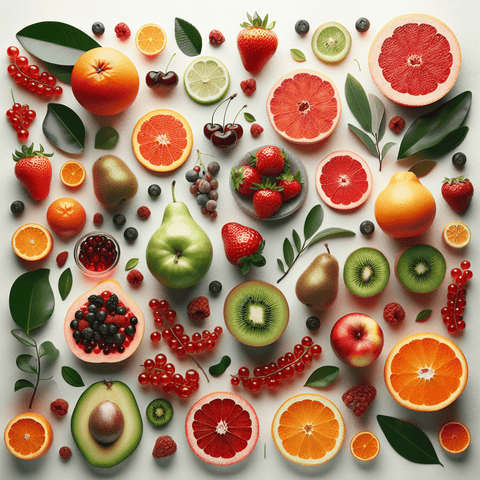
Citrus fruits are some of the most familiar dietary sources of vitamin C, and they appear frequently in discussions about nutrition, immunity and everyday wellness. This page provides a broad overview of citrus vitamin sources, with oranges, lemons, limes and grapefruits as the main examples. It is designed as a topical hub that helps you understand what citrus fruits contribute, how they differ, and what to consider when comparing them.
Rather than focusing on a single question, this guide covers the wider landscape: the types of citrus fruit, the vitamins and compounds they typically contain, factors that may influence nutrient content, and practical ways to include citrus fruits in a balanced diet. More specific topics are explored in the individual articles associated with this tag.
What Are Citrus Vitamin Sources?
Citrus vitamin sources are fruits from the Citrus genus that provide meaningful amounts of vitamin C and other nutrients. The most commonly recognised examples are oranges, lemons, limes and grapefruits, along with varieties such as tangerines, mandarins, clementines and pomelos. These fruits share a similar botanical background but differ in appearance, flavour, aroma and culinary use.
In nutrition references, citrus fruits are often highlighted for their vitamin C content. However, they also contain other vitamins and minerals in smaller amounts, as well as plant compounds that are studied for their antioxidant properties. The exact nutrient profile depends on the type of fruit, its variety, growing conditions, ripeness and how it is stored or prepared.
The Main Types of Citrus Fruit
Citrus fruits can be grouped in different ways, but for everyday understanding, the most useful approach is to look at the main types and how they are typically used.
- Oranges: widely consumed fresh, juiced or used in cooking; sweet oranges are the most common, while bitter oranges are used in marmalades and certain liqueurs.
- Lemons: known for their sour flavour and high acidity; used in drinks, dressings, baking and as a garnish.
- Limes: similar to lemons but typically smaller and greener; common in juices, marinades and international cuisines.
- Grapefruits: larger and often slightly bitter; available in varieties such as white, pink and ruby red.
- Other citrus: tangerines, mandarins, clementines, satsumas and pomelos offer similar nutritional themes with their own flavour profiles.
These fruits can be eaten whole, juiced, zested or used in cooked dishes. The form in which they are consumed can affect how much vitamin C and other nutrients are retained.
Vitamins and Compounds in Citrus Fruits
Vitamin C is the most discussed nutrient in citrus fruits, but it is not the only one. Citrus fruits also provide smaller amounts of other vitamins and minerals, and they contain plant compounds that are of interest in nutrition research.
Vitamin C
Vitamin C is a water-soluble vitamin that the body cannot store in large amounts, so it needs to be consumed regularly. It contributes to normal immune function, collagen formation and antioxidant protection. Citrus fruits are among the most well-known dietary sources, although the exact amount varies by fruit type, variety and freshness.
Other Vitamins and Minerals
Beyond vitamin C, citrus fruits may contain small amounts of folate, potassium, calcium and magnesium, depending on the type. They also provide dietary fibre, particularly when eaten whole rather than juiced. These nutrients contribute to the overall nutritional value of citrus fruits but are generally present in lower concentrations than vitamin C.
Plant Compounds
Citrus fruits contain a range of plant compounds, including flavonoids and carotenoids. These compounds are studied for their antioxidant properties and their potential role in supporting health, although research is ongoing. They are one reason why whole citrus fruits are often considered more nutritionally complex than isolated vitamin C supplements.
Factors That Influence Vitamin Content in Citrus
The vitamin content of citrus fruits is not fixed. Several factors can affect how much vitamin C and other nutrients a fruit provides at the time it is eaten.
- Cultivar and variety: different types of oranges, lemons, limes and grapefruits can have different nutrient profiles.
- Growing region and climate: soil, sunlight and temperature can influence nutrient development.
- Harvest timing and ripeness: nutrient levels can change as fruit matures.
- Storage and handling: vitamin C is sensitive to heat, light and oxygen, so storage conditions matter.
- Preparation: peeling, cutting, juicing and cooking can all affect the final vitamin content.
Because of these variables, it is difficult to give a single exact vitamin C figure that applies to every piece of fruit. Nutrition tables provide average values, but individual fruits can differ.
How Citrus Fruits Fit Into a Balanced Diet
Citrus fruits can be part of a varied and balanced diet. They are naturally low in fat and provide fibre when eaten whole. Their vitamin C content makes them a useful dietary source, especially in seasons when other fresh produce may be less available.
Whole fruits are generally preferred over juice because they retain more fibre and are more filling. Juices can still contribute vitamin C but may contain less fibre and more sugar per serving. As with all foods, portion size and overall dietary patterns matter.
If you are considering vitamin C supplements alongside dietary sources, you can explore our vitamin C supplement category for general information. For broader antioxidant support, our antioxidant supplements category may also be relevant. These links are provided for navigation and do not imply that supplements are necessary or that they can replace a balanced diet.
Comparing Citrus Vitamin Sources
When comparing citrus fruits as vitamin sources, it helps to consider more than just vitamin C. Flavour, texture, culinary use and overall nutrient package all play a role in how a fruit fits into your diet.
- Oranges: sweet and versatile; often eaten fresh or juiced; generally considered a good source of vitamin C.
- Lemons: very sour; typically used in small amounts; provide vitamin C but are rarely eaten alone.
- Limes: similar to lemons; used in drinks and dishes; contribute vitamin C when consumed.
- Grapefruits: larger and slightly bitter; can be eaten fresh or juiced; provide vitamin C and other nutrients.
No single citrus fruit is objectively the best for everyone. Preferences, dietary needs and practical considerations such as availability and cost all influence which fruits you choose.
Practical Considerations and Safety
Citrus fruits are generally well tolerated, but some people may experience digestive discomfort or allergic reactions. The acidity of citrus can also affect tooth enamel if consumed frequently in large amounts, especially as juice.
Certain compounds in grapefruit and some other citrus fruits can interact with specific medications. If you take prescription medication, it is important to check with a healthcare professional before making significant changes to your citrus intake.
This page provides general educational information and is not a substitute for personalised medical or dietary advice. If you have specific health concerns or dietary requirements, consult a qualified professional.
Exploring Citrus Vitamins Further
This tag page is a starting point for understanding citrus vitamin sources. The individual articles associated with this tag explore more specific topics, such as detailed nutrient comparisons, the role of vitamin C in the body, and practical ways to include citrus fruits in meals.
If you are interested in other vitamin sources, you can also browse our vitamin A benefits and sources category for related information. For a broader overview of essential nutrients, our multivitamins guide may be useful. These resources can help you place citrus fruits within a wider nutritional context.