
Cognitive issues can show up in everyday life as memory gaps, trouble concentrating, or thinking that feels slower than usual. Understanding potential causes and recognizing early symptoms helps you respond in a timely way. Factors such as stress, fatigue, sleep disruption, information overload, aging, and how we manage daily routines can all play a part in how cognitive issues present themselves. Common symptoms of cognitive issues include misplacing items, difficulty finding the right word, slower recall of names or facts, getting easily distracted, or losing track of steps in familiar tasks. You might also notice that multitasking feels overwhelming or that tasks you used to complete with ease now require more conscious effort. If these signs persist, they’re worth noting so you can explore patterns and triggers over time. Practical steps to sharpen thinking and navigate cognitive issues include organizing your environment with clear routines and external aids—calendars, checklists, and reminders can reduce cognitive load. Break complex tasks into smaller steps, annotate ideas, and use structured notes to support memory and planning. Minimize distractions during focused work, create dedicated thinking time, and engage in mental challenges like puzzles or learning new skills to exercise cognitive flexibility. Regular social interaction and reflective journaling can also provide mental stimulation without relying on external health claims. Start protecting your mind today by paying attention to when cognitive issues arise and what seems to influence them. Track patterns, try a few of the practical steps, and adjust as needed. If symptoms persist or worsen, consider seeking guidance from a professional who can help you explore underlying factors and appropriate next steps.
Cognitive Issues: Causes, Symptoms, and Practical Tips for Better Brain Health
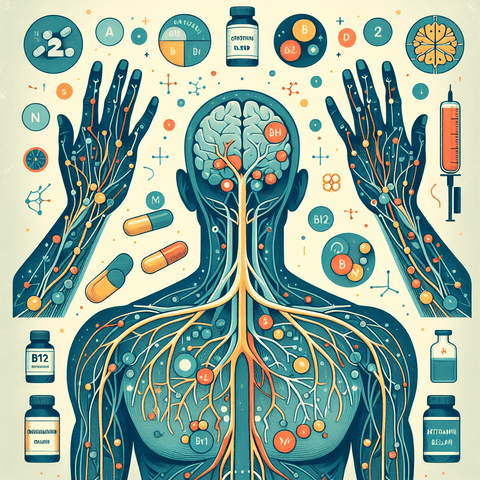
Vitamin B12 Deficiency and Musculoskeletal PainVitamin B12 deficiency can cause a wide range of symptoms, including nerve pain, fatigue, cognitive issues, and muscle weakness. Many people also wonder whether low B12 leads to joint or bone pain. The answer is indirect yet real: while B12 does not directly cause arthritis, its impact on the nervous system can produce pain that feels like it originates in bones or joints. Nerve-related discomfort, such as tingling, burning, or sharp pain, is a hallmark of deficiency. These symptoms often appear in the hands, feet, legs, or spine.How B12 Affects Bones and JointsThe link between B12 and musculoskeletal pain involves several mechanisms. B12 is essential for myelin production, which protects nerves. When myelin breaks down due to low B12, nerve signals may misfire, producing sensations that mimic bone or joint pain. Additionally, B12 influences homocysteine metabolism, and elevated homocysteine levels have been associated with bone density reduction. While not a direct cause of arthritis, low B12 can worsen existing joint discomfort due to impaired nerve signalling.Recognizing B12 Deficiency Symptoms and Taking ActionCommon symptoms include fatigue, shortness of breath, dizziness, pale skin, tingling in hands or feet, balance problems, weak muscles, and forgetfulness. If you experience persistent joint or bone pain along with these signs, it may be worth checking B12 levels with a simple blood test. Early diagnosis helps prevent long-term neurological damage. Supplementation with methylcobalamin or cyanocobalamin, under medical guidance, can usually reverse many symptoms and improve quality of life.