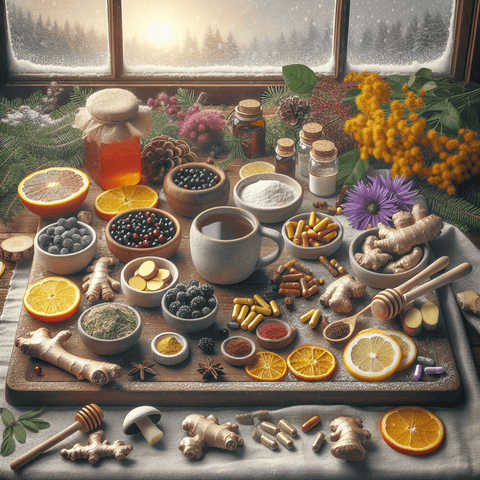
Cold and flu supplements are among the most searched health products every winter, but the evidence behind them varies widely. This guide explains what cold and flu supplements are, which ingredients — including vitamin C, vitamin D, zinc, echinacea, elderberry, and probiotics — have research support, and how they may contribute to normal immune function. You will also learn how diet and lifestyle shape immune resilience, when supplementation may be worth considering, how to compare products and read labels, and what safety considerations apply, so you can make informed choices this season.
Cold and Flu Supplements: What They Are and How They May Support Your Immune System This Season
Cold and flu season places a recurring burden on the immune system. Viruses circulate more easily in winter, indoor crowding increases exposure, and factors like lower sun exposure and drier air may make infections more frequent. Cold and flu supplements are nutritional products designed to support the body's normal immune defenses during this period — not to cure or treat illness. Understanding what these products can and cannot do is the first step toward using them sensibly.
It helps to view supplementation as one layer of a broader strategy. Sleep, hydration, a nutrient-dense diet, stress management, and vaccination where appropriate remain the foundation. Supplements may fill specific nutritional gaps, but they work best when the basics are already in place.
What Are Cold and Flu Supplements? Key Ingredients and Terms Explained
The term "cold and flu supplements" covers a wide range of products: single vitamins and minerals, herbal extracts, probiotics, and combination immune formulas. What unites them is their intended purpose — supporting the immune system's normal function rather than acting as medicine.
Vitamins, minerals, herbs, and probiotics: the main categories
The most commonly used ingredients fall into four groups:
- Vitamins: vitamin C and vitamin D are the most studied for immune support, with vitamin A, vitamin E, and B vitamins also contributing to normal immune function.
- Minerals: zinc and selenium are essential for immune cell development and function; iron and copper also play supporting roles.
- Herbal and botanical ingredients: echinacea, elderberry, ginger, and similar botanicals have a long history of traditional use, though the scientific evidence is more variable.
- Probiotics: live microorganisms that may influence immune function through their effects on the gut microbiome.
Immune support vs. symptom relief: an important distinction
Some products are designed to provide nutrients that support immune function over time; others, such as zinc lozenges, have been studied for their effect on cold duration when taken early. Many combination products mix both approaches. Reading the label carefully helps you understand whether a product is providing nutritional support or addressing symptoms — two very different goals. Neither type of supplement replaces medical care when symptoms are severe or prolonged.
Why Immune Health Matters During Cold and Flu Season
The immune system is a network of cells, tissues, and signaling molecules that identifies and responds to viruses and bacteria. Its performance depends heavily on nutritional status, because producing immune cells and antibodies requires a steady supply of vitamins, minerals, and energy.
How your immune system responds to viral infections
When a cold or flu virus enters the body, the innate immune system responds within hours, triggering inflammation and nonspecific defenses. Over the following days, the adaptive immune system produces targeted antibodies and memory cells. This response is metabolically demanding, which is one reason why fatigue and increased sleep need accompany illness. Nutrients such as zinc, vitamin C, and vitamin D participate directly in these processes, influencing both how immune cells develop and how they communicate.
The role of nutrition in normal immune function
European and international health authorities have approved claims that vitamin C, vitamin D, and zinc each contribute to the normal function of the immune system. This is an established scientific baseline — but it refers to adequate intake, not to mega-dosing. Deficiency clearly impairs immunity; taking more than sufficient amounts has not been shown to further enhance immune function in people who are already well nourished.
Common Signs Your Immune System May Need Extra Nutritional Support
Frequent infections, slow recovery, and fatigue: what the evidence says
Catching several colds per season, taking longer than usual to recover, or feeling persistently run down may suggest that the body's defenses are under strain. These experiences are common and can have many causes — poor sleep, high stress, or simply increased exposure at work or school. Ongoing fatigue and frequent infections can also signal underlying health issues, so persistent or severe symptoms warrant medical evaluation rather than self-treatment with supplements.
Why symptoms alone cannot confirm a nutrient deficiency
Tiredness, frequent colds, and slow recovery are nonspecific. They cannot tell you whether you are low in vitamin D, zinc, iron, or none of the above. Blood testing — for example, measuring serum 25-hydroxyvitamin D — provides far more reliable information than symptom-based guessing. This is especially relevant for vitamin D, where validated testing is widely available.
Risk Factors That May Weaken Immune Resilience During Cold and Flu Season
Dietary gaps: low intake of vitamin C, vitamin D, and zinc
Vitamin D insufficiency is widespread in winter, particularly at higher latitudes where the sun is too weak for skin synthesis from roughly October to March. People who eat few fruits and vegetables may fall short on vitamin C, and those who rarely consume meat, shellfish, legumes, or seeds may have lower zinc intake. Older adults and people with limited diets are disproportionately affected.
Lifestyle factors: sleep, stress, alcohol, and physical activity
Observational research consistently links short sleep (under six hours) with higher susceptibility to respiratory infections. Chronic stress elevates cortisol, which can suppress aspects of immune function. Heavy alcohol intake and smoking are also associated with impaired respiratory defenses, while regular moderate exercise appears supportive — though extreme training volumes may temporarily reduce resistance.
Age, absorption issues, and medications that affect nutrient status
Immune function naturally changes with age, and older adults often have lower zinc and vitamin D status. Digestive conditions such as celiac disease or inflammatory bowel disease can reduce nutrient absorption, and medications including proton pump inhibitors, diuretics, and corticosteroids may affect levels of zinc, magnesium, and other nutrients. People in these situations have different nutritional needs than the general population.
Why Cold and Flu Supplement Needs Differ From Person to Person
Two people can follow the same supplement routine and experience entirely different results, because nutritional requirements are individual.
How diet, health status, and baseline nutrient levels shape individual needs
Someone who eats oily fish regularly and takes a walk outdoors at midday may already maintain adequate vitamin D, while an office worker in a northern country in January may not. A person with a balanced, varied diet may get ample vitamin C and zinc from food alone. Factors such as age, pregnancy, gastrointestinal health, smoking, alcohol intake, sun exposure, genetics, and existing supplement use all influence what — if anything — is worth adding. This is why a one-size-fits-all approach to immune supplementation rarely makes sense.
Food and Lifestyle First: The Foundation of Immune Support
Before considering any supplement, it is worth confirming that the fundamentals are covered. Food provides nutrients in combination with fiber, antioxidants, and other compounds that work synergistically.
Best foods for immune health: vitamin C, zinc, and vitamin D sources
- Vitamin C: citrus fruits, kiwi, strawberries, bell peppers, broccoli, and Brussels sprouts. Regular intake matters, as the body does not store large amounts.
- Zinc: oysters, beef, poultry, pumpkin seeds, lentils, and chickpeas. Animal sources are generally absorbed more efficiently; phytates in plant-heavy diets can reduce absorption.
- Vitamin D: oily fish (salmon, mackerel, sardines), egg yolks, and fortified products. Diet alone often falls short, particularly in winter, which is why vitamin D is one of the most frequently supplemented nutrients in northern Europe.
For a broader overview of nutrient-rich foods and how they fit into a supplement routine, the guide to superfoods and approved nutrient claims offers useful context.
Sleep, hydration, exercise, and stress management during flu season
Aim for seven to nine hours of sleep, maintain hydration, keep alcohol moderate, and build in regular movement. Hand hygiene and staying home when ill remain among the most effective ways to limit the spread of respiratory viruses — habits no supplement can replace.
The Role of Supplements in Cold and Flu Season: What the Research Suggests
With the fundamentals covered, here is what current evidence indicates about the most common cold and flu supplement ingredients.
Vitamin C: intake, timing, and what studies show about cold duration
Meta-analyses of controlled trials suggest that regular vitamin C supplementation does not prevent colds in the general population, but may modestly shorten their duration and reduce severity. Taking vitamin C only after symptoms begin has shown little consistent benefit in trials, meaning consistency matters more than last-minute loading. The recommended daily intake for adults is roughly 75–110 mg depending on sex and national guidelines — an amount easily met through diet, though smokers have higher requirements. Learn more about vitamin C, immunity, and antioxidant function.
Vitamin D: why low winter levels matter for immune function
Vitamin D modulates both innate and adaptive immunity, and immune cells carry vitamin D receptors. Observational studies link low vitamin D status with higher rates of respiratory infections, and a large meta-analysis found that supplementation was associated with a reduction in acute respiratory infections — with the strongest effects seen in people who started with low levels. This supports the case for testing or sensible winter supplementation, especially where sun exposure is limited. Read our guide to vitamin D benefits, sources, and safety.
Zinc: lozenges, tablets, and evidence on shortening common colds
Zinc is essential for immune cell function, and several trials suggest that zinc lozenges taken within 24 hours of symptom onset may reduce the duration of the common cold, though results are mixed and optimal dosing is debated. Daily zinc requirements are modest (around 7–11 mg for adults), and dietary zinc usually suffices. Long-term high-dose zinc supplementation can interfere with copper absorption and should be avoided without professional guidance.
Echinacea, elderberry, and other herbal ingredients: current evidence
Echinacea has been studied for both prevention and treatment of colds, with mixed results; some trials suggest a modest benefit, others show none. Elderberry (Sambucus nigra) has limited but promising small studies suggesting it may reduce the duration and severity of flu-like symptoms when started early. Herbal products also vary widely in extract type and concentration, making study comparisons difficult. If you are exploring botanical options, our guide to herbal supplements, safety, and sourcing covers what to look for.
Probiotics and gut health: their connection to immune function
A substantial portion of immune tissue resides in the gut, and the gut microbiome helps train immune responses. Several randomized trials suggest that certain probiotic strains may modestly reduce the incidence or duration of respiratory infections, though effects are strain-specific and not universal. Explore our overview of probiotics and prebiotics for more on how these products differ.
When Supplementation May Be Worth Considering for Cold and Flu Season
Situations where diet alone may fall short
Supplementation becomes more relevant when:
- Winter sunlight is insufficient for vitamin D synthesis, or sun exposure is consistently low
- Dietary variety is limited — for example, restrictive diets, low fruit and vegetable intake, or vegan diets with low zinc status
- Age, digestive conditions, or medications impair nutrient absorption
- Increased demands — such as heavy physical training, pregnancy, or recovery from illness — raise requirements
Nutritional support vs. treatment: understanding the difference
Supplements supply nutrients; they are not medicines. They cannot cure influenza, replace antiviral treatment, or substitute for medical care. If symptoms include high fever, difficulty breathing, chest pain, or illness lasting beyond 10 days, seek medical advice. Framing supplements as nutritional support — rather than treatment — keeps expectations realistic and usage safe.
How to Choose the Right Cold and Flu Supplement
Ingredient forms and bioavailability: zinc picolinate, vitamin D3, and more
Chemical form matters in some cases. Vitamin D3 (cholecalciferol) is generally preferred over D2 because it raises and maintains blood levels more effectively. Zinc is available as picolinate, citrate, gluconate, and other chelates; absorption differences between well-formulated chelates are modest, and evidence for one form being universally superior is limited. For lozenges, the form studied for cold duration is typically zinc gluconate or acetate. Fat-soluble vitamins (D, A, E, K) are better absorbed when taken with a meal containing fat.
Dosage and timing: how much is appropriate during cold season
A sensible approach matches supplement doses to the gap between dietary intake and recommended intake — not to the highest dose on the shelf. In practice this often means moderate doses of vitamin D during winter, vitamin C at or near recommended intake levels, and zinc only for short periods unless a deficiency has been identified. Vitamin C and zinc are often better tolerated with food; vitamin D timing matters less than consistency and fat intake.
Single ingredients vs. combination immune formulas
Single-ingredient products make it easy to adjust doses and avoid duplicating nutrients. Combination formulas offer convenience but require label scrutiny — it is surprisingly easy to take several products and unintentionally exceed safe limits of vitamin A or zinc. If you use a combination formula, check how it overlaps with any multivitamin you already take.
Capsules, tablets, lozenges, powders, and liquids: which format fits your needs
Capsules and tablets suit daily routine use; lozenges allow slow dissolution in the mouth, relevant for zinc's studied cold-duration effects; powders and liquids offer flexible dosing and easier swallowing for those who dislike capsules. Choose based on the ingredient, your tolerance, and how consistently you will actually take it.
How to Read a Cold and Flu Supplement Label Like a Pro
Serving sizes, active ingredient amounts, and added ingredients
Check the serving size first — some products list amounts per capsule but recommend two capsules. Verify the active ingredient amounts against recommended daily intakes, and scan for added sugars (common in gummies and effervescent formats), artificial sweeteners, colors, and allergens such as gluten, soy, or dairy if these matter to you.
Quality indicators: third-party testing, certifications, and allergen labeling
Supplements are not regulated as strictly as medicines, so manufacturing quality varies. Look for third-party testing or certification, transparent labeling of extract ratios for herbal products (e.g., standardization), clear allergen declarations, and an address for the responsible company. Reputable brands document their sourcing and quality controls.
Who May Benefit Most From Immune-Support Supplements
Older adults, restrictive diets, and others with higher nutritional needs
Groups with a comparatively higher likelihood of benefiting include older adults (lower vitamin D and zinc status, altered immune function), people with limited sun exposure, those on restrictive or low-calorie diets, individuals with malabsorption conditions, and people taking medications that deplete nutrients.
When to consider testing or professional guidance first
If you suspect a deficiency, a blood test is usually more informative than guesswork — particularly for vitamin D, where a simple serum test establishes status reliably. A physician or registered dietitian can interpret results in context, check for interactions with your medications, and recommend appropriate doses. This is especially important if you have kidney or liver conditions, take anticoagulants or immunosuppressants, or are pregnant.
Safety, Interactions, and Side Effects of Cold and Flu Supplements
Moderate doses of immune-support nutrients are generally well tolerated, but "more" is not "better," and several nutrients have meaningful safety thresholds.
Upper intake limits for vitamin C, vitamin D, and zinc
- Vitamin C: the adult upper intake level is around 2,000 mg/day; higher intakes commonly cause digestive upset and diarrhea.
- Vitamin D: the adult upper limit is generally cited as 100 µg (4,000 IU)/day; sustained intake above this can lead to elevated blood calcium.
- Zinc: the adult upper limit is around 40 mg/day; long-term excess can cause copper deficiency and impair immune function — the opposite of the intended effect.
Possible interactions with medications and existing health conditions
Zinc can reduce the absorption of certain antibiotics when taken together, and long-term high-dose zinc interferes with copper. Vitamin D and calcium require caution in people with kidney disease or a history of kidney stones. High-dose vitamin C may be problematic for people with hemochromatosis due to increased iron absorption. Herbal ingredients like echinacea may not be appropriate for people with autoimmune conditions or those on immunosuppressive therapy. Always check combinations with a pharmacist or physician.
Special considerations during pregnancy and breastfeeding
Pregnancy and breastfeeding change nutrient requirements and safety thresholds — particularly for vitamin A and herbal products. Pregnant and breastfeeding women should review any cold and flu supplements with a healthcare professional before use rather than self-selecting products.
Diet Changes or Supplements? How to Decide What's Right for You
Questions to ask before buying a cold or flu supplement
- Does my diet already provide this nutrient, and could I improve my food choices first?
- Am I in a group with higher requirements — older age, low sun exposure, restrictive diet, malabsorption, or relevant medications?
- Do I have any evidence of low status (for example, a recent vitamin D blood test), or am I guessing?
- Does the dose fit the gap between my intake and recommended intake — and am I already taking other products containing the same nutrients?
- Is the product independently tested, clearly labeled, and free of ingredients I do not need?
If you answer "no" to most of these, adjusting diet and lifestyle first — or seeking testing and professional advice — is usually the better investment.
Key Takeaways: Building a Sensible Cold and Flu Season Plan
Combining everyday habits with informed supplement choices
- Cold and flu supplements are nutritional support products — they do not cure or prevent illness on their own.
- Sleep, hydration, a varied diet, moderate exercise, and hand hygiene form the foundation of immune resilience.
- Vitamin C may modestly shorten colds when taken regularly; it has not been shown to prevent colds in the general population.
- Vitamin D status often drops in winter, and evidence links supplementation in low-status individuals with reduced respiratory infections.
- Zinc lozenges, started within 24 hours of symptoms, show mixed but potentially meaningful effects on cold duration.
- Echinacea and elderberry have promising but inconsistent evidence; product quality and extract type vary widely.
- Respect upper intake levels: roughly 2,000 mg/day for vitamin C, 100 µg for vitamin D, and 40 mg for zinc in adults.
- Blood testing, especially for vitamin D, is more reliable than guessing based on symptoms.
- Check labels for overlapping ingredients in combination products and existing multivitamins.
- Consult a healthcare professional if you are pregnant, taking medications, or have ongoing health conditions.
Frequently Asked Questions
What are cold and flu supplements?
They are nutritional products — vitamins, minerals, herbal extracts, and probiotics — intended to support normal immune function during cold and flu season. They are not medicines and cannot treat or cure infections.
Can supplements prevent colds and flu?
For most well-nourished people, no supplement has been shown to reliably prevent colds. Vitamin D supplementation in people with low status has been associated with fewer respiratory infections, and good hygiene and vaccination remain the most effective preventive measures.
What foods are high in vitamin C and zinc?
Vitamin C is abundant in citrus fruits, kiwi, bell peppers, and broccoli. Zinc is richest in oysters, beef, poultry, pumpkin seeds, and legumes. A varied diet usually covers both, though zinc from plant sources is absorbed less efficiently.
Why is vitamin D especially important in winter?
Skin synthesis of vitamin D nearly stops at northern latitudes in winter, so blood levels decline for many people. Since vitamin D contributes to normal immune function, low winter status is one reason supplementation is widely considered during flu season.
Do zinc lozenges really shorten a cold?
Several controlled trials suggest that zinc lozenges dissolved in the mouth, started within 24 hours of symptoms, may reduce cold duration — though study results are mixed. Benefits appear limited to lozenge formulations taken early, not routine zinc capsules.
How much vitamin C can I safely take?
The adult upper intake level is about 2,000 mg per day. Above roughly 1,000 mg per single dose, digestive side effects such as diarrhea become more likely. Regular moderate intake is more useful than occasional high doses.
Which form of vitamin D is best?
Vitamin D3 (cholecalciferol) is generally preferred, as evidence indicates it raises and maintains blood levels more effectively than D2. Take it with a meal containing fat for better absorption.
Can you take too much zinc?
Yes. Intakes above roughly 40 mg/day for extended periods can cause copper deficiency, anemia, and impaired immune function. Short-term higher doses used in cold research should not be continued long term without professional guidance.
Do probiotics help with colds?
Some probiotic strains have been associated with modest reductions in the incidence or duration of respiratory infections in trials. Effects are strain-specific, so results depend on the specific product and individual.
Can I take immune supplements with my medications?
Some interactions exist — zinc can reduce antibiotic absorption, and herbal products like echinacea may interact with immunosuppressive drugs. Check with a pharmacist or doctor if you take regular medication.
Should I get a blood test before taking vitamin D?
A serum 25-hydroxyvitamin D test is the most reliable way to know your status and is worth considering, especially if you have low sun exposure, darker skin, or unexplained fatigue. It helps you dose appropriately rather than guess.
When should I see a doctor instead of using supplements?
Seek medical care for high or persistent fever, difficulty breathing, chest pain, symptoms lasting more than 10 days, or frequent serious infections. Supplements are not a substitute for medical evaluation.
Related Keywords
- cold and flu supplements
- immune support supplements
- vitamin C for colds
- vitamin D and respiratory infections
- zinc lozenges cold duration
- echinacea and elderberry evidence
- probiotics immune function
- best supplements for immune system
- how to boost immunity in winter
- upper intake levels vitamin C D zinc
- food sources of zinc and vitamin C
- how to choose immune supplements
- supplement safety and interactions