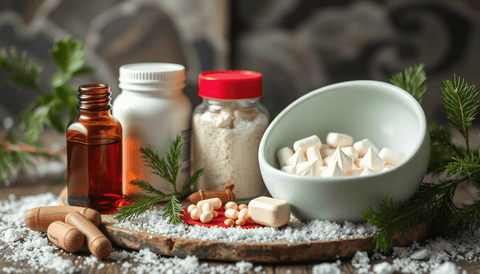
Cold prevention supplements are among the most searched health products during autumn and winter, yet confusion persists about which nutrients actually influence cold risk. This article explains how the immune system fights cold viruses, what the evidence says about vitamin C, vitamin D, zinc and popular botanicals, and how diet and lifestyle shape your susceptibility in the first place. You will also learn when supplementation is genuinely worth considering, how to compare products on forms, dosages and quality, and which safety limits matter—so you can make an informed, balanced decision rather than relying on marketing claims.
What Are Cold Prevention Supplements and Do They Work?
Cold prevention supplements are products containing vitamins, minerals or botanical compounds that are marketed to reduce the likelihood of catching a common cold or to lessen its severity. The category typically includes vitamin C, vitamin D, zinc, and herbal extracts such as elderberry or echinacea, either as single-ingredient products or combination formulas.
The honest answer to whether they work is: it depends on the nutrient, your baseline status and the outcome you care about. Research suggests that correcting an existing deficiency—for example, low vitamin D—may be associated with a lower frequency of respiratory infections. In contrast, high-dose vitamin C supplementation in the general population has not been shown to prevent colds reliably, although some studies suggest a modest reduction in duration when taken consistently. No supplement has been proven to make a well-nourished person immune to cold viruses.
This distinction matters because supplement decisions are most useful when they address a real gap. Someone with adequate nutrient status may gain little from additional intake, while someone with low dietary intake, limited sun exposure or increased requirements may benefit more meaningfully. The rest of this article explains how to tell the difference.
How the Immune System Responds to Cold Viruses
Colds are caused mainly by rhinoviruses, though more than 200 viruses can be responsible. When a virus enters the nose or throat, the innate immune system responds first: mucous membranes, antimicrobial proteins and white blood cells attempt to contain the infection within hours. If this response does not eliminate the virus, adaptive immunity—T cells and antibodies—becomes involved over several days. Most cold symptoms, including congestion and a runny nose, are largely the result of this immune response rather than direct damage by the virus.
Many nutrients participate in this process: vitamin C and zinc support immune cell function, vitamin D helps regulate immune signalling, and adequate protein and energy intake sustain immune cell production. This involvement is why micronutrient status is often discussed in relation to cold susceptibility.
Why "Boosting Immunity" Is More Complex Than It Sounds
Immunity is not a dial that simply turns up with more of any nutrient. An overactive immune response can be harmful, contributing to inflammation and tissue damage. What supports health is a well-regulated, adequately nourished immune system—not a maximally stimulated one. For well-nourished people, taking extra vitamins or minerals above recommended levels has not been demonstrated to provide additional protection against colds, and excessive doses of some nutrients can carry risks.
The Difference Between Prevention and Shortening a Cold
Much of the strongest supplement research actually concerns outcomes after a cold begins, not prevention. Zinc lozenges taken within 24 hours of symptom onset have been associated with shorter cold duration in several trials, while evidence for zinc preventing colds is weaker. Similarly, vitamin C's most consistent finding relates to duration modestly shortening with regular use, not prevention in the general population. Understanding this difference helps set realistic expectations: most cold prevention supplements are better described as immune-support products with situational benefits.
Key Nutrients That Support Immune Defense Against Colds
Vitamin C: Evidence on Prevention and Duration
Vitamin C is essential for immune cell function and acts as an antioxidant. Reviews of controlled trials indicate that regular vitamin C supplementation does not reliably prevent colds in the general population, though it may modestly reduce cold duration and symptom severity. One frequently cited exception: physically demanding activities such as marathon running appear associated with greater benefit from regular vitamin C intake. Foods rich in vitamin C—citrus fruit, kiwi, bell peppers, broccoli—are generally the preferred source, since absorption from a mixed diet is efficient.
Vitamin D: The Link Between Status and Respiratory Infections
Vitamin D plays a role in regulating both innate and adaptive immune responses, including the production of antimicrobial peptides in airway tissue. Observational research consistently links low vitamin D status with higher rates of respiratory infections, and pooled analyses of randomized trials suggest that vitamin D supplementation may reduce the risk of acute respiratory infections, particularly in people who start with low vitamin D levels. In countries with limited winter sunlight, maintaining adequate status through diet, sensible sun exposure and, where needed, supplementation is a reasonable consideration. For more detail, see our guide to vitamin D sources, benefits and safety.
Zinc: What the Research Says About Cold Symptoms
Zinc is required for normal development and function of immune cells, and even mild deficiency can impair immune responses. The most robust findings involve zinc lozenges dissolved in the mouth shortly after symptoms appear, which several trials have associated with shorter cold duration—likely because zinc can interfere with viral replication in the throat. Evidence that zinc supplementation prevents colds in zinc-replete people is limited. Because zinc and copper compete for absorption, long-term high-dose zinc use warrants caution.
Elderberry and Other Botanicals in Cold Prevention
Elderberry (Sambucus nigra) has a long tradition of use for respiratory complaints, and a small number of trials suggest that elderberry preparations taken during illness may be associated with reduced cold and flu symptom duration. However, the evidence base remains limited, and there is little research showing elderberry prevents colds in the first place. Other botanicals such as echinacea have mixed study results, with effects varying considerably between preparations and species. Botanical products should therefore be viewed as traditional or emerging options rather than established preventive tools. Explore more in our herbal supplements guide.
Factors That Increase Your Susceptibility to Colds
Catch frequent colds? Susceptibility depends on exposure, immune competence and overall health. Understanding these factors helps clarify which interventions—dietary or otherwise—are most likely to make a difference.
Sleep, Stress, and Physical Exhaustion
Research has associated short sleep duration (roughly under six hours per night) and chronic psychological stress with increased susceptibility to cold viruses in challenge studies. Sleep deprivation impairs multiple aspects of immune function, including T-cell activity and cytokine signalling. Persistent physical exhaustion, whether from overtraining or illness, appears to add further strain on immune defence.
Nutrient Shortfalls and Low Dietary Intake
Inadequate intake of vitamin C, vitamin D, zinc, selenium or protein can impair aspects of immune function. This does not mean that subclinical "shortfalls" below laboratory reference ranges necessarily cause frequent colds, but populations with genuine deficiency of these nutrients tend to experience more infections. Correcting a documented deficiency is one of the few supplement scenarios with reasonably solid supporting evidence.
Age, Environment, and Seasonal Exposure
Young children experience the most colds due to developing immunity and close contact in schools. Older adults may have somewhat diminished immune responses (immunosenescence). Colder months increase transmission risk because people spend more time indoors in close proximity, and dry indoor air may affect mucous membrane defences. Crowded transport, offices and gyms all increase viral exposure—factors no supplement can offset.
Why Individual Needs for Immune-Supporting Nutrients Vary
Dietary Patterns and Food Intake
People who eat varied diets rich in fruit, vegetables, whole grains, fish and fermented foods generally obtain adequate amounts of most immune-relevant nutrients. Those following restrictive diets, eating few fruit or vegetables, or consuming little fish or fortified foods may have lower intakes of specific nutrients—most commonly vitamin D, and occasionally vitamin C or zinc.
Absorption and Health Conditions
Gastrointestinal conditions such as coeliac disease, inflammatory bowel disease or prior gastric surgery can reduce absorption of zinc and other minerals. Older adults often synthesize less vitamin D in the skin and may absorb vitamin B12 less efficiently. Obesity has been associated with lower vitamin D status, partly because the vitamin is sequestered in adipose tissue.
Medications and Lifestyle Habits That Affect Nutrient Status
Certain medications can affect nutrient status: proton pump inhibitors and long-term antacids may reduce B12 and mineral absorption, corticosteroids affect vitamin D and calcium handling, and some diuretics alter mineral excretion. Smoking lowers vitamin C levels in the body, meaning smokers require a higher dietary intake of vitamin C than non-smokers. Alcohol use can interfere with the absorption and metabolism of several nutrients.
Diet and Lifestyle Strategies to Reduce Cold Risk First
Before considering supplements, the most reliable evidence for reducing cold risk comes from everyday habits: hand hygiene, sufficient sleep, regular moderate exercise, and a varied diet. These measures address exposure and immune competence simultaneously—something no capsule can replicate.
Food Sources of Immune-Supporting Nutrients
- Vitamin C: citrus fruits, kiwi, strawberries, bell peppers, broccoli, Brussels sprouts
- Vitamin D: oily fish (salmon, mackerel, sardines), egg yolks, fortified dairy and plant drinks; limited winter sun exposure
- Zinc: oysters, red meat, poultry, pumpkin seeds, legumes, whole grains
- Selenium: Brazil nuts, fish, eggs, whole grains
- Protein and other nutrients: adequate overall intake of protein, iron and B vitamins supports immune cell production
Absorption of zinc and iron is generally better from animal sources; plant-based eaters can improve mineral uptake from legumes and grains by soaking, fermenting or pairing them with vitamin C-rich foods.
Sleep, Hydration, and Physical Activity
Aim for seven or more hours of sleep per night; consistent short sleep has been associated with higher cold incidence in experimental studies. Regular moderate physical activity is associated with improved immune surveillance, whereas prolonged intense training without recovery may temporarily suppress immunity. Adequate hydration supports mucous membrane function, which is the body's first physical barrier against viruses.
Hygiene and Exposure Reduction as a Prevention Layer
Regular handwashing with soap, avoiding touching the face, ventilating indoor spaces, and staying home when ill remain among the most effective cold-prevention measures available. Viruses spread primarily through respiratory droplets and contaminated surfaces, so these behaviours directly reduce the dose of virus you encounter.
When Cold Prevention Supplements May Be Worth Considering
Situations Where Dietary Intake Is Likely Inadequate
Supplementation becomes more plausible when intake is demonstrably or predictably low: people who rarely eat fish or fortified foods in northern latitudes may have low vitamin D during winter; smokers have elevated vitamin C requirements; strict vegans may benefit from attention to zinc and selenium intake. In these cases the goal is not "extra" immunity but reaching adequate status.
High-Risk Seasons and Travel
Long flights, crowded events and winter seasons increase viral exposure. Some people choose to ensure adequate vitamin D and vitamin C status during these periods. This is a situational, low-stakes consideration—not a guarantee against infection—and should not replace hygiene measures.
Nutrient Testing and Professional Assessment
Symptoms alone cannot establish nutrient status. A simple blood test can measure vitamin D reliably, and clinical assessment can identify deficiencies of zinc or other minerals where relevant. If you experience frequent, severe or prolonged infections, professional evaluation is more informative than self-directed high-dose supplementation, as frequent infections can have causes unrelated to nutrition.
How to Choose a Cold Prevention Supplement
Single Nutrients vs. Combination Formulas
Single-nutrient products (a vitamin D capsule, a zinc lozenge) allow precise dosing and easier adjustment. Combination "immunity" formulas are convenient but often contain many ingredients at low doses, sometimes with little supporting evidence per ingredient. If you have a specific gap—say, vitamin D in winter—a targeted single nutrient is usually more rational than a broad blend.
Ingredient Forms and Bioavailability
Form matters in some cases: zinc appears as zinc gluconate, citrate, picolinate or bisglycinate, with chelated forms such as bisglycinate often being gentler on the stomach; vitamin D3 (cholecalciferol) is generally preferred over D2 for raising and maintaining vitamin D levels; vitamin C is available as ascorbic acid or buffered (less acidic) forms that some people tolerate better. Comparative evidence between some forms is limited or mixed, so tolerability and cost are often reasonable deciding factors.
Dosage, Concentration, and Serving Size
Check how much active nutrient each serving delivers, not just the total weight of the tablet. For vitamin D, common supplement doses (400–2000 IU / 10–50 µg daily) fall within general adult supplementation ranges; for vitamin C, typical supplemental doses are 50–500 mg; zinc supplements commonly provide 5–25 mg. Compare per-serving amounts against the nutrient reference values on labels rather than assuming more is better.
Quality Indicators and Third-Party Testing
Look for products manufactured under recognized quality standards (such as GMP), with transparent labelling of active ingredient amounts and forms. Third-party testing or certification adds a layer of assurance that the product contains what the label claims. Brands with clear sourcing and batch documentation are generally preferable to opaque private-label products.
Avoiding Unnecessary Additives and Allergens
Check labels for allergens (gluten, lactose, soy, shellfish-derived ingredients), artificial sweeteners and colourings if these matter to you. Capsules, effervescent tablets, lozenges and powders differ in convenience and tolerability—for example, lozenges suit zinc's local throat action, while drops allow flexible vitamin D dosing. Vegetarian or vegan suitability is indicated by capsule source (cellulose vs. gelatin).
Safety and Interactions of Cold Prevention Supplements
Upper Intake Limits for Vitamin C, Zinc, and Vitamin D
Mature adult tolerable upper intake levels (ULs), as established by major scientific bodies, are approximately 2000 mg/day for vitamin C, 25 mg/day for supplemental zinc (long-term; adult ULs range around 25–40 mg depending on the authority), and 100 µg (4000 IU)/day for vitamin D. Exceeding these levels habitually can cause problems: high-dose vitamin C may cause gastrointestinal upset and contributes to oxalate load; prolonged zinc above the UL can induce copper deficiency; very high vitamin D over time can raise blood calcium to unsafe levels.
Medication Interactions and Underlying Health Conditions
Zinc can reduce the absorption of certain antibiotics (tetracyclines and fluoroquinolones) if taken together, and interacts with copper status over the long term. Vitamin D and calcium require care in people with hypercalcaemia, kidney stones or severe kidney disease. High-dose vitamin C may affect certain glucose monitoring methods and should be used cautiously by people with a history of kidney stones. Anticoagulant users should be cautious with high-dose vitamin E and some herbal products.
Who Should Consult a Doctor Before Supplementing
Professional advice is recommended for pregnant or breastfeeding women, people with kidney or liver disease, those taking prescription medications, individuals with autoimmune conditions or on immunosuppressive therapy, and anyone considering doses above standard supplemental levels. Children and older adults may have different dose requirements and safety thresholds.
Making an Informed Decision About Cold Prevention Supplements
When Food and Lifestyle Are Sufficient
If you eat a varied diet, sleep adequately, exercise moderately and have little reason to suspect deficiency, additional supplementation is unlikely to meaningfully reduce your cold risk. Your efforts are better spent on hygiene, sleep and diet. For general guidance on building a complete routine, our multivitamins guide explains how broad products fit (or do not fit) into a nutrient-sufficient diet.
Which Factors Should Drive Product Selection
If you do supplement, let your specific gap drive the choice: identify the nutrient, choose a form with reasonable bioavailability and tolerability, check the dose against reference values and upper limits, and prioritize products with third-party testing or clear manufacturing standards. Browse our range of natural supplements to compare single-nutrient and combination options by ingredient, form and dose.
When Professional Guidance Is Recommended
Seek medical assessment rather than self-supplementing if you have frequent or unusually severe infections, a chronic gastrointestinal or kidney condition, take interacting medications, or are pregnant. A blood test for vitamin D, or clinical evaluation for other deficiencies, provides far more reliable information than trial-and-error supplementation.
Final Takeaway: A Balanced Approach to Cold Prevention
The evidence on cold prevention supplements is nuanced. Vitamin D appears most relevant for people with low status; regular vitamin C may modestly shorten colds but rarely prevents them in well-nourished people; zinc lozenges have their best evidence as an early-treatment measure rather than prevention; and botanicals like elderberry remain traditional options with limited preventive research. Diet, sleep, exercise and hygiene do the heaviest lifting for most people. Supplements fill specific gaps—low vitamin D in winter, restricted diets, increased needs—not replace fundamentals. Match any product to a genuine need, respect upper intake levels, and use testing or professional advice when in doubt.
Key Takeaways
- No supplement reliably prevents colds in well-nourished people; the evidence favours targeted support for specific gaps.
- Vitamin D supplementation may reduce respiratory infection risk mainly in people with low vitamin D status.
- Regular vitamin C does not clearly prevent colds but may modestly reduce duration; it may be more relevant for people under heavy physical stress.
- Zinc lozenges have the strongest evidence for shortening a cold when taken within 24 hours of symptom onset, not for prevention.
- Sleep of seven or more hours per night and regular moderate exercise are associated with lower cold susceptibility.
- Hand hygiene and reducing exposure remain the most effective prevention measures available.
- Needs vary with diet, age, sun exposure, smoking, gut health and medication use.
- Respect adult upper intake levels: roughly 2000 mg/day vitamin C, 25–40 mg/day zinc (product-dependent) and 100 µg/day vitamin D.
- Blood testing and professional assessment are more reliable than symptoms for determining nutrient status.
Frequently Asked Questions
Can supplements actually prevent the common cold?
No supplement has been proven to prevent colds reliably in well-nourished people. Vitamin D may reduce respiratory infection risk mainly in those with low vitamin D status, and regular vitamin C may modestly shorten colds, but neither makes you immune. Hygiene and sleep remain the best-supported preventive measures.
Does taking vitamin C daily stop you from catching colds?
For most people, no. Trials show regular vitamin C does not consistently prevent colds, though it may shorten duration slightly. People under intense physical stress, such as endurance athletes, appear more likely to benefit.
Which is better for colds: vitamin C or zinc?
They have different evidence profiles. Vitamin C has modest evidence for shortening cold duration with regular use, while zinc lozenges have stronger evidence for reducing symptom duration when started within 24 hours of symptoms. Neither is clearly proven to prevent infection.
How much vitamin D should I take in winter?
Common adult supplemental doses range from about 400 to 2000 IU (10–50 µg) daily, and the appropriate amount depends on your baseline status, body weight and sun exposure. A blood test is the most reliable way to determine what you actually need.
Do zinc lozenges really shorten a cold?
Several randomized trials suggest that zinc lozenges dissolved in the mouth within 24 hours of symptom onset may reduce cold duration by a modest amount, likely by inhibiting viral replication in the throat. Results vary between studies and formulations.
Can you take too much zinc?
Yes. Long-term intake above the adult upper limit (around 25–40 mg/day depending on the authority) can cause copper deficiency, impaired immune function and neurological symptoms. Acute overdoses cause nausea and digestive upset.
Is elderberry effective against colds?
A small number of trials suggest elderberry may be associated with shorter symptom duration when taken during illness, but evidence is limited and preventive benefit is not established. Quality and concentration vary considerably between products.
When is the best time of day to take vitamin D?
Vitamin D is fat-soluble, so taking it with a meal containing fat improves absorption. There is no strong evidence that time of day matters, so consistency matters more than timing.
Can I take vitamin C and zinc together?
Yes, they are commonly combined and do not meaningfully interfere with each other at normal supplemental doses. However, zinc and copper compete for absorption over the long term, which is why sustained high-dose zinc should be avoided.
Does a multivitamin help prevent colds?
A multivitamin can help correct marginal intakes in people with restricted diets, which may indirectly support immune function. There is no good evidence that multivitamins prevent colds in people who are already well-nourished.
Who is most at risk of low vitamin D in winter?
People living at northern latitudes, those who rarely eat oily fish or fortified foods, older adults, people with darker skin living far from the equator, and those with obesity or limited sun exposure are at higher risk of low winter vitamin D status.
Should I get tested before taking immune supplements?
Testing is most valuable for vitamin D, where a simple blood test reliably guides dosing. For most other nutrients, a varied diet plus professional assessment of your diet and health history is usually sufficient before deciding to supplement.
Related Keywords
- cold prevention supplements
- immunity supplements for colds
- vitamin C cold prevention evidence
- vitamin D respiratory infections
- zinc lozenges for colds
- elderberry for immune support
- best supplements to avoid getting sick
- how to boost immune system naturally
- vitamins for winter immunity
- upper intake levels vitamin C zinc vitamin D
- signs of weak immune system
- foods that support immune defense
- zinc bisglycinate vs zinc gluconate
- do multivitamins prevent colds