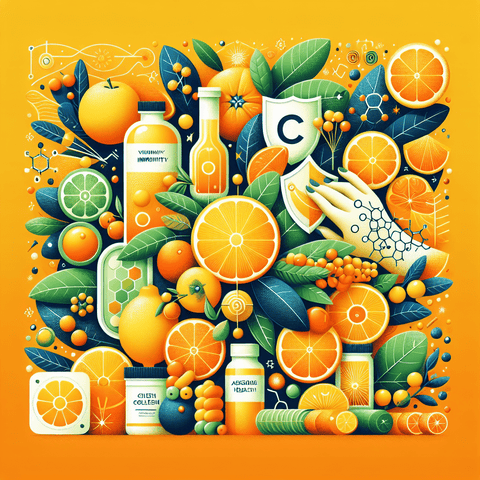
Collagen production is the body’s ongoing process of building and remodelling collagen, the structural protein that gives skin firmness, resilience and a smooth-looking surface. It depends on specialised skin cells, adequate protein and several micronutrients, and it is influenced by age, sun exposure, lifestyle and hormones. Understanding how collagen production works helps separate useful diet and skincare steps from marketing promises. This guide explains the biology, the factors that accelerate collagen breakdown, the nutrients and habits that support collagen synthesis, and when collagen supplements may—or may not—be worth considering.
What Does Collagen Production Mean for Your Skin?
Collagen is the main structural protein in the dermis, the deeper layer of skin that provides support beneath the surface. Collagen production refers to the body’s own synthesis of new collagen and the continuous remodelling of existing collagen fibres. This process helps maintain skin thickness, elasticity and hydration, and it plays a role in wound healing.
Supporting collagen production is not only about taking collagen. It means giving the body the building blocks and cofactors it needs for synthesis while protecting existing collagen from avoidable damage. Skin appearance is also affected by genetics, hydration, sleep, hormones and sun exposure, so collagen is one important piece of a larger picture rather than a single “switch” for younger-looking skin.
How Collagen Production Works in the Body
The Role of Fibroblasts in Collagen Synthesis
Fibroblasts are the main collagen-producing cells in the dermis. They assemble procollagen inside the cell, then release it into the surrounding matrix where it is processed into mature collagen fibres. This process requires amino acids such as glycine, proline and lysine, plus vitamin C, copper, zinc and other nutrients involved in enzyme reactions.
Collagen is constantly being built and broken down. Enzymes called matrix metalloproteinases help remodel the matrix, and this balance between synthesis and degradation influences skin strength and firmness. When breakdown outpaces production, visible signs of skin ageing can gradually appear.
Types of Collagen in the Skin
Type I collagen is the most abundant type in skin and provides much of its tensile strength. Type III collagen is also present in skin, especially during early life and wound healing, while type IV collagen helps form the basement membrane that separates the epidermis from the dermis. Collagen supplements are often labelled by type, but digested collagen is broken into peptides and amino acids rather than deposited directly as intact skin collagen.
Why Collagen Production Declines With Age
Timeline of Natural Collagen Loss
Dermal collagen content tends to decline gradually from early adulthood, and the change may become more noticeable in the 30s and 40s. Menopause is associated with a steeper decline in skin collagen because oestrogen supports fibroblast activity and collagen synthesis. The timing and rate vary considerably between individuals.
Visible Effects of Reduced Collagen Production
Reduced collagen support may contribute to fine lines, skin laxity, thinning and a less even texture. These changes are multifactorial and are not a diagnosis of collagen deficiency. Sun exposure, smoking, genetics and hormonal changes all influence how skin looks over time.
Lifestyle Factors That Accelerate Collagen Breakdown
Sun Exposure and UV Damage
Ultraviolet radiation is one of the strongest environmental contributors to skin ageing. UV exposure can increase oxidative stress and activate enzymes that break down collagen, contributing to photoageing. Daily broad-spectrum sunscreen is one of the most effective ways to protect existing collagen and support skin health.
Smoking and Alcohol Consumption
Smoking has been associated with premature skin ageing, partly through impaired blood flow and increased oxidative stress. Excess alcohol may also affect nutrient intake, hydration and skin repair. Reducing or avoiding smoking and moderating alcohol are reasonable skin-health measures.
High Sugar Diets and Glycation
Diets high in added sugar can promote glycation, a process in which sugars bind to proteins such as collagen and form advanced glycation end products. These can make collagen fibres stiffer and less functional. Overall dietary pattern matters more than any single food, but limiting excessive added sugar is sensible for skin and general health.
Chronic Stress and Sleep Deprivation
Chronic stress and poor sleep may impair skin barrier function and repair processes. The evidence is largely observational, so it does not prove that stress directly destroys collagen. Still, sleep quality, stress management and regular physical activity are reasonable parts of a skin-supportive lifestyle.
Why Collagen Needs Vary Between Individuals
Genetics and Skin Aging
Genetics influence baseline skin structure, collagen turnover and how quickly visible ageing appears. Two people with similar diets and sun habits may have different skin outcomes. This variability means that no single collagen strategy guarantees the same result for everyone.
Hormonal Changes and Menopause
Oestrogen has a supportive role in skin collagen metabolism, and the menopausal transition is associated with faster collagen loss. Hormone replacement therapy is a medical decision with benefits and risks, so it should be discussed with a qualified clinician rather than used solely for skin reasons.
Lifestyle and Environmental Exposure
Sun exposure, smoking, pollution, sleep habits, diet quality and physical activity all interact with individual biology. People with high sun exposure or a low-protein diet may have greater need to focus on protective and supportive habits.
Diet and Lifestyle Strategies to Support Collagen Production
Best Food Sources of Collagen and Its Building Blocks
Protein-rich foods provide the amino acids needed for collagen synthesis. These include meat, fish, eggs, dairy, legumes, soy and other plant proteins. Vitamin C-rich foods such as citrus fruit, berries, peppers and kiwi support collagen enzyme reactions, while nuts, seeds, whole grains and shellfish contribute copper and zinc.
Bone broth and collagen-rich foods contribute amino acids, but they are not guaranteed to become skin collagen. A balanced diet with adequate total protein and micronutrients is more reliable than focusing on one “collagen food”.
Nutrients That Support Collagen Synthesis
Vitamin C, copper, zinc and adequate protein are the best-established nutritional supports for collagen production. Other antioxidants may help limit oxidative stress that contributes to collagen breakdown. Supplements are not a substitute for a varied diet, and high doses of individual nutrients are not automatically better.
Skincare Habits That Protect Existing Collagen
Broad-spectrum sunscreen is the cornerstone of collagen protection. Retinoids have evidence for improving skin texture and supporting collagen synthesis, but they can irritate and should be introduced carefully. Gentle cleansing, moisturising and avoiding over-exfoliation help maintain the skin barrier.
Lifestyle Habits That Support Collagen Health
Regular sleep, physical activity, not smoking and moderating alcohol support general health and skin repair. Stress management and consistent sun protection are practical habits that may help protect collagen over time. These measures do not stop ageing, but they reduce avoidable damage.
Nutrients That Play a Key Role in Collagen Production
Vitamin C
Vitamin C is required for the hydroxylation of proline and lysine in procollagen, making it essential for normal collagen synthesis. It also acts as an antioxidant. Most adults can meet needs through fruit and vegetables, and supplemental vitamin C is widely available in different forms. Learn more about vitamin C benefits, food sources and supplement forms.
Copper
Copper-dependent enzymes help cross-link collagen and elastin, contributing to fibre strength. Copper deficiency is uncommon in people eating a varied diet, and high-dose copper supplementation is not advisable without professional guidance. A mineral supplement guide covering copper, zinc and other trace minerals can help readers compare forms and safety considerations.
Zinc
Zinc supports wound healing, enzyme function and skin maintenance. Dietary sources include meat, shellfish, legumes, seeds and whole grains. Zinc supplementation should be approached cautiously because excess intake can interfere with copper status and cause side effects.
Amino Acids: Glycine, Proline, and Hydroxyproline
Glycine, proline and hydroxyproline are key amino acids in collagen. The body can synthesise some glycine and proline, but adequate total protein intake is needed to support collagen production. Hydroxyproline is found mainly in collagen-containing foods. For readers comparing products, this overview of amino acid supplements explains common forms and label considerations.
When Collagen Supplementation May Be Worth Considering
Signs Your Diet May Be Falling Short
Supplementation may be worth discussing if protein intake is low, fruit and vegetable intake is limited, or the diet is highly restrictive. Older adults, people with high sun exposure and smokers may also have greater reason to focus on collagen protection. Symptoms alone do not establish nutrient insufficiency.
Evidence on Hydrolyzed Collagen Peptides
Hydrolyzed collagen peptides are broken into smaller peptides that are more soluble and have been used in most clinical trials. Some randomised controlled trials suggest modest short-term improvements in skin hydration and elasticity, and some evidence supports joint comfort. Results are not uniform, and collagen supplements should not be presented as a treatment for skin disease or arthritis.
Collagen vs. Collagen-Boosting Nutrients
Collagen supplements supply amino acids, while collagen-boosting nutrients such as vitamin C, copper and zinc support the body’s own synthesis. There is no strong evidence that one approach is universally superior. Diet and lifestyle remain the foundation, and supplements are optional extras rather than requirements.
How to Choose a Collagen or Collagen-Support Supplement
Hydrolyzed Collagen vs. Native Collagen
Hydrolyzed collagen has been more extensively studied and is more water-soluble. Native collagen is less processed but has less clinical evidence for skin outcomes. “Hydrolyzed” does not guarantee dramatic results; it mainly describes a form that is easier to disperse and absorb as peptides.
Marine vs. Bovine Collagen Sources
Marine collagen is typically rich in type I collagen, while bovine collagen often contains type I and III. Evidence does not clearly establish one as universally better for skin. Source, sustainability, allergen risk and personal dietary preferences matter more than marketing claims.
Collagen Peptides vs. Powder vs. Capsules
Powders usually allow flexible dosing and are easy to mix into drinks or food. Capsules are convenient but may require several capsules to reach a meaningful dose. Liquids and softgels vary in concentration. The best form is the one a person will use consistently and that provides a clearly labelled amount of collagen per serving.
Single-Ingredient vs. Combination Formulas
Combination products may include vitamin C, zinc, hyaluronic acid or other ingredients. These can be useful if the added nutrients are relevant and appropriately dosed, but they are not automatically better. Check whether the extra ingredients add value or simply increase cost and complexity.
Quality Markers: Third-Party Testing and Certifications
Look for clear sourcing, allergen information and evidence of quality control. Third-party testing and good manufacturing practice certifications can support confidence in purity and label accuracy. People with fish or bovine allergy should check the source carefully.
How to Read a Collagen Supplement Label
Serving Size and Amount of Collagen per Serving
Check the serving size and the amount of collagen or collagen peptides per serving, not just the total product weight. Some products list “collagen blend” without specifying amounts. A clear label makes it easier to compare products and avoid accidental overuse.
Ingredient Quality and Added Fillers
Review added sugars, flavourings, sweeteners, fillers and allergens. These may be acceptable for some people but unnecessary for others. A shorter ingredient list is not automatically superior, but every ingredient should have a clear purpose.
Understanding Bioavailability Claims
“Highly bioavailable” and “fast-absorbing” claims should be interpreted cautiously. Hydrolyzed peptides are absorbed as small peptides and amino acids, but that does not mean they are directly incorporated into skin collagen. Comparative evidence between brands is limited, so scepticism toward extraordinary claims is reasonable.
Who May Benefit Most From Collagen Supplementation
Adults Over 40
Adults over 40 may be more likely to notice age-related changes in skin and connective tissue, and collagen decline becomes more established. Supplementation may offer modest support, but it does not replace sun protection, adequate protein or healthy lifestyle habits.
Athletes and Active Individuals
People with high physical demands may be interested in collagen for connective tissue and joint comfort. Evidence is promising but not conclusive, and collagen should not replace proper training, recovery and medical care for injuries.
People With Diets Low in Animal Protein
People following vegan or low-protein diets may have lower intake of collagen-specific amino acids. True collagen is animal-derived, so “vegan collagen” products usually provide collagen-support nutrients rather than collagen itself. Protein adequacy and micronutrient intake should be assessed first.
Safety and Interactions of Collagen Supplements
Possible Side Effects
Collagen supplements are generally well tolerated. Some people experience bloating, fullness, indigestion or changes in bowel habits. Splitting the dose or choosing a simpler product may help, but persistent symptoms should be discussed with a professional.
Who Should Exercise Caution
People with fish or bovine allergy should avoid the relevant source. Those with kidney disease or protein-restricted diets should seek advice because collagen adds protein. Evidence on collagen supplements during pregnancy and breastfeeding is limited, so professional guidance is prudent. Medication interactions are not a major concern for collagen peptides, but individual circumstances vary.
How to Decide if Supplementation Is Right for You
Use a stepwise approach rather than assuming a supplement is necessary. First assess whether protein, fruit, vegetables and overall diet quality are adequate. Then review sun protection, sleep, smoking, alcohol and skincare habits. If these foundations are strong and you are still considering collagen, choose a clearly labelled product with a sensible dose and quality testing.
- Diet first: adequate protein and vitamin C-rich foods support collagen synthesis.
- Protect existing collagen: daily broad-spectrum sunscreen matters more than most supplements.
- Consider supplements selectively: they may be reasonable for some older adults, high-exposure individuals or those with low protein intake.
- Avoid high-dose guesswork: more collagen is not automatically better, and unnecessary added nutrients can complicate safety.
- Seek professional advice: if you have skin concerns, joint symptoms, allergies, kidney disease, pregnancy or breastfeeding.
- Do not rely on symptoms alone: there is no routine blood test for “collagen status”, and visible skin changes have multiple causes.
Key Takeaways: Smart Steps for Supporting Collagen Production
- Collagen production is the body’s own synthesis of collagen, not simply the amount of collagen eaten.
- Fibroblasts require amino acids, vitamin C, copper and zinc for normal collagen synthesis.
- Collagen declines gradually with age, and menopause is associated with a steeper loss.
- UV exposure, smoking, excess alcohol, high added sugar intake and poor sleep may accelerate collagen breakdown.
- Sun protection is one of the most effective ways to protect existing collagen.
- Protein-rich foods and vitamin C-rich fruit and vegetables support collagen building blocks and cofactors.
- Hydrolyzed collagen peptides have some evidence for modest skin and joint benefits, but results vary.
- Collagen supplements are optional and should not replace a varied diet or medical care.
- Choose products with clear labelling, relevant sourcing information and third-party quality testing.
- People with allergies, kidney disease, pregnancy or complex health needs should seek professional advice.
Conclusion
Supporting collagen production is best approached as a long-term pattern rather than a single product decision. Adequate protein, vitamin C, copper and zinc, combined with sun protection, sleep, physical activity and avoidance of smoking, create a reasonable foundation. Collagen supplements may offer modest support for some people, particularly older adults or those with low protein intake, but they are not a cure for skin ageing and should not replace medical care. Individual genetics, hormones and lifestyle exposure shape outcomes, so informed, moderate choices are more valuable than high-dose promises.
Frequently Asked Questions
What is collagen production?
Collagen production is the body’s process of synthesising and remodelling collagen, the structural protein that supports skin, bones, tendons and other connective tissues. It depends on fibroblasts, amino acids and nutrient cofactors such as vitamin C and copper.
Can you boost collagen production naturally?
You can support the body’s natural collagen production through adequate protein, vitamin C-rich foods, sufficient copper and zinc, sun protection, sleep and avoiding smoking. No diet or habit can stop collagen decline completely, but these measures reduce avoidable damage.
Does eating collagen increase collagen production?
Eating collagen-containing foods provides amino acids, but it does not directly become skin collagen. The body digests these proteins and uses the resulting amino acids according to its needs. A balanced protein intake is more important than relying on one collagen-rich food.
Which nutrients are needed for collagen production?
Key nutrients include vitamin C, copper, zinc and adequate protein providing glycine, proline and lysine. These support enzyme reactions and provide building blocks. A varied diet usually supplies them, and high-dose supplements are not automatically beneficial.
Does vitamin C help collagen production?
Yes. Vitamin C is required for the hydroxylation of proline and lysine during collagen synthesis. Most adults can meet their needs with fruit and vegetables, and supplemental vitamin C may be relevant for people with low intake.
At what age does collagen production decline?
Collagen levels tend to decline gradually from early adulthood, with changes often becoming more noticeable in the 30s and 40s. Menopause is associated with a faster decline. The rate varies widely between individuals.
Does sugar destroy collagen?
High sugar intake can promote glycation, which may make collagen fibres stiffer and less functional. It is more accurate to say that excessive added sugar may contribute to collagen damage over time, not that a single sugary meal “destroys” collagen.
Can sunscreen help protect collagen?
Yes. Broad-spectrum sunscreen helps reduce UV-induced oxidative stress and enzyme activity that break down collagen. Daily use is one of the most practical ways to protect existing collagen and limit photoageing.
Do collagen supplements actually work?
Some randomised controlled trials suggest hydrolyzed collagen peptides may modestly improve skin hydration and elasticity, and some evidence supports joint comfort. Effects are typically modest and not guaranteed, so supplements should be viewed as optional support.
Which collagen supplement is best?
There is no single best collagen supplement for everyone. Look for a clearly labelled amount of hydrolyzed collagen peptides, transparent sourcing, allergen information and third-party quality testing. Marine and bovine sources are not clearly superior to each other.
How long do collagen supplements take to work?
Some studies report changes after several weeks to a few months, but timelines vary and not everyone notices a difference. Collagen supplements should not be expected to produce rapid or dramatic changes, and consistency matters more than short bursts of use.
Are collagen supplements safe?
Collagen supplements are generally well tolerated, though some people experience digestive discomfort. People with fish or bovine allergy, kidney disease, protein-restricted diets, pregnancy or breastfeeding should seek professional advice before use.
Related Keywords
- collagen production
- how to boost collagen production
- collagen synthesis
- collagen production foods
- nutrients for collagen production
- vitamin C and collagen production
- collagen peptides benefits
- hydrolyzed collagen supplements
- collagen production and aging
- lifestyle factors collagen breakdown
- collagen supplement selection
- collagen vs collagen-boosting nutrients
- skin elasticity and collagen