
Welcome to a concise guide focused on cortisol reduction and stress management. This page highlights seven science-backed strategies you can try today to support a balanced stress response. While individual results vary, the ideas below are supported by research and presented as practical steps you can implement now. The goal is not to promise dramatic overnight changes, but to provide accessible actions that contribute to cortisol reduction through steady, everyday habits. One foundational strategy is establishing consistent sleep patterns and a stable daily rhythm, as circadian alignment is linked to how the body handles stress. Mindfulness practices, such as brief meditation or focused breathing, can anchor attention and influence the body's response to stress. Regular, moderate movement and opportunities for social connection are also associated with healthier stress hormone patterns and improved mood. These steps can be adopted gradually and fit around a busy schedule. Environmental and routine factors play a role too. Spending time in natural settings, getting bright light in the morning, and reducing long periods of screen time can support a calmer baseline. Building a simple daily plan, setting realistic priorities, and carving out moments for reflection helps minimize cognitive strain that drives cortisol reduction challenges. By combining these strategies, you can create a sustainable approach that supports stress resilience and overall well-being.
Cortisol Reduction: 7 Science-Backed Ways to Lower Stress Fast
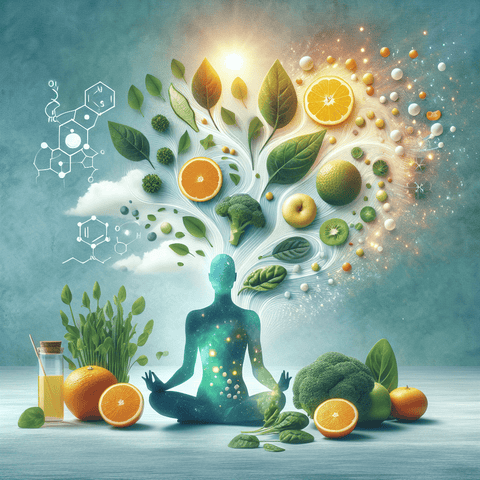
Vitamin C may support stress resilience through its antioxidant properties, immune support, and role in adrenal function. Research suggests Vitamin C supplementation can help protect cells from oxidative stress, support immune health during emotional or physical stress, and potentially contribute to cortisol reduction, although more clinical evidence is needed. As a nutritional supplement, Vitamin C may complement stress relief supplements such as magnesium, omega-3s, and B vitamins. Food sources remain valuable, while Vitamin C capsules, powders, and liposomal formulas offer convenient intake. Combined with sleep, exercise, mindfulness, hydration, and balanced nutrition, Vitamin C can contribute to natural stress management and overall wellness.