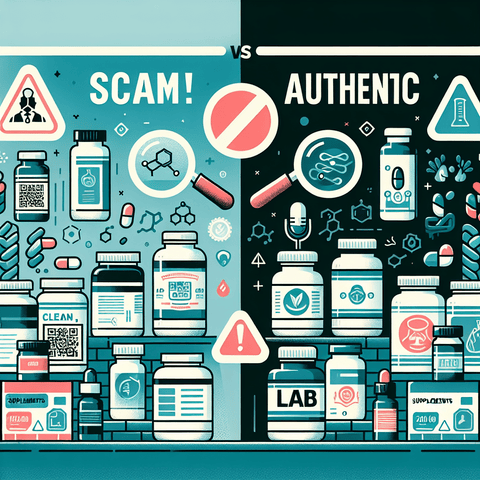
Counterfeit health products, including fake supplements and imitation medicines, are a growing concern for consumers worldwide. These products may contain little or none of the labeled ingredients, undisclosed substances, or even contaminants. This article explains what counterfeit health products are, why they pose real health risks, how to spot fakes through packaging, pricing, and product appearance, where they are most commonly sold, and what to do if you suspect you have bought one. It also covers how to choose authentic, quality-tested supplements so you can make safer, better-informed decisions for your health.
What Are Counterfeit Health Products? Definition and Common Types
Counterfeit health products are products deliberately misrepresented to imitate a legitimate brand or product. They may copy the packaging, logo, and label design of a genuine supplement or medicine while containing something entirely different inside. In many cases, the buyer has no way of knowing the difference until the product fails to work — or causes harm.
How counterfeit supplements differ from contaminated or substandard products
Although often grouped together, these are distinct problems. Counterfeit products intentionally imitate a real brand, usually to profit from its reputation. Substandard products are genuine but poorly manufactured, containing less of the active ingredient than stated or failing quality standards. Contaminated products may be genuine but contain harmful impurities such as heavy metals, bacteria, or undeclared pharmaceutical substances. All three can be dangerous, but counterfeits carry an added layer of deception because the label itself is false.
Which products are most commonly counterfeited
Counterfeiters tend to target high-demand, high-margin products. These include popular weight-loss supplements, sports and muscle-building products, sexual enhancement products, well-known multivitamin brands, premium herbal extracts, and medicines used for chronic conditions. Products that are expensive, in short supply, or heavily advertised are especially attractive targets.
Why Counterfeit Health Products Are a Growing Threat to Your Health
Counterfeiting has expanded rapidly alongside online commerce. Global supply chains, third-party sellers, and anonymous marketplaces make it easier than ever for fake products to reach consumers — and harder for regulators to intercept them.
What counterfeit products may contain instead of the labeled ingredients
Analysis of seized counterfeit supplements and medicines has found a wide range of undisclosed contents. Some contain only cheap fillers such as starch or chalk. Others contain incorrect doses, wrong ingredients entirely, or undeclared pharmaceutical compounds. In weight-loss and sports products, investigators have repeatedly found banned stimulants and prescription drugs that were never listed on the label.
Real-world health risks linked to fake supplements and medicines
The consequences can be serious. Undeclared active pharmaceutical ingredients can cause dangerous side effects, interact with medications, or place unexpected strain on the heart and liver. Fake medicines used for chronic conditions may fail to treat the underlying problem, leading to disease progression. Even counterfeit vitamins that simply contain nothing can cause harm indirectly — by delaying proper care or giving false reassurance about nutritional status.
Warning Signs of Counterfeit Health Products: How to Spot a Fake
Packaging red flags: labels, seals, batch numbers, and expiration dates
Examine packaging carefully before using any product. Warning signs include:
- Blurry printing, spelling errors, or inconsistent fonts
- Missing batch or lot numbers, or expiration dates that are absent, smudged, or look reprinted
- Poorly fitting seals, broken tamper-evident bands, or packaging that looks different from previous purchases
- Labels missing manufacturer contact details or a physical address
Price and seller warnings: deals that are too good to be true
A steep discount on a premium product is one of the most reliable warning signs. Counterfeiters rely on attractive pricing to move stock quickly. Be cautious with unknown sellers, newly created online shops, and listings with limited sales history or generic reviews.
Pill and product appearance: color, smell, texture, and consistency
Compare the product against previous purchases or the manufacturer's official product images. Unusual color, a strange odor, crumbling tablets, capsules that stick together, or a noticeably different texture can all indicate a fake or degraded product.
How to verify a product using batch numbers and manufacturer websites
Many reputable manufacturers offer batch verification tools on their websites, allowing you to enter a lot number to confirm authenticity and expiration. Some brands also use QR codes or security seals. If a manufacturer offers no verification system at all, that itself is a factor worth weighing when choosing between products.
Where Counterfeit Health Products Are Sold
Online marketplaces and third-party sellers
Large marketplaces host thousands of independent sellers, and even well-known platforms have struggled to keep counterfeit supplements and medicines out of their listings. Products from different sellers can be stored under one listing, making it difficult to know who actually supplied your order.
Social media ads and unverified websites
Social media platforms are a major channel for counterfeit sellers, using sponsored posts, influencer endorsements, and urgency-driven offers. Websites with no physical address, no customer service contact, and prices far below market value warrant particular skepticism.
Why buying from authorized retailers lowers your risk
Authorized retailers and pharmacies source directly from manufacturers or approved distributors, with controlled storage and traceable supply chains. When you buy quality-tested supplements from an authorized retailer, the risk of receiving a counterfeit is dramatically lower than when buying from an anonymous third-party seller.
Why People Buy Counterfeit Health Products: Risk Factors and Common Scenarios
The role of pricing, demand, and scarcity
Counterfeits thrive where demand is high and supply is constrained. When a popular product is out of stock or available only at a high price, consumers are more likely to turn to cheaper alternatives — exactly what counterfeiters are counting on.
How misleading marketing and fake reviews contribute
Fabricated reviews, exaggerated before-and-after claims, and fake endorsements lower consumers' guard. Marketing that promises rapid results — quick weight loss, dramatic energy gains, instant cures — should always raise questions about product authenticity and legitimacy.
How Counterfeit Supplements Can Affect Your Health and Wellbeing
Missing nutrients: when a fake supplement simply does nothing
A counterfeit vitamin with no active ingredients is, at best, a waste of money. Someone relying on a supplement to address a genuine nutritional gap — such as vitamin D in winter months, where dietary intake and sun exposure are both low — may develop or worsen an insufficiency without realizing it.
Harmful or undisclosed ingredients: from fillers to banned substances
More concerning are fakes containing undeclared stimulants, hormones, prescription drugs, or contaminants such as heavy metals. These can cause acute symptoms such as palpitations, insomnia, or gastrointestinal distress, and in some cases more serious harm to the liver, kidneys, or cardiovascular system.
Delayed care: the hidden risk of relying on products that don't work
Perhaps the most underappreciated risk is delayed diagnosis and treatment. If someone substitutes a fake product for appropriate medical care or a properly formulated supplement, the underlying issue — whether a nutrient insufficiency or a medical condition — may progress unnoticed.
Diet and Lifestyle Habits That Reduce Your Dependence on Risky Products
Getting nutrients from food first
A varied, balanced diet remains the best foundation for nutritional status. Leafy greens, legumes, whole grains, nuts, seeds, fish, eggs, dairy, and colorful fruits and vegetables collectively supply most vitamins and minerals in forms the body handles well. Food also provides fiber and phytonutrients that no supplement can replicate. When diet is sufficient, there is simply less need to seek out — and less risk of falling for — questionable products.
Everyday habits that support health without unverified products
Adequate sleep, regular physical activity, sensible sun exposure for vitamin D, limited alcohol intake, and not smoking all support health without any purchase required. These basics also reduce susceptibility to marketing that sells quick fixes.
Where Legitimate Supplements Fit: Nutritional Support vs. Fake Products
What quality supplements can and cannot do
Legitimate supplements can help fill specific nutritional gaps when dietary intake is insufficient. They cannot replace a balanced diet, and they cannot treat or cure disease. Regulatory frameworks such as the EU's health-claim rules are deliberately strict: supplements may support normal physiological functions, but they are not medicines.
Circumstances where supplementation may be worth considering
Certain situations may make supplementation relevant — for example, limited sun exposure for vitamin D, restrictive diets that limit certain nutrients, increased requirements during pregnancy, reduced absorption with age or gastrointestinal conditions, or medically advised use. In many of these cases, a blood test and professional guidance are more reliable than guessing, since symptoms alone rarely confirm a nutrient's status.
How to Choose Safe, Authentic Supplements
Third-party testing and certifications to look for (USP, NSF, Informed Choice)
Independent certification programs such as USP Verified, NSF Certified for Sport, and Informed Choice test products for identity, potency, and contaminants. These marks don't guarantee a product is right for you, but they significantly increase confidence that the bottle contains what the label says — which is precisely what counterfeits undermine.
Ingredient forms, dosages, and bioavailability
Nutrients come in different chemical forms, and these can differ meaningfully in absorption and tolerability. Magnesium, for instance, is available as oxide, citrate, and glycinate, with varying bioavailability. Research comparing many forms remains limited, so avoid products claiming one form is universally superior. Match the dosage to your actual need rather than assuming higher is better.
Combination products vs. single ingredients
Combination formulas are convenient but make it harder to adjust individual doses and increase the chance of unnecessary nutrients or interactions. Single-ingredient products allow more precise control, which matters if you take medications or monitor specific nutrient intake.
Added ingredients, allergens, and dietary preferences
Check for allergens such as gluten, soy, dairy, or gelatin, and for fillers, colors, or sweeteners you may not want. Vegan, vegetarian, and allergen-free labeling should be verified against the full ingredients list.
Capsules, tablets, powders, and liquids: does format matter?
Format affects convenience, stability, and sometimes tolerability, but not necessarily efficacy. Powders and liquids may suit people who have difficulty swallowing tablets; capsules often protect sensitive ingredients such as certain omega-3 oils. Choose the format you will take consistently at the correct dose.
How to Read a Supplement Label Like an Expert
Serving size, dosage, and active ingredients
Start with the serving size — a bottle may contain 100 capsules but only provide 25 servings. Compare the amount of each active nutrient per serving with recognized reference intakes, and note whether amounts are close to or far above recommended levels.
What the "Supplement Facts" panel and other ingredients list reveal
The Supplement Facts panel lists active nutrients with amounts; the "other ingredients" list reveals fillers, binders, and coatings. A long list of proprietary blends without disclosed amounts is a transparency red flag, as is any ingredient you cannot verify.
Contact information, lot numbers, and quality indicators
A legitimate product includes a lot number, expiration date, manufacturer name, and contact details. These support traceability and verification — features counterfeiters often omit or falsify.
Who Should Be Especially Careful About Counterfeit Health Products
People managing chronic conditions or taking medications
Undeclared ingredients in fake products can interact with prescription medicines — for example, altering blood-thinning effects or blood pressure. If you take regular medication, any supplement, genuine or not, deserves a conversation with your doctor or pharmacist.
Pregnant women, older adults, and other higher-risk groups
Pregnancy changes nutritional needs and safety thresholds for many nutrients, and some substances are unsafe during pregnancy at any dose. Older adults may have altered absorption, kidney or liver function, and multiple medications — all of which heighten sensitivity to unknown ingredients.
Safety, Interactions, and When to Talk to a Professional
Medication interactions and unknown ingredients in fake products
Because you cannot know what a counterfeit actually contains, you cannot assess interactions. This unknown is itself the hazard: even a product labeled as a simple vitamin may carry an undeclared pharmacologically active substance.
When to seek medical advice after using a suspect product
Stop using the product and seek medical advice if you experience unusual symptoms after starting it — palpitations, dizziness, jaundice, dark urine, severe digestive upset, or any unexplained new symptom. Bring the product packaging with you, as it can help professionals assess possible causes.
What to Do If You've Bought a Counterfeit Health Product
How to report fake supplements and medications
In the EU, report suspect products to your national medicines authority or food safety authority. In the US, use the FDA's MedWatch system and the FTC for misleading marketing. Online marketplaces also have reporting mechanisms — report the seller so others are protected.
Steps to take to protect your health and your money
- Stop using the product immediately
- Keep the packaging, receipt, and order confirmation as evidence
- Contact the legitimate manufacturer — many brands help identify fakes and may assist with refunds
- Request a refund through the seller or payment provider
- Monitor your health and consult a professional if symptoms develop
Checklist: How to Protect Yourself from Counterfeit Health Products
- Buy from authorized retailers, pharmacies, or the manufacturer's official store
- Be skeptical of prices significantly below the market rate
- Check packaging for lot numbers, expiration dates, seals, and contact details
- Verify batch numbers on the manufacturer's website where possible
- Compare product appearance with previous purchases or official images
- Avoid products sold through spam messages, urgent social media offers, or anonymous sellers
- Look for third-party certification marks such as USP, NSF, or Informed Choice
- Read the full label, including "other ingredients," before use
- Report suspected fakes to the relevant authority and the marketplace
Key Takeaways
- Counterfeit health products imitate legitimate brands while containing little, none, or entirely different ingredients than labeled.
- They differ from substandard and contaminated products, but all three can pose health risks.
- Common red flags include suspiciously low prices, missing lot numbers, poor packaging quality, and unknown sellers.
- Third-party certifications such as USP, NSF, and Informed Choice raise confidence in product authenticity and quality.
- Online marketplaces and social media are the main channels where counterfeit supplements circulate.
- Fake products can harm through undisclosed drugs, contaminants, missing nutrients, or delayed proper care.
- A varied diet and healthy lifestyle reduce the need for supplements and lower exposure to risky products.
- Supplementation may be relevant in specific circumstances, but testing and professional advice beat guessing.
- If you suspect a counterfeit, stop using it, keep the evidence, and report it to the authorities.
Frequently Asked Questions
Can counterfeit supplements make you sick?
Yes. Depending on what the counterfeit contains, it may cause side effects ranging from mild digestive upset to serious reactions, especially if it contains undeclared stimulants, prescription drugs, or contaminants. Even a "harmless" fake can cause indirect harm by leaving a real nutritional gap unaddressed.
Is it safe to buy vitamins on Amazon or other online marketplaces?
It can be, but risk varies by seller. Prefer listings sold and shipped by the brand itself or an authorized retailer, check seller history and reviews, and verify batch numbers with the manufacturer. Avoid marketplace listings with unusually low prices or anonymous third-party sellers.
How can I check if my supplement is genuine?
Use the manufacturer's batch or lot verification tool if one is available, compare packaging and appearance against official product images, and confirm the seller's authorization on the brand's website. If anything looks inconsistent — seals, print quality, expiration date — contact the manufacturer before using the product.
Are cheap vitamins always fake?
No. Lower-priced products from reputable manufacturers can be legitimate; some brands simply operate with lower margins. The concern is not price alone, but a large discount on a specific branded product sold by an unknown seller — that combination warrants caution.
What is the difference between a counterfeit and a substandard supplement?
A counterfeit deliberately imitates a real brand with a false label, while a substandard product is genuine but contains less active ingredient than declared or fails manufacturing quality standards. Both are problematic, but counterfeits add deliberate deception to quality failures.
Do counterfeit supplements get found in tests?
Yes. Analytical testing by regulators and independent laboratories has repeatedly identified fakes containing wrong ingredients, incorrect doses, undeclared pharmaceuticals, or heavy metals. Consumers cannot run such tests themselves, which is why sourcing and certification matter so much.
Which supplement certifications are most trustworthy?
USP Verified, NSF certification, and Informed Choice/Informed Sport are widely recognized third-party programs that test for identity, potency, and contaminants. They are not guarantees of suitability, but they meaningfully raise confidence in what the bottle actually contains.
Can fake weight-loss supplements be dangerous?
Yes, they are among the most commonly counterfeited and most hazardous categories. Analyses of seized products have found undeclared prescription drugs and banned stimulants that can affect the heart and nervous system. Extreme weight-loss claims should always prompt skepticism.
Should I report a suspected fake even if I feel fine?
Yes. Reporting helps regulators track counterfeit networks and protects other consumers. Authorities such as the FDA or your national medicines regulator typically have simple online reporting forms, and marketplaces can remove offending sellers.
Can I get all the nutrients I need without supplements?
Many people can meet their needs through a varied, balanced diet. However, factors such as age, pregnancy, restrictive diets, limited sun exposure, and certain medical conditions can make specific supplements relevant — ideally based on assessment rather than guesswork.
How long does it take to notice if a supplement is working?
It depends on the nutrient and your starting status: correcting a genuine deficiency may take weeks to months, while effects of adequate intake on someone already sufficient may be subtle or imperceptible. If a product promises instant results, that itself is a red flag for a fake or exaggerated claim.
Are herbal supplements counterfeited too?
Yes. Popular herbal products such as turmeric, ashwagandha, and other botanicals are frequent targets. Testing has found products diluted, substituted with cheaper plants, or adulterated with undisclosed substances, which is why herbal supplements with verified sourcing are generally the safer choice.
Conclusion: Making Informed, Safe Choices for Your Health
Counterfeit health products are a genuine risk, but one you can substantially reduce with informed habits: buy from authorized sources, scrutinize packaging and pricing, verify authenticity where possible, and favor products with third-party testing. Remember that nutritional needs differ from person to person — a varied diet covers most people's needs, while supplementation makes sense in specific circumstances where intake or absorption falls short. When in doubt, professional assessment is a better guide than any bottle, and choosing quality you can verify is always the safer investment in your health.
Related Keywords
- counterfeit health products
- fake supplements
- counterfeit medicines
- how to spot fake vitamins
- supplement safety
- third-party tested supplements
- USP verified supplements
- buying supplements online safely
- supplement label reading
- fake weight-loss pills
- supplement quality and authenticity
- supplement interactions and safety
- nutrient deficiency and supplementation
- authorized supplement retailers