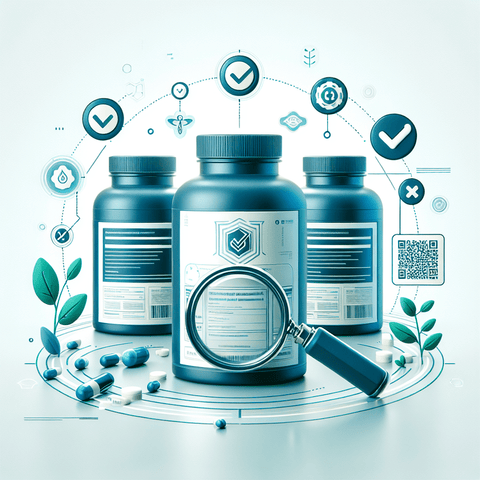
Counterfeit Nutritional Products: How to Spot Fakes & Stay Safe


Counterfeit Nutritional Products: A Significant Health Concern

Counterfeit nutritional products are imitation supplements designed to deceive consumers, often containing harmful substances or lacking the claimed ingredients. These products can pose serious health risks, including contamination and mislabeling, which may lead to severe health issues or adverse reactions. For instance, counterfeit vitamin D or magnesium supplements may not only be ineffective but also harmful, causing nutrient imbalances in the body.

Identifying Counterfeit Products

To safeguard health, consumers must learn to identify counterfeit nutritional products. Key indicators include poor packaging quality, inconsistent labeling, and missing batch numbers. Additionally, authentic supplements typically undergo rigorous testing, ensuring safety and efficacy.

Health Implications and Consumer Vigilance

The immediate and long-term health risks associated with counterfeit supplements necessitate heightened consumer vigilance. Symptoms like gastrointestinal upset, headaches, and dizziness could signal counterfeit exposure, yet they may also stem from other health issues. Therefore, seeking professional advice is essential for anyone experiencing unusual symptoms or considering supplementation.

Choosing Quality Supplements

Consumers can protect themselves by sourcing reputable brands and checking for certification markers. For example, exploring products like multivitamins or vitamin D from trusted retailers can help ensure authenticity.

In essence, understanding the risks of counterfeit nutritional products and how to identify them is crucial for maintaining health and well-being.


How to Spot Fake Supplements and Ensure Their Safety in Your Health Journey - Topvitamine
Aug 31, 2025
Learn essential tips to identify counterfeit supplements and ensure their safety, so you can confidently support your health journey with genuine, high-quality products.

Counterfeit nutritional products pose a significant risk to consumers seeking to improve their health and wellness through supplements. As an informed reader, this article will equip you with essential knowledge on how to identify fake products, mitigate risks, and understand the importance of reliable sources. From recognizing misleading labels to understanding the implications of consuming counterfeit supplements, we will delve into why this topic is critical for your health and well-being, especially when purchasing nutritional products.

Core explanation: what counterfeit nutritional products are

Definitions and common forms

Counterfeit nutritional products refer to supplements that are intentionally designed to imitate legitimate products but are often of inferior quality or contain harmful substances. Common forms include:

  • Fake labels: These products may use graphics and text similar to recognized brands, misleading consumers about their authenticity.
  • Adulteration: This involves the intentional addition of harmful or non-listed substances to enhance effects or reduce costs.
  • Mislabeling: The ingredients indicated on the packaging may not accurately represent what is inside the product.
  • Diluted or contaminated ingredients: Genuine ingredients may be replaced with cheaper alternatives, and the products may be tainted with harmful substances.

How counterfeit products differ from legitimate nutritional supplements

Identifying counterfeit products involves careful examination of various factors:

  • Packaging cues: Legitimate products usually have high-quality packaging, while counterfeit items may have poor print quality and inconsistencies.
  • Ingredient lists: Authentic supplements provide detailed ingredient breakdowns, including the source and active components.
  • Lot numbers: Legitimate manufacturers use batch numbers for traceability, which may be missing from counterfeit products.

Examples by category

Counterfeit products can emerge in various supplement categories, including:

  • Vitamins: Fake vitamin D supplements may not provide any benefit and can potentially cause harm.
  • Minerals: Counterfeit magnesium supplements can lead to imbalances in body function.
  • Herbal blends: Imitative herbal products might lack efficacy and have unknown contaminants.
  • Specialty supplements: Products claiming extraordinary benefits may not be what they purport to be.

Why this topic matters: health, safety, and consumer trust

Immediate and long-term health risks

The consumption of counterfeit nutritional products can lead to various health issues, including:

  • Mislabeling: Taking a product that does not contain the expected active ingredient.
  • Contamination: Harmful substances that can induce illness or allergic reactions.
  • Overdoses: Consuming excessive amounts of certain nutrients, leading to toxicity.
  • Interactions: Undetected interactions with medications or other supplements.

Recalls, regulatory actions, and the impact on trust in the market

Counterfeit nutritional products have led to several recalls and regulatory actions by health authorities worldwide. These incidents erode consumer trust and highlight the need for vigilance when purchasing supplements.

Economic and personal costs of purchasing counterfeit products

Buying counterfeit supplements can result not only in health risks but also significant financial losses. The economic burden includes wasted money on ineffective products and potential medical costs to address health complications.

Related symptoms, signals, or health implications

Symptoms that may accompany counterfeit exposure

Exposure to counterfeit products can manifest in various symptoms, such as:

  • Gastrointestinal upset
  • Headaches
  • Dizziness
  • Skin reactions
  • Unusual fatigue

Signals from the product itself

Consumers should be wary of:

  • Packaging anomalies or strange textures
  • Missing or inconsistent labeling information
  • Unusual batch or lot codes that create confusion

Potential health implications by nutrient type

Counterfeit products may create toxicological issues, such as fat-soluble vitamin excess leading to toxicity or mineral imbalances causing metabolic disturbance. For instance, counterfeit magnesium could contribute to muscle cramps or irregular heart rhythms.

Individual variability and uncertainty

How genetics, metabolism, and gut microbiome influence supplement response

Individual sensitivity to nutritional supplements can vary widely due to genetic factors, metabolic rates, and the unique composition of the gut microbiome. These variabilities affect how one absorbs and utilizes nutrients.

Interactions with medications and existing medical conditions

Certain supplements may interact adversely with prescription medications or exacerbate underlying health conditions. Therefore, understanding personal health history is crucial when considering supplementation.

The role of age, pregnancy, lactation, and chronic disease in safety and efficacy

Factors such as age and physiological states—like pregnancy or lactation—significantly influence nutrient needs and metabolic responses, necessitating careful consideration when choosing supplements.

Why symptoms alone do not reveal root cause

The multi-factorial nature of health symptoms

Health symptoms are rarely attributable to a single cause. They could stem from a combination of dietary habits, medication side effects, lifestyle factors, stress, or underlying illnesses.

Limitations of self-diagnosis

While consumers may notice certain symptoms, these can imitate various health issues, making it challenging to ascertain counterfeit exposure without professional assessment.

The placebo/nocebo effect and perception-driven symptom reporting

Cognitive biases such as the placebo effect (where perceived benefit is seen from an inactive substance) and the nocebo effect (where negative anticipation leads to adverse symptoms) can further complicate symptom attribution.

The role of nutritional supplements in this topic

When supplements might be necessary

Nutritional supplements may be beneficial when individuals face nutrient gaps due to limited dietary options, increased physiological needs, or deficiencies confirmed by health evaluations.

Evidence levels and uncertainties around supplement efficacy and safety

The efficacy and safety of supplements can vary widely, reinforcing the importance of conducting thorough research and consulting healthcare providers before starting any regimen.

Selecting quality supplements

Choosing high-quality products is crucial. Look for third-party testing, certifications, and reputable brands to ensure that you are purchasing safe and effective supplements.

How nutritional supplements could support safety

Safer-sourcing practices and verification steps

To minimize the risk of counterfeit products, consumers should adopt safer-sourcing practices, including verifying product authenticity through batch codes or online resources.

Using supplements to address genuine nutrient gaps

While supplements can be beneficial, avoiding unnecessary exposure to counterfeit products is essential. Monitored and documented usage patterns can help discern positive reactions from adverse effects.

Monitoring and documentation

Consumers are advised to track brands, batch numbers, and any reactions experienced. This documentation can be invaluable in identifying counterfeit products and discussing concerns with healthcare providers.

Decision-support section: when nutritional supplements make sense

Red flags that trigger professional guidance

Seek professional advice when encountering persistent symptoms, unexpected changes in a product's appearance or formulation, or when experiencing improbable effects after use.

A practical decision framework

A structured approach includes assessing dietary habits, checking for deficiency risks with a healthcare clinician, and considering alternative therapies that are evidence-based and reliable.

Authenticity verification steps for purchases

To ensure product safety, verify batch codes, utilize QR verification, and purchase from trustworthy retailers to mitigate the chance of counterfeit products.

Practical steps to protect yourself and maximize safety

Label literacy and certification indicators

Consumers should familiarize themselves with label literacy, including certification indicators such as GMP, USP, NSF, IFOS, or Informed-Sport, which signal a commitment to quality standards.

Purchasing wisely

Avoid gray-market sources, ensure that the distributor is official, and be aware of cross-border risks when buying supplements online.

Storage, shelf life, allergen labeling, and handling to preserve product integrity

Understanding how to store supplements correctly, keeping track of shelf life, and labeling for allergens is critical for maintaining product safety and efficacy.

Conclusion: connecting the topic to buying nutritional supplements on Topvitamine

Recap of counterfeit risks, signs, and the decision framework

Recognizing the risks associated with counterfeit nutritional products, understanding how to identify them, and utilizing a thoughtful decision framework are key steps in protecting yourself.

Why Topvitamine is positioned as a safer source

Topvitamine prioritizes consumer safety through rigorous sourcing and verification practices, providing a curated inventory designed for transparency and trust.

How to shop on Topvitamine

When shopping, filter by certifications, read product pages thoroughly, and leverage user reviews for insights on product authenticity.

Final call to action

Make informed choices by prioritizing product authenticity and safety when considering nutritional supplements, ensuring a path towards better health.

Key Takeaways

  • Counterfeit nutritional products pose significant health risks.
  • Identifying counterfeit products involves checking labels, lot numbers, and packaging quality.
  • Health risks linked to counterfeit products include contamination and mislabeling.
  • Individual variability affects supplement responses; consider personal health factors.
  • Symptoms may not always indicate counterfeit product exposure.
  • Nutritional supplements can benefit those with genuine nutrient gaps.
  • Engaging in safer-sourcing practices reduces the likelihood of counterfeit purchases.
  • Consulting healthcare professionals is crucial when symptoms arise or changes occur.
  • Validate products through thorough research and utilizing trustworthy sources.
  • Proper storage and handling ensure the integrity of nutritional supplements.

Q&A Section

1. What are counterfeit nutritional products?

Counterfeit nutritional products are imitation supplements that often contain harmful substances or do not contain the ingredients they claim to have. They can pose serious health risks to consumers.

2. How can I identify a counterfeit product?

Check for inconsistent labeling, poor packaging quality, missing batch numbers, and dubious ingredient lists. Additionally, look for products that lack third-party testing certifications.

3. What health risks are associated with counterfeit supplements?

Risks include toxicity from unknown ingredients, overdose from unregulated dosages, and interactions with prescribed medications, potentially leading to severe health issues.

4. Are symptoms indicative of counterfeit exposure?

Symptoms such as nausea, headaches, and dizziness can occur due to counterfeit product exposure, but they may also arise from various other causes, making diagnosis challenging without professional evaluation.

5. Who should consider taking nutritional supplements?

Individuals with nutrient deficiencies, increasing physiological needs, or dietary limitations may benefit from taking nutritional supplements. It’s essential to consult with a healthcare provider for personalized advice.

6. Why is it important to verify product authenticity?

Verifying authenticity helps safeguard your health, ensuring that you are consuming safe and effective nutritional supplements, avoiding harmful counterfeit products.

7. What steps can I take to safeguard my health when purchasing supplements?

Research supplements thoroughly, check for certification marks, avoid gray-market purchases, and maintain documentation of supplement intake and experiences.

8. Can counterfeit supplements impact my existing health conditions?

Yes, counterfeit supplements may exacerbate existing conditions or interact negatively with medications, making it crucial to approach supplementation cautiously.

9. What resources are available for verifying supplement quality?

Look for third-party testing organizations, certification marks on labels, and consumer reviews to gauge product quality and manufacturer reliability.

10. How do I know if I need a specific nutrient?

Consult a healthcare provider to assess your nutrient levels through testing and determine if there is a need for supplementation based on your individual health status and dietary habits.

11. Is there a way to track the safety of the supplements I take?

Maintain a personal record of the brands, lot numbers, and any reactions experienced from supplements consumed. This documentation can aid in identifying potential counterfeit products.

12. How does Topvitamine ensure the safety of its products?

Topvitamine curates its inventory by prioritizing quality over quantity, utilizing verified sourcing practices, and ensuring transparency in product formulations.

Keywords

counterfeit nutritional products, nutritional supplements, health risks, product authenticity, dietary needs, safety assurance, verification practices, consumer trust, supplementation benefits, health implications.