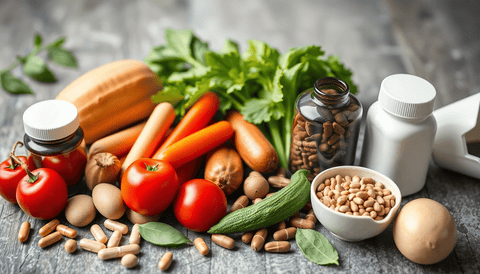
Cruelty-free nutrition refers to an approach to eating that seeks to minimize harm to animals while still meeting the body's full nutritional needs. For many people, this means following a fully plant-based or vegan diet; for others, it simply means making more conscious food choices that reduce reliance on animal products. Because eliminating or limiting animal foods changes which nutrients are readily available, understanding how to build a nutritionally complete cruelty-free diet is essential. This article explains what cruelty-free nutrition means, which nutrients deserve extra attention, how to build balanced plant-based meals, and when supplements may reasonably support a plant-powered lifestyle.
What Does "Cruelty-Free Nutrition" Actually Mean?
Cruelty-free nutrition is an umbrella term for dietary patterns designed to avoid contributing to animal suffering. In practice, it usually involves choosing plant-derived foods and, where animal-derived ingredients are unavoidable for someone's standards, prioritizing products from sources with higher welfare certifications. Importantly, cruelty-free eating is not only about what is excluded; it is about constructing a diet that is ethically aligned and nutritionally adequate at the same time.
The Difference Between Vegan, Plant-Based, and Cruelty-Free Diets
These terms overlap but are not identical. A vegan diet excludes all animal products, including meat, dairy, eggs, and usually honey. A plant-based diet emphasizes plant foods but may include small amounts of animal products; some people use it purely as a health framing rather than an ethical one. A cruelty-free diet centers the ethical dimension: minimizing animal harm, which typically leads toward vegan eating but can also involve selective choices, such as eggs from certified high-welfare sources for those who include them.
Does Cruelty-Free Nutrition Only Refer to Food?
No. The term extends to the entire supply chain of what you consume. Many people who eat cruelty-free also consider supplements, since capsules can contain gelatin, vitamin D3 is often derived from lanolin (sheep's wool), and omega-3 supplements frequently come from fish oil. Cosmetics, clothing, and household products are other common extensions of the cruelty-free principle, though this article focuses on the nutritional dimension.
Why Is Cruelty-Free Nutrition Growing in Popularity?
Ethical and Environmental Motivations Behind Plant-Powered Eating
Surveys consistently show that ethical concerns about animal welfare are among the leading reasons people reduce or eliminate animal products. Environmental considerations reinforce this: plant-forward diets are generally associated with lower greenhouse gas emissions, land use, and water consumption than diets high in animal products, particularly red meat. These motivations often work together rather than in isolation.
The Intersection of Animal Welfare and Personal Health Goals
Many people arrive at cruelty-free eating through health motivations and stay for ethical ones, or vice versa. Well-constructed plant-based diets tend to be rich in fiber, potassium, folate, antioxidants, and unsaturated fats while lower in saturated fat, a profile associated in observational research with favorable cardiovascular and metabolic outcomes. Aligning ethical values with health goals can also make the dietary pattern more sustainable long term.
How Does a Cruelty-Free Diet Impact Nutritional Status?
Key Nutrients to Consider When Eliminating Animal Products
Animal products are efficient sources of several nutrients that are scarcer or less bioavailable in plant foods. The nutrients most commonly requiring attention on a fully plant-based diet include vitamin B12, vitamin D, omega-3 fatty acids (particularly EPA and DHA), iron, zinc, iodine, calcium, and in some cases selenium and protein quality. None of these are impossible to obtain from plants or supplements, but each requires deliberate planning.
The Role of Plant-Based Diets in Supporting Long-Term Wellness
Position papers from major dietetic organizations state that appropriately planned vegan and vegetarian diets can support nutritional adequacy at all life stages. The emphasis is on "appropriately planned": diets built around whole grains, legumes, vegetables, fruits, nuts, and seeds tend to perform better nutritionally than those relying heavily on processed vegan substitutes.
What the Evidence Says About Plant-Forward Dietary Patterns
Most evidence on plant-based eating comes from observational studies, which show associations, not proven causation. Vegetarian and vegan dietary patterns have been associated with lower body weight, lower LDL cholesterol, and reduced risk of cardiovascular disease in large cohort studies. However, poorly planned plant-based diets can be low in key nutrients, and some studies have found higher fracture risk in vegans, possibly related to calcium and protein intake. The quality of the diet matters more than the label.
Which Foods Naturally Fit a Cruelty-Free Lifestyle?
The Best Fully Plant-Based Sources of Protein
Protein needs are easily met on a plant-based diet when energy intake is adequate and variety is good. Strong sources include:
- Legumes: lentils, chickpeas, black beans, soybeans, and edamame
- Soy foods: tofu, tempeh, and soy milk (tempeh also provides beneficial fermentation products)
- Pseudograins: quinoa and buckwheat, which contain all essential amino acids
- Nuts and seeds: peanuts, hemp seeds, pumpkin seeds, and chia seeds
- Seitan: wheat gluten, very protein-dense but unsuitable for people with celiac disease
Where to Get Iron, Calcium, and Omega-3s Without Animal Products
Iron: lentils, tofu, pumpkin seeds, fortified cereals, and dark leafy greens. Pairing these with vitamin C-rich foods (citrus, peppers, tomatoes) substantially improves absorption of non-heme plant iron.
Calcium: calcium-set tofu, fortified plant milks, kale, bok choy, almonds, tahini, and fortified juices.
Omega-3s: ground flaxseed, chia seeds, and walnuts provide ALA, a precursor omega-3. However, the conversion of ALA to EPA and especially DHA in the body is inefficient, which is why algae-based EPA/DHA supplements are often considered by plant-based eaters.
Practical Ways to Build Balanced Cruelty-Free Meals
A useful template is: a legume or soy food for protein, a whole grain for energy and minerals, colorful vegetables for vitamins and antioxidants, a source of healthy fat (nuts, seeds, avocado, or olive oil), and a calcium source. Rotating foods across the week helps cover a broader nutrient spectrum than relying on a narrow set of favorites.
Which Plant-Based Foods Pose the Greatest Nutritional Challenges?
Understanding Absorption Differences Between Plant and Animal Nutrients
Several nutrients exist in different chemical forms in plants versus animal foods, and the plant forms are often less bioavailable. Plant iron is non-heme iron, absorbed at rates influenced by phytates and polyphenols; animal foods provide heme iron, which is absorbed more efficiently. Zinc from grains and legumes is partly bound by phytates. Plant foods contain no meaningful vitamin B12 unless fortified, and ALA converts poorly to DHA. These absorption realities, not the absence of the nutrients, are the main reason plant-based eaters sometimes fall short.
Practical strategies include soaking and sprouting legumes and grains to reduce phytates, fermenting foods, using cast-iron cookware, and separating tea and coffee from iron-rich meals, since tannins inhibit iron absorption.
Nutrients Like B12, Vitamin D, and Iodine: Why They Require Extra Attention
Vitamin B12 is produced by bacteria and is not reliably present in any unfortified plant food. Untreated, low B12 over time can contribute to nerve damage and anemia, making this the single most important nutrient for anyone avoiding animal products.
Vitamin D depends mainly on sun exposure; dietary sources are limited and mostly animal-derived or fortified. People with limited sun exposure, darker skin, or northern latitudes are at higher risk of insufficiency regardless of diet.
Iodine intake depends heavily on iodized salt, seaweed, and dairy in many countries. Plant-based eaters who use non-iodized specialty salts and avoid seaweed may have low intake, while heavy seaweed consumption can deliver excessive iodine.
Why Do Nutrient Needs Vary for People Following a Cruelty-Free Diet?
How Age, Activity Level, and Health Status Influence Requirements
Needs are not uniform. Women of reproductive age have higher iron requirements due to menstrual losses. Athletes may need somewhat more protein and iron. During pregnancy and breastfeeding, requirements for B12, iodine, iron, and choline rise, and supplementation decisions should involve a healthcare provider. Older adults often have reduced B12 absorption due to lower stomach acid, independent of diet. Gastrointestinal conditions such as celiac or inflammatory bowel disease can impair absorption of multiple nutrients.
The Impact of Dietary Restriction and Processing on Nutrient Intake
Highly processed vegan convenience foods are often low in the very nutrients of concern and high in sodium and refined oils. Additionally, restrictive eating patterns — whether from allergies, limited budgets, or narrow food preferences — compound the risk of gaps. The more restricted the diet, the more deliberate the nutrient planning needs to be.
Which Supplements Are Commonly Relevant for Cruelty-Free Eaters?
Plant-Based Vitamin B12: Why It Is Non-Negotiable
Major dietetic organizations recommend that anyone following a vegan diet obtain B12 reliably from fortified foods or supplements. Supplemental B12 is typically cyanocobalamin or methylcobalamin; both can be effective, and high-dose options taken a few times per week are a common approach. Consistency matters more than the specific brand. For more on B vitamins generally, see this overview of vitamin B sources and safety.
Vegan-Friendly Vitamin D3 and Omega-3 Supplements
Traditional vitamin D3 is derived from lanolin, but lichen-derived vegan D3 is widely available and appears comparably effective at raising blood levels. On the omega-3 front, algae oil provides preformed EPA and DHA without fish, making it the logical cruelty-free choice for those wanting direct sources of these long-chain fats rather than relying on ALA conversion. Learn more in this guide to DHA and EPA omega-3 supplements, or review vitamin D benefits and sources.
Iron, Zinc, and Iodine: When Plant-Based Sources May Not Be Enough
Iron supplements are not automatically necessary for plant-based eaters; many maintain adequate status through diet, especially with vitamin C pairing. However, menstruating women, pregnant women, and those with diagnosed low iron may benefit from supplementation under guidance. Zinc needs may be roughly 50% higher for people whose zinc comes mainly from phytate-rich grains and legumes, according to some guidelines. Iodine supplements (often potassium iodide, at modest doses) can be relevant where iodized salt or seaweed intake is inconsistent. Mineral supplement options are covered in this mineral supplements guide.
When Is Supplementation Most Likely Needed on a Cruelty-Free Diet?
Signs That Your Plant-Based Diet May Be Falling Short
Fatigue, hair shedding, poor exercise recovery, and frequent illness can have many causes and do not by themselves diagnose any deficiency. They are better understood as prompts to review intake and, where relevant, seek assessment. Because symptoms of low B12, iron, vitamin D, and iodine overlap with many other conditions, self-diagnosis from symptoms alone is unreliable.
The Role of Blood Testing in Confirming Nutrient Status
Blood tests exist for most nutrients of concern: serum B12 (or better, methylmalonic acid), ferritin for iron stores, 25-hydroxyvitamin D for vitamin D status, and urinary iodine for population-level iodine assessment. Testing converts guesswork into information, allowing targeted rather than blanket supplementation. This is particularly valuable before taking iron, since excess iron can be harmful.
How to Choose a Cruelty-Free Supplement
What Does "Vegan" and "Cruelty-Free" Mean on a Supplement Label?
"Vegan" on a supplement means no animal-derived ingredients — no gelatin capsules, no lanolin-based D3, no fish or krill oil, no beeswax. "Cruelty-free" in supplements most often refers to no animal testing. Note that third-party certification marks (such as Vegan Society or Leaping Bunny) are more reliable than self-declared claims. Checking the capsule material and the source of fat-soluble vitamins is the most practical step.
Ingredient Forms That Matter for Plant-Based Absorption
Forms matter in some cases. Iron bisglycinate is often better tolerated than ferrous sulfate at equivalent doses. Algae-derived DHA provides the preformed omega-3s the body uses directly. Vegan D3 from lichen matches the cholecalciferol form found in animal-derived supplements. For other nutrients, such as B12, differences between common forms appear less clinically decisive.
Understanding Dosage, Bioavailability, and Nutrient Combinations
A supplement should fill a specific gap, not stack nutrients indiscriminately. Practical points:
- Take iron away from calcium, zinc, and tea/coffee; with vitamin C if tolerated
- Vitamin D and omega-3s absorb better with a meal containing fat
- High-dose single minerals can compete with others (e.g., zinc and copper); a balanced multivitamin approach may suit some people better than multiple singles
- More is not better — respect label serving sizes and established upper intake levels
How to Interpret a Plant-Based Supplement Label
Key Declaration Terms and What They Mean
Look for the active form and amount per serving (not per capsule if the serving is multiple capsules), the ingredient source where relevant (e.g., "vitamin D3 from lichen"), and certification logos. Terms like "natural" have no strict legal definition in supplements and should carry little weight. Allergen declarations (gluten, soy, nuts) are required in most jurisdictions and matter for those with co-existing restrictions.
Identifying Encapsulation, Additives, and Allergens
Capsules may be gelatin, HPMC (plant cellulose), or pullulan — the latter two are vegan. Tablets sometimes use stearates that can be animal- or plant-derived; plant-derived magnesium stearate is common and acceptable to most cruelty-free consumers. Additives like titanium dioxide are increasingly being phased out in some markets but still appear on some labels. Reputable manufacturers disclose excipients rather than hiding them behind "other ingredients."
Who Should Consider Testing or Professional Guidance?
High-Risk Groups Within the Cruelty-Free Community
Pregnant and breastfeeding women, infants and children on vegan diets, adolescents, adults over 60, people with eating disorders or highly restrictive patterns, and anyone with malabsorption conditions should involve qualified professionals rather than self-managing nutrient intake. Vegan pregnancies, in particular, require attention to B12, iodine, iron, and DHA.
When Dietary Adjustments or Supplement Protocols Warrant Professional Input
Consult a registered dietitian or physician if: you have persistent fatigue or unexplained symptoms; you are planning pregnancy; you take regular medication; you are considering high-dose supplements; or blood results indicate low levels that need corrected dosing. Professional input is also valuable for building an eating pattern that is both ethically consistent and nutritionally complete, rather than trial-and-error.
Are There Risks or Interactions to Be Aware Of?
The Dangers of Over-Supplementing Fat-Soluble Vitamins and Minerals
Vitamins A, D, E, and K accumulate in body tissue, and chronic high doses can become toxic — excess vitamin A in particular is associated with liver and bone harm. Minerals carry risks too: high-dose iron can cause gastrointestinal damage and, in susceptible individuals, serious toxicity; excessive iodine can trigger thyroid dysfunction in either direction; too much zinc over time can induce copper deficiency. Stick to doses consistent with established recommendations unless advised otherwise.
Potential Medication Interactions with Certain Plant-Based Supplements
Supplements can interact with medications even when "natural." Iron and calcium reduce absorption of levothyroxine and some antibiotics. High-dose vitamin K can interfere with warfarin. Omega-3s at high doses may have mild blood-thinning effects relevant to anticoagulant users. Always disclose your supplements to your doctor or pharmacist, especially around surgery or new prescriptions.
How to Decide If Supplementation Is Right for You
Where Food, Lifestyle, and Supplementation Fit in a Cruelty-Free Plan
A sensible hierarchy looks like this: first, build a whole-food plant-based diet that covers as many nutrients as possible through informed food choices; second, optimize absorption through preparation techniques and meal pairing; third, add the non-negotiables (B12, and depending on sun exposure and intake, vitamin D and algae omega-3s); fourth, use testing to identify whether anything else — iron, zinc, iodine — needs targeted support. Supplements complement a good diet; they do not rescue a poor one.
Questions to Ask Before Adding a New Vitamin or Mineral Supplement
- What specific gap am I trying to fill, and is it based on intake, symptoms, or testing?
- Is the dose appropriate, or am I duplicating nutrients already in a multivitamin or fortified foods?
- Is the product genuinely vegan (capsule, vitamin source, excipients) and from a reputable manufacturer?
- Could it interact with my medications or with other supplements I take?
- Should I retest after a few months to confirm the supplement is doing its job?
The Bottom Line on Cruelty-Free Nutrition
Building a Sustainable, Balanced, and Ethically Aligned Dietary Approach
Cruelty-free nutrition is entirely compatible with meeting your nutritional needs, but it is not automatic. The well-planned version — rich in legumes, whole grains, vegetables, fruits, nuts, and seeds, with reliable B12 and attention to vitamin D, omega-3s, iodine, iron, and zinc — has a strong evidence base and aligns ethical values with long-term health. The unplanned version, built on processed substitutes and wishful thinking, is where problems arise. Let your diet do the heavy lifting, use supplements to close specific gaps, and use testing or professional guidance to replace guesswork with information. That combination is what makes a plant-powered lifestyle both kind and sustainable.
Key Takeaways
- Cruelty-free nutrition means minimizing animal harm while maintaining full nutritional adequacy — the two goals require deliberate planning together.
- Vegan, plant-based, and cruelty-free diets overlap but differ; the label matters less than the actual nutrient content of what you eat.
- Vitamin B12 must be obtained from fortified foods or supplements by anyone avoiding all animal products; this is the non-negotiable of plant-based eating.
- Plant (non-heme) iron and zinc are less bioavailable than animal forms; pairing iron-rich foods with vitamin C and reducing phytates improves absorption.
- Algae oil provides preformed EPA and DHA, and lichen-derived vegan D3 matches animal-derived D3, making both genuinely cruelty-free options.
- Iodine intake varies widely depending on salt and seaweed choices; both too little and too much can affect thyroid function.
- Blood testing (B12, ferritin, vitamin D) is far more reliable than symptoms for assessing nutrient status.
- Check supplement labels for capsule material and vitamin sources, since gelatin and lanolin-derived D3 are common hidden animal ingredients.
- Pregnancy, childhood, older age, and malabsorption conditions raise nutrient needs and warrant professional guidance rather than self-supplementation.
- High-dose supplementation carries real risks — fat-soluble vitamins and minerals like iron, iodine, and zinc can cause harm in excess.
Frequently Asked Questions
What is cruelty-free nutrition?
Cruelty-free nutrition is an approach to eating that aims to minimize animal suffering while still fully meeting your body's nutrient needs. In practice, it usually means a whole-food, plant-based diet combined with fortified foods or vegan-certified supplements where gaps exist.
Is a cruelty-free diet the same as a vegan diet?
Not exactly. A vegan diet excludes all animal products by definition, while a cruelty-free diet prioritizes minimizing animal harm, which in practice usually leads to vegan eating but can include selectively sourced animal products for some individuals. The focus is on the ethical outcome rather than a strict dietary rule set.
Do I need a B12 supplement if I'm plant-based?
If you eat no animal products at all, yes — reliable B12 from fortified foods or supplements is recommended by major dietetic organizations, as unfortified plant foods do not provide it. If you still eat some dairy, eggs, or fish, your needs may be met through diet, though status can still be low in some individuals.
Can you get enough protein without animal products?
Yes. Lentils, beans, tofu, tempeh, seitan, quinoa, nuts, and seeds provide ample protein when total calorie intake is adequate and variety is reasonable. Protein deficiency is rare in well-planned plant-based diets; calorie adequacy matters as much as protein sources.
How can I absorb more iron from plant foods?
Pair iron-rich meals with vitamin C sources like peppers, citrus, or tomatoes, and avoid tea and coffee with those meals since tannins inhibit absorption. Soaking, sprouting, and fermenting legumes and grains also reduces phytates that bind iron and zinc.
What is vegan vitamin D3 made from?
Vegan D3 (cholecalciferol) is typically extracted from lichen, whereas conventional D3 comes from lanolin in sheep's wool. Studies suggest lichen-derived D3 raises blood vitamin D levels comparably, making it a suitable cruelty-free option.
Is algae oil as good as fish oil for omega-3s?
Algae oil provides preformed EPA and DHA — the same long-chain omega-3s found in fish — because fish obtain them from algae in the first place. It is the most direct cruelty-free source of these fats and bypasses the inefficient conversion of plant ALA to DHA.
Do vegans need iodine supplements?
Not necessarily — it depends on your intake of iodized salt and seaweed. Many specialty salts are not iodized, so some plant-based eaters have low intake, while heavy seaweed consumption can deliver excessive iodine. Assessment of your actual intake, ideally with professional input, is more sensible than blanket supplementation.
Can you take too much of a supplement on a plant-based diet?
Yes. Fat-soluble vitamins (A, D, E, K) accumulate in the body, and minerals like iron, iodine, and zinc can cause harm at high chronic doses. More is not better; stay within established intake levels unless a professional has advised a specific higher dose.
Which supplement ingredients are secretly not vegan?
Common culprits include gelatin capsules, lanolin-derived vitamin D3, fish or krill oil, beeswax in softgels, and sometimes vitamin A or specific excipients. Check both the active ingredients and the "other ingredients" list, and look for recognized vegan certification.
How long does it take to correct a low nutrient level?
It varies by nutrient and severity. Iron stores may take several months of supplementation to rebuild; B12-related blood markers often improve within weeks to months, while any nerve-related recovery can take longer. Retesting after roughly three months is a common way to gauge progress.
Should I get blood tests before taking supplements?
For nutrients where excess carries risk — particularly iron, vitamin D, and iodine — testing first is the more responsible approach. B12 is a reasonable exception for strict vegans, since the need for a reliable source is well established regardless of test results.
Related Keywords
- cruelty-free nutrition
- vegan diet nutrients
- plant-based nutrition guide
- vegan vitamin B12 supplement
- vegan vitamin D3 from lichen
- algae-based omega-3 EPA DHA
- plant-based iron absorption tips
- cruelty-free supplements
- vegan protein sources
- iodine on a vegan diet
- plant-based meal planning for beginners
- vegan supplement label reading
- nutritional yeast B12
- vegan pregnancy nutrition