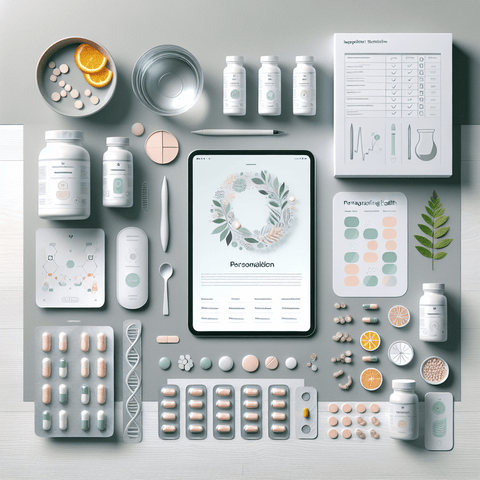
Customized vitamin packs are daily supplement sets built around an individual's diet, age, lifestyle, and nutritional goals rather than a fixed one-size-fits-all formula. This guide explains what tailored supplement packs are, how they are assembled, why nutrient needs vary from person to person, and where supplementation may—or may not—make sense. You will also learn how to evaluate nutrient forms, dosages, labels, and quality standards so you can make informed, evidence-aware decisions about your personal nutrition.
What Are Customized Vitamin Packs? A Simple Explanation
Customized vitamin packs are curated selections of vitamins, minerals, and other nutrients assembled into convenient daily portions. Instead of buying a single multivitamin designed for the "average adult," a custom pack typically contains only the nutrients considered relevant to you—often in forms and amounts matched to your dietary pattern, life stage, and lifestyle.
How Custom Vitamin Packs Differ From One-Size-Fits-All Multivitamins
A standard multivitamin is formulated to cover a broad population with moderate amounts of many nutrients. That approach is convenient, but it means everyone receives the same nutrient levels regardless of whether they need them. Someone who eats plenty of fish may not need additional omega-3s, while someone following a vegan diet may have very different requirements.
Custom packs attempt to close that gap. They allow nutrients to be added, omitted, or adjusted—for example, excluding iron for men who do not need it, or including vitamin B12 for those who consume little animal-source food. This can reduce the likelihood of unnecessary intake while focusing on nutrients where dietary gaps are more likely.
Key Terms to Know: Personalized Supplements, Vitamin Packs, and Daily Packs
- Personalized supplements: Products or regimens selected based on individual characteristics such as diet, age, sex, health status, or goals.
- Vitamin packs: Bundled groups of vitamin and mineral supplements, often packaged together for daily use.
- Daily packs: Pre-portioned sachets or pouches containing a full day's supplement dose, designed for convenience and consistency.
How Custom Vitamin Packs Are Typically Built
Most custom packs are created through a questionnaire or quiz covering diet, lifestyle, age, sex, activity level, and health goals. Some services incorporate blood test data when available. Based on the responses, a formula is generated—commonly including a core multivitamin base plus targeted additions such as vitamin D, magnesium, or omega-3s. The quality of the result depends heavily on the accuracy of the information provided and the logic behind the recommendations.
Why Personalized Supplementation Matters for Everyday Health
Vitamins and minerals participate in thousands of biochemical processes: energy metabolism, immune function, bone maintenance, red blood cell formation, and nervous system signaling, among many others. Because these processes depend on a consistent supply of nutrients, long-term gaps in intake can gradually affect how you feel and function. Personalization matters because the nutrients you actually need—and in what amounts—are not identical to anyone else's.
The Limits of Generic Multivitamins
Generic multivitamins face an inherent compromise. To remain safe and broadly suitable, they often contain conservative doses, meaning they may fall short for people with elevated needs. Conversely, they may include nutrients a person already obtains adequately from food. Neither situation is harmful in most cases, but both limit how useful the product can be. A well-chosen multivitamin still has a role for general coverage, but tailored regimens can address gaps more precisely.
Why Individual Nutrient Needs Vary From Person to Person
Nutrient requirements are influenced by genetics, body size, dietary pattern, absorption capacity, physical activity, sun exposure, medication use, and life stage. Two people of the same age and sex can have meaningfully different vitamin D or iron status depending on lifestyle and physiology. This variability is the core argument for personalized approaches—and also the reason professional assessment is sometimes more reliable than self-selection.
What "Tailored Nutrition" Can and Cannot Do
Tailored supplementation can help fill documented or likely dietary gaps and support overall nutritional adequacy. It cannot replace a balanced diet, diagnose health conditions, or compensate for poor sleep, chronic stress, or an otherwise unhealthful lifestyle. Supplements support nutrition; they do not treat disease.
Factors That Shape Your Individual Nutrient Needs
Diet and Eating Patterns: Vegan, Vegetarian, and Restricted Diets
Diet is one of the strongest determinants of nutritional status. Vegan and vegetarian diets can be healthful but often provide little vitamin B12, and may supply less iron, zinc, iodine, and omega-3 fats EPA and DHA. Elimination diets or food allergies can similarly restrict intake of specific nutrients.
Age and Life Stage: Needs Change Over Time
Nutrient needs shift across life. Older adults absorb vitamin B12 from food less efficiently and have higher vitamin D and calcium requirements for bone maintenance. Adolescents and pregnant women have elevated iron needs, while requirements for most nutrients peak or plateau in adulthood. Folate needs increase substantially during pregnancy.
Lifestyle Factors: Stress, Exercise, Sleep, Alcohol, and Smoking
Intense physical training can increase requirements for certain nutrients, including iron and some B vitamins. Regular alcohol consumption interferes with the absorption and metabolism of several B vitamins and magnesium. Smoking is associated with lower vitamin C status and higher vitamin C requirements. Chronic stress may increase utilization of magnesium and B vitamins, though evidence here is largely observational.
Absorption and Digestive Health
Conditions affecting the stomach or intestines—such as celiac disease, Crohn's disease, atrophic gastritis, or a history of bariatric surgery—can substantially reduce nutrient absorption. Even in healthy people, absorption of some nutrients depends on stomach acid, gut transit time, and the presence or absence of other foods and compounds.
Medications That May Affect Nutrient Levels
Several common medications interact with nutrient status. Metformin, used for blood sugar management, can lower vitamin B12 over time. Proton pump inhibitors reduce stomach acid and may impair absorption of B12, magnesium, and iron. Long-term antibiotic use can affect vitamin K production by gut bacteria, and diuretics can increase excretion of certain minerals. Anyone taking regular medication should discuss potential interactions with a healthcare provider.
Sun Exposure, Season, and Environmental Factors
Vitamin D is produced in the skin through UVB exposure, so status varies with latitude, season, time spent outdoors, skin pigmentation, and sunscreen use. In many regions, vitamin D insufficiency is common during winter months, making it one of the nutrients most often considered for supplementation. Learn more in this guide to vitamin D sources and safety.
Common Situations Where Nutrient Intake May Fall Short
Frequently Low Nutrients in Modern Diets: Vitamin D, B12, Iron, Magnesium, and Omega-3s
Research on dietary intake patterns consistently identifies a handful of nutrients that tend to fall short in modern diets:
- Vitamin D: Limited sun exposure and few rich dietary sources make low intake common, especially in winter.
- Vitamin B12: A concern primarily for vegans, vegetarians, and older adults with reduced absorption.
- Iron: Menstruating women, pregnant women, and some vegetarians have the highest risk of low intake.
- Magnesium: Diets high in processed foods and low in nuts, seeds, legumes, and whole grains often provide less than recommended amounts. See this overview of magnesium and its roles.
- Omega-3 fats: People who rarely eat fatty fish typically have low EPA and DHA intake.
Signs Often Associated With Low Nutrient Intake (And Why Testing Matters)
Persistent fatigue, brittle hair and nails, muscle cramps, frequent illness, or poor concentration are sometimes attributed to nutrient shortfalls. These signs are nonspecific, however—they can reflect sleep, stress, or underlying medical conditions just as easily. Fatigue alone, for example, can stem from iron deficiency, low B12, poor sleep, thyroid issues, or depression.
Why Symptoms Alone Cannot Confirm a Deficiency
For several key nutrients, validated blood tests exist—serum ferritin for iron stores, B12 levels, and 25-hydroxyvitamin D for vitamin D status. Testing provides objective information that symptoms cannot, and it distinguishes true deficiency from suboptimal intake. For nutrients like magnesium, testing is less straightforward because most magnesium resides inside cells and blood levels may not reflect total body status. When in doubt, testing plus professional interpretation is more reliable than guessing.
Food First: Dietary Strategies Before Supplements
Nutrient-Dense Foods That Support Common Gaps
- Vitamin D: Oily fish, egg yolks, and fortified dairy or plant milks.
- B12: Meat, fish, eggs, dairy, and fortified plant-based products.
- Iron: Red meat, lentils, beans, tofu, pumpkin seeds; pair plant sources with vitamin C-rich foods to boost absorption.
- Magnesium: Nuts, seeds, whole grains, dark leafy greens, and dark chocolate.
- Omega-3s: Salmon, mackerel, sardines, herring, flaxseed, and walnuts (the latter providing ALA, which the body converts to EPA/DHA only inefficiently).
Dietary Patterns That Naturally Cover More Nutrients
Mediterranean-style and whole-food dietary patterns—rich in vegetables, fruit, legumes, fish, nuts, and olive oil—tend to provide more micronutrients and omega-3s with fewer nutrient-poor calories. Diets dominated by ultra-processed foods are more likely to leave gaps even when calorie intake is adequate.
Habits That Improve Nutrient Absorption From Food
Small habits can meaningfully affect how much of a nutrient you actually absorb. Combining iron-rich plant foods with vitamin C improves iron uptake. Fat-soluble vitamins (A, D, E, K) are absorbed better when eaten with a source of dietary fat. Soaking or fermenting legumes and grains reduces phytates that can bind minerals, and spacing high-calcium foods away from iron-rich meals helps both absorb well.
Where Custom Vitamin Packs May Fit In
Situations Where Supplementation May Reasonably Be Considered
Supplementation may be worth considering when dietary intake is reliably limited, when absorption is reduced, when requirements are elevated, or when testing has confirmed a low level. Examples include vitamin D during winter, B12 for long-term vegans, and iron for women with heavy menstrual cycles who have documented low ferritin.
General Nutritional Support Versus Treating a Diagnosed Deficiency
There is an important distinction between general nutritional support—moderate doses of nutrients where intake may be low—and treating a diagnosed deficiency, which requires confirmed testing and professional guidance, often at higher doses for a defined period. A tailored pack serves the first purpose; the second belongs in a medical context.
Groups Who May Benefit Most From a Tailored Approach
- Women of reproductive age, due to iron and folate considerations
- Older adults, due to B12, vitamin D, and calcium needs
- Vegans and vegetarians, due to B12, iron, zinc, and omega-3 gaps
- People with restricted diets, malabsorption conditions, or regular medication use
- Athletes and highly active individuals with elevated requirements
Common Nutrients Found in Customized Vitamin Packs
Core Vitamins: What They Do and Why They Appear in Personalized Packs
B vitamins support energy metabolism and nervous system function. Vitamin C contributes to immune function and collagen formation and acts as an antioxidant. Vitamin D supports bone health, muscle function, and immune regulation. Vitamins A, E, and K each play distinct roles in vision, antioxidant protection, and blood clotting or bone metabolism respectively. See overviews of vitamin C and vitamin K for more detail.
Key Minerals: Magnesium, Zinc, Iron, and Calcium
Magnesium participates in over 300 enzymatic reactions, including muscle and nerve function. Zinc supports immune function and wound healing. Iron is essential for oxygen transport via hemoglobin. Calcium, together with vitamin D, supports bone structure and muscle contraction. Mineral dosing requires care—more is not better, and some minerals interfere with the absorption of others when taken together in high amounts.
Omega-3s, Probiotics, and Botanicals: When They Belong in a Pack
Omega-3s (EPA and DHA) are frequently included for people who eat little fatty fish. Probiotics may be relevant for those interested in gut microbiome support, though strain-specific effects vary and evidence differs by application. Botanicals such as ashwagandha or turmeric are sometimes added for targeted purposes, but they are pharmacologically active and should be chosen with attention to quality and possible interactions.
How to Choose the Right Custom Vitamin Pack
Nutrient Forms and Bioavailability: Which Forms Absorb Best
Form matters. Magnesium citrate and magnesium glycinate are generally better absorbed and gentler on digestion than magnesium oxide. Methylcobalamin and cyanocobalamin are both used for B12, with limited evidence favoring one over the other in most people. Vitamin D3 is generally preferred over D2 for raising and maintaining vitamin D status. Iron bisglycinate is often better tolerated than ferrous sulfate. That said, comparative evidence between some forms is limited, so tolerability and individual response matter.
Dosage: Matching Nutrient Levels to Your Actual Needs
Look for doses that reflect your actual gap, not maximum values. If your diet already provides some magnesium, a moderate supplemental dose may be sufficient. High doses should generally be reserved for confirmed deficiencies under professional guidance. Checking the recommended daily intake and the tolerable upper intake level (UL) for each nutrient helps you avoid excessive intake, especially when combining multiple products.
Combination Packs Versus Individual Supplements
Daily packs offer convenience and consistency—significant advantages for adherence, which is often the deciding factor in whether supplementation actually helps. Individual supplements offer flexibility and allow spacing of nutrients that compete for absorption, such as iron and zinc, or iron and calcium. Some people combine both approaches: a daily pack plus one separately timed mineral.
Quality, Purity, and Third-Party Testing
Supplement quality varies considerably. Look for brands that test identity, potency, and purity—verifying that products contain what the label states and are free from problematic levels of heavy metals and contaminants. Third-party certification or independent laboratory testing provides an additional layer of assurance beyond the manufacturer's own claims.
Added Ingredients, Fillers, and Allergens
Check for allergens such as gluten, soy, dairy, and shellfish (relevant for some omega-3 products). Review the inactive ingredient list if you have sensitivities, and confirm vegan or vegetarian suitability if that matters to you—gelatin capsules are common in softgels.
Capsules, Tablets, Powders, and Softgels: Which Format Suits You
Capsules are easy to swallow and dissolve readily. Tablets are compact but may be harder to digest for some people. Softgels suit fat-soluble nutrients such as omega-3s and vitamins A, D, E, and K. Powders offer dosing flexibility and suit those who dislike swallowing pills, though taste and mixability vary.
How to Read a Supplement Label on a Vitamin Pack
Understanding Supplement Facts Panels and Serving Sizes
The supplement facts panel lists each nutrient, the amount per serving, and the percentage of the reference intake covered. Note whether the stated amount is per capsule or per daily pack—a pack containing several capsules may list values per capsule, and the total daily dose is the sum. Also check the form of each nutrient, which appears in parentheses next to the nutrient name.
Comparing Nutrient Forms and Strengths Across Products
When comparing products, match both form and dose. Two magnesium products at the same milligram strength can differ substantially in elemental magnesium content depending on the compound used. Similarly, fish oil products should be compared by their actual EPA and DHA content, not the total fish oil weight.
Quality Indicators and Certifications to Look For
Useful indicators include third-party testing seals, GMP (good manufacturing practice) production, transparent sourcing of raw materials, and clear expiration dating. Products marketed with dramatic health claims rather than factual nutrient information warrant extra skepticism.
Safety, Interactions, and When to Seek Professional Advice
Upper Limits: When More Is Not Better
Most vitamins and minerals have a tolerable upper intake level beyond which adverse effects become more likely. Vitamin A, iron, zinc, selenium, and vitamin D deserve particular caution, as excess intake can accumulate or cause harm over time. Fat-soluble vitamins are stored in the body, so long-term high doses pose more risk than occasional excess. Never assume that higher doses produce faster or greater benefit.
Nutrient and Medication Interactions to Be Aware Of
- Vitamin K and blood thinners: Vitamin K can interfere with anticoagulants such as warfarin; keep intake consistent and consult a physician.
- Iron and certain medications: Iron competes with thyroid medication and some antibiotics for absorption.
- Calcium and iron: Taken together in large amounts, each can reduce the other's absorption.
- High-dose zinc: Long-term use can impair copper status.
- Omega-3s at high doses: May have mild blood-thinning effects; relevant for those on anticoagulants.
Pregnancy, Health Conditions, and When Testing or Professional Guidance Is Wise
Pregnancy and breastfeeding change nutrient requirements significantly—folate, iodine, iron, and vitamin D in particular—and supplementation during pregnancy should follow professional guidance. People with kidney or liver disease, those taking prescription medications, and anyone with a diagnosed deficiency should consult a healthcare provider before starting or changing a supplement regimen. A physician or registered dietitian can arrange testing and interpret results in context.
Diet Changes or Custom Vitamin Packs? Making the Right Decision
Questions to Help You Assess Your Own Needs
- Does my diet regularly include fish, eggs, dairy, legumes, nuts, and vegetables?
- Do I restrict any food groups, whether by choice, allergy, or intolerance?
- How much time do I spend outdoors in sunlight, and what season is it?
- Do I take medications known to affect nutrient absorption?
- Have I had relevant nutrient levels tested in the past year?
When Food Alone May Be Enough
If you eat a varied, whole-food diet, get regular sun exposure, and fall into no higher-risk group, your nutrient intake may already be adequate. In that case, improving dietary consistency is often more effective than adding supplements, and a supplement adds little beyond what food provides.
How to Decide Which Nutrients Belong in Your Personal Pack
Start with the nutrients most likely to be low given your diet, life stage, and lifestyle—commonly vitamin D, omega-3s, magnesium, or B12. Add supplements only where a clear rationale exists, favor moderate doses unless testing suggests otherwise, and reassess periodically. If symptoms suggest a possible deficiency, seek testing rather than self-treating with high doses.
Key Takeaways
- Customized vitamin packs match supplement selection to your diet, age, lifestyle, and goals rather than a fixed average formula.
- Nutrient needs vary widely between individuals due to diet, absorption, medications, sun exposure, and life stage.
- Common gaps in modern diets include vitamin D, B12, iron, magnesium, and omega-3 fats.
- Food should come first: nutrient-dense dietary patterns can cover most needs for many people.
- Symptoms alone cannot confirm a deficiency; blood testing offers more reliable information for nutrients such as vitamin D, B12, and iron.
- Nutrient form affects absorption—magnesium citrate or glycinate, vitamin D3, and chelated minerals are generally well-absorbed options.
- Moderate doses matched to actual gaps are usually preferable to high doses, which carry risks and rarely add benefit.
- Check labels carefully for per-serving amounts, nutrient forms, allergens, and third-party quality testing.
- Nutrient–medication interactions and upper intake limits matter, particularly for iron, vitamin A, vitamin K, and zinc.
- Pregnant or breastfeeding women and people with health conditions should seek professional guidance before supplementing.
Frequently Asked Questions
What are customized vitamin packs?
Customized vitamin packs are daily supplement bundles assembled to match an individual's diet, lifestyle, age, and nutritional goals. Rather than a fixed multivitamin, they typically contain only the nutrients considered relevant to the person, in individualized combinations and doses.
Are custom vitamin packs better than a regular multivitamin?
They can be more precisely matched to individual needs, avoiding unnecessary nutrients and focusing on likely gaps. However, a quality multivitamin is a reasonable option for general coverage, and the best choice depends on how specific your needs are.
How long does it take to notice effects from a vitamin pack?
It varies by nutrient. Correcting an iron or B12 deficiency may take weeks to months as stores rebuild. Vitamin D levels typically improve over several weeks to a few months. General nutritional support without a deficiency may produce subtle effects that are hard to perceive.
Can you take too many vitamins in a daily pack?
Yes. Fat-soluble vitamins (A, D, E, K) and minerals such as iron, zinc, and selenium can accumulate or cause harm at excessive doses. Always check total daily intake across all products and stay within tolerable upper intake levels.
Which nutrients are most often missing from modern diets?
Research consistently identifies vitamin D, vitamin B12 (especially among vegans and older adults), iron (particularly for menstruating women), magnesium, and the omega-3 fats EPA and DHA as the most common shortfalls.
Should I get a blood test before starting supplements?
Testing is not always necessary for likely dietary gaps, but it is valuable when symptoms suggest a deficiency or when you plan to take higher doses. Vitamin D, B12, ferritin, and thyroid-related labs are commonly assessed.
Can I take my vitamin pack with coffee or tea?
Coffee and tea contain compounds that can reduce iron absorption, and caffeine can slightly affect the absorption of some minerals. It is generally better to take supplements with water or a meal rather than with coffee or tea.
Are customized vitamin packs safe during pregnancy?
Some nutrients are essential during pregnancy—particularly folate, iron, iodine, and vitamin D—but doses differ from standard adult needs. Consult a physician or midwife before starting or modifying any supplement regimen during pregnancy or breastfeeding.
Do supplement forms really matter for absorption?
Yes, meaningfully for some nutrients. Magnesium citrate or glycinate absorbs better than oxide, vitamin D3 outperforms D2, and chelated minerals like iron bisglycinate tend to cause fewer digestive complaints. For other nutrients, evidence comparing forms is limited.
Can custom vitamin packs replace a healthy diet?
No. Whole foods provide fiber, phytonutrients, and nutrient complexity that supplements cannot replicate. Supplements are designed to fill gaps in an otherwise balanced diet, not to substitute for it.
Can I take all my supplements at the same time?
Many can be taken together, but some compete for absorption—iron with calcium or zinc, for example. Splitting doses or taking competing minerals at different times of day can improve uptake.
How often should I reassess my supplement regimen?
Every 6 to 12 months is reasonable, or sooner if your diet, health status, medications, or lifestyle change significantly. New test results or a change in season can also justify adjusting your pack.
Final Thoughts: Building a Smarter, Personalized Approach to Supplementation
The most effective approach to supplementation begins with diet and lifestyle, then uses targeted supplementation to fill gaps that food alone cannot reliably cover. Because nutrient needs differ from person to person, customized vitamin packs offer a logical framework: identify your likely gaps, address them with appropriate forms and moderate doses, verify quality, and reassess over time. When symptoms suggest a deficiency, or when you take medications or have a health condition, testing and professional guidance are more reliable than guesswork. Used this way, personalization supports informed, measured nutrition decisions rather than a one-size-fits-all bottle.
Related Keywords
- customized vitamin packs
- personalized supplements
- daily vitamin packs
- tailored supplement regimen
- custom multivitamin
- vitamin D supplementation
- nutrient deficiency signs
- supplement bioavailability
- magnesium supplement forms
- omega-3 EPA DHA
- supplement interactions and safety
- personalized nutrition plan
- how to choose vitamin supplements