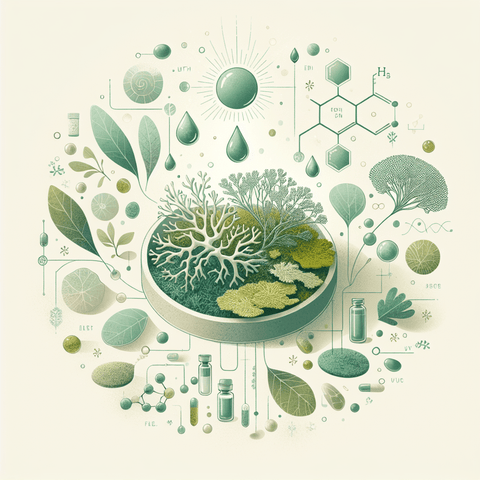
Dairy-Free Vitamin D: Why This Essential Nutrient Requires Special Attention
Vitamin D is fundamental to human health, yet it occupies a uniquely challenging position in nutrition. Known as the "sunshine vitamin," it is produced in the skin upon sun exposure and found naturally in very few foods. For individuals following a dairy-free, vegan, or plant-based lifestyle, maintaining optimal levels requires a deliberate, informed approach. This guide provides a scientifically grounded overview of dairy-free vitamin D, explaining how to navigate dietary sources, understand supplementation options, and make decisions that support your long-term well-being. You will learn what dairy-free vitamin D means, why standard D3 supplements are often unsuitable, and how to choose a plant-based alternative that aligns with your health needs.
What Does "Dairy-Free Vitamin D" Mean?
The term "dairy-free vitamin D" refers to the nutrient in a form that contains no milk-derived ingredients. This is a crucial distinction because vitamin D is fat-soluble and is often processed or delivered using animal-derived excipients. In many standard supplements, vitamin D3 (cholecalciferol) is derived from lanolin, a substance extracted from sheep's wool, and is frequently formulated with gelatin capsules, which may originate from bovine (cow) sources. Therefore, a truly dairy-free product must be free from lactose, casein, whey, and any other milk byproducts, encompassing both the active nutrient and the entire delivery system. For those with dairy allergies or lactose intolerance, ensuring a product is certified dairy-free is essential for safety and digestive comfort.
The Difference Between Vitamin D2 and Vitamin D3
Vitamin D exists in two primary dietary forms: ergocalciferol (D2) and cholecalciferol (D3). Vitamin D2 is synthesized by plants, specifically yeasts and mushrooms, when exposed to UV light. Vitamin D3, on the other hand, is synthesized in the skin of animals when exposed to UVB radiation and is also found in animal-derived foods. While both forms are converted to active vitamin D in the body, research suggests that D3 is more effective at raising and maintaining blood levels of 25-hydroxyvitamin D, the marker used to assess status. For this reason, D3 is generally considered superior, but this presents a dilemma for those seeking a plant-based option, as traditional D3 is not vegan-friendly.
Why Most Standard Vitamin D3 Supplements Are Not Dairy-Free (or Vegan)
Standard vitamin D3 is almost exclusively derived from lanolin, making it unsuitable for vegans. Moreover, even if the active ingredient is lanolin-based, the supplement may contain lactose as a filler or be encapsulated in gelatin, an animal product. Therefore, a "standard" D3 supplement fails on two counts for many dairy-free consumers: the source is not plant-based, and the manufacturing process may introduce dairy contaminants. Recognizing this, the market has evolved to offer a plant-based D3 sourced from lichen, which provides the same cholecalciferol (D3) found in animal sources but derived from a symbiotic organism of algae and fungi, making it a viable and popular vegan alternative.
The Role of Vitamin D in the Body: Beyond Just Bone Health
Vitamin D is a prohormone with a wide-reaching influence on physiological systems, impacting far more than the skeletal system for which it is best known. Its active form acts as a signaling molecule, regulating the expression of hundreds of genes and playing a critical role in numerous biological pathways.
Calcium Absorption and Skeletal Strength
Vitamin D's most classic role is to facilitate the intestinal absorption of calcium and phosphorus. Without sufficient vitamin D, the body can only absorb a fraction of the calcium consumed, forcing it to leach calcium from the bones to maintain vital blood calcium levels. Over time, this process can weaken bone density, increasing the risk of fractures and conditions like osteoporosis and osteomalacia. Therefore, vitamin D is indispensable for maintaining skeletal integrity and muscle function.
Immune Function and Cellular Health
Beyond bone, vitamin D is a potent modulator of the immune system. It is involved in the activation of T-cells and other immune cells that defend the body against pathogens. Receptors for vitamin D are found on almost all immune cells, highlighting its role in supporting a healthy, balanced immune response. Emerging research also points to its role in cellular differentiation and proliferation, contributing to overall cellular health and resilience.
Muscle Function and Mood Regulation
Vitamin D receptors are present in muscle tissue, where the nutrient is vital for muscle strength and performance. Adequate levels are associated with better physical function and reduced risk of falls, particularly in older adults. Additionally, vitamin D crosses the blood-brain barrier and has been linked to mood regulation. While the research is ongoing, low vitamin D levels have been associated with an increased risk of depressive symptoms, suggesting its importance in maintaining mental well-being.
Low Vitamin D: Signs, Symptoms, and Associated Health Implications
Low vitamin D is a common concern globally, but its symptoms are often subtle and non-specific, making it difficult to identify without proper testing.
Common Signs of Insufficiency
Symptoms of vitamin D deficiency can be vague but may include general fatigue, bone pain, muscle weakness or cramps, and a general sense of low energy. In some cases, individuals may experience frequent infections or a depressed mood. These symptoms are not exclusive to vitamin D deficiency, so attributing them solely to this nutrient without a blood test can be misleading.
Long-Term Health Implications of Chronic Deficiency
Long-term, chronic deficiency has more serious implications. It is a leading cause of metabolic bone diseases, such as rickets in children and osteomalacia and osteoporosis in adults. Prolonged insufficiency is also associated with an increased risk of falls and fractures. Furthermore, a growing body of literature suggests a correlation between low vitamin D and a higher risk of chronic conditions, including autoimmune disorders, cardiovascular disease, and certain types of cancer.
Why Symptoms Alone Are Not a Reliable Diagnosis
Because the symptoms are so common to many other health issues, self-diagnosis based on how you feel is unreliable. The only accurate way to assess vitamin D status is through a blood test that measures serum levels of 25-hydroxyvitamin D, typically ordered by a healthcare provider. Relying on symptom-checking alone can lead to unguided supplementation that may be unnecessary or inadequate, underscoring the importance of professional assessment before making significant changes to your regimen.
What Causes Low Vitamin D? Risk Factors and Contributing Elements
A variety of environmental, physiological, and dietary factors can contribute to suboptimal vitamin D levels.
Limited Sun Exposure and Geographic Location
The primary natural source of vitamin D is UVB radiation from sunlight. Individuals living at high latitudes, working indoors, or who consistently use high-SPF sunscreen will synthesize less vitamin D. The "vitamin D winter" phenomenon is also relevant; during winter months above a certain latitude, the sun's rays are too weak to stimulate significant cutaneous synthesis.
Dietary Patterns and Exclusions (Vegan, Vegetarian, and Dairy-Free Diets)
Dietary sources of vitamin D are scarce. The most abundant natural sources are fatty fish (salmon, mackerel) and cod liver oil. In many countries, cow's milk is fortified with vitamin D, making it a primary source for many people. Consequently, individuals on vegan or dairy-free diets who do not consume fish may find it extremely difficult to get enough vitamin D from food alone, placing them at a higher risk of deficiency.
Age, Skin Tone, and Absorption Efficiency
As we age, our skin becomes less efficient at synthesizing vitamin D, and the kidneys are less able to convert it to its active form. Individuals with darker skin have higher levels of melanin, which reduces the skin's ability to produce vitamin D from sunlight. Additionally, conditions that affect fat absorption, such as Crohn's disease or celiac disease, can impair the uptake of this fat-soluble vitamin.
Lifestyle Factors and Seasonal Variations
Lifestyle choices heavily influence vitamin D status. A sedentary, largely indoor lifestyle minimizes sun exposure. Seasonal variations are also significant; blood levels naturally drop at the end of winter and peak in late summer. This cyclical fluctuation is important to consider when evaluating a need for supplementation.
Individual Variability: Why "One Size Fits All" Doesn’t Apply to Vitamin D
The amount of vitamin D a person needs is not a fixed number; it varies significantly based on genetics and physiology, meaning that blanket recommendations often fall short of individual needs.
Genetic Variations and Vitamin D Receptor (VDR) Function
Genetic variations, known as single-nucleotide polymorphisms (SNPs), can affect an individual's vitamin D receptor function and the enzymes that activate or degrade vitamin D. These genetic differences can mean that one person may achieve optimal blood levels with a modest daily dose, while another may require a substantially higher dose to reach the same serum level, even with identical sun exposure and dietary habits.
Body Weight and Metabolic Differences
Vitamin D is stored in fat tissue. In individuals with a higher body mass index (BMI), more vitamin D is sequestered in adipose tissue and is less bioavailable to the rest of the body. As a result, those with obesity often require higher intake to achieve the same blood levels as individuals with a lower body weight, highlighting how metabolic differences dictate individual requirements.
The Impact of Existing Gastrointestinal Conditions
Fat-soluble nutrients like vitamin D require healthy fat absorption to be taken up by the body. Conditions such as Crohn's disease, inflammatory bowel disease, celiac disease, or liver and pancreatic disorders can impair fat absorption, leading to poor vitamin D absorption even when dietary intake is adequate. In such cases, high-dose or specialized supplementation may be necessary, but only under medical supervision.
Food First: Natural and Fortified Dairy-Free Sources of Vitamin D
Before considering supplements, it is prudent to maximize dietary intake. However, for dairy-free individuals, food sources are limited and often insufficient to meet daily requirements on their own.
Mushrooms: The Plant-Based Source of Vitamin D2
Certain mushrooms, such as shiitake and portobello, contain ergosterol, a precursor that converts to vitamin D2 when exposed to UV light. Commercially, UV-treated mushrooms can contain significant amounts of D2. However, D2 is considered less bioavailable and less effective at raising long-term blood levels compared to D3. While a valuable addition to a dairy-free diet, relying solely on mushrooms to meet requirements is impractical.
Fortified Plant Milks and Orange Juices
Many plant-based beverages, including soy milk, almond milk, and oat milk, are fortified with vitamin D2 or D3. Similarly, some brands of orange juice are fortified. While this helps bridge the gap, fortification levels vary by brand and region. A single glass may only provide a fraction of the daily recommended intake, and relying on multiple fortified beverages can lead to inconsistent intake.
The Challenge of Meeting Daily Requirements Through Diet Alone
Given that the recommended daily allowance (RDA) for most adults is 600-800 IU, achieving this through dairy-free whole foods is nearly impossible. You would have to consume large portions of UV-exposed mushrooms or several cups of fortified juice daily to approach the target. This practical limitation is why food sources are best viewed as a helpful adjunct to, rather than a replacement for, a more reliable strategy like safe sun exposure or supplementation.
Plant-Based D3 Supplements: Navigating the Nutritional Support Landscape
Given the difficulty of meeting requirements through diet alone, a thoughtfully chosen supplement can be a practical solution to fill the dietary gap.
The Superiority of D3 (Cholecalciferol) Over D2 (Ergocalciferol)
Scientific consensus favors vitamin D3 for its superior efficacy. Studies indicate that D3 is more effective at raising 25-hydroxyvitamin D levels and maintaining those levels for a longer duration compared to D2. Therefore, when considering a supplement, D3 is generally the preferred form. For vegans and those committed to dairy-free lifestyles, this means seeking a plant-based D3 source.
Understanding Lichen: The Primary Source of Vegan D3
Lichen is a composite organism, a symbiotic relationship between fungi and algae. This unique organism produces Vitamin D3 in a vegan form. This lichen-derived cholecalciferol is chemically identical to the D3 produced in animals and is the most common and reliable source for premium plant-based supplements. When looking for a dairy-free D3, the label should clearly state that the source is lichen.
The Biological Rationale for Supplementation in Dairy-Free Diets
Supplementing with a licensed-derived D3 offers a biologically consistent and reliable method to correct and prevent deficiency. It allows individuals on restrictive diets to bypass the guesswork of food fortification and provides a predictable dose that directly addresses the potential gaps inherent in a dairy-free eating pattern. It is a strategic approach to ensure a foundational nutrient is maintained, supporting overall health and wellness.
When Is Supplementation a Reasonable Consideration?
Supplementation is not a one-size-fits-all solution but is a reasonable strategy in specific contexts, particularly when dietary and lifestyle measures are insufficient.
Confirmed Insufficiency vs. Preventative Support
If a blood test has confirmed low vitamin D levels (insufficiency), supplementation is a medically standard intervention. However, for those simply worried about their levels during winter months or with diets that are reliably low in Vitamin D, preventative supplementation is a prudent consideration. It is vital to distinguish between treating a known issue and bolstering a potentially suboptimal intake.
High-Risk Groups: Indoor Lifestyles and Seasonal Patterns
Certain groups can reasonably consider daily supplementation as a baseline practice. This includes shift workers, office employees who rarely see daylight, the elderly, or those who live in climates with long, dark winters. For these individuals, relying on sun exposure is not a viable year-round strategy, making a daily D3 supplement a logical and safe approach.
Distinguishing General Support from Medical Treatment
It is crucial to understand that using Vitamin D supplements for general wellness is not the same as using them to treat a diagnosed deficiency. General support aims to maintain a healthy baseline, whereas treatment often requires higher, clinician-monitored doses. Supplementing at a standard daily dose for general health is distinct from therapeutic use, and the two should not be confused without medical oversight.
How to Choose the Right Dairy-Free Vitamin D3 Supplement
When selecting a supplement, the goal is to find a product that is not just effective but also free from unwanted additives and aligned with your dietary needs.
Ingredient Form: Liquid Drops vs. Capsules vs. Sprays
Vitamin D is fat-soluble, so it is ideally delivered in a carrier oil. Liquid drops are popular as they allow for flexible dosing and easy absorption. Capsules (usually in softgel form) offer a pre-measured dose and are convenient for travel, but you must verify the capsule shell is vegan (often made from plant-based cellulose rather than gelatin). Oral sprays are also available, but their absorption efficacy is similar to other forms if the dose is accurate; the choice often comes down to personal preference and ease of use.
Dosage and Concentration: IU (International Units) Explained
Dosage is measured in International Units (IU). A standard daily maintenance dose for adults ranges from 1,000 to 2,000 IU, though requirements can vary. Check the concentration on the label: a liquid might deliver 1,000 IU per drop, or 500 IU per serving. Understanding this measurement prevents accidental under- or over-dosing, ensuring you know precisely how much active vitamin D you are consuming daily.
Bioavailability: The Role of Fats and Carrier Oils (MCT, Olive Oil)
Because vitamin D is fat-soluble, it requires a fat for optimal absorption in the gut. Products that deliver D3 in a carrier oil, such as MCT oil (derived from coconut) or olive oil, enhance bioavailability. These oils facilitate the absorption process, reducing dependence on the fat content of your meal. Choosing a product with a high-quality carrier oil is a smart move for maximizing the efficacy of each dose.
Combination Products: Vitamin D3 with K2, Magnesium, or Calcium
Many supplements combine vitamin D3 with vitamin K2 or magnesium. Vitamin K2 helps direct calcium into the bones, potentially enhancing the benefits of D3 on skeletal health. Magnesium is a cofactor in vitamin D metabolism. While these combinations offer a convenient synergy, it is often easier to adjust individual doses if one compound is needed in a higher or lower amount. A single-ingredient D3 provides more flexibility.
Purity and Allergen Control: Avoiding Hidden Dairy and Gluten
For dairy-free consumers, allergen control is non-negotiable. It is essential to select products that are explicitly certified vegan and dairy-free. This certification should also cover the absence of gluten, soy, and other common allergens. Reviewing the ingredient list for extraneous fillers, artificial colors, or preservatives also ensures you are ingesting a clean, quality product without potentially irritating additives.
What to Look for on the Supplement Label: A Buyer’s Checklist
Learning to read a supplement label is a critical skill for any consumer looking to make a safe and informed choice. Here is a checklist for selecting a dairy-free vitamin D supplement.
Verifying the Source: Look for "Vegan" and "Lichen" Claims
Look for explicit claims on the label or product description: "100% Vegan," "Plant-Based," and "Lichen-Derived." These terms are not interchangeable with "dairy-free" alone, as a dairy-free product could still be non-vegan. The presence of "Lichen-Derived D3" is the gold standard indicator that the D3 is sourced from plants and is chemically identical to animal-based cholecalciferol.
Decoding Third-Party Testing and Certifications (USP, NSF, Non-GMO)
If a product has been verified by third-party organizations like USP (United States Pharmacopeia) or NSF International, it means an independent lab has validated that the product contains what the label claims and is free from harmful contaminants. Non-GMO verification is particularly important for those seeking a clean, natural product. These certifications are a mark of trust in an otherwise poorly regulated industry.
Checking for Added Sugars, Preservatives, and Artificial Ingredients
Read the ingredient list below the active ingredients. A quality supplement should have a minimal number of ingredients: the active vitamin, a carrier oil, and perhaps a natural antioxidant. Be wary of products containing added sugars, corn syrup, polysorbate 80, artificial dyes, or "natural flavors" with unclear origins. The cleaner the label, the lower the risk of consuming unnecessary and potentially allergenic chemicals.
Understanding Serving Size and Concentration Per Drop/Dose
Pay close attention to the serving size. A bottle may contain 1000 IU per dropper, but the serving size might be two drops, making the actual dose 2000 IU. Also, check the total number of servings per bottle to ensure the product represents fair value for a monthly supply. This clarity prevents accidental overdose, especially with liquid preparations.
Who May Benefit Most from a Plant-Based D3 Supplement?
While not everyone needs a supplement, certain demographics and lifestyles make a plant-based D3 product an exceptionally logical and beneficial choice.
Strict Vegans and Vegetarians
By eliminating animal products, vegans automatically eliminate the most bioavailable dietary sources of D3. Even vegetarians who consume dairy and eggs may have limited intake if they avoid mushrooms. For these groups, a lichen-based D3 supplement is the only vegan-consistent way to secure the benefits of cholecalciferol, making it an almost essential addition to their daily regimen.
Individuals with Lactose Intolerance or Dairy Allergies
Those who eschew dairy due to lactose intolerance or a milk protein allergy face the same nutritional gap as vegans regarding vitamin D from milk. A dairy-free D3 supplement ensures that this critical nutrient is still supplied without triggering digestive distress or an allergic response, making it a straightforward and safe solution for those with dairy sensitivities.
Older Adults and Those with Limited Sun Exposure
As natural synthesis efficiency declines with age, and with more time spent indoors, a supplement is often necessary to counter these deficits. Older adults, especially those in residential care or in northern climates, are prime candidates for a daily plant-based D3 to maintain bone health and prevent secondary complications like falls.
When Professional Testing (25-OH Vitamin D Test) Is Recommended
The most rational time to start supplementation is after a blood test confirms a need, or when you belong to a group with a high statistical probability of insufficiency and want to take preventive measures. A 25-hydroxyvitamin D test, typically requested by a physician, provides a baseline. If your levels are between 30-50 ng/mL, maintenance supplementation can be proactive; if below 30 ng/mL, a therapeutic course might be advised.
Safety, Interactions, and When to Consult a Professional
Vitamin D is a fat-soluble vitamin, meaning that excess is stored in the body and is not easily excreted. While toxicity is rare from diet and sun, it is possible from excessive supplementation.
Understanding the Upper Intake Limit (UL) for Vitamin D
The National Institutes of Health sets the tolerable Upper Intake Level (UL) for adults at 4,000 IU per day. This is the maximum intake considered unlikely to pose a risk of adverse effects. Long-term intake above this threshold can lead to hypercalcemia—too much calcium in the blood—which can cause nausea, weakness, and kidney problems. Respecting the UL is vital for safe daily practice.
Potential Interactions with Medications (Statins, Corticosteroids)
Vitamin D can interact with certain medications. For example, corticosteroids like prednisone can reduce calcium absorption and impair vitamin D metabolism. Some weight-loss drugs and anti-seizure medications may also interfere with vitamin D. It is important to review potential interactions with your healthcare provider if you are on long-term medication, as they may adjust your dosage or monitor your levels more closely.
Pregnancy, Breastfeeding, and Chronic Health Conditions
Pregnant and breastfeeding women have higher requirements for vitamin D, but they should take a supplement only under the guidance of an obstetrician. For individuals with chronic conditions like hyperparathyroidism, sarcoidosis, or kidney disease, the entire landscape of vitamin D metabolism changes specific to the condition. In these contexts, self-directed supplementation can be dangerous, and medical supervision is absolutely necessary.
The Importance of Medical Guidance for High-Dose Supplementation
High-dose supplements (e.g., 10,000 IU or a prescribed weekly dose), which are sometimes used to correct a severe deficiency, should never be self-prescribed. These protocols are designed to be used for a specific period and then stopped or adjusted. Without periodic blood tests, taking a high dose indefinitely can lead to toxicity. Professional guidance ensures that the treatment is effective and safe, protecting you from the adverse effects of vitamin D excess.
Making the Decision: Dietary Changes vs. Supplementation
Deciding whether to supplement should be a methodical process based on your personal circumstances.
A Step-by-Step Approach to Assessing Your Own Needs
First, evaluate your diet. Are you consuming fortified foods and mushrooms regularly? Second, assess your lifestyle. Do you get 15-20 minutes of midday sun on your skin several times a week? Third, consider your geography. Do you live in a climate with strong winter sun? Answering these questions gives you a preliminary picture of where you might have shortfalls.
Calculating Dietary Intake vs. Recommended Daily Allowance (RDA)
Using nutrition apps or labels, try to estimate your weekly intake from food. Compare this to the RDA of 600-800 IU. If you are consistently below this number and cannot effectively increase sun exposure, the gap becomes clear. At this point, a supplement is the most reliable method to bridge that quantitative difference, but the dose should be appropriate to the size of the gap, not an arbitrary high number.
Selecting a Product That Aligns with Your Health Profile
Once you have established the need, choose a product that fits your personal health profile. If you have specific allergies, select a product with minimal excipients. If you are concerned about absorption, pick a liquid formulation with a carrier oil. If you want to support bone health holistically, you might explore a combination with vitamin K2. Your choice should be an educated decision that directly addresses your calculated gap and personal health goals.
Final Thoughts: Taking Control of Your Dairy-Free Vitamin D Status
Navigating a dairy-free diet presents unique nutritional challenges, but vitamin D status does not have to be one of them. By relying on a combination of intelligent sun exposure, strategic food choices, and when necessary, a high-quality plant-based D3 supplement, you can effectively manage your health. The key is to move away from guesswork and adopt a proactive, informed strategy.
The Practical Takeaway: Sun, Food, and Informed Supplementation
A holistic approach involves maximizing safe sun exposure when possible and incorporating natural and fortified foods into your diet. Then, recognize the point of diminishing returns where supplementation becomes the most pragmatic tool. There is no universal formula, but the intelligent application of these three pillars ensures that your body receives a consistent supply of this essential nutrient.
Moving Forward with Confidence in Your Nutritional Choices
Your dietary choices are a reflection of your values, whether ethical, environmental, or health-based. Being dairy-free or vegan is a positive choice that requires careful attention to detail. Understanding the science behind nutrients and making decisions based on credible information empowers you to thrive on your chosen diet. Remember to listen to your body, consult healthcare professionals for testing and guidance, and choose quality products that honor your dietary commitment and support your long-term vitality. For more in-depth information on vitamin D's role in bone health and immune function, explore our comprehensive vitamin D collection, or delve into the supportive roles of calcium and magnesium in skeletal and metabolic health.
Key Takeaways
- Standard Vitamin D3 is typically derived from animal sources (lanolin), making it unsuitable for vegans and often problematic for those with dairy allergies due to processing aids.
- Plant-based Vitamin D3 sourced from lichen offers a chemically identical alternative to animal D3, making it the optimal choice for dairy-free and vegan consumers.
- Vitamin D's role extends far beyond bone health, encompassing crucial functions in immune response, muscle function, and cell regulation.
- Dietary sources of vitamin D are scarce; without dairy or fish, achieving the RDA through food alone is practically impossible, creating a near-universal need for strategic supplementation.
- Individual requirements vary drastically due to genetics, body weight, and gut health, meaning personalized intake levels are more effective than a standardized daily dose.
- When selecting a supplement, prioritize liquid drops with a high-quality carrier oil (like MCT) and third-party certifications to ensure accurate dosing and high bioavailability.
- Respect the Upper Intake Limit of 4,000 IU for adults; more is not better, and excessive intake of this fat-soluble vitamin can lead to toxicity.
- Symptoms like fatigue and muscle aches are not reliable indicators of deficiency; a blood test for 25-hydroxyvitamin D is the only way to accurately assess your status.
- Before starting any supplement for a specific symptom or condition, consult a healthcare professional, especially if you are taking medications or managing a chronic illness.
Frequently Asked Questions
What does dairy-free vitamin D mean?
Dairy-free vitamin D refers to a form of the nutrient that contains no milk-derived ingredients. This can include Vitamin D2 from plants or, more commonly, Vitamin D3 derived from lichen, which is formulated without lactose, casein, or whey and verified to be free of dairy allergens for consumers with sensitivities.
Why is most vitamin D3 not vegan?
Most commercial vitamin D3 is made from lanolin, which is a waxy substance extracted from sheep's wool. Since it is derived from an animal, it is not considered vegan or vegetarian. Vegan D3 is instead synthesized from lichen, a plant-like organism that naturally produces cholecalciferol.
What are the signs of low vitamin D?
Low vitamin D often presents with vague symptoms such as persistent fatigue, generalized bone or back pain, muscle weakness, and mood changes. However, these symptoms are also common in many other conditions, so you cannot rely on them alone to diagnose a deficiency without a blood test.
How much sun exposure do I need if I am dairy-free?
To synthesize vitamin D naturally, approximately 15 to 30 minutes of midday sun exposure on large areas of skin (like arms and legs) several times a week is often suggested. However, this depends heavily on your skin tone, location, altitude, and sunscreen use, making sun exposure an unreliable primary strategy for many.
What foods are the best dairy-free sources of vitamin D?
The best dairy-free sources include UV-exposed mushrooms for Vitamin D2, and fortified plant milks (soy, almond, oat), fortified orange juice, and fortified cereals for various forms of Vitamin D. Fatty fish like salmon (though not vegan) also provide natural D3, but often in amounts far below daily needs.
Can you get enough vitamin D from food alone on a vegan diet?
It is extremely difficult. Vitamin D is only naturally present in a few foods, and the vegan sources are limited to UV-treated mushrooms. To reach the 600-800 IU RDA, you would need to consume a very large volume of these specific mushrooms daily, making fortified foods and supplements a more practical necessity.
Is vitamin D2 as effective as vitamin D3?
Research generally indicates that vitamin D3 is more effective than D2 at raising and maintaining overall blood levels of vitamin D. Vitamin D3 is better retained in the body and has a higher binding affinity for the vitamin D-binding protein, making it a more efficient form for long-term supplementation.
When is the best time to take a vitamin D supplement?
Because vitamin D is fat-soluble, it is best absorbed when taken with a meal containing healthy fats. Some studies suggest taking it with your largest meal of the day improves absorption. For consistency, tying your supplement to a specific daily meal (like breakfast or dinner) helps ensure you do not forget it.
Can I take too much vitamin D3?
Yes, while toxicity is rare, it is possible with excessive supplementation. Intake above the Upper Intake Level of 4,000 IU daily for adults over a prolonged period can cause hypercalcemia, leading to symptoms like nausea, vomiting, weakness, and kidney damage. High-dose supplementation should always be under medical supervision.
Does vitamin D3 interact with any medications?
Vitamin D can interact with certain drugs, including corticosteroids (which can lower vitamin D levels), weight-loss drugs (which can reduce absorption), and some anti-seizure medications. If you are on regular prescription medication, you should discuss the safety of vitamin D supplementation with your doctor or pharmacist.
How long does it take to improve vitamin D levels?
With regular supplementation at a maintenance dose (1,000-2,000 IU), it typically takes about 8 to 12 weeks to see a significant change in blood levels of 25-hydroxyvitamin D. If correcting a severe deficiency, a doctor might recommend a higher dose to achieve target levels more quickly, then a reduction to a maintenance dose.
Related Keywords
- dairy-free vitamin d
- vegan vitamin d3 supplements
- plant-based cholecalciferol
- lichen derived vitamin d
- lactose-free vitamin d
- vitamin d for vegans
- dairy-free sources of vitamin d
- vitamin d2 vs d3 bioavailability
- allergy-friendly vitamin d
- non-gelatin vitamin d capsules
- vitamin d deficiency in plant-based diets
- 25-hydroxyvitamin d testing