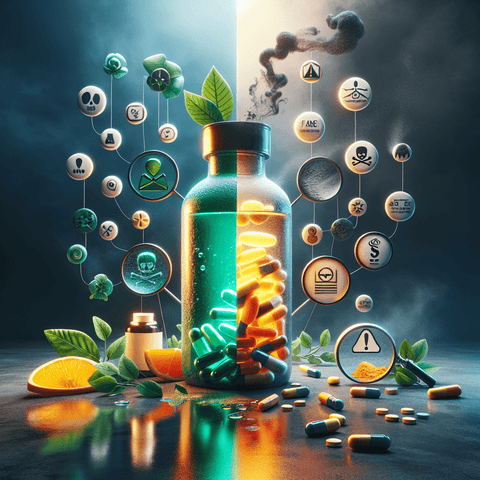
Dangerous diet pills promise fast weight loss but can carry serious health risks, from heart palpitations and liver damage to anxiety and insomnia. This guide explains how over-the-counter and prescription weight loss products work, which side effects are most concerning, and how to spot risky products before you buy. You'll also find evidence-informed, safer alternatives — including food-first strategies and, where appropriate, carefully selected nutritional support — to help you pursue weight management without compromising your health.
Introduction: Why "Dangerous Diet Pills" Are a Growing Concern
Weight loss supplements are among the fastest-selling categories in the wellness industry, yet their regulation, ingredient quality, and safety vary enormously. Some products have been linked to cardiovascular events, liver injury, and psychiatric symptoms — sometimes because of hidden pharmaceutical stimulants that never appear on the label. At the same time, the desire for a quick fix is understandable: appetite, energy, and metabolism are genuinely difficult challenges.
What You'll Learn in This Guide
This article covers what makes certain diet pills dangerous, which side effects have been documented, who faces the highest risk, and how to evaluate any weight loss product critically. It then outlines sustainable, nutrition-first strategies for weight management and explains where — and when — supplementation may genuinely have a role.
What Are Dangerous Diet Pills? Understanding the Risks
How Diet Pills and Weight Loss Supplements Work
Most weight loss products target one or more of three mechanisms: suppressing appetite, increasing energy expenditure or fat oxidation, or reducing nutrient absorption. Stimulant-based products typically rely on caffeine, synephrine (bitter orange), or related compounds to raise metabolic rate and reduce hunger. Fat blockers and fiber-based products aim to increase fullness or limit caloric absorption. The problem is that many ingredients affect multiple systems at once — including the heart, liver, and nervous system.
Prescription Weight Loss Drugs vs. Over-the-Counter Diet Pills
Prescription weight loss medications undergo clinical trials, are dispensed under medical supervision, and carry defined contraindications and monitoring requirements. Over-the-counter diet pills are typically sold as dietary supplements, which in many jurisdictions do not require pre-market approval for safety or efficacy. This means an OTC product can reach shelves with limited evidence behind it — and quality control rests largely with the manufacturer.
Why Unregulated and "Natural" Weight Loss Products Can Still Be Harmful
"Natural" does not mean risk-free. Ephedra, a plant-derived stimulant, was banned after being linked to deaths and cardiovascular events. Regulatory agencies have repeatedly found undeclared prescription drugs, banned stimulants, and undisclosed doses in supplements marketed for weight loss. Herbal compounds can also interact with medications or stress the liver, especially at high doses or in concentrated extracts.
Shocking Side Effects of Dangerous Diet Pills
Cardiovascular Risks: Elevated Heart Rate, Blood Pressure, and Palpitations
Stimulant-based diet pills can raise heart rate and blood pressure, and cause palpitations, chest discomfort, and in vulnerable individuals, more serious cardiac events. People with undiagnosed hypertension, arrhythmias, or heart disease may be particularly susceptible — sometimes without knowing they are at risk until symptoms appear.
Digestive and Liver-Related Side Effects
Common digestive complaints include nausea, diarrhea, cramping, and fatty stools (particularly with fat-blocking products). More concerning is liver injury: several herbal weight loss ingredients, including concentrated green tea extract at high doses on an empty stomach, have been associated with rare but documented cases of hepatotoxicity.
Mental Health Effects: Anxiety, Insomnia, and Mood Changes
High stimulant loads can trigger anxiety, jitteriness, irritability, and sleep disruption. Poor sleep itself undermines weight management by affecting hunger hormones and appetite regulation — creating a counterproductive cycle. Some users report mood swings or low mood, particularly during stimulant "crashes."
Hidden Stimulants and Banned Ingredients in OTC Diet Pills
One of the most serious risks is that a product may contain ingredients not listed on the label. Analyses by regulatory authorities have identified undisclosed sibutramine (a withdrawn drug), fluoxetine, and experimental stimulants in supplements sold as "natural." Because doses and combinations are unknown, users cannot assess their own risk.
Why People Turn to Diet Pills — and Safer Ways to Meet Those Same Goals
The Real Problems Diet Pills Try to Solve: Energy, Appetite, and Metabolism
Most people reaching for diet pills are struggling with low energy, strong cravings, or slow perceived progress. These are legitimate challenges — but they usually have addressable root causes: insufficient sleep, low protein and fiber intake, blood sugar fluctuations, chronic stress, and highly processed diets.
How Crash Dieting and Rapid Weight Loss Deplete Key Nutrients
Very low-calorie diets can fall short on protein, B vitamins, iron, magnesium, calcium, and other nutrients. Rapid weight loss may also accelerate loss of muscle mass and, in some cases, gallstone formation. Addressing energy and appetite through adequate nutrient intake — rather than stimulants — tends to support better long-term outcomes.
Why Sustainable Approaches Outperform Quick Fixes
Research consistently shows that gradual weight loss of roughly 0.5–1 kg per week, achieved through dietary changes, physical activity, and behavioral strategies, is more likely to be maintained than weight lost through aggressive short-term measures. Slow approaches also preserve muscle and metabolic function better.
Who Is Most at Risk from Diet Pills?
Age, Existing Health Conditions, and Medication Interactions
Risk increases with pre-existing heart disease, high blood pressure, thyroid disorders, anxiety disorders, kidney or liver conditions, and diabetes. Stimulant-containing products can interact with certain antidepressants, blood pressure medications, and other drugs. Older adults and adolescents face elevated risk due to differences in metabolism and cardiovascular resilience.
Pregnancy, Breastfeeding, and Weight Loss Supplements
Weight loss supplementation is generally not appropriate during pregnancy or breastfeeding, when nutrient and energy needs are elevated and many compounds can pass to the infant. Any weight concerns during these periods should be discussed with a healthcare professional.
Red Flags to Watch for When Evaluating Any Weight Loss Product
Marketing Claims That Signal a Risky Product
Be cautious of products promising rapid results ("lose 10 kg in a week"), claiming to work without diet or exercise, using vague "detox" or "fat-burning" language, featuring undocumented before-and-after photos, or described as having "secret" ingredients. Legitimate products make modest, qualified claims.
How to Check for Recalls, FDA Warnings, and Third-Party Testing
Before buying, search the product name alongside terms like "recall" or "warning" and check national regulator databases for contaminated supplement lists. Look for third-party testing or certification from independent organizations, and a manufacturer that discloses full ingredient amounts rather than hiding them in proprietary "blends."
Food-First Strategies for Healthy Weight Management
Protein, Fiber, and Satiety: Nutrients That Naturally Support Appetite Control
Protein is the most satiating macronutrient; including a source at each meal — eggs, fish, legumes, dairy, tofu — may help reduce overall calorie intake. Fiber-rich foods such as vegetables, whole grains, legumes, and fruit slow digestion, stabilize blood sugar, and promote fullness. Most adults fall short of recommended fiber intakes.
Blood Sugar Balance and Steady Energy Through Diet
Meals built around protein, fiber, and healthy fats with fewer refined carbohydrates tend to produce steadier energy and fewer cravings. Eating regularly, staying hydrated, and limiting sugary drinks are simple changes with meaningful effects on appetite patterns.
Lifestyle Foundations: Sleep, Stress, and Movement
Short sleep and chronic stress both disrupt hunger hormones like ghrelin and leptin, increasing appetite and cravings for calorie-dense foods. Prioritizing 7–9 hours of sleep, stress management practices, and regular movement — including resistance training to preserve muscle — supports weight management more reliably than any pill.
Where Nutritional Support Fits Into a Safer Weight Management Plan
Nutrients Often Involved in Energy Metabolism: B Vitamins, Magnesium, and Iron
B vitamins, magnesium, and iron all play roles in energy metabolism. Low iron is one of the most common nutrient gaps worldwide, particularly among menstruating women, and can manifest as fatigue that is easily mistaken for "slow metabolism." B vitamins and magnesium are involved in converting food into usable energy, though supplementation beyond adequate levels does not speed up metabolism.
Vitamin D and Its Role in Overall Metabolic Health
Vitamin D status has been associated with various aspects of metabolic health in observational research, though causal effects on weight remain uncertain. Because many people have low vitamin D due to limited sun exposure, supplementation may be worth discussing with a healthcare provider, ideally guided by a blood test.
Fiber Supplements, Green Tea Extract, and Other Studied Ingredients — What the Evidence Says
Glucomannan and other soluble fibers have modest evidence for supporting satiety when taken with sufficient water, and are among the few ingredients with authorized health claims in some jurisdictions. Green tea extract shows small effects on fat oxidation in some studies, but concentrated doses have been linked to rare liver injury — whole green tea as a beverage is a safer choice. No studied ingredient produces dramatic weight loss on its own.
Probiotics, Gut Health, and Weight: Current Research Overview
Research on the gut microbiome and body weight is a growing field, with some strains showing associations with modest changes in weight markers in early studies. Overall, the evidence remains preliminary and strain-specific, and probiotics should be viewed as an area of emerging interest rather than an established weight management tool.
When Supplementation May Be Relevant
Situations Where Diet Alone May Fall Short
Supplementation may be worth considering when calorie intake is deliberately restricted, when entire food groups are excluded, when blood tests indicate a confirmed gap, or when absorption is reduced by digestive conditions, age, or medications. A broad multivitamin at moderate doses can serve as a nutritional backstop during dieting — not as a weight loss aid.
Why Testing and Professional Guidance Should Come Before Guessing
Symptoms like fatigue or poor concentration have many possible causes and cannot confirm a nutrient deficiency. Blood tests for iron status, vitamin D, and vitamin B12 provide far more reliable information than guesswork, and a doctor or registered dietitian can interpret results in context.
How to Choose a Safe, High-Quality Supplement
Ingredient Forms, Dosage, and Bioavailability
Nutrients come in different chemical forms with varying absorption — for example, magnesium citrate is generally better absorbed than magnesium oxide, and iron bisglycinate is often gentler on digestion than ferrous sulfate. Compare products by the amount of elemental nutrient delivered per serving, not just the total extract weight.
Single Ingredients vs. Combination Formulas — Which Makes Sense?
Single-ingredient products make it easier to adjust doses and identify what suits you; combination formulas offer convenience but can contain overlapping ingredients or doses that exceed your needs. For weight management support, simple formulas with transparent labeling are generally preferable to complex "fat burner" blends.
Purity, Third-Party Certifications, and Manufacturing Standards
Look for products manufactured under recognized quality standards (such as GMP) and ideally verified by independent third-party testing, which screens for contaminants and confirms label accuracy. This matters especially in the weight loss category, where adulteration has been documented.
Reading Labels: Serving Sizes, Fillers, Allergens, and Added Stimulants
Check whether listed doses are per capsule or per serving, note allergens and fillers, and scan the ingredient list for hidden stimulants like yohimbine, synephrine, or excessive caffeine — sometimes disguised under names such as "guarana" or "tea blend."
Capsules, Tablets, Powders, and Liquids: Practical Differences
Capsules are convenient and often easier to tolerate; tablets can be more compact and affordable but may be harder to swallow; powders allow flexible dosing but require measuring; liquids may suit those who have difficulty swallowing pills. Practical fit with your routine usually matters more than marginal absorption differences between delivery methods.
How to Read a Supplement Label Like an Expert
Supplement Facts Panel: What Each Line Actually Means
The panel lists serving size, amount per serving of each nutrient, and the percentage of a reference intake value where established. Proprietary blends that lump ingredients together without individual amounts are a transparency red flag. Check the full ingredient list for additives and potential allergens.
Comparing Products by Form, Strength, and Quality Indicators
When comparing two products, look at nutrient form, elemental dose, serving size, presence of third-party certification, and whether claimed doses align with researched ranges. A lower dose of a well-absorbed form often outperforms a high dose of a poorly absorbed one.
Who May Benefit Most From Nutritional Support During Weight Loss
Groups at Higher Risk of Nutrient Gaps While Dieting
People on very low-calorie diets, older adults, menstruating women, vegans and vegetarians, and those with digestive conditions are among the groups more likely to develop nutrient gaps during weight loss. For them, targeted or broad-spectrum supplementation alongside a balanced diet may be reasonable.
When Professional Assessment Is Worthwhile
If you experience persistent fatigue, hair thinning, unexplained symptoms, or plan an extended calorie restriction, a professional assessment — including relevant blood work — is a worthwhile investment before adding supplements on your own.
Safety First: Interactions and When to Talk to a Professional
Combining Supplements With Medications or Existing Conditions
Nutrients and herbs can interact with medications — for example, iron can reduce absorption of certain drugs, and concentrated herbal extracts may affect liver enzymes that metabolize medications. Anyone taking prescription medication, or managing kidney, liver, thyroid, or cardiovascular conditions, should consult a healthcare professional before combining supplements.
Upper Intake Levels and Why "More" Isn't Better
Many nutrients have established upper intake levels beyond which adverse effects become more likely — for instance, excess iron can be harmful, high-dose vitamin D over time can raise calcium to unsafe levels, and high-dose vitamin B6 has been linked to nerve symptoms. Higher doses do not accelerate weight loss; they increase risk.
Making Your Decision: Diet Pills vs. a Smarter, Safer Approach
Questions to Ask Yourself Before Buying Any Weight Loss Product
- Does the claim sound too good to be true? Rapid, effortless results are a hallmark of risky products.
- Can I verify the full ingredient list and doses? Hidden blends and undisclosed stimulants are red flags.
- Have I addressed sleep, protein, fiber, and activity first? These fundamentals deliver more than any pill.
- Do I have conditions or take medications that raise my risk? If yes, professional advice comes first.
- Would a blood test tell me more than a supplement? Often, yes.
Building a Plan: Food, Lifestyle, and Targeted Nutritional Support
A sensible plan prioritizes balanced meals, adequate protein and fiber, consistent sleep, stress management, and regular movement. If a professional assessment identifies a genuine gap, choose a transparent, third-party-tested supplement at an evidence-aligned dose — and reassess periodically rather than accumulating products indefinitely.
Conclusion: Choosing Informed, Sustainable Health Over Quick Fixes
Dangerous diet pills trade long-term health for short-term promises, with documented risks ranging from cardiovascular strain to liver injury. The more reliable path — adequate nutrition, sleep, movement, and patience — may feel slower, but it works with your biology instead of against it. Nutritional needs vary by individual, and supplementation has a legitimate but limited role: filling confirmed gaps, not replacing food or medical care. Informed choices, guided by testing and professional advice where appropriate, will serve your health far better than any quick fix.
Key Takeaways
- Many over-the-counter diet pills are sold without pre-market safety testing, and some have been found to contain undisclosed pharmaceutical ingredients.
- Documented side effects of risky weight loss products include elevated heart rate, high blood pressure, palpitations, liver injury, anxiety, and insomnia.
- "Natural" does not mean safe — banned plant stimulants and concentrated herbal extracts can carry serious risks.
- People with heart conditions, high blood pressure, or on certain medications, as well as pregnant or breastfeeding women, face heightened risk.
- Red flags include rapid-results claims, proprietary blends, and promises of weight loss without lifestyle changes.
- Protein, fiber, sleep, stress management, and regular movement address the same goals diet pills target — more safely.
- Certain nutrients (B vitamins, iron, magnesium, vitamin D) support energy metabolism, but supplementation beyond adequate levels does not boost weight loss.
- Blood testing and professional guidance are more reliable than guessing about nutrient needs.
- When choosing supplements, prioritize transparent labels, bioavailable forms, appropriate doses, and third-party testing.
- Gradual, sustainable weight loss of roughly 0.5–1 kg per week is more likely to last than rapid loss from pills or crash diets.
Frequently Asked Questions
Are diet pills dangerous for everyone?
Risk varies considerably by individual. Healthy adults taking a transparent, well-studied product at appropriate doses face lower risk than someone with heart disease, high blood pressure, or anxiety — or someone taking a product with hidden stimulants. Pre-existing conditions and medications substantially change the risk profile.
What are the most common side effects of weight loss supplements?
Jitteriness, elevated heart rate, insomnia, nausea, and digestive upset are among the most frequently reported. More serious effects — liver injury, severe hypertension, and cardiac events — are less common but well documented, particularly with stimulant-heavy or adulterated products.
Can "natural" or herbal diet pills harm your liver?
Yes. Concentrated green tea extract at high doses and several other herbal weight loss ingredients have been linked to rare but confirmed cases of liver injury. Whole herbal foods and beverages are generally lower risk than concentrated extracts.
How can I tell if a diet pill contains banned ingredients?
You often cannot tell from the label, which is why adulteration is so concerning. Check national regulator databases for warning lists, look for third-party testing, avoid products with proprietary blends, and be skeptical of dramatic results reported by other users.
Do metabolism-boosting vitamins actually work for weight loss?
B vitamins, iron, and magnesium are essential for energy metabolism, but supplementing beyond adequate levels does not increase metabolic rate or cause weight loss. Correcting a confirmed deficiency may restore normal energy levels, but it is not a weight loss strategy in itself.
What foods naturally help control appetite?
Protein-rich foods (eggs, fish, legumes, dairy), high-fiber foods (vegetables, whole grains, fruit), and foods containing water and volume (soups, salads) promote satiety most effectively. Eating these consistently can reduce overall calorie intake without stimulants.
Is glucomannan safe and effective for weight management?
Glucomannan is a soluble fiber with modest evidence for supporting satiety and has authorized weight-related claims in some jurisdictions when taken with sufficient water before meals. It is generally well tolerated, but like any fiber, inadequate fluid intake can cause choking or digestive discomfort.
Should I take a multivitamin while dieting?
If you are eating a balanced, moderately reduced-calorie diet, you may not need one. On more restrictive diets or when food groups are excluded, a moderate-dose multivitamin can help fill gaps. It supports nutritional adequacy — it does not cause weight loss.
Can diet pills interact with antidepressants or blood pressure medication?
Yes. Stimulant ingredients can dangerously raise blood pressure and heart rate when combined with certain medications, and some compounds interact with serotonergic drugs. Always check with a healthcare professional or pharmacist before combining any weight loss product with prescription medication.
How much weight loss per week is considered safe?
Most experts consider 0.5–1 kg (about 1–2 pounds) per week sustainable and safer than faster loss. Faster loss increases the risk of muscle loss, nutrient deficiencies, gallstones, and rebound weight gain.
Why do I feel tired and crave sugar when dieting?
Fatigue and cravings can result from insufficient calories, low protein or iron intake, poor sleep, or blood sugar swings from refined carbohydrates. Because these symptoms have many causes, a blood test and professional evaluation are more useful than self-diagnosis.
When should I see a doctor about weight management?
Consult a healthcare professional if you have existing health conditions, take medications, plan significant calorie restriction, experience persistent symptoms like fatigue or hair loss, or if unexplained weight changes occur. They can assess underlying factors and guide safe, individualized approaches.
Related Keywords
- dangerous diet pills
- diet pill side effects
- weight loss supplement risks
- hidden stimulants in supplements
- liver damage from weight loss pills
- natural weight loss alternatives
- appetite control through diet
- safe supplements for weight management
- supplement label red flags
- third-party tested supplements
- fiber supplements and satiety
- nutrient deficiencies while dieting
- fat burner safety
- sustainable weight loss tips