
Explore how darker skin tones shape beauty, culture, and identity. Around the globe, darker skin tones have inspired unique aesthetics, rituals, and expressions of self. This page highlights empowering stories from artists, designers, and communities who celebrate depth, shade, and texture as a source of strength and creativity. Challenging stereotypes: Traditional beauty standards often centered lighter tones, obscuring the richness of darker skin tones. Today, photographers, filmmakers, and brands are reframing narratives to honor depth and variety. By foregrounding contrast, color, and light, they shape fashion, makeup, and design in ways that uplift darker skin tones and celebrate every shade along the spectrum. Culture and identity: darker skin tones carry histories, languages, and crafts that echo through generations. Hair textures, ceremonial attire, and everyday style become languages of belonging, with darker skin tones at the heart of storytelling. Across communities, people bring solar-bright creativity, from art and music to fashion and media, to assert pride in authentic beauty across shades. Celebration and inclusion: this page invites you to listen to voices that center darker skin tones, to amplify stories of resilience, and to reclaim beauty standards with empathy and nuance. By sharing experiences and elevating diverse perspectives, we can craft a more inclusive culture where authentic beauty across shades is not a niche but a norm.
Darker Skin Tones: Beauty, Culture, and Identity
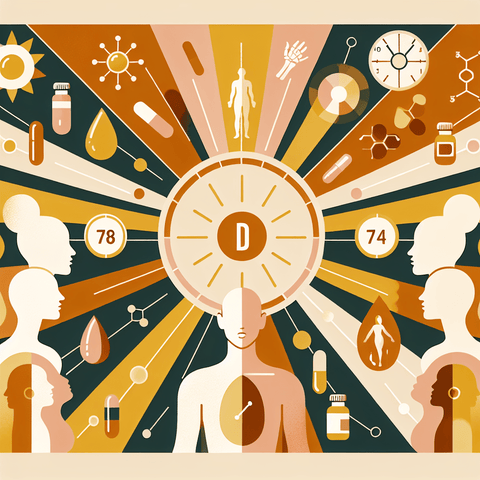
Understanding How Skin Type Affects Vitamin D NeedsVitamin D is essential for bone health, immune function, and overall well-being, and your body produces it when your skin is exposed to ultraviolet B (UVB) rays from sunlight. However, not all skin types produce vitamin D at the same rate. Melanin, the pigment that gives skin its color, acts as a natural sunscreen, absorbing UVB rays and reducing the skin's ability to synthesize vitamin D. This means that individuals with darker skin tones generally need more sun exposure to produce the same amount of vitamin D as those with lighter skin. In this article, we explain the science behind this difference, answer the question of which skin type needs more sun for vitamin D, and provide practical guidance for maintaining healthy levels through sun exposure and supplements.Skin Pigmentation and Sunlight: Who Needs More Time in the Sun?The Fitzpatrick scale classifies skin types from I (very fair) to VI (deeply pigmented). People with lighter skin types (I–III) typically synthesize vitamin D efficiently, requiring only 10–30 minutes of midday sun exposure a few times per week. In contrast, those with darker skin types (IV–VI) may need 30–60 minutes or more to achieve equivalent vitamin D production because their higher melanin content blocks UVB rays. This increased requirement is especially pronounced in regions with limited sunlight or during winter months. While darker skin offers natural protection against sun damage, it also increases the risk of vitamin D deficiency if sun exposure is inadequate. Understanding your skin type and local conditions is key to determining how much sun you need for optimal vitamin D synthesis.Practical Tips for Meeting Your Vitamin D NeedsTo maintain adequate vitamin D levels, consider your skin type, geographic location, and lifestyle. For darker skin types, aim for longer sun exposure during peak UVB hours (10 a.m. to 3 p.m.) while avoiding sunburn. If consistent sun exposure is challenging, incorporate vitamin D-rich foods like fatty fish and fortified products, and consider high-quality supplements to bridge the gap. Consulting a healthcare professional for a blood test can help you determine your personal vitamin D status and guide appropriate supplementation. By tailoring your approach to your skin type, you can safely optimize your vitamin D levels and support your overall health.