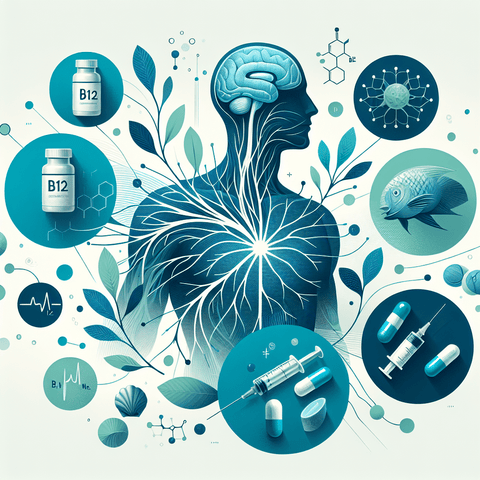
Recognizing deficiency symptoms is crucial to maintaining optimal health. This guide provides a broad overview of the seven early signs that suggest your body may be lacking essential nutrients. We will explore what these symptoms are, how they develop, and why early recognition is so important. Crucially, we will also explain the difference between a symptom and a confirmed diagnosis, and offer practical, safe steps for restoring balance. This topic matters because nutrient deficiencies can affect your energy levels, mood, immune function, and long-term well-being. Let's delve into what deficiency symptoms are, how they develop, and how you can take charge of your nutritional health.
Core Explanation: What Deficiency Symptoms Are and How They Develop
Deficiency symptoms are specific physical or mental signs that may indicate a lack of essential vitamins, minerals, or other nutrients in the body. While everyday fatigue, stress, and lifestyle factors can contribute to feelings of sluggishness or discomfort, deficiency symptoms are often more persistent and can be linked directly to dietary gaps.
Distinguishing Deficiency Symptoms from Everyday Fatigue or Stress
Understanding the nuances between everyday tiredness and a nutrient deficiency is vital for accurate self-assessment. For example, occasional fatigue after a poor night's sleep is normal, but persistent exhaustion that doesn't improve with rest could be a sign of an iron or vitamin B12 deficiency.
How Nutrient Gaps Manifest Differently Across Individuals
Individual biology dramatically influences how deficiency symptoms present. Factors such as age, sex, activity level, and overall health status can lead to varying symptoms, even among individuals with the same deficiency. For instance, an iron deficiency may result in significant fatigue for one person while causing restless legs in another.
The Difference Between Symptoms and a Confirmed Diagnosis
It’s crucial to recognize that experiencing potential deficiency symptoms does not confirm a diagnosis. Professional assessments and laboratory tests are necessary for a definitive understanding of any nutritional deficiencies. A healthcare provider can determine the underlying causes of symptoms and recommend appropriate actions, ruling out other medical conditions that may mimic these signs.
Why This Topic Matters for Your Well-being
Potential Health Consequences of Ignoring Early Nutrient Signs
Ignoring the early signals of potential nutrient deficiencies can have serious health consequences over time. Prolonged gaps in essential vitamins and minerals can contribute to chronic health issues, cognitive decline, and a weakened immune system. Addressing symptoms proactively can help mitigate these long-term risks.
Impact on Energy, Immunity, Mood, and Long-term Health
Nutrient deficiencies can significantly impact various aspects of health. Energy levels can drop, the immune system may weaken, and mood can fluctuate due to a lack of essential nutrients. Recognizing these impacts early allows individuals to make informed decisions about dietary changes and lifestyle modifications before these issues become more serious.
The Value of Early Recognition in Guiding Dietary Changes
Early identification of potential symptoms provides an opportunity to make necessary dietary adjustments. This proactive approach can help restore balance and enhance overall health. It can also serve as a useful prompt to discuss your nutritional status with a healthcare professional.
The 7 Early Signs to Watch For
While this list covers common signs, it is not exhaustive. These symptoms can also be caused by other health conditions. Always consult a doctor for a proper evaluation.
Sign 1 — Persistent Fatigue and Low Energy
Two common nutrients associated with persistent fatigue are iron and vitamin B12. A deficiency in iron can lead to anemia, causing tiredness and weakness. Similarly, a lack of vitamin B12 may result in low energy levels and cognitive issues.
Sign 2 — Brittle Nails, Hair Changes, or Hair Loss
Brittle nails and noticeable hair changes can be a signal of deficiencies in biotin, zinc, or iron. These nutrients are essential for maintaining the structural health and vitality of hair and nails.
Sign 3 — Skin Issues: Dryness, Rashes, or Dermatitis
Dry skin or persistent rashes may indicate a deficiency in essential fatty acids, vitamin A, or zinc. These nutrients play vital roles in skin health, influencing moisture retention and cell regeneration.
Sign 4 — Digestive Changes and Appetite Shifts
A lack of magnesium, vitamin D, or certain types of fiber can manifest as digestive issues or changes in appetite. These nutrients are crucial for promoting healthy gastrointestinal function.
Sign 5 — Mood Shifts, Anxiety, or Brain Fog
B vitamins, omega-3 fatty acids, and vitamin D are linked to mental and emotional health. Deficiencies in these nutrients may contribute to mood disorders, feelings of anxiety, or difficulty concentrating.
Sign 6 — Muscle Cramps or Restless Legs
Muscle cramps or sensations of restless legs are often associated with low levels of magnesium or potassium. These minerals are essential for proper neuromuscular function.
Sign 7 — Frequent Infections or Slow Wound Healing
Inadequate intake of zinc, vitamin C, or protein can lead to a compromised immune response. This may manifest as frequent infections or delays in wound healing, as these nutrients support immune function and tissue repair.
Related Signals and Health Implications
Subclinical Deficiencies and the Value of Lab Tests
Subclinical deficiencies can occur without any obvious symptoms, making regular check-ups crucial. Lab tests can help identify these hidden gaps, but understanding their limitations is also important. Not all symptoms correlate directly with specific nutritional deficiencies, and a test can provide objective data.
Nutrient Interactions and Synergistic Effects
Nutrient interactions can complicate the picture. For instance, low vitamin D levels can impair calcium absorption, leading to further imbalances. Understanding these synergistic effects is vital when addressing nutrient needs to ensure the body can effectively use the nutrients consumed.
When Symptoms Overlap with Medical Conditions or Medications
Some medical conditions or medications can mimic deficiency symptoms, complicating self-diagnosis. Gastrointestinal disorders like celiac disease or Crohn's disease, thyroid issues, and other malabsorption conditions can affect nutrient absorption and lead to similar symptoms. A healthcare professional can help distinguish between these causes.
Why Symptoms Alone Do Not Reveal the Root Cause
Understanding that symptoms are clues, not diagnoses, is fundamental. They signal that further investigation is needed to ascertain the root cause and determine appropriate interventions.
Symptoms Are Clues, Not Diagnoses
Experiencing one or more of these symptoms does not mean you have a nutrient deficiency. Your body may be signaling another underlying condition that requires attention.
Other Conditions That Mimic Nutrient Deficiency
Several medical conditions can produce symptoms similar to nutritional deficiencies. This overlap makes professional evaluation critical for accurate diagnosis and effective treatment pathways. For example, chronic fatigue can stem from various issues, not just a B12 deficiency.
The Importance of Professional Assessment and Objective Testing
Professional assessments and objective lab testing provide valuable insights into your nutritional status. While self-education is beneficial, consulting healthcare providers ensures safety and efficacy in addressing any deficiencies and avoids missing other potential health problems.
The Role of Nutritional Supplements in This Topic
Supplements can be a useful tool in addressing confirmed or suspected dietary gaps. However, they are most effective when used thoughtfully and in conjunction with a balanced diet.
When Supplementation Could Help
Nutritional supplements may help when dietary gaps exist, particularly in certain life stages or among at-risk groups. For example, older adults, vegetarians, and pregnant women may require additional nutrients to meet their specific needs.
Types of Supplements That May Support Dietary Gaps
Multivitamins and individual nutrient supplements, such as vitamin D or magnesium, are often considered to address specific gaps. Fortified foods may also provide essential nutrients to support overall intake.
Evidence, Safety, and Quality Considerations
When considering supplements, evaluating their quality and evidence base is crucial. Look for products with clear labeling and third-party testing for purity. Be aware of potential interactions with medications and the risks of over-supplementation. Always discuss your plans with a healthcare provider.
Individual Variability and Uncertainty
How Age, Sex, and Lifestyle Influence Symptoms
Age, sex, and specific life stages, such as pregnancy or lactation, significantly influence nutrient needs and how potential symptoms may present. Lifestyle choices, including diet quality and alcohol consumption, can also impact nutrient levels and the manifestation of any deficiencies.
Embracing Uncertainty in Self-Assessment
While symptoms can be indicative of potential nutrient deficiencies, it is essential to recognize the inherent uncertainty. Self-diagnosis is unreliable. Consultation with healthcare professionals and thorough medical evaluations are necessary for accurate assessments and to rule out other causes.
Decision-Support: When Supplements Make Sense
Scenarios Where Supplements Are Reasonable
Several situations make supplementation a reasonable consideration, such as aging, dietary restrictions like veganism, pregnancy, or health conditions that impair absorption. Recognizing these contexts allows for more informed decision-making in consultation with a professional.
A Step-by-Step Decision Process
If you are concerned about deficiency symptoms, a logical process can help you navigate the issue responsibly.
- Assess your symptoms honestly and note how persistent they are.
- Review your current diet to identify potential gaps in key nutrients.
- Consider any medical history or medications that may influence your nutritional needs.
- Consult a healthcare provider for tailored advice and to rule out other conditions.
- Consider lab testing if your healthcare provider indicates it is necessary to confirm a deficiency.
How to Translate Decisions to Topvitamine
When choosing products, it's helpful to focus on your specific nutrient needs, dosage preferences, and dietary restrictions. Resources like the multivitamins guide can help you understand what a balanced supplement might contain. Furthermore, exploring specific guides like the vitamin D benefits guide can provide detailed information on specific nutrients.
Practical Strategies for Using Supplements Safely
If you and your healthcare provider decide that supplements are appropriate, it is important to use them responsibly.
Diet Plus Supplement Synergy
Optimizing nutrient intake through both dietary sources and supplements can enhance overall wellness. While supplements can fill specific gaps, focusing on a balanced, whole-food diet remains fundamental to good health. For a deeper understanding of dietary sources, you might find the superfoods guide a valuable resource for nutrient-dense food ideas.
Monitoring Response and Avoiding Over-Supplementation
Continued monitoring of symptoms and dietary intake is crucial. The goal is to correct a deficiency, not to consume excessive amounts of vitamins and minerals, which can also have adverse effects. Professional consultations are the best way to determine the right course of action and duration for any supplement regimen.
Conclusion: Your Path to Better Nutritional Health
Quick Recap and the Cautious, Evidence-Based Use of Supplements
Recognizing the potential signs of a deficiency is the first step toward better health management. The earlier you acknowledge symptoms, the more effectively you can make dietary changes and fill nutritional gaps with the help of a healthcare professional. Supplements can play a role, but they should be used wisely and as part of a broader healthy lifestyle.
How to Search and Filter Topvitamine for Relevant Products
You can use Topvitamine’s user-friendly filters to find products that align with your specific nutrient needs. This resource is designed to be an invaluable tool for enhancing your nutritional health by making it easier to find high-quality supplements that match your personal health profile.
Important Reminder: Persistent Symptoms Warrant Professional Medical Advice
While a healthy diet and supplements can support overall well-being, persistent symptoms may indicate an underlying condition that requires professional medical evaluation. Do not ignore persistent signs or attempt to treat them solely on your own. Always consult your healthcare provider for personalized recommendations, proper testing, and comprehensive care.
Key Takeaways
- Deficiency symptoms can indicate underlying nutrient gaps, but they are not definitive proof.
- Individual variability in how symptoms present means a symptom in one person might not be the same in another.
- Recognizing early signs can prompt beneficial changes and prevent long-term health issues.
- Nutrient overlaps and interactions can complicate what seems like a straightforward deficiency.
- Professional assessments and lab testing are essential for an accurate diagnosis.
- Supplements can effectively address gaps but should not replace a balanced diet.
- Monitor your symptoms and responses carefully when using any new supplement.
- Specific life stages, like pregnancy or aging, may necessitate increased focus on certain nutrients.