
dha and epa-rich foods refer to sources that contain the long-chain omega-3 fatty acids DHA and EPA. This page centers on understanding what the term means, how DHA and EPA appear on nutrition information, and how this concept fits into everyday eating choices. By focusing on dha and epa-rich foods, the guide aims to demystify labeling, measurement, and the ways researchers talk about these nutrients. The tone stays practical and evidence-based, with no claims asserted about health outcomes. Practical tips help you identify dha and epa-rich foods in product labels. Start by checking for explicit mentions of DHA and EPA and take note of the amount per serving, typically listed in milligrams. Compare options using consistent serving sizes so you can make apples-to-apples assessments. Be mindful of how packaging and fortification statements can influence the listed values, and consider any third-party certifications related to omega-3 content. Quick ideas and a science-oriented framework accompany the discussion. The page offers concise steps for evaluating options, organizing information, and planning purchases without naming specific items. It explains how scientists frame the study of dha and epa-rich foods, including common research designs and methods used to quantify fatty acid content. The emphasis is on understanding the keyword and applying it through a label-focused, evidence-informed lens. Explore now to see how dha and epa-rich foods are presented in practical terms, with clear guidance and reference points. If you want a focused resource that connects labeling, measurement, and science-informed perspectives, this page provides a concise starting point.
DHA- and EPA-Rich Foods: Top Picks for Brain and Heart Health
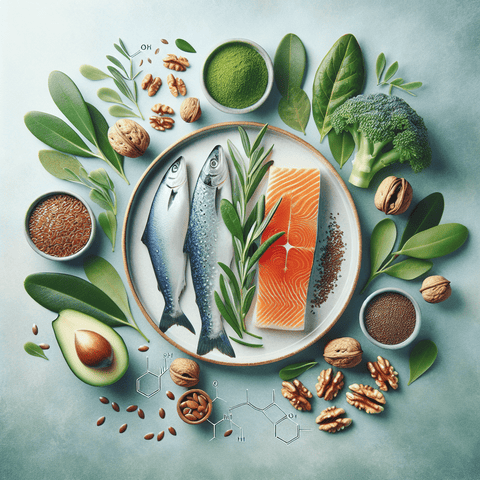
Omega-3 Rich Foods: Your Quick ReferenceOmega-3 fatty acids are essential for heart and brain health, but your body cannot produce them on its own. The most direct sources are fatty fish like salmon, mackerel, and sardines, which provide EPA and DHA. For plant-based eaters, flaxseeds, chia seeds, and walnuts offer ALA, though conversion to EPA and DHA is limited. Many people choose fish oil or algal oil supplements to ensure consistent intake.How to Choose the Best Omega-3 Sources for Your DietWhen selecting omega-3 foods, consider your dietary preferences, sustainability, and health goals. Fatty fish are the richest sources, but you can also rely on fortified foods, algae-based supplements, or a combination of ALA-rich plants. If supplements appeal to you, look for high-quality options that indicate EPA and DHA content and purity testing.Practical Tips for Increasing Your Omega-3 IntakeTo boost omega-3 levels, aim for at least two servings of fatty fish weekly, incorporate ground flaxseeds into smoothies and baked goods, and use walnut oil in dressings. For plant-based diets, consider algal oil supplements to directly supply DHA. Always consult a healthcare professional before starting supplements, especially if you are pregnant or on medications.