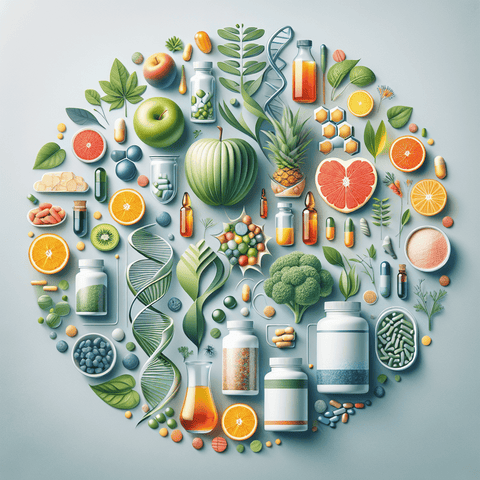
Dietary antioxidant aids include a broad family of natural compounds found in many everyday foods. These substances — vitamins, minerals, flavonoids, and other plant nutrients — are widely studied for their role in helping to protect cells from oxidative stress caused by free radicals. Rather than focusing on a single nutrient, the topic is best understood as a whole-food approach to supporting your body's natural defenses through color, variety, and flavor.
What Are Dietary Antioxidant Aids?
Dietary antioxidant aids are naturally occurring compounds in food that help neutralize free radicals — unstable molecules that can damage cells through a process called oxidative stress. While the body produces its own antioxidants, dietary sources help maintain a healthy balance. The most familiar dietary antioxidants include nutrients with specific roles in the body, such as vitamins, minerals, and a wide range of plant compounds that work together in complex ways.
Understanding this category moves beyond the idea of one single miracle ingredient. It is the combination and variety of these compounds in a balanced diet that is thought to support overall health. For more detailed guidance on specific nutrients, you can explore our vitamin C collection or vitamin E collection for more specific information about these well-known nutrients.
The Role of Antioxidants in the Body
Antioxidants contribute to the body's complex defense network. Their primary role is to interact with and neutralize free radicals, which are produced naturally during metabolism and through exposure to environmental factors like pollution and sunlight. When free radicals outnumber antioxidants, a state called oxidative stress can occur. Over time, chronic oxidative stress is a factor that researchers continue to explore for its potential influence on the aging process and on the development of certain health conditions.
It is important to understand that antioxidant activity in the body is not a simple one-to-one process. Different antioxidants work in different parts of the cell, and some require other nutrients to function effectively. For example, certain minerals act as components of antioxidant enzyme systems. This is why a varied diet — rather than a single high-dose supplement — is widely considered the most reliable approach to supporting your body's antioxidant capacity.
Types of Dietary Antioxidant Aids
Dietary antioxidants encompass several distinct groups, each with different roles and food sources. Recognizing these categories helps you understand the broad range of options available. The major types include:
- Vitamin antioxidants: Vitamins C and E are the most widely recognized. Vitamin C is found in citrus fruits, berries, and peppers. Vitamin E is abundant in nuts, seeds, and vegetable oils.
- Mineral cofactors: Minerals like selenium, zinc, and copper are not antioxidants themselves, but they are essential components of the body's own antioxidant enzyme systems. Good sources include nuts, whole grains, legumes, and seafood.
- Carotenoids: These colorful pigments give plants their yellow, orange, and red hues. Beta-carotene, lycopene, and lutein are examples. Carrots, tomatoes, sweet potatoes, and leafy greens are rich sources.
- Flavonoids: This is a vast family of plant compounds found in berries, citrus fruits, tea, wine, and dark chocolate. They contribute to the deep colors of many fruits and vegetables and are among the most studied antioxidants.
- Other phytonutrients: This group includes various compounds such as resveratrol, found in grapes; curcumin, found in turmeric; and allicin, found in garlic. Many are being researched for their unique properties.
Top Food Sources of Dietary Antioxidants
Perhaps the most common question is simply which foods to eat. Rather than memorizing a strict list, a useful rule of thumb is to eat a rainbow of colors across your diet. Each color family tends to contain different antioxidant compounds.
- Fruits: Berries (blueberries, strawberries, raspberries), citrus fruits, cherries, grapes, and pomegranates are all concentrated sources. Variety is key, as different fruits offer different antioxidants.
- Vegetables: Leafy greens like spinach and kale, cruciferous vegetables like broccoli, and colorful options like peppers, beets, and carrots are excellent choices. Darker or more vibrant colors often indicate higher antioxidant content.
- Whole grains and legumes: Beans, lentils, oats, and brown rice provide valuable antioxidants, along with fiber and other nutrients. These foods form a helpful base for many antioxidant-rich meals.
- Nuts and seeds: Walnuts, pecans, sunflower seeds, and flaxseeds are good sources of vitamin E and other protective compounds. They are easy to add to breakfasts, salads, and snacks.
- Herbs and spices: Often overlooked, these are some of the most concentrated antioxidant sources available. Turmeric, ginger, cinnamon, oregano, and cloves can dramatically increase the antioxidant content of a meal.
- Beverages: Green and black tea, coffee, and red wine (in moderation) are significant sources of flavonoids and other antioxidants in many diets.
For an overview of related nutrient-rich food categories, you can review our superfoods guide which covers foods with high nutrient density.
Practical Ways to Increase Your Antioxidant Intake
Increasing your intake of dietary antioxidants does not require a major overhaul of your diet. Small, consistent adjustments are often the most sustainable. Consider these practical strategies:
- Plan for color variety at each meal. Aim for at least two or three different colored fruits or vegetables per meal.
- Keep chopped vegetables and washed fruit visible and ready to eat in your refrigerator for convenient snacks and meal add-ins.
- Add herbs and spices generously. Sprinkle cinnamon on oatmeal, add turmeric to rice or soups, and use fresh herbs to finish cooked dishes.
- Blend a handful of spinach or berries into smoothies — the flavor is subtle, but the antioxidant variety increases significantly.
- Build grain bowls with a base of whole grains, a colorful variety of roasted vegetables, and a handful of seeds or nuts for texture and additional nutrients.
- Swap refined snacks for a small handful of nuts, a piece of fruit, or a serving of plain yogurt with berries.
Antioxidant Supplements: What to Consider
While supplements can help fill specific nutritional gaps, they are not a substitute for a varied and balanced diet. Whole foods contain a complex matrix of antioxidants and other nutrients that interact in ways that are difficult to replicate in a single supplement. High-dose antioxidant supplements are an area of ongoing scientific research, and the effects are not always equivalent to those obtained from food.
If you are considering an antioxidant supplement, it is worth exploring well-researched individual nutrients. Many people look to familiar options like vitamins C and E, or broader categories like herbal supplements with traditional antioxidant uses. You can find educational resources on herbal supplements and their traditional uses to inform your choices. Always discuss any new supplement with a healthcare professional, especially if you have underlying health conditions or take medications.
Balancing Antioxidants in Your Overall Diet
A practical approach to dietary antioxidant aids is to view them as one important part of a healthy eating pattern, rather than as a separate category to optimize in isolation. The most effective way to support your body's defenses is to combine a wide range of antioxidant-rich foods with other healthy habits — adequate hydration, regular physical activity, sufficient sleep, and stress management.
Keep a short mental list of your favorite go-to antioxidant foods and find simple ways to include them regularly. This tag page explores the broad topic of dietary antioxidant aids and serves as a hub for more specific questions. Explore the related articles below for deeper dives into particular nutrients, food groups, and the latest scientific understanding.