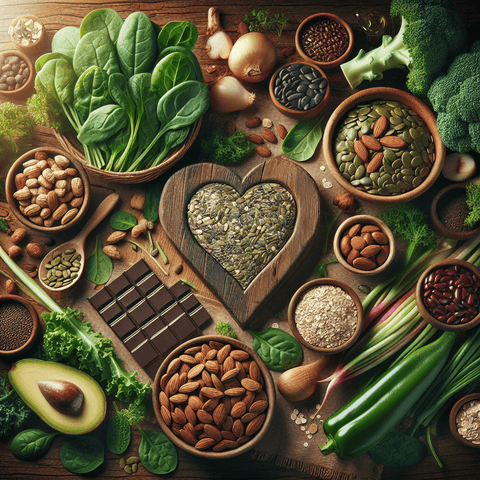
Magnesium is a mineral that occurs naturally in a variety of foods, and dietary magnesium foods are the everyday ingredients and meals that contribute it to the diet. Because the body does not produce magnesium on its own, it depends on food and, where relevant, supplements to obtain it. Magnesium is involved in normal energy metabolism, normal muscle function, and the maintenance of normal bones, among other physiological roles.
This tag page is a broad overview of dietary magnesium foods. It explains which food groups tend to contribute magnesium, how amounts can vary by food and serving, and how magnesium-rich choices can be worked into everyday meals. More specific questions, such as particular comparisons or detailed symptom discussions, are covered in the individual articles associated with this tag.
What Are Dietary Magnesium Foods?
Dietary magnesium foods are foods that contain magnesium as part of their natural nutrient composition. They are not a separate or specialty category of food; they include many common ingredients found in typical kitchens and supermarkets. The amount of magnesium in a given food depends on the food itself, the portion size, how it has been processed, and how it is prepared.
For practical purposes, dietary magnesium foods are often grouped by food category: nuts and seeds, legumes, leafy green vegetables, whole grains, and certain dairy or fortified products. Looking at magnesium through these categories can make it easier to see where it appears in the diet and how different meals might contribute. This page focuses on that broad picture rather than on exhaustive per-food data.
Why Magnesium-Rich Foods Matter in the Diet
Magnesium is considered an essential mineral, which means it must be supplied through the diet. It contributes to normal energy-yielding metabolism, normal muscle function, and the maintenance of normal bones. These are general physiological roles, and individual magnesium requirements can vary based on factors such as age, life stage, and overall diet.
Because magnesium is distributed across many food groups, people who eat a varied diet may already include several dietary magnesium foods without necessarily thinking about it. At the same time, dietary patterns that rely heavily on refined grains or that exclude certain food groups may provide fewer opportunities for magnesium intake. Understanding which foods contribute magnesium can therefore help readers review their own eating patterns in a general, educational way.
Main Food Groups That Provide Magnesium
Dietary magnesium foods are spread across several food groups. The categories below are a broad overview rather than a complete list, and specific articles linked from this tag page explore individual foods and comparisons in more detail.
Nuts and Seeds
Nuts and seeds are often mentioned among dietary magnesium foods. Almonds and pumpkin seeds are common examples. They can be eaten on their own, added to salads and soups, or used as toppings for yogurt and breakfast bowls. Because they are energy-dense, portion size is a practical consideration when including them regularly.
Legumes
Legumes such as black beans are another category that contributes magnesium. They appear in many everyday meals, including bowls, wraps, soups, and side dishes. Canned and dried versions are both common, and preparation method can influence how they are used in cooking.
Leafy Green Vegetables
Leafy green vegetables, such as spinach, are frequently included in discussions of dietary magnesium foods. They can be used raw in salads, cooked as a side dish, or blended into smoothies. As with other foods, the amount of magnesium contributed depends on how much is actually eaten.
Whole Grains
Whole grains such as oats, quinoa, and barley are commonly referenced as sources of magnesium. Choosing whole-grain options more often, in place of refined grains, is a practical way to include more of these foods in the diet. Whole-grain breads can also be part of this category.
Dairy and Fortified Alternatives
Yogurt and certain fortified dairy alternatives can also contribute magnesium. They are often used as a base for smoothies, as a topping, or as part of breakfast. Nutrient content can vary between products, so labels are a useful reference where specific amounts matter.
How Magnesium Amounts Can Vary
Magnesium content is not identical across all foods in a category. It can differ based on the specific food, the variety, the growing conditions, and how the food has been processed. Refining grains, for example, can reduce magnesium content compared with whole-grain versions. Cooking and preparation methods can also affect the amount that ends up in the food as eaten.
For these reasons, this page does not attempt to provide a precise milligram breakdown for every food. Instead, it presents dietary magnesium foods at a category level and encourages readers to treat any specific numbers they encounter as approximate references rather than fixed values. Where more detailed amounts are relevant, dedicated articles can explore that level of detail.
Easy Swaps and Meal Ideas
Including more dietary magnesium foods does not necessarily require a new diet. Small adjustments to existing meals can be a practical starting point.
- Swap refined grains for whole-grain options such as oats, quinoa, or barley.
- Add a handful of almonds or pumpkin seeds to salads, soups, or yogurt.
- Replace some snacks with mixed nuts and seeds.
- Mix beans into bowls, wraps, and soups.
- Choose yogurt or fortified dairy alternatives as a base for smoothies or toppings.
Three simple meal ideas illustrate how these foods can come together: an oat breakfast bowl with milk, banana, almond butter, and a sprinkle of seeds; a bean and grain bowl combining cooked quinoa, warm black beans, chopped vegetables, olive oil, and lime juice; and a green smoothie blending spinach, yogurt, banana, and milk with a handful of oats or flaxseed for texture.
Magnesium Foods Alongside Supplements
Food is the primary way most people obtain magnesium, but supplements are also available. Supplement forms, dosages, and suitability can differ, and they are not necessarily appropriate for everyone. General information about supplemental magnesium, including different forms and broad usage considerations, is covered in dedicated resources rather than in detail on this tag page.
Readers interested in the broader context of mineral intake may also wish to explore our magnesium supplement guide or our mineral supplements overview. These resources sit alongside the food-focused information on this page and can help place dietary magnesium foods in a wider nutritional context.
Important Considerations
Magnesium requirements and tolerances can vary between individuals. Some medical conditions, medications, and life stages may influence how much magnesium is appropriate. This page provides general educational information only and is not intended as personalized medical or dietary advice.
Anyone with specific health concerns, symptoms, or questions about their individual magnesium needs should consult a qualified healthcare professional. Similarly, decisions about whether to use magnesium supplements are best made with appropriate professional guidance.
Exploring the Topic Further
Dietary magnesium foods span many categories and can be included in a variety of everyday meals. The articles associated with this tag page explore specific questions in more depth, such as particular food comparisons, magnesium amounts, and practical dietary topics. Readers who want to broaden their understanding of related nutrients may also find useful context in our superfoods and nutrient guide.