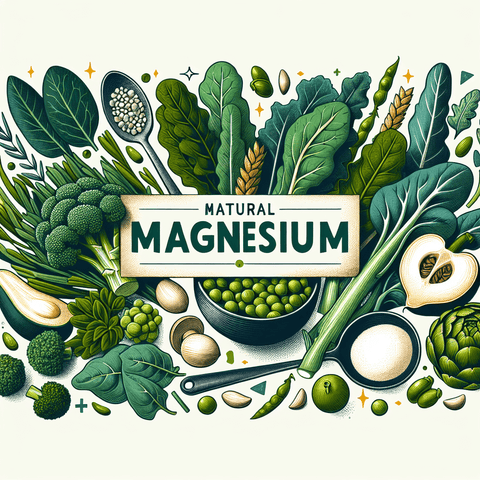
Magnesium is an essential mineral crucial for various bodily functions, yet many people don't consume enough of it. One of the best ways to boost your magnesium intake is through dietary magnesium vegetables. This guide will help you explore magnesium-rich vegetables and their health benefits, explain how magnesium supports your body, and provide insights into supplementation when necessary. By the end, you'll have actionable tips to enhance your diet with magnesium-rich greens and understand when to consider nutritional supplements.
Introduction: Dietary Magnesium Vegetables and Your Daily Health Goals
Framing the Topic
Vegetables are natural sources of magnesium, playing a vital role in a balanced diet. Incorporating dietary magnesium vegetables can significantly improve your overall health, supporting essential physiological functions.
What You’ll Gain from This Guide
By reading this guide, you'll learn how magnesium from vegetables contributes to bodily functions, recognize the symptoms of magnesium deficiency, and understand the circumstances under which nutritional supplements may be beneficial. Topvitamine is here to help you navigate this journey.
Core Explanation of the Topic
What Are Dietary Magnesium Vegetables?
Dietary magnesium vegetables are those naturally rich in magnesium, which is vital for numerous bodily processes. Unlike fortified foods or magnesium supplements, these vegetables provide not only magnesium but a host of other nutrients that enhance overall wellness.
How Magnesium Supports Body Functions
Magnesium plays several critical roles in the body, including:
- Muscle Function: It helps muscles relax and contract efficiently.
- Nerve Signaling: Magnesium assists in transmitting signals between the brain and the nerves.
- Energy Production: It is involved in the ATP production process, the energy currency of cells.
- Sleep Quality: Magnesium contributes to good sleep, aiding in stress reduction.
- Bone Health: It helps with bone density and structure.
Magnesium also interacts with other minerals, such as calcium and potassium, and vitamins, particularly vitamin D, enhancing their utilization in the body.
Vegetables with Notable Magnesium Content and Practical Tips
Several vegetables are particularly high in magnesium. Here are some of them:
- Leafy greens (spinach, Swiss chard, collard greens)
- Kale
- Beet greens
- Broccoli
- Beans and legumes (especially edamame and black beans)
To preserve magnesium, it’s best to use cooking methods that minimize nutrient loss, like steaming or sautéing instead of boiling. The less you cook your vegetables, the more magnesium you retain.
How Soil, Seasonality, and Cooking Affect Magnesium Levels
The magnesium content in vegetables can vary widely due to factors such as soil quality, farming practices, seasonality, and storage methods. Cooking techniques can also reduce magnesium levels, which means fresh, lightly cooked, or raw vegetables often provide the best sources of this essential nutrient.
Why This Topic Matters
Prevalence and Risk Factors for Suboptimal Magnesium Intake
Many individuals are at risk of not meeting their magnesium needs, especially older adults, individuals following restrictive diets, and those with chronic health conditions. This risk underscores the importance of incorporating magnesium-rich vegetables into daily meals.
Health Outcomes Linked to Magnesium Status
Magnesium deficiency can lead to various health issues, including:
- Muscle cramps
- Poor sleep quality
- Increased migraine frequency
- Elevated cardiovascular risk factors
- Weakening of bones over time
Thus, maintaining adequate magnesium levels is vital for overall wellbeing.
The Diet-First Mindset
While it’s crucial to get nutrients from food, some individuals may still experience deficiencies. A diet-first approach should dominate, but acknowledging the limits and gaps can lead to informed choices about nutritional supplements.
Related Symptoms, Signals, or Health Implications
Common Signs of Low Magnesium
Some signs that may indicate low magnesium levels include:
- Muscle cramps
- Fatigue
- Headaches
- Sleep disturbances
- Mood changes
Distinguishing Magnesium-Related Signals from Other Causes
Recognizing that symptoms of magnesium deficiency may overlap with hydration issues, stress, and other nutrient deficiencies is essential for a comprehensive assessment of your health.
How Symptoms Relate to Broader Health Signals
It is critical to consider your overall dietary patterns, medical history, and medication usage when evaluating symptoms related to magnesium deficiency, as they can often indicate a broader issue.
Individual Variability and Uncertainty
Individual Magnesium Requirements Vary
Factors such as age, sex, pregnancy or lactation, illness, and physical activity can significantly influence individual magnesium needs.
Absorption, Excretion, and Interactions
Variability in magnesium absorption and excretion can stem from individual health factors such as gut health or medications like diuretics and proton pump inhibitors (PPIs), which can affect magnesium status.
Vegetables’ Magnesium Content is Not Identical for Everyone
Soil diversity, farming practices, and even seasonal changes can result in fluctuating magnesium levels in vegetables, affecting consumption-based magnesium intake.
Measurement and Interpretation Uncertainty
Understanding that single serum magnesium tests may not accurately reflect total body magnesium stores is important. Effective assessment requires a more comprehensive approach.
Why Symptoms Alone Do Not Reveal Root Cause
The Limitations of Symptom-Based Reasoning
Symptoms like fatigue or muscle cramps can stem from various causes, making pinpointing magnesium deficiency challenging on its own.
The Value of a Holistic Assessment
Incorporating dietary history, lifestyle factors, and relevant laboratory tests improves the accuracy of assessments pertaining to magnesium deficiency.
Avoiding Premature Conclusions
Before assuming that you need supplements, consider broader dietary patterns and consult with healthcare providers for tailored recommendations.
The Role of Nutritional Supplements in This Topic
When Supplements Could Be Relevant
Magnesium supplements may be appropriate for individuals facing dietary gaps, poor absorption, higher needs during certain life stages, or chronic health conditions.
Evidence and Uncertainty about Supplements
While magnesium supplements can help some individuals, results are variable, and they are not a one-size-fits-all solution for magnesium deficiency.
Common Forms of Magnesium Supplements and How They Differ
Magnesium comes in various forms, such as magnesium glycinate, citrate, oxide, and malate. These forms vary in bioavailability and tolerability, making it essential to choose based on individual needs.
Safety, Dosing, and Interactions
While magnesium supplements are generally safe, potential interactions with medications and the importance of adhering to dosing guidelines should be discussed with a healthcare professional.
How Nutritional Supplements Could Support
Complementing a Magnesium-Rich Vegetables Plan
Supplements can serve as a bridge for individuals who may struggle to meet their magnesium needs through food alone.
Practical Scenarios Where Supplementation May Help
Individuals with restricted diets (such as vegetarians or vegans), malabsorption conditions, high-demand periods, or the elderly may benefit from magnesium supplementation.
Practical Usage Tips
Starting with lower doses, taking supplements with meals, and spacing doses throughout the day can enhance tolerance and effectiveness.
Monitoring and Adjustments
Tracking symptoms and considering follow-up with a clinician or nutritionist can help refine magnesium intake strategies over time.
Decision-Support Section: When Nutritional Supplements Make Sense
A Practical Decision Flow
- Assess dietary intake of magnesium-rich vegetables.
- Evaluate any persistent symptoms or risk factors.
- Consider magnesium status testing and seek clinician guidance.
Interpreting Magnesium Status and Test Results
Understanding which tests may be used (such as serum magnesium or clinical assessments) and their limitations can guide treatment and supplementation decisions.
How to Choose a Supplement
When selecting a magnesium supplement, consider the form, dosage, bioavailability, quality certifications, and reputable brands. It’s crucial to verify label claims through third-party testing, which Topvitamine can help you with.
Situations in Which Trying a Supplement is Reasonable
Clear, non-emergency scenarios, such as dietary restrictions or specific health conditions, may warrant a trial of magnesium supplementation under professional guidance.
What to Expect and What Not to Expect
While supplements can support health, they should complement—not replace—a balanced diet and medical treatments when necessary.
Concluding Section: Connecting the Topic to Buying Nutritional Supplements on Topvitamine.com
Summary of Key Takeaways
- Dietary magnesium vegetables play a crucial role in meeting magnesium needs.
- Recognizing symptoms of magnesium deficiency is essential for health.
- Individual needs for magnesium can vary significantly.
- Nutritional supplements may be beneficial in specific circumstances.
- Consulting healthcare providers before starting any supplementation is crucial.
- Topvitamine serves as a trusted resource for quality magnesium products.
How to Shop for Magnesium-Related Products on Topvitamine
When searching for magnesium supplements, read labels carefully and compare options to ensure you find the right fit for your needs.
Responsible Usage and Next Steps
If in doubt, consult with a healthcare professional for personalized guidance, and consider Topvitamine as a resource for informed decisions regarding magnesium supplementation.
Key Takeaways
- Magnesium is vital for various bodily functions.
- Leafy greens and certain vegetables are excellent dietary sources.
- Signs of magnesium deficiency can overlap with other health issues.
- Individual magnesium requirements can vary greatly.
- Dietary sources should be prioritized, supplemented when necessary.
- Consult professionals for tailored supplementation advice.
Q&A Section
1. What are the main dietary sources of magnesium?
Some common dietary sources of magnesium include leafy greens, nuts, seeds, legumes, whole grains, and certain fruits, all playing a role in meeting your daily magnesium needs.
2. How much magnesium do I need daily?
Daily magnesium needs vary by age, gender, and life stage. On average, adult men require about 400-420 mg, while adult women need about 310-320 mg per day.
3. Can I get enough magnesium through diet alone?
For many people, it is possible to meet magnesium needs through a well-balanced diet rich in magnesium-rich foods. However, some individuals may need supplements based on dietary restrictions or health conditions.
4. What are the symptoms of magnesium deficiency?
Symptoms may include muscle cramps, fatigue, headaches, irregular heart rhythms, and mood disturbances, but they can also be indicative of other health problems.
5. Are magnesium supplements safe?
Magnesium supplements are generally safe for most individuals when taken as directed. However, it’s important to consult a healthcare provider to avoid potential interactions and determine appropriate dosages.
6. How can cooking affect magnesium in vegetables?
Cooking methods such as boiling can lead to a loss of magnesium in vegetables, so methods like steaming, roasting, or sautéing are preferable for retaining this essential nutrient.
7. Can I take magnesium supplements with other medications?
It’s essential to consult with a healthcare provider before taking magnesium supplements alongside other medications, as certain medications may interact negatively.
8. How long will it take to see benefits from magnesium supplementation?
Individuals may notice improvements within a few days to weeks, depending on the severity of deficiency and the individual's overall health, but results can vary significantly.
9. What is the best form of magnesium supplement?
The best form of magnesium supplement can vary based on individual needs and tolerance. Forms like magnesium citrate and glycinate are commonly recommended for their higher bioavailability.
10. Is it better to get magnesium from food or supplements?
While supplements can help fill gaps, obtaining magnesium from dietary sources is generally preferred, as whole foods provide a variety of nutrients and health benefits.
11. Can I overdose on magnesium?
Excessive magnesium supplementation can lead to adverse effects like diarrhea, nausea, and abdominal cramping. Severe overdoses require medical attention.
12. Should I have my magnesium levels tested?
If you suspect a magnesium deficiency or experience symptoms, consulting with a healthcare provider for testing and tailored advice is a good approach.
Keywords
dietary magnesium vegetables, magnesium intake, magnesium supplements, magnesium deficiency symptoms, nutritional supplements, health outcomes, individual variability, dietary sources of magnesium, magnesium-rich foods, supplementation guidelines.