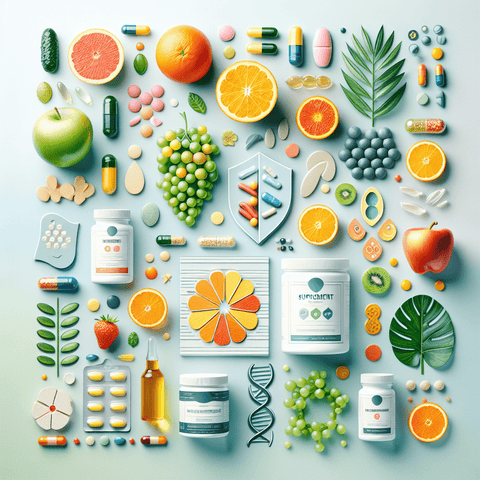
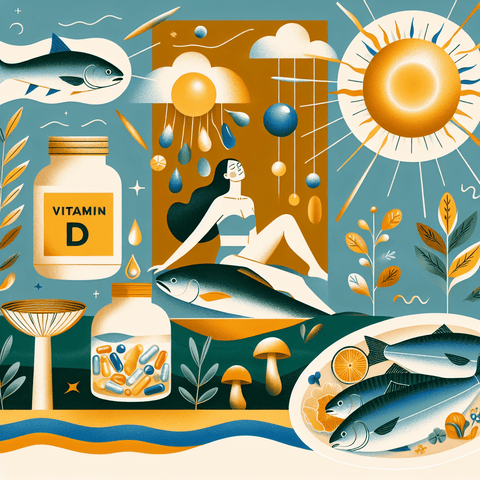
Dietary sources are the foundation of nutrition. They include all the foods and beverages that supply your body with the essential vitamins, minerals, macronutrients, and other compounds it needs for everyday function. This guide explores what dietary sources are, why a food-first approach matters, the factors that can influence your nutrient intake, and when supplements might play a legitimate supporting role.
What Are Dietary Sources?
In simple terms, dietary sources are the foods, beverages, and occasionally supplements that provide the nutrients your body requires. These nutrients fall into two main categories: macronutrients—carbohydrates, proteins, and fats—which supply energy and structural components, and micronutrients—vitamins and minerals—which support metabolism, immunity, and cellular function.
Whole foods like vegetables, fruits, whole grains, legumes, nuts, seeds, dairy, fish, and lean meats are the most natural and complete dietary sources. They deliver nutrients in a complex matrix that includes fiber, water, antioxidants, and phytochemicals—elements that work together to support absorption and utilization.
Fortified foods and beverages, such as breakfast cereals, plant milks, and salt with iodine, also serve as dietary sources. These products have nutrients added during processing to help prevent deficiencies in the general population. Supplements are another form of dietary source, providing concentrated doses of specific nutrients, though they function differently from whole foods.
Key Food Groups and Their Nutritional Contributions
Every food group brings a distinct set of nutrients to the table. Understanding these contributions helps you build meals that cover a broad spectrum of needs.
- Vegetables and fruits: rich in vitamins like A, C, and K, as well as potassium, magnesium, and fiber.
- Whole grains: provide B vitamins, iron, magnesium, and complex carbohydrates for sustained energy.
- Legumes and pulses: excellent sources of plant-based protein, fiber, iron, and zinc.
- Nuts and seeds: supply healthy fats, vitamin E, magnesium, and trace minerals.
- Fish and seafood: provide omega-3 fatty acids, vitamin D, and iodine.
- Dairy or fortified plant alternatives: contribute calcium, vitamin D, and B12.
- Lean meats, poultry, and eggs: offer high-quality protein, iron, zinc, and B vitamins.
While each group has strengths, no single food provides everything your body needs. Variety across and within these groups is the most reliable strategy for comprehensive coverage. For a closer look at specific nutrients and their sources, you can explore the available guides on vitamins and minerals.
Common Reasons Dietary Sources Fall Short
Despite the abundance of food in many parts of the world, nutrient gaps remain common. Several factors contribute to this, often in combination.
Modern Farming Practices and Food Processing
Soil depletion and selective breeding for yield over nutrition may reduce the mineral content of some crops compared to past decades. While fresh produce remains highly valuable, these changes reinforce the importance of eating a wide variety of foods rather than relying on the same staples repeatedly.
Highly processed foods are often stripped of fiber, vitamins, and minerals during manufacturing. Even when synthetic vitamins are added back, the result does not fully replicate the natural nutrient profile of whole ingredients. Diets centered on packaged snacks, sugary drinks, and refined grains can be calorie-dense yet nutrient-poor.
Lifestyle and Dietary Choices
Certain dietary patterns create specific risks. Those following a vegan or vegetarian diet may need to pay extra attention to nutrients like vitamin B12, iron, zinc, and omega-3s, which are more readily available in animal products. Restrictive dieting, irregular eating habits, and heavy reliance on convenience foods can also lead to shortfalls.
Geographic, Seasonal, and Individual Factors
Where you live affects your dietary options. People in northern climates often have limited sun exposure, which can impair vitamin D synthesis. Seasonal availability influences freshness and nutrient content. Age, digestive health, medication use, and genetic variations also affect how well your body absorbs and utilizes nutrients, meaning that needs are highly individual.
How to Improve Your Nutrient Intake from Food
Building a nutrient-dense eating pattern does not require perfection. Small, consistent changes can meaningfully improve your dietary quality.
Prioritize Whole and Minimally Processed Foods
Choose whole grains over refined ones, fresh or frozen produce over canned varieties with added sugar, and cook meals from scratch whenever possible. This automatic shift increases the nutrient density of your diet without requiring careful tracking.
Use Smart Food Pairing and Preparation Techniques
How you prepare food changes its nutritional value. Pairing vitamin C-rich foods with plant-based iron sources enhances absorption. Adding healthy fats like olive oil to salads improves the uptake of fat-soluble vitamins. Steaming rather than boiling preserves more water-soluble vitamins. Simple kitchen habits can unlock more nutrients from the same ingredients.
Plan for Variety Across the Week
Aim to include a protein source, whole grain, and two different vegetables at lunch and dinner. Rotate your proteins—beans, fish, chicken, tofu—and vary your vegetable colors to expand your nutrient coverage. Keeping frozen vegetables, canned legumes, and nuts on hand makes this easier on busy days.
When Supplements Might Be Useful
Supplements are not a substitute for a healthy diet, but they can serve a legitimate role in specific circumstances. They become relevant when food sources are insufficient, when absorption is impaired, or when a particular life stage increases nutrient demands beyond what diet alone can realistically supply.
Situations Where Diet May Not Be Enough
- Vegans and vegetarians often need vitamin B12 supplements since this nutrient is naturally found almost exclusively in animal foods.
- People in northern climates or those who rarely expose their skin to sunlight may require vitamin D supplementation during winter months.
- Older adults may need additional vitamin B12 and calcium due to reduced stomach acid and bone density changes.
- Women with heavy menstrual bleeding may require extra iron to prevent deficiency.
- People with digestive disorders like celiac disease or Crohn's disease often have impaired nutrient absorption and may need targeted supplementation.
- Pregnancy and postpartum recovery create increased demands for folate, iron, and other nutrients.
For those considering targeted support, exploring collections like the natural supplements range or specific vitamin guides can provide a useful starting point.
Choosing the Right Supplement
Not all supplements are created equal. The form of a nutrient affects how well it is absorbed. For example, magnesium glycinate and citrate are generally more bioavailable than magnesium oxide. Vitamin D3 is more effective than D2 at raising blood levels. Methylated forms of folate like 5-MTHF are better suited for individuals with certain genetic variations.
Consider the dosage. Refer to established reference values and avoid exceeding the tolerable upper intake levels, especially for fat-soluble vitamins and minerals like iron and selenium. Be mindful of overlapping ingredients if you take multiple supplements. Also, check for third-party testing by organizations like NSF or USP to verify quality and purity.
Safety and Professional Guidance
Supplements are generally safe when used as directed, but they are not without risks. Some nutrients can accumulate to harmful levels. Others can interact with prescription medications—for example, vitamin K can reduce the effectiveness of blood thinners, and calcium can interfere with thyroid hormone absorption.
If you suspect a deficiency, a blood test is a more reliable diagnostic tool than guessing from symptoms. Symptoms like fatigue or brittle hair have many possible causes. Always discuss any supplement you plan to take with your healthcare provider, especially if you have an existing medical condition or are taking medication.
Building Your Personal Approach to Nutrient Sourcing
Start by honestly evaluating your current eating pattern. Track what you typically eat for a few days and identify obvious gaps—such as limited vegetable intake, no fish consumption, or heavy reliance on processed snacks. Set one or two realistic goals such as including a palm-sized portion of protein at every meal or eating two cups of vegetables at dinner.
Remember that whole foods should remain the foundation of your nutrition. Supplements are a supporting tool, not a replacement for nourishing meals. They provide isolated nutrients but cannot replicate the fiber, antioxidants, and satiety that come from whole foods. Use them intentionally to address specific gaps rather than as a general safety net.
Your nutrient needs will change across your lifespan. Regular reassessment of your diet, lifestyle, and health status helps you adjust your approach over time. For further guidance on specific nutrients, you might find the vitamin D resources or omega-3 supplement information helpful.
Key Takeaways
- Dietary sources include all foods and beverages that provide essential nutrients, not just isolated vitamins or minerals.
- Whole foods deliver nutrients in a context that improves absorption, such as vitamin C enhancing iron uptake.
- Nutrient needs vary significantly by age, gender, activity level, health status, and genetics.
- Modern diets and farming practices can create gaps even among people who believe they eat well.
- Signs of deficiency are non-specific; blood tests or clinical assessment are more reliable than symptom-based guessing.
- Supplements become particularly relevant when food sources are insufficient, when absorption is impaired, or in specific life stages.
- Different supplement forms and doses vary in bioavailability and safety, so product choice matters.
- Always prioritize a nutrient-dense diet before turning to supplements as a safety net or corrective measure.
Frequently Asked Questions
What are the most important dietary sources of vitamins and minerals?
Vegetables, fruits, whole grains, lean proteins, dairy or fortified alternatives, nuts, seeds, and healthy oils collectively provide most essential vitamins and minerals. Variety across these groups is the most reliable strategy for meeting your needs.
Can I get enough nutrients from food alone?
Yes, for most healthy people, a varied, nutrient-dense diet is sufficient to meet daily requirements. However, certain populations—such as vegans, older adults, or those with absorption disorders—may need targeted supplements for specific nutrients.
What is the difference between macronutrients and micronutrients?
Macronutrients are carbohydrates, proteins, and fats that supply energy and structural components. Micronutrients are vitamins and minerals required in smaller amounts for metabolism, immunity, and cellular function. Both are essential for health.
How do I know if I have a nutrient deficiency?
Symptoms like fatigue, brittle hair, or poor concentration can suggest a deficiency, but they are not diagnostic. A blood test or clinical evaluation by a healthcare professional is the most accurate way to confirm your nutrient status.
What foods are good dietary sources of vitamin D?
Fatty fish like salmon and mackerel, egg yolks, and fortified dairy or plant milks are among the few natural sources. Sunlight remains the most significant contributor, and supplementation is often needed in winter or northern climates.
Are supplements a substitute for a healthy diet?
No. Supplements cannot replicate the fiber, antioxidants, water, and phytochemicals in whole foods. They are only a supportive tool to address specific gaps, not a replacement for nourishing meals.
Which form of magnesium supplement is best absorbed?
Magnesium glycinate, citrate, and malate are generally more absorbable than magnesium oxide. Glycinate is often gentle on digestion and commonly used for relaxation, while citrate is frequently used for regularity.
Should I take a multivitamin every day?
Many people can benefit from a daily multivitamin if their diet is inconsistent. However, a multivitamin is not automatically necessary for everyone, and high doses can cause imbalances. Assess your diet and discuss with a healthcare provider if unsure.
Can I take too many supplements?
Yes. Fat-soluble vitamins like A, D, E, and K can accumulate to toxic levels, and minerals like iron and selenium are harmful in excess. Always follow recommended doses and avoid combining multiple products with the same ingredients.
Do supplements interact with prescription medications?
Yes. Vitamin K can interfere with blood thinners, calcium affects thyroid hormone absorption, and iron can reduce antibiotic effectiveness. Tell your doctor and pharmacist about all supplements you take.
How long does it take to correct a nutrient deficiency?
The time varies by nutrient, dosage, and individual absorption. For example, iron deficiency may improve in weeks with supplementation, while vitamin D can take three months or longer. Repeat blood tests are needed to confirm correction.
Is it better to get nutrients from food or supplements?
For most people, food is the superior source because it provides a complex nutrient matrix with better absorption and added health benefits. Supplements are most useful for specific gaps that food cannot practically fill.