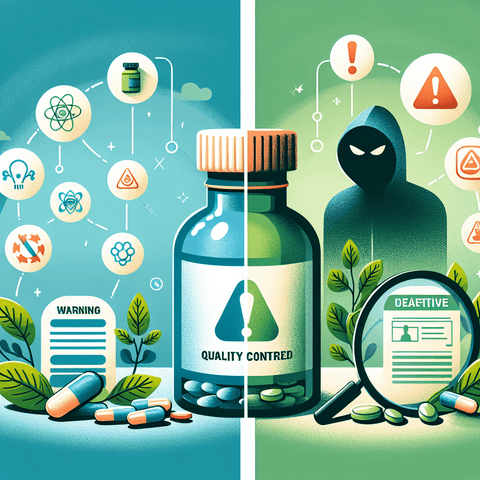
Dietary supplement scams have become a pervasive issue in the health and wellness industry, posing risks to both consumer health and financial well-being. This guide provides a broad overview of what constitutes these scams, how they operate, and the practical steps you can take to protect yourself. By understanding the landscape of fraudulent supplements, you'll be better equipped to make educated decisions and navigate toward responsible choices on Topvitamine.com.
What Counts as a Dietary Supplement Scam?
A dietary supplement scam can range from misleading marketing tactics to outright fraudulent products. It often includes claims that seem too good to be true, excessive hype about a product's benefits, or the promotion of supplements that contain harmful or undisclosed ingredients. Understanding this distinction is crucial when navigating the sometimes murky waters of the supplement market.
How Scammers Operate in the Supplement Market
Scammers use various tactics to lure customers into purchasing their products. They often rely on miracle claims, showcasing astonishing before-and-after photos, or using unsolicited testimonials without evidence. Vague ingredient lists and pressure sales tactics are common red flags that consumers should be cautious of. If the information provided lacks clarity or scientific backing, it's best to approach with caution.
In recent years, scammers have also increasingly used social media platforms, fake online reviews, and look-alike websites to lend false credibility to their products. They may also use high-pressure sales tactics, limited-time offers, or free-trial schemes that commit consumers to recurring charges. Being aware of these evolving methods is key to staying one step ahead.
Legitimate vs. Illegitimate Marketing
To differentiate between valid and fraudulent claims, look for evidence-based assertions backed by scientific research. Regulatory oversight plays a role here, as reputable products typically undergo third-party testing for safety and efficacy. If a company cannot provide references or credible sources to verify its claims, it may be selling a fraudulent product. For a better understanding of what legitimate supplements look like, you can explore our guide to multivitamins or learn about the benefits and sources of vitamin D.
Why This Topic Matters
Health Risks and Safety Concerns
Purchasing dubious dietary supplements can pose serious health risks. Products may be contaminated, contain undisclosed ingredients, or interact adversely with prescription medications. In extreme cases, they can result in significant negative health implications, making it vital to scrutinize what you choose to consume. The FDA has issued warnings about numerous products that contain hidden drug ingredients, which can be particularly dangerous for individuals with underlying health conditions.
Financial and Trust Costs
Buying fraudulent supplements can have financial repercussions. Wasted money on ineffective products can delay access to legitimate healthcare solutions and erode trust in the overall supplement industry. Educating yourself on how to identify scams is essential for maintaining confidence in safe practices.
Regulatory Context and Consumer Empowerment
The regulation of dietary supplements varies significantly by region, which can complicate consumer choices. In many countries, supplements are regulated differently from pharmaceutical drugs, meaning they may not undergo the same pre-market safety and efficacy testing. By increasing literacy around these products, individuals can make informed selections, encouraging a healthier and safer approach to taking supplements.
Common Types of Supplement Scams
Supplement scams come in many forms, and recognizing the common patterns can help you avoid falling victim. Some of the most frequently seen scams include:
- Miracle cures: Products promising to cure or treat serious diseases such as cancer, diabetes, or Alzheimer's. These claims are not scientifically supported and are a major red flag.
- Rapid weight loss supplements: Products that claim you can lose significant weight without diet or exercise. These often contain undeclared or dangerous ingredients.
- Anti-aging or longevity products: Supplements that promise to reverse aging or extend lifespan, often targeting older adults.
- Cognitive enhancement or nootropic scams: Products claiming to dramatically boost memory, focus, or intelligence, often without credible evidence.
- Free trial scams: Offers for a free trial that trap consumers into expensive recurring subscription charges without clear disclosure.
These scams often target vulnerable populations, including seniors, individuals with chronic health conditions, and those seeking quick solutions to complex health problems. Being aware of these patterns is the first step in avoiding them.
How to Spot a Problematic Supplement
Certain indicators suggest that a dietary supplement may be suspect. Being aware of these signals can help you avoid potential scams. Here are key warning signs to watch for:
- Miraculous claims that promise quick fixes or dramatic results.
- Lack of ingredient transparency or vague labeling.
- Requests for payment through non-standard channels.
- Aggressive sales tactics or high-pressure marketing.
- Testimonials that seem overly polished or are not verifiable.
Beyond these signs, be cautious of products that claim to replace prescription medications or that-diagnose, cure, treat, or prevent diseases without strong scientific evidence. Legitimate supplement companies are transparent about ingredients, provide clear dosage information, and avoid making unsubstantiated health claims.
Health Implications of Questionable Products
Taking fraudulent supplements may lead to excessive intake of nutrients or exposure to toxic contaminants. These consequences can further complicate personal health, especially if you are under medication or have underlying health conditions. Symptoms such as fatigue, gastrointestinal disturbances, or unexplained weight changes may reflect underlying health issues rather than problems associated with supplements alone. It's crucial to seek medical evaluation for persistent symptoms instead of self-diagnosing based on supplement usage.
Why People Respond Differently to Supplements
Individual responses to dietary supplements can vary due to genetic differences, variations in gut microbiome, age, sex, current nutrient status, and chronic health conditions. Such variability underscores the need for personalized approaches when considering supplementation. Manufacturing processes can also lead to differences in quality and potency between batches of the same supplement, making it essential to choose trusted brands that commit to high manufacturing standards.
Scientific evidence behind dietary supplements isn't always consistent. Variability in study methodologies, potential publication bias, and differing results between clinical trials and real-world usage mean consumers should proceed with caution and consider seeking professional guidance.
The Role of Nutritional Supplements in a Healthy Strategy
Dietary supplements can play an important role in managing health when there is a demonstrated nutrient deficiency, dietary restrictions, or specific medical conditions that necessitate additional support. Recognizing these scenarios is key to leveraging supplements effectively. For example, individuals with limited sun exposure may benefit from vitamin D supplementation, while those with restricted diets might need specific vitamins or minerals.
Evidence Strength for Common Supplement Categories
Evidence surrounding common supplements varies. For example, multivitamins can help fill dietary gaps, vitamin D supports bone health, omega-3 fatty acids may promote heart health, and probiotics can enhance gut function. It's important to examine the scientific backing for each ingredient,as certain areas remain unclear or lack strong data. You can explore our range of minerals or learn about the potential benefits of omega-3 supplements to better understand what quality products offer.
Safety, Quality, and Regulatory Considerations
Consumers should prioritize issues of ingredient purity and effective labeling. Investigating for potential contaminants is also essential. Products that undergo third-party testing often substantiate claims regarding quality and safety. When choosing supplements, prioritize brands that offer transparency in sourcing and testing, clear dosage recommendations,andy adhere to good manufacturing practices. Always look for third-party certifications to confirm quality.
A Practical Decision Framework for Buying Supplements
Before purchasing a supplement, it helps to have a structured approach. This framework can guide you through the key considerations. Asking the right questions can help you distinguish between legitimate products and potential scams.
Key Questions to Ask Before Buying
- Is there a clinically supported need for this supplement in your situation?
- Does the product have transparent sourcing and third-party testing?
- Are there clear, understandable dosing guidelines available?
- Does the company provide evidence-based research to support its claims?
- Are the marketing claims realistic and free of miracle promises?
When to Consult Clinicians or Specialists
Engaging with healthcare professionals is crucial when dealing with chronic conditions, during pregnancy,for pediatric patients,or when managing complex medication regimens. They can help tailor an approach to supplementation that's safe and effective for your specific health needs. Never self-prescribe supplements to treat a medical condition without professional guidance.
How to Document Response and Adjust
Monitoring is essential. Track your symptoms and any relevant lab results,and adjust your supplement usage based on feedback from your body and advice from healthcare professionals. This allows for personalized health management and helps you identify what works best for you.
How to Verify a Supplement's Legitimacy
One of the most effective ways to avoid dietary supplement scams is to verify a product's legitimacy before purchasing. Regulatory bodies like the FDA and FTC maintain databases and issue warnings about fraudulent products. Checking these official sources can help you stay informed about products that have been flagged or recalled.
Practical Verification Steps
Here are practical steps you can take to verify a supplement's legitimacy:
- Check the FDA's Health Fraud Scams database and the FTC's consumer alerts for known fraudulent products.
- Look for third-party testing seals from organizations like NSF International, USP, or ConsumerLab.com, which independently verify product quality.
- Research the brand's reputation, including customer reviews, company history, and any history of regulatory warnings.
- Review the Supplement Facts label carefully to ensure all ingredients are clearly listed with accurate dosages.
Look for brands that prioritize transparency, adhere to manufacturing quality,and provide clear dosage guidelines. Regular consultation with healthcare professionals also aids in personalizing supplement use effectively. By recognizing the red flags associated with dietary supplement scams, consumers can take control of their health decisions.
Conclusion and Next Steps
This guide has equipped you with the knowledge to identify dietary supplement scams while emphasizing the value of legitimate supplements in specific health contexts. Understanding the red flags and the evidence behind products is key to making informed choices.
Topvitamine.com offers a selection of carefully chosen supplements with clear labeling and safety considerations. We prioritize quality and transparency, helping you navigate a safe path in your supplement journey. Use the decision framework outlined here, consult with professionals when necessary,and explore the safe and effective options available. Your health journey starts with informed decisions.
Common Questions About Dietary Supplement Safety
How do I know if a supplement is fake?
Look for the red flags discussed above: miraculous claims, vague ingredient lists, lack of scientific evidence, aggressive sales tactics, and unverifiable testimonials. Additionally, check whether the product has been flagged by regulatory bodies like the FDA or FTC. A legitimate supplement will have clear labeling, transparent ingredient sourcing, and ideally third-party certification.
What are common supplement scams?
Common supplement scams include miracle cures for serious diseases, rapid weight loss products with unrealistic promises, anti-aging supplements targeting seniors, cognitive enhancement products without evidence, and free trial schemes that trap consumers into recurring charges. These scams often exploit vulnerable populations and use aggressive marketing tactics to lure victims.
Do dietary supplements actually work?
Some supplements have strong evidence supporting their use for specific nutrient deficiencies or health conditions, while others have limited scientific backing. It's important to evaluate each product based on available research and consult a healthcare professional to determine if a supplement is appropriate for your needs.
What are the current scams targeting seniors?
Seniors are often targeted by scams involving anti-aging supplements, cognitive enhancement products, and treatments for chronic conditions. Scammers may use fear tactics or exploit trust in authority figures. Being aware of these tactics and verifying claims with healthcare providers can help protect against these schemes.
What are some common signs of dietary supplement scams?
Common signs include extraordinary claims, lack of scientific support, vague ingredient lists, and aggressive sales tactics. A reputable supplement should provide clear information and evidence-based claims.
What should I do if I experience adverse effects from a supplement?
Immediately discontinue use of the supplement and consult a healthcare professional, especially if symptoms are severe or persist. It's also important to reportthe incident to the appropriate regulatory authority, such as the FDA's MedWatch program,to help protect others.
Can supplements interact with medications?
Yes, some supplements can interact with prescription drugs, altering their effectiveness or increasing the risk of side effects. Discuss all supplements with your healthcare provider, particularly if you are on multiple medications.
Why is it important for consumers to be informed about supplements?
Consumer awareness helps in identifying fraudulent products, ensuring safety,and making informed choices that can positively affect health. An informed decision is essential for effective supplementation.
Is it possible to rely solely on supplements for nutrition?
While supplements can help fill gaps in nutrition, they should not replace a balanced diet. Whole foods provide not only essential nutrients but also other beneficial compounds that supplements may lack.
What are the dangers of unregulated supplements?
Unregulated supplements may contain harmful ingredients, incorrect dosages,or may not deliver the claimed benefits. This unpredictability can pose severe risks to consumers' health and financial security.
Key Takeaways
- Educational takeaways on dietary supplement scams
- Health risks associated with questionable products
- The importance of individual variability in responses to supplements
- Practical tips for selecting quality dietary supplements
- The significance of evidence in making health decisions
- Key questions to ask before purchasing a supplement
- When to consult healthcare professionals
- Monitoring and documenting your supplement use
- Safe and evidence-based options available on Topvitamine.com