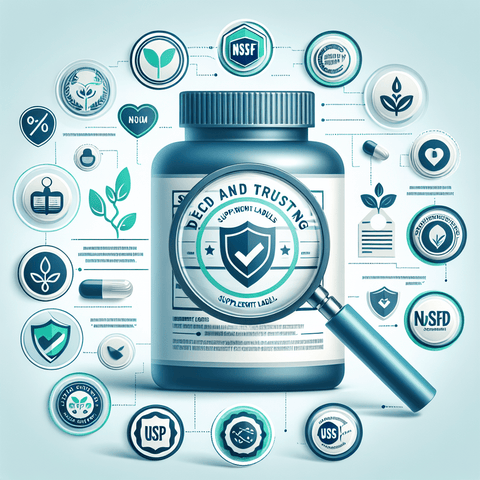
What's really in your vitamins? Dietary supplement transparency describes how openly a brand discloses what its products contain — the exact nutrients, their chemical forms and amounts, added ingredients, sourcing, and quality testing. Because supplements are regulated differently from prescription drugs, a label doesn't always tell the full story. This guide explains what transparency means in practice, why it matters for your health, and how to spot products that hide more than they reveal. You'll also learn to read a Supplement Facts panel like an expert, understand where a well-planned diet fits in, and recognize when supplementation may genuinely be worth considering.
What Is Dietary Supplement Transparency — and What's Really in Your Vitamins?
Transparency is more than a marketing word. It is a measurable standard for how much a manufacturer is willing to disclose — and how much of that disclosure can be independently verified.
A Clear Definition of Dietary Supplement Transparency
At its core, transparency means full, verifiable disclosure: every active ingredient listed with its exact amount per serving, its specific chemical form (magnesium citrate, for example, rather than unspecified "magnesium"), and all added ingredients — paired with honest claims that match the available evidence. Transparent brands also share how products are made, use recognized manufacturing standards, provide independent test results, and remain easy to contact. Anything less leaves you guessing about what you're actually swallowing.
Key Terms to Know: Proprietary Blends, "Other Ingredients," and Third-Party Testing
- Proprietary blend: a mix of ingredients listed under one name with a total weight but no individual amounts, making underdosing invisible.
- "Other ingredients": everything in the product besides the actives — fillers, flow agents, coatings, sweeteners, and colors.
- Third-party testing: independent laboratory verification that a product contains what the label claims and is free from significant contaminants.
- Certificate of Analysis (COA): a lab document confirming identity, potency, and purity for a specific production batch.
- Bioavailability: how much of a nutrient your body can actually absorb and use.
Why Supplement Transparency Matters for Your Health
Hidden Doses and Underdosing: When the Label Doesn't Match the Bottle
A proprietary blend listing 500 mg can legally contain mostly the cheapest ingredient, with only trace amounts of the headline nutrients — a practice sometimes called "fairy dusting." Independent laboratory analyses have repeatedly found products containing far less of an active ingredient than advertised, or none at all. Without disclosed amounts, you cannot judge whether a dose is physiologically meaningful, and you may pay for benefits the formula cannot plausibly deliver.
Contamination, Undisclosed Allergens, and Interaction Risks
Testing programs have documented heavy metals in some mineral and botanical products, and regulators have recalled supplements adulterated with undeclared pharmaceutical compounds, particularly in weight-loss and performance categories. Undeclared allergens such as gluten, soy, dairy, or nuts pose real risks for sensitive individuals. Hidden active compounds also matter clinically: they can interact with medications in ways neither you nor your doctor anticipates.
Red Flags: How to Spot a Supplement That Isn't Transparent
Overhyped Claims, Miracle Language, and Too-Good-to-Be-True Pricing
Language like "miracle cure," promises to reverse a disease, or claims of working "better than medication" is not merely exaggerated — disease treatment claims are not permitted for supplements, so such wording is a legal warning sign. Be equally cautious with dramatic testimonials, urgency-based discounts, and prices far below the plausible cost of the ingredients themselves. Credible brands describe realistic, qualified support rather than transformations.
No Third-Party Testing, No Certificate of Analysis, No Verifiable Contact Details
If a brand cannot produce a COA, displays no third-party certification, and lists no physical address or reachable customer service, treat those as cumulative warnings. Reputable manufacturers either publish batch test results or provide them on request, and they operate as identifiable businesses. Anonymity and unverifiable claims thrive precisely where accountability is absent.
How Supplements Are Regulated — and Why Transparency Gaps Exist
What the FDA Does (and Doesn't) Approve: DSHEA Explained
In the United States, the Dietary Supplement Health and Education Act of 1994 (DSHEA) classifies supplements as a category of food rather than drugs. Manufacturers are responsible for safety and label accuracy before marketing; the FDA does not pre-approve products for effectiveness and acts mainly after problems emerge. Companies may make "structure and function" claims — "supports immune health," for instance — provided they carry the standard FDA disclaimer. Current good manufacturing practices are required, but the depth of independent verification varies widely between brands.
The Proprietary Blend Loophole
DSHEA permits blends to be declared as a single total weight, with ingredients listed only by order of predominance. That means a formula can highlight an expensive, evidence-relevant ingredient while the bulk of the blend is inexpensive filler — and remain technically compliant. Quantifying every component closes this loophole completely.
Cost-Cutting, Global Supply Chains, and Marketing Incentives
Raw materials often pass through several countries and brokers before reaching a factory, multiplying opportunities for substitution or mislabeling. Price competition rewards cheap nutrient forms, fillers, and abbreviated testing, while marketing rewards dramatic claims. Transparency costs money — full-panel testing, traceability, quality forms — so its absence is frequently a business decision rather than an accident.
Why Nutrient Needs Differ From Person to Person
How Diet, Age, Absorption, Lifestyle, and Genetics Shape Your Needs
There is no dose that fits everyone. Requirements shift with age, sex, and life stage, and pregnancy and breastfeeding raise needs for several nutrients. Gastrointestinal conditions, long-term use of acid-lowering medication, and metformin have all been associated with reduced absorption or lower status of nutrients such as vitamin B12. Sun exposure strongly influences vitamin D, alcohol affects B-vitamin metabolism, and smoking increases vitamin C turnover. Genetic variation — for instance, in folate metabolism — may also shape individual responses, though this research continues to evolve. This is exactly why a transparent label matters: it lets you match a product's form and dose to your circumstances rather than to an statistical average.
Food First: What a Well-Planned Diet Can Cover
Nutrient-Dense Foods That Do the Heavy Lifting
For most healthy adults, a varied diet can meet the majority of nutrient needs. Leafy greens and legumes supply folate, magnesium, and potassium; oily fish provides omega-3s and vitamin D; eggs and dairy contribute B12, iodine, and vitamin A; nuts, seeds, and whole grains add vitamin E, zinc, and selenium; and colorful produce delivers vitamin C and carotenoids. Food also brings fiber and phytochemicals in combinations supplements cannot replicate.
Everyday Habits That Affect Nutrient Status (Sun Exposure, Cooking, Alcohol)
Practical details influence how much nutrition you retain. Prolonged boiling can degrade vitamin C and leach B vitamins from vegetables, while steaming or stir-frying preserves more. Limited sun exposure — common at higher latitudes and in winter — reduces vitamin D synthesis in skin. Regular alcohol intake interferes with the absorption and metabolism of several B vitamins, and fat-soluble vitamins (A, D, E, and K) are absorbed more efficiently alongside dietary fat.
Where Supplements Fit — and What a Transparent Formula Looks Like
Common Supplement Categories and Their Nutritional Rationale
Supplements work best as targeted tools rather than meal replacements. Multivitamins offer broad coverage for imperfect diets. Vitamin D is widely considered where sun exposure is limited, B12 is essential for vegans and often relevant in older adulthood, and omega-3 intake depends heavily on fish consumption. Magnesium intake frequently falls below recommended levels in typical diets. Mineral products — iron, zinc, iodine, and selenium — may be meaningful in specific situations, ideally guided by testing rather than habit.
The Hallmarks of a Transparent, Well-Designed Formula
A trustworthy label shows exact amounts of every active nutrient, the named chemical form of each, no proprietary blends (or one with every component quantified), a short and purposeful list of added ingredients, a recognizable third-party seal or an available COA, realistically worded claims, and clear allergen information. When a brand meets these standards, you can evaluate the formula on its merits — and compare it line by line with alternatives.
When Supplementation May Be Worth Considering
Situations Where Diet Alone May Fall Short
Certain circumstances raise the likelihood that diet alone won't cover everything: vegan or otherwise restricted diets (B12, iodine, zinc, omega-3s); pregnancy, where public-health authorities recommend folic acid around conception and early pregnancy; limited sun exposure; malabsorption conditions such as celiac disease or inflammatory bowel disease; bariatric surgery; and some long-term medication regimens. In these cases, supplementation is a practical bridge — not a substitute for an overall balanced diet.
Nutritional Support vs. Diagnosed Deficiency: Why Blood Testing Comes First
Symptoms like fatigue or brittle hair overlap across many causes and cannot confirm a deficiency on their own. For several nutrients, validated tests exist — 25-hydroxyvitamin D for vitamin D status, B12 and folate levels, and ferritin for iron stores — and results allow targeted, appropriately dosed support instead of guesswork. A doctor or registered dietitian can interpret results in context, since "insufficiency" and "deficiency" are distinct clinical thresholds. Testing is especially sensible before high-dose supplementation.
How to Choose a High-Quality Supplement
Ingredient Form and Bioavailability: Why the Specific Form Matters
The same nutrient can appear in forms that differ meaningfully in absorption and tolerability. Magnesium oxide is inexpensive and poorly absorbed, whereas citrate and bisglycinate forms are generally better utilized and gentler on digestion. Vitamin D3 generally supports blood levels more effectively than D2. Calcium citrate does not depend on stomach acid — an advantage for older adults or people using acid-reducing medication — while calcium carbonate should be taken with food. Evidence strength varies by nutrient, so treat blanket "superior absorption" claims with proportionate skepticism.
Dosage and Concentration: Why Sensible Amounts Matter
Check how much of each nutrient you get per serving — and note the serving size itself, since "two capsules" is a different dose than one. A sensible product aligns with physiological requirements or with doses actually used in research, not simply with the largest number that fits on the label. Doubling a dose does not double the benefit, and for many nutrients it moves you closer to side effects rather than results.
Single-Nutrient Products vs. Combination Formulas
Single-nutrient products make it easier to target a confirmed gap and adjust the dose precisely. Combination formulas, including well-designed multivitamins, offer convenience and can cover several modest gaps at once — but you should tally totals across everything you take, because overlapping products can quietly push certain nutrients past sensible intakes. Neither approach is inherently better; the right choice depends on what your diet and, where relevant, your testing show.
Purity and Quality: Certifications, Third-Party Testing, and COAs
Look for verification from independent programs such as USP Verified, NSF, or Informed Choice, and favor brands that publish batch-specific COAs from accredited laboratories. Compliance with current good manufacturing practices is a baseline, not a differentiator. These measures cannot guarantee outcomes, but they substantially reduce the risks of underdosing, contamination, and mislabeling.
Added Ingredients, Allergens, and Dietary Preferences
Scan the added ingredients for allergens such as gluten, soy, dairy, and shellfish, and check capsule material if you avoid gelatin. Sweeteners, colors, and coatings vary widely between products; some are harmless and functional, while others are simply unnecessary. Confirming vegan or vegetarian suitability and storage requirements takes seconds and prevents unpleasant surprises.
Capsules vs. Tablets vs. Powders vs. Gummies: Choosing the Right Format
Capsules dissolve predictably, mask taste, and usually need fewer excipients. Tablets are economical but can be large or slow to break apart; coatings help protect sensitive ingredients. Powders allow flexible dosing and suit people who dislike pills, though taste and accurate measuring matter. Gummies improve adherence but typically contain sugars, hold fewer nutrients, limit achievable doses, and should be stored away from children. The best format is ultimately the one you will take consistently at the intended dose.
How to Read a Supplement Label Like an Expert
The Supplement Facts Panel, Line by Line
Start with the serving size and servings per container, because every other number depends on them. Next come the amounts of each nutrient — in milligrams, micrograms, or international units — and the % Daily Value. Then review the other ingredients, followed by directions, the responsible company's name and address, and the lot number and expiry date. Missing batch or contact information is itself a transparency failure.
What "% Daily Value" Really Means (and When It Can Mislead)
The Daily Value is a single reference intake for the general population aged four and older — not a personalized target. Your needs may be higher or lower depending on age, pregnancy, medications, and diet. A product delivering 500% of the Daily Value is not "stronger" in any useful sense; for nutrients with established upper limits, it may simply sit closer to unsafe territory. Some compounds have no established Daily Value at all, so no percentage can be calculated.
Decoding the "Other Ingredients" List: Fillers, Flow Agents, and Coatings
Most added ingredients are functional: silicon dioxide and magnesium stearate keep powders from clumping, cellulose forms vegetarian capsules, and coatings protect ingredients from moisture or stomach acid. These are used at low levels and are considered safe, though a very long list can signal cost-driven formulation. A few — titanium dioxide among them — have faced regulatory scrutiny in some regions and have been dropped by many brands. Transparency here means every excipient having a clear purpose the brand can explain.
Who May Benefit Most From Supplementation (and Extra Label Scrutiny)
People With Restricted Diets, Allergies, or Absorption Challenges
Vegans reliably need B12, since it is not naturally available in meaningful amounts from plant foods, and should also watch iodine, zinc, iron, and omega-3 intake. People with celiac disease, inflammatory bowel conditions, or prior bariatric surgery often absorb nutrients poorly and typically follow supplemented regimens arranged with their care team. Food allergies and eliminations can quietly remove major sources — dairy avoidance, for example, affects calcium, iodine, and vitamin B2 intake — making label-level scrutiny especially important.
Pregnancy, Breastfeeding, and Older Adulthood
Pregnancy and breastfeeding raise requirements for folate, iodine, iron, and several other nutrients, and some upper limits are lower during pregnancy — excess preformed vitamin A is a recognized concern. Older adults often produce less stomach acid, which impairs B12 absorption from food, and synthesize less vitamin D in the skin. Nutritional choices at these life stages deserve professional input rather than self-direction.
Athletes and Highly Active People
Training increases the turnover of some nutrients, and restrictive eating patterns can create gaps. For athletes, however, product purity carries extra weight: contaminated supplements have caused positive doping tests, which is why sport-specific certifications screen for banned substances. Anyone evaluating sports supplements should weigh third-party testing credentials as heavily as the formula itself.
Safety First: Upper Limits, Interactions, and Side Effects
Upper Intake Levels and Megadose Risks: When More Isn't Better
Nutrients have Tolerable Upper Intake Levels (ULs) — daily amounts not expected to cause harm in most people. Fat-soluble vitamins A, D, E, and K accumulate in body tissues, so chronic high doses are riskier than with water-soluble nutrients. Established adult examples include 3,000 mcg of preformed vitamin A, 100 mcg (4,000 IU) of vitamin D, 45 mg of iron, 40 mg of zinc, and 400 mcg of selenium per day. Very high folic acid intakes may also mask B12 deficiency in older adults. Megadoses add side-effect risk without added benefit.
Supplement–Medication Interactions Worth Knowing
Several interactions are well documented: vitamin K can reduce the effectiveness of warfarin; high-dose vitamin E can add to bleeding risk; calcium, magnesium, and iron can bind certain antibiotics and thyroid medication, so separating doses matters; and herbal products such as St. John's wort interact with a long list of drugs. Large amounts of minerals taken together can also compete for absorption. If you take prescription medication, a pharmacist can screen your complete list quickly.
When to Talk to a Doctor, Pharmacist, or Registered Dietitian
Seek professional guidance before supplementing if you are pregnant or breastfeeding, take prescription medications, live with kidney, liver, or gastrointestinal disease, are planning surgery, or are considering high doses. The same applies when symptoms persist despite a good diet: a professional can identify causes beyond nutrition, arrange appropriate tests, and integrate any supplement safely into your overall care.
Supplement or No Supplement? A Practical Decision Framework
Questions to Ask Before Buying: Diet, Goals, and Testing
Work through a few questions in order. Is my diet varied and largely whole-food based? Is there a specific life stage, dietary restriction, or goal with a recognized nutritional rationale? Have I confirmed — ideally through testing — that a gap actually exists? Could a small dietary change achieve the same result more cheaply? Would one transparent product replace several overlapping ones? Honest answers eliminate many unnecessary purchases.
Your Pre-Purchase Transparency Checklist
- Every active ingredient listed with an exact amount and a named chemical form
- No proprietary blend — or one with all components quantified
- Third-party certification seal or a batch COA available
- Claims realistic, with no disease-treatment language
- Dose sensible relative to the Daily Value and established upper limits
- Allergens and added ingredients clearly disclosed and purposeful
- Verifiable company name, address, and contact details
- Lot number and expiry date printed on the packaging
The Bottom Line: Know What's in Your Vitamins Before You Take Them
Supplement transparency is ultimately about closing the gap between the label and the bottle. A varied, nutrient-dense diet meets most people's needs, and supplements fill specific, identified gaps most safely when a formula discloses exact forms, amounts, and independent test results. Because individual requirements vary widely with age, diet, absorption, and health status, the most reliable path is to eat well first, test where appropriate, and then choose products you can verify line by line. When in doubt, a doctor, pharmacist, or registered dietitian can help you decide whether a supplement belongs in your routine at all.
Key Takeaways
- Dietary supplement transparency means full disclosure of nutrient amounts, chemical forms, added ingredients, and independent test results.
- Supplements are not FDA-approved before sale; under DSHEA, manufacturers bear responsibility for safety and label accuracy.
- Proprietary blends can hide underdosed ingredients; formulas that quantify every component are easier to trust.
- Third-party seals and batch Certificates of Analysis are the strongest available proof of label accuracy and purity.
- Red flags include disease claims, miracle language, missing contact details, and prices below plausible ingredient cost.
- A varied, nutrient-dense diet covers most needs; supplementation makes the most sense for specific gaps such as B12 on vegan diets or vitamin D with limited sun exposure.
- Nutrient needs vary with age, pregnancy, absorption, medications, genetics, and lifestyle — there is no universal dose.
- Upper intake limits matter: more is not better, and fat-soluble vitamins accumulate in the body.
- Supplements can interact with medications such as warfarin, thyroid medication, and certain antibiotics — check with a pharmacist.
- Read the Supplement Facts panel from serving size down; amounts, % Daily Value, and the "other ingredients" list reveal most of a product's story.
Frequently Asked Questions
What does dietary supplement transparency actually mean?
It refers to a brand's willingness to disclose exactly what its products contain: each nutrient's amount and chemical form, all added ingredients, sourcing and manufacturing standards, and independent test results. Transparency is verifiable through labels, COAs, and certifications — not through marketing language.
Why doesn't the FDA approve supplements before they are sold?
Under DSHEA, dietary supplements are regulated as a subset of food rather than drugs. Manufacturers are legally responsible for safety and truthful labeling before marketing, while the FDA acts after the fact against adulterated or misbranded products. This is why independent verification matters more for supplements than for prescription medicines.
What is a proprietary blend, and why is it criticized?
A proprietary blend lists several ingredients under one name with only a combined total weight, ranked by predominance but without individual amounts. Critics argue it enables "fairy dusting" — padding blends with cheap material while adding only traces of expensive, evidence-relevant nutrients. Fully quantified formulas remove this ambiguity.
What is a Certificate of Analysis (COA)?
A COA is a laboratory document reporting identity, potency, and contaminant testing for one specific production batch. Credible COAs come from ISO-accredited third-party labs and carry a batch number matching the product. If a brand cannot provide one, its label claims cannot be independently verified.
How can I tell if a supplement is genuinely third-party tested?
Look for recognized programs such as USP Verified, NSF, or Informed Choice, which test products and audit manufacturing facilities. Some brands publish batch COAs on their websites or provide them on request. A vague "lab tested" claim without a named program or document is not meaningful verification.
Are gummy vitamins as effective as capsules or tablets?
Gummies can deliver nutrients effectively, but they usually contain added sugars, hold fewer and less heat-stable nutrients, and cap achievable doses. They also resemble candy, which raises overdose risk in homes with children. If a gummy improves consistency, check the nutrient form and dose just as carefully as any other format.
What does "% Daily Value" on a supplement label mean?
It indicates how much of a reference intake one serving provides for the general population aged four and older — not your personal target, which shifts with age, pregnancy, and health status. Percentages far above 100% signal a high-dose product, which for some nutrients approaches established upper limits.
Can you take too many vitamins?
Yes. Fat-soluble vitamins A, D, E, and K accumulate in body tissue, and chronic intakes above the Tolerable Upper Intake Level can cause harm — excess preformed vitamin A, for example, affects the liver and is risky in pregnancy. Even water-soluble nutrients cause side effects, such as digestive upset, at very high doses.
Which supplements are most likely to interact with medications?
Well-documented examples include vitamin K with warfarin, St. John's wort with many drugs including some antidepressants and contraceptives, and calcium, magnesium, or iron with certain antibiotics and thyroid medication when taken at the same time. High-dose vitamin E and omega-3s can also modestly affect bleeding risk. A pharmacist can screen your full list quickly.
Should I get a blood test before taking supplements?
For several nutrients — including vitamin D, B12, folate, and iron (via ferritin) — validated blood tests can confirm whether a gap exists before you supplement. This supports an appropriate dose instead of guesswork, since symptoms like fatigue overlap with many non-nutritional causes. Professional interpretation is generally more reliable than self-assessment.
What should vegans look for on a supplement label?
Vitamin B12 is the essential one, since it is not reliably available from plant foods; iodine, zinc, iron, omega-3 DHA/EPA, and vitamin D also deserve attention depending on diet quality and sun exposure. Confirm the capsule or softgel is plant-based rather than gelatin, and look for a vegan certification where it matters to you.
Do more expensive supplements work better?
Price alone does not determine quality, but extremely cheap products often reflect low-cost nutrient forms, fillers, or minimal testing. Money is generally better spent on transparent products with disclosed forms, quantified doses, and third-party verification than on premium packaging. Comparing labels line by line reveals far more than the price tag.
Related Keywords
- supplement label transparency
- what's really in your vitamins
- proprietary blend loophole
- third-party tested supplements
- certificate of analysis COA
- Supplement Facts panel explained
- percent daily value meaning
- supplement fillers and other ingredients
- vitamin bioavailability and nutrient forms
- DSHEA supplement regulation
- supplement quality and purity standards
- hidden ingredients in supplements
- upper intake levels and megadose risks
- supplement medication interactions
- how to choose a quality supplement