Dietary Supplements: Types, Safety & How to Choose


Understanding Dietary Supplements and Their Role in Health

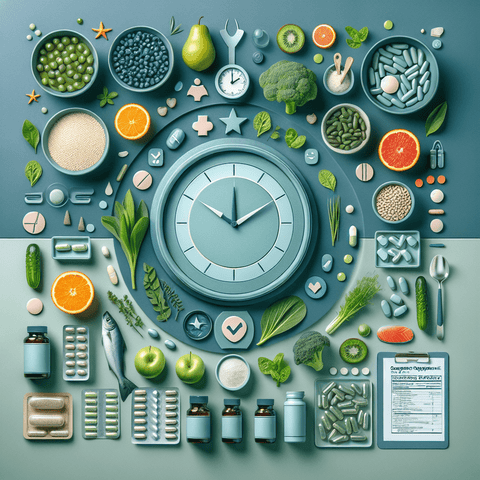
Dietary supplements include vitamins, minerals, herbs, amino acids, and other substances designed to complement the diet. They are available in forms like tablets, capsules, powders, and liquids. Unlike fortified foods or prescription therapies, supplements aim to fill nutritional gaps rather than treat specific conditions. Common categories include vitamin D, multivitamins, omega-3 fatty acids, probiotics, and protein powders. For many people, these products help address nutrient shortfalls caused by busy lifestyles, restricted eating patterns, or increased needs during certain life stages.

Safety, Quality, and Individual Variability in Supplement Use

Choosing supplements safely requires attention to quality, dosing, and potential interactions with medications. Third-party testing, transparent ingredient labels, and credible certifications are useful markers of product quality. Individual factors such as age, sex, genetics, gut health, and existing medical conditions influence how well nutrients are absorbed and utilized. Symptoms alone rarely confirm a deficiency, so laboratory testing and clinician assessment are valuable when nutrient status is uncertain. Supplements should be viewed as support for a healthy diet, not as a cure or substitute for medical care.

Practical Steps for Choosing and Using Dietary Supplements Wisely

A practical approach begins with reviewing dietary intake and identifying possible gaps. Consider life stage, health goals, and any current medications before starting a supplement. Start with well-studied nutrients at appropriate doses, monitor your response, and reassess periodically. Avoid redundant supplementation and excessive intake. For those exploring options, resources on vitamin D, multivitamins, and magnesium offer useful guidance. Making informed, evidence-aligned choices helps ensure that dietary supplements contribute meaningfully to overall well-being.


Is it good to take dietary supplements? - Topvitamine
Sep 17, 2025
What Are Dietary Supplements?Dietary supplements are products designed to provide essential nutrients or other substances that may have a nutritional or physiological effect. They come in forms like capsules, tablets, powders, and liquids. Common categories include vitamins, minerals, herbs, amino acids, probiotics, and essential fatty acids. These products are not intended to replace a balanced diet but to help fill nutritional gaps or support specific health needs when dietary intake is insufficient. In most countries, supplements are regulated differently than pharmaceutical drugs, which is important to understand when evaluating their safety and quality.Are Dietary Supplements Beneficial?Supplements can be beneficial in specific situations where nutrient needs are not met through diet alone. They may help address deficiencies, support increased needs during life stages like pregnancy, or complement a restricted diet. However, supplements are most effective when used to support overall wellness, not as a substitute for a nutrient-rich diet. The potential benefits depend on individual needs, evidence, and proper use. For example, fat-soluble vitamins like A, D, E, and K are better absorbed when taken with a meal containing fats, so understanding nutrient absorption can improve effectiveness. Always consider evidence-based use and consult a healthcare provider to determine if supplementation is appropriate for you.How to Choose Safe and High-Quality SupplementsSafety is a primary concern when choosing supplements. Risks can include interactions with medications, contamination, or excessive intake. To minimize these risks, look for products that follow Good Manufacturing Practices (GMP) and have undergone third-party testing for purity and potency. Read labels carefully and choose reputable brands that provide transparent ingredient information. Personalized nutrition, based on factors like age, diet, health status, and lifestyle, can help determine if supplementation is necessary. Working with a healthcare professional, such as a registered dietitian, can help you develop a supplement plan tailored to your specific needs, ensuring it is both safe and effective. This guide also covers medication interactions and special considerations, such as during pregnancy or when managing conditions like ME/CFS.
When is it recommended to take dietary supplements? - Topvitamine
Sep 16, 2025
Understanding Daily Supplement IntakeDetermining the right daily supplement intake is essential for safe and effective use. This guide explains Dietary Reference Intakes (DRIs), including Recommended Dietary Allowances (RDAs) and Tolerable Upper Intake Levels (ULs), to help you understand how much of a supplement to take daily. You will learn to interpret Supplement Facts labels and % Daily Value, avoid nutrient stacking, and establish a routine that supports your wellness goals.How to Determine Your Personal Daily DoseYour personal daily dose depends on factors like your diet, age, and health status. Start by assessing your dietary gaps, then read supplement labels carefully. Be mindful of taking multiple products that contain the same nutrient. For specific needs, such as when taking GLP-1 medications or managing MTHFR gene variations, consulting a healthcare provider is recommended to ensure your supplement regimen is safe and appropriate.Safe Dosing and Timing for Common SupplementsTiming and dosage work together to support consistent intake. Fat-soluble vitamins are best taken with meals for absorption, while minerals like calcium and iron may need to be taken at separate times. Always stay below the Tolerable Upper Intake Level for each nutrient. This guide addresses common questions such as how much vitamin D3 or B12 to take daily and provides practical advice for building a targeted supplement routine.
What are some examples of dietary supplements? - Topvitamine
Sep 14, 2025
What Are Dietary Supplements?Dietary supplements are products designed to provide nutrients that may be missing or insufficient in your diet. They come in various forms, including tablets, capsules, powders, and liquids, and contain ingredients like vitamins, minerals, herbs, amino acids, and enzymes. Supplements are intended to supplement the diet, not replace a balanced intake of whole foods. It's important to choose products from reputable brands and consult a healthcare provider before use, especially if you have underlying health conditions or take medications.Common Types and ExamplesDietary supplements can be grouped into several main categories. Vitamins and minerals, such as Vitamin C, Vitamin D, calcium, and magnesium, are among the most widely used to fill nutritional gaps. Herbal and botanical supplements, like turmeric and echinacea, have a long history of use in traditional wellness practices. Probiotics, protein powders, amino acids, omega-3 fatty acids, and specialty supplements like CoQ10, collagen, and fiber also fall under this umbrella, each serving different wellness goals.Choosing Supplements Safely and Understanding RegulationSelecting a high-quality supplement is crucial for safety and effectiveness. Look for products from manufacturers that follow Good Manufacturing Practices (GMP) and consider third-party testing seals from organizations like USP or NSF. Understand that dietary supplements are regulated by the FDA, but not as strictly as prescription drugs; manufacturers are responsible for product safety and labeling. Always read labels for ingredients and allergens, and discuss any new supplement with your healthcare provider to avoid interactions with medications or health conditions.
Discover the Hidden Secrets to Choosing Safe and Effective Dietary Supplements - Topvitamine
Sep 04, 2025
What Are Dietary Supplements?Dietary supplements are products taken by mouth that contain a dietary ingredient, such as vitamins, minerals, herbs, amino acids, or enzymes, intended to supplement the diet. They come in forms like pills, capsules, powders, and liquids. In the United States, supplements are regulated as foods, not drugs, meaning they are not intended to diagnose, treat, cure, or prevent any disease. While they can help fill nutritional gaps, they are not a substitute for a balanced diet or professional medical advice.How to Choose a Safe Supplement: A Practical ChecklistChoosing safe and effective dietary supplements requires a strategic approach. Start by discussing your goals and health status with a doctor or pharmacist, especially if you are pregnant, nursing, manage a chronic condition, or take prescription medications. Research the brand’s reputation for transparency and quality. Look for third-party testing seals from organizations like NSF International, USP, or ConsumerLab, which verify purity, potency, and label accuracy. Read the label meticulously, checking active ingredients, serving size, expiration date, and allergen statements. Ensure the manufacturer follows Good Manufacturing Practices (GMP), and consider the bioavailability of the nutrient form used, as this impacts how well your body absorbs it.Supplement Safety and InteractionsSupplements can interact with medications and with each other, sometimes with serious consequences. Common interactions include St. John's Wort, high-dose Vitamin K, or certain minerals interfering with prescription drugs like blood thinners, thyroid medication, or antidepressants. Always disclose all supplements to your healthcare provider, including those you take alongside medications like Zepbound. Avoid 'mega-dosing' unless under medical supervision, as more is not always better and can lead to toxicity. Instead, prioritize one or two high-quality, well-researched supplements over a cocktail of unknown products to ensure your choices genuinely support your wellness goals.
The Ultimate Guide to Choosing Safe and Reputable Dietary Supplements - Topvitamine
Sep 03, 2025
Choosing Safe Dietary Pills: What to Look ForDietary supplements can support your health, but not all products are created equal. This guide explains how to evaluate supplements for safety and quality. Start by checking for third-party certifications like NSF, USP, or GMP. Look for transparent labels that list the amount of each ingredient per serving, and avoid products that hide dosages behind proprietary blends. A Certificate of Analysis from an independent lab is one of the strongest signs that a product contains what it claims.Evaluating Supplement Brands and Avoiding RisksChoosing a reputable supplement brand is just as important as reading the label. Trustworthy manufacturers openly share their sourcing and production processes, provide access to certificates of analysis, and have a track record of few recalls. Be wary of brands that make miracle promises, use high-pressure sales tactics, or lack clear contact information. Poor-quality supplements can contain contaminants, hidden prescription drugs, or inaccurate ingredient amounts, so it is essential to purchase from authorized retailers.Practical Steps for Informed Supplement ChoicesBefore adding any dietary pill to your routine, consult a healthcare professional, especially if you take medications or have health conditions. Research the ingredients and look for scientific evidence that supports the claims. Read labels carefully, checking for complete ingredient lists, serving sizes, warnings, and expiration dates. By following these steps, you can confidently choose dietary pills that are safe and support your well-being.
Unlocking the Secrets to Choosing the Perfect Dietary Supplements for Your Unique Needs - Topvitamine
Sep 02, 2025
Dietary Supplements: What They Are and How to ChooseDietary supplements are products designed to add nutritional value to your diet, not replace whole foods. They come in forms like pills, capsules, powders, and liquids, and contain ingredients such as vitamins, minerals, herbs, amino acids, and enzymes. Common examples include vitamin D, calcium, fish oil, probiotics, protein powder, and multivitamins. Because supplements are regulated differently from prescription drugs, it's important to understand their purpose and how to use them safely.How to Select the Right Supplements for Your GoalsStart by defining your health goals—whether that's supporting immunity, filling a nutrient gap, or addressing a specific concern. Consider your health profile, diet, lifestyle, and any medications you take. Reading labels carefully is essential: look for clear ingredient lists, serving sizes, and third-party testing seals from organizations like USP or NSF. Be wary of proprietary blends that hide individual ingredient amounts. A personalized supplement plan should reflect your unique needs and preferences.Safe Supplement Use and Nutrient Absorption TipsTo get the most from your supplements, take fat-soluble vitamins (A, D, E, K) with a meal containing healthy fats, consider timing for better tolerance, and support gut health. Consistency helps maintain stable nutrient levels. Always stick to recommended dosages, choose reputable brands, and consult a healthcare provider before starting any new supplement, especially if you have health conditions or take medications. Monitoring your response and adjusting based on how you feel can help you use supplements responsibly.

Dietary supplements are products designed to add nutrients to your diet. They include vitamins, minerals, herbs, amino acids, and enzymes. People use them for many reasons: to fill nutrient gaps, support specific health goals, or address increased needs during certain life stages. This guide explains what dietary supplements are, which ones are most common, how to evaluate safety and quality, and how to choose products that match your personal health needs.

What Are Dietary Supplements?

Dietary supplements are concentrated sources of nutrients or other substances with a nutritional or physiological effect. They are intended to complement a normal diet, not replace it. They come in many forms, including tablets, capsules, powders, liquids, and gummies. Common ingredients include vitamins, minerals, fatty acids, fiber, probiotics, and plant extracts.

It helps to distinguish dietary supplements from fortified foods and prescription therapies. Fortified foods are everyday foods with added nutrients, such as breakfast cereals with folic acid. Prescription therapies are medicines used to treat specific conditions and are subject to strict regulatory approval. Dietary supplements sit in between: they support nutritional intake but are not designed to diagnose, treat, cure, or prevent disease.

Common Types of Dietary Supplements

The most common dietary supplements include:

  • Vitamins and minerals: such as vitamin D, vitamin C, calcium, iron, and magnesium.
  • Omega-3 fatty acids: often from fish oil or algae, used for heart and brain health.
  • Probiotics: beneficial bacteria that support gut health.
  • Herbal extracts: plant-derived compounds like turmeric, ashwagandha, or echinacea.
  • Protein supplements: including whey and plant-based protein powders for muscle recovery.

Most Common Dietary Supplements People Take

The "big three" supplements most frequently used are multivitamins, vitamin D, and omega-3 fatty acids. Multivitamins provide a broad range of nutrients in one product. Vitamin D supports bone health and immune function, and many people have low levels. Omega-3s are popular for heart health. Other widely used supplements include magnesium, probiotics, and protein powders.

These supplements are popular because they address common nutritional shortfalls. For example, vitamin D is difficult to obtain from food alone, and many people have insufficient levels. Magnesium supports muscle and nerve function, and probiotics help maintain a balanced gut microbiome.

Why People Use Dietary Supplements

Many people use supplements to bridge nutrient gaps in their diet. Modern eating patterns, restricted diets, and busy lifestyles can lead to suboptimal intake of essential nutrients. For example, individuals following plant-based diets may need vitamin B12, which is mainly found in animal products. Older adults often require more calcium and vitamin D to maintain bone health.

Pregnancy is another life stage where supplements are commonly recommended. Folic acid supports fetal development, and iron helps prevent anemia. Athletes and physically active people may use protein and electrolyte supplements to support recovery. In all these cases, supplements are used to meet increased needs or fill gaps that food alone cannot cover.

How to Evaluate Supplement Safety and Quality

Supplement safety depends on several factors: the ingredient, the dose, your health status, and potential interactions with medications. While many supplements are safe when used as directed, excessive intake of certain vitamins or minerals can be harmful. For example, too much vitamin A can be toxic, and high doses of iron can cause digestive problems or more serious issues.

Quality is equally important. Because supplements are not regulated as strictly as prescription drugs, product quality can vary. Look for supplements that have been third-party tested for purity and potency. Transparent ingredient lists and credible certifications are good signs. Products from reputable brands with clear sourcing information are generally more reliable.

How to Choose a High-Quality Supplement

  • Check for third-party testing certifications on the label.
  • Read the ingredient list and avoid proprietary blends that hide doses.
  • Choose supplements with clear serving size and dosage instructions.
  • Verify the source of ingredients and manufacturing practices.

When Supplements May Help: Practical Scenarios

Supplements are most useful when they address a genuine need. Confirmed deficiencies, dietary patterns that lack certain nutrients, and increased requirements during specific life stages are the clearest reasons to consider supplementation.

  • Vitamin D for people with limited sun exposure or low blood levels.
  • Iron for individuals diagnosed with iron-deficiency anemia.
  • Vitamin B12 for vegans and vegetarians.
  • Folic acid for women planning pregnancy or in early pregnancy.
  • Magnesium for individuals with low dietary intake or specific health conditions.

If you are unsure whether you need a supplement, consider reviewing your dietary habits and discussing them with a healthcare professional. Laboratory tests can help identify specific nutrient deficiencies. This approach is more reliable than guessing based on symptoms alone.

When Supplements Are Not the Answer

Supplements are not a substitute for medical treatment. If you have a diagnosed medical condition, such as diabetes, hypertension, or heart disease, these should be managed by a healthcare provider. Relying on supplements instead of prescribed therapy can delay proper care and potentially worsen outcomes.

Additionally, supplements cannot compensate for a poor diet. A balanced diet with a variety of whole foods remains the best foundation for health. Supplements are an addition, not a replacement, for healthy eating patterns.

Understanding Individual Variability and Uncertainty

People respond differently to supplements. Genetics, metabolism, gut health, and other factors all influence how well nutrients are absorbed and utilized. For example, some individuals absorb vitamin B12 less efficiently and need higher doses or different forms. Others may have genetic variations that affect how they process folic acid.

This variability means that what works well for one person may not work for another. It is important to approach supplementation with realistic expectations. Track your own response and consult a healthcare professional when needed, rather than assuming that a supplement will produce the same result for everyone.

Best Practices for Starting and Monitoring Supplements

If you decide to take a supplement, start with one at a time. This makes it easier to identify any adverse effects. Choose well-studied nutrients at appropriate doses. Follow the dosage instructions on the label unless a healthcare provider advises otherwise.

  1. Assess your dietary intake and identify possible gaps.
  2. Consult a healthcare professional about your specific needs.
  3. Choose a high-quality product with third-party testing.
  4. Start with one supplement at a time and monitor how you feel.
  5. Reassess your regimen periodically and adjust as needed.

Pay attention to how your body responds and be alert for any unexpected symptoms. If you experience side effects, stop taking the supplement and consult a healthcare provider. It is also wise to review your supplement regimen every few months, especially if your diet, health, or lifestyle changes.

Common Supplement Safety Considerations

  • Check for possible interactions with prescription medications.
  • Avoid exceeding upper intake limits for vitamins and minerals.
  • Be cautious with supplements if you are pregnant, nursing, or elderly.
  • Be aware that some herbal extracts can affect liver or kidney function.

Exploring Supplement Categories on Topvitamine

Topvitamine.com offers a range of dietary supplements with a focus on quality and transparency. The collection includes vitamins, minerals, herbal extracts, omega-3s, probiotics, and sports supplements. Each product is selected with attention to safety and effectiveness.

When browsing, use the available filters to narrow down by nutrient, health goal, or product form. Read the ingredient lists and serving sizes carefully. Compare similar products to find one that matches your needs. If you are new to supplements, start with a well-documented nutrient like vitamin D or magnesium. For those looking for a broad base, a multivitamin guide can be a helpful starting point.

Explore Specific Nutrient Categories on Topvitamine

For targeted support, Topvitamine provides dedicated collections for individual nutrients. If you are interested in bone health or immune function, you can review the vitamin D collection. For muscle and energy support, the magnesium collection offers relevant information and options.

Frequently Asked Questions About Dietary Supplements

What are the big 3 supplements?

The "big three" supplements are multivitamins, vitamin D, and omega-3 fatty acids. These are the most commonly used supplements across the population. Multivitamins provide a broad nutrient base, vitamin D supports bone and immune health, and omega-3s are associated with heart health.

What dietary supplements can help with hemorrhoids?

Hemorrhoids are not directly treated by dietary supplements, but certain nutrients may support digestion and reduce constipation, which can help prevent flare-ups. Fiber supplements, probiotics, and adequate fluid intake are often mentioned as supportive measures. Persistent hemorrhoid symptoms should be evaluated by a healthcare provider.

What is the difference between a dietary supplement and a medicine?

Dietary supplements are intended to complement the diet and support nutritional intake. Medicines are approved to diagnose, treat, cure, or prevent disease. Supplements are not required to meet the same regulatory standards as medicines, and they cannot legally claim to treat or cure any condition.

How long does it take to see results from supplements?

The time to see results varies by nutrient and individual factors. Some deficiencies, such as iron or vitamin D, may take weeks or months to correct. Other products, like probiotics or magnesium, may produce noticeable effects sooner. Consistency and appropriate dosing are important for any supplement to work.

Key Takeaways for Informed Supplement Use

  • Dietary supplements fill nutrient gaps; they do not replace a healthy diet.
  • Common supplements include vitamins, minerals, omega-3s, probiotics, and protein.
  • Safety depends on quality, dosing, and potential interactions with medications.
  • Individual factors affect how well supplements are absorbed and used.
  • Start with one supplement at a time and monitor your response.

Making informed choices about dietary supplements can support your well-being when done with care. Use reliable sources, prioritize quality products, and align your choices with your personal health needs.