
If you’re navigating digestive issues, you’re not alone. This page offers fast, practical ideas you can try today, focusing on gentle remedies, simple diet tweaks, and at-home strategies that you can test for yourself. The goal is to help you pause, observe, and respond in ways that feel manageable and steady, even when symptoms are present. While every body is different, these approaches center on practical routines you can begin right away. Gentle remedies can be a starting point for many dealing with digestive issues. Try incorporating calm, slow breathing, light movement, and moments of warmth or quiet into your day. Creating a comfortable, predictable environment can also support a sense of ease. As you experiment, notice how your body responds and adjust at your own pace—there’s value in finding what feels most supportive to you in the moment. Diet tweaks, approached with curiosity rather than prescription, can be part of your plan. Consider exploring patterns around meals, such as regular meal timing and reasonable portions, and reflect on how these patterns relate to your experiences with digestive issues. A simple symptom diary can help you observe possible connections between daily routines and how you feel, without turning the focus to any single food or rule. The emphasis is on awareness and personal insight rather than universal recommendations. At-home strategies offer accessible, everyday ways to address digestive issues. Think about establishing consistent sleep routines, managing stress through basic techniques, and incorporating gentle, body-friendly activities as fits your energy and comfort. Building a calm, predictable daily rhythm and keeping notes about what you try can empower you to understand what’s working for you. If symptoms persist, worsen, or worry you, consider speaking with a healthcare professional for personalized guidance.
Digestive Issues Relief: Simple, Effective Solutions You Can Try Now

Recognizing Poor Nutrient Absorption SymptomsPoor nutrient absorption symptoms often appear as subtle, everyday complaints that are easy to dismiss. The nine most common clusters include persistent digestive upset, unexplained weight changes, chronic fatigue, pale skin or easy bruising, hair and nail fragility, skin issues and slow wound healing, numbness or tingling, muscle cramps or weakness, and pale, bulky, or oily stools. These signs may reflect shortfalls in iron, vitamin B12, folate, vitamin D, magnesium, zinc, essential fatty acids, or fat-soluble vitamins, even when your diet appears adequate on paper.Understanding the Causes and SolutionsConditions such as celiac disease, inflammatory bowel disease, pancreatic insufficiency, and small intestinal bacterial overgrowth (SIBO) can impair the digestive and absorptive processes. Medications like proton pump inhibitors, metformin, or prolonged antibiotics, along with alcohol excess, stress, aging, and highly processed diets, can further reduce nutrient bioavailability. If supplements seem ineffective, poor absorption may be the bottleneck rather than the product itself; choosing gentler forms like magnesium glycinate, methylcobalamin, or emulsified vitamin D may help.Practical Steps to Improve Nutrient UptakeSupportive measures include eating slowly, optimizing stomach acid and enzymes, prioritizing whole foods and fiber diversity, and considering probiotics or digestive enzymes when appropriate. Laboratory tests can help confirm patterns and guide interventions. Professional guidance is recommended for persistent or severe symptoms, significant weight loss, or red flags such as blood in stool. Thoughtful, bioavailable supplementation, timed around meals and paired with synergists, can complement medical care and targeted diet changes.

Understanding the Signs of an Unhealthy GutAn unhealthy gut can manifest through a range of symptoms that extend beyond occasional digestive issues. Common indicators include persistent bloating, indigestion, constipation, diarrhea, and the development of food intolerances. These signs suggest that the balance of beneficial and harmful bacteria in your microbiome—known as gut flora—may be disrupted, leading to microbial or functional imbalances. Recognizing these early markers is important because they can impact not only digestion but also immunity, mood, and energy levels.How Gut Imbalances Affect Your Overall Well-BeingWhen the gut microbiome becomes imbalanced, the consequences can ripple throughout the body. You may notice frequent fatigue, cravings for sugar or processed foods, and susceptibility to frequent illnesses, all of which can be linked to altered gut flora. Additionally, food sensitivities and skin reactions may signal inflammation or damage to the gut lining. These systemic effects underscore the importance of addressing gut health, as a healthy gut plays a key role in supporting immune function, nutrient absorption, and even mental wellness through the gut-brain connection.Practical Steps to Support Your Digestive HealthSupporting a healthy gut involves a combination of dietary and lifestyle habits, and in some cases, nutritional supplements. Probiotics, prebiotics, digestive enzymes, and nutrients like L-glutamine, magnesium, and omega-3 fatty acids can support microbial balance, repair the gut lining, and ease digestive discomfort. However, supplements are most effective when used alongside a fiber-rich diet, adequate hydration, and stress management. Always consult a healthcare professional to tailor a plan for your specific symptoms and needs, especially if digestive issues are persistent or severe.
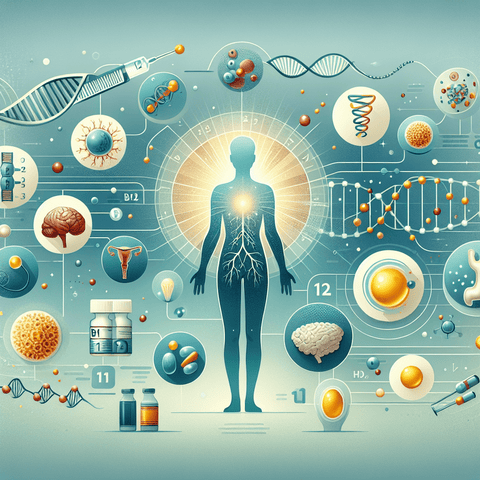
What is cognitive impairment?Cognitive impairment is a broad term that describes difficulties with thinking, memory, concentration, and other mental functions. It ranges from mild cognitive impairment (MCI), where daily life is mostly unaffected, to dementia, which significantly interferes with independence. Vitamin B12 deficiency is one of several possible causes, because B12 is needed to maintain the health of nerve cells and support neurotransmitter production. When B12 levels are low, people may experience memory problems, trouble focusing, and confusion—symptoms that can be mistaken for aging or dementia.What are the common symptoms of B12 deficiency?Vitamin B12 deficiency can manifest through physical, neurological, and cognitive signs. Common symptoms include fatigue, weakness, pale skin, shortness of breath, and heart palpitations. Neurological effects may appear as numbness or tingling in the hands and feet, balance problems, and muscle weakness. Cognitive symptoms include memory loss, difficulty concentrating, and mental fog. Digestive issues such as nausea, constipation, or a swollen tongue can also occur. Because these symptoms develop gradually, they are often overlooked or attributed to other conditions.How is cognitive impairment related to B12 deficiency treated?When cognitive impairment is caused by vitamin B12 deficiency, early treatment with B12 supplements can help improve or even reverse symptoms. However, if left untreated for a long time, neurological damage may become permanent. Supplements come in oral, sublingual, or injectable forms, and the right choice depends on the underlying cause, such as absorption issues or pernicious anemia. Individuals experiencing cognitive difficulties should consult a healthcare professional for proper evaluation. B12 deficiency is a treatable cause of cognitive impairment, but only if addressed promptly.