
Digestive support can be understood as a holistic approach to nurture everyday comfort through consistent routines, mindful presence, and gentle habits. This page offers practical digestive support ideas that you can begin today, emphasizing gentle relief and natural strategies rather than quick fixes. By naming the elements that contribute to a stable pattern—rhythm, calm, and awareness—you can create a foundation for your body’s sensations and responses. The goal is to cultivate a steady backdrop for your digestion through approachable practices and informed choices. Think of digestive support as a compass for tending to how you feel day to day. Practical steps for digestive support start with your daily rhythm. Establish regular times for rest and gentle movement, and design a calm, distraction-free setting for moments of quiet attention. A simple routine around daily activities creates continuity that can be part of digestive support. In this approach, you prioritize pauses, awareness of your body's signals, and a paced pace through activities. The idea is to build a supportive environment where responses can unfold without haste. Gentle relief can come from mind-body techniques and comfortable postures. Practices such as slow breathing, gentle twists, or mindful walking provide quiet ways to align with the body's sensations. Pay attention to how your posture and breathing relate to your present experience, and give yourself permission to adjust as needed. These elements can be considered part of your digestive support toolkit, accessible without special equipment and usable in various settings. Natural strategies you can start now include creating a soothing evening routine, limiting overstimulation before rest, and keeping a simple journal of patterns you notice in relation to your daily activities. This is about observation and small, consistent steps that you can tailor to your preferences. If persistent concerns arise, consulting a professional or trusted advisor can help you explore options within a broader plan, while maintaining your focus on digestive support.
Digestive Support: Restore Gut Comfort & Smooth Digestion Today

Probiotics and the Mayo Clinic: What You Need to KnowThe Mayo Clinic recognizes that probiotics—live microorganisms like Lactobacillus and Bifidobacterium—can support digestive and immune health when used appropriately. They are particularly noted for helping with conditions like diarrhea, irritable bowel syndrome (IBS), and restoring gut balance after antibiotics. However, the Mayo Clinic also emphasizes that not all probiotics are equal: effectiveness depends on the specific strain, dosage, and individual response.Understanding Side Effects: Gas, Bloating, and How to Manage ThemMany people experience gas and bloating when starting probiotics. According to the Mayo Clinic, these side effects are usually temporary and often subside within a few days as the gut adjusts. If discomfort persists, it may help to lower the dose, switch to a different strain, or take the probiotic with food. The key is to introduce probiotics gradually and choose clinically supported strains like Lactobacillus rhamnosus GG or Saccharomyces boulardii for targeted benefits.Probiotics and Antibiotics: Safe Use and Best PracticesFor anyone taking antibiotics, the Mayo Clinic suggests that certain probiotic strains may reduce the risk of antibiotic-associated diarrhea. Taking probiotics during and after antibiotic treatment can help replenish beneficial bacteria disrupted by the medication. The most researched strains for this purpose include Lactobacillus rhamnosus GG and Saccharomyces boulardii. Always consult your healthcare provider before combining probiotics with antibiotics, especially if you are immunocompromised or have underlying health conditions.

Can You Just Take Probiotics? Understanding Their RoleProbiotics are live microorganisms that, when consumed in adequate amounts, may offer health benefits. They are found in fermented foods and dietary supplements. While they can support gut health, they are not a standalone cure. Taking probiotics without considering your overall diet and lifestyle may not yield the results you expect. This article explores what probiotics are, how they work, and why they are most effective as part of a broader wellness strategy.Why Probiotics Alone Are Not Enough for Gut HealthYour gut microbiome is a complex ecosystem influenced by many factors, including diet, stress, sleep, and medications. Probiotics introduce beneficial bacteria, but they do not permanently colonize the gut for most strains. To maintain a balanced microbiome, you need to support these microbes with prebiotic fibers and a healthy lifestyle. Relying solely on probiotic supplements may provide temporary benefits but is unlikely to address underlying imbalances.How to Use Probiotics Effectively for Digestive SupportTo get the most from probiotics, choose strains backed by research for your specific concern, ensure product quality, and combine them with a fiber-rich diet. Pairing probiotics with other nutrients like vitamin D and magnesium, staying hydrated, and managing stress can enhance results. Always consult a healthcare professional if you have underlying conditions or are considering high-dose supplements.

Probiotics and Digestive Support: What You Need to KnowProbiotics are live microorganisms that may support gut health by interacting with your existing microbiota. While many people use them for digestive support, they are not without potential downsides. Some individuals experience gas, bloating, or digestive discomfort when starting a probiotic. More serious risks, though rare, include infections in people with weakened immune systems. The effects of probiotics are strain-specific, meaning different strains can have different benefits and risks. It's essential to choose products with clearly labeled strains and clinically documented effects, and to consider whether a probiotic is truly necessary for your situation.Signs of a Weak Digestive System and How Probiotics Fit InA weak digestive system may show up as frequent bloating, irregular bowel habits, or discomfort after eating. Probiotics are often considered as a support option, but they are not a universal remedy. In some digestive conditions, such as irritable bowel syndrome (IBS) or small intestinal bacterial overgrowth (SIBO), probiotics might actually worsen symptoms. Before turning to supplements, it's important to look at diet, stress, and lifestyle factors that form the foundation of digestive health. Probiotics can be part of a broader strategy, but they should not replace professional medical advice or mask underlying issues.Choosing the Right Probiotic and Using It SafelyWhen selecting a probiotic, look for the full strain name, colony-forming units (CFU) count, and third-party testing. Not all products are created equal, and quality varies. If you are immunocompromised, pregnant, or managing a chronic condition, consult a healthcare professional before use. Track how your body responds and stop if you experience persistent or concerning side effects. Probiotics are just one piece of the gut health puzzle; a balanced diet and healthy lifestyle remain essential. Making an informed choice means understanding both the potential benefits and the possible downsides.
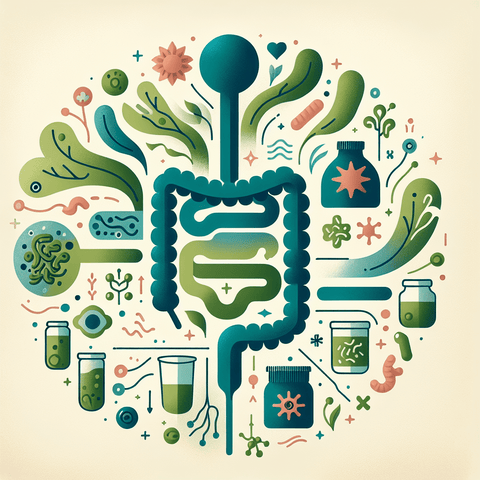
Probiotics are live beneficial microorganisms that support gut health, digestive support, and overall intestinal wellness. Strains such as Lactobacillus and Bifidobacterium may help relieve bloating, gas, diarrhea, and IBS symptoms while improving nutrient absorption and gut barrier function. Immune boosting probiotics can support normal immune responses and help maintain resilience during illness or antibiotic use. By competing with harmful microbes and working alongside prebiotic fiber, probiotics promote microbial balance and a diverse microbiome. Available as capsules, powders, tablets, and fermented foods, probiotic supplements should be selected by strain, viability, formulation, and individual health needs, with professional guidance when appropriate.
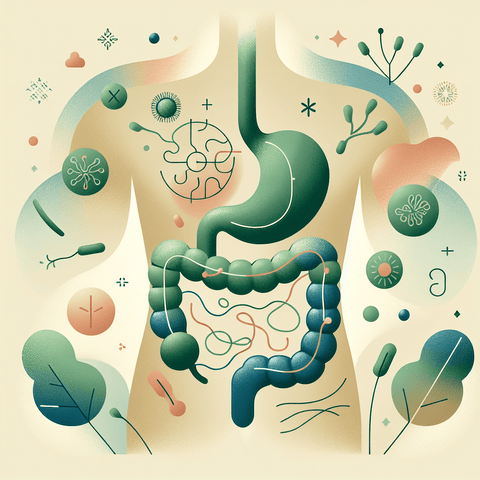
Signs You May Need ProbioticsProbiotics are live microorganisms that can help maintain a balanced gut environment. Signs you might benefit from them include bloating, gas, constipation, irregular bowel movements, recent antibiotic use, frequent illnesses, skin issues, fatigue, and brain fog. These symptoms may point to an imbalanced microbiome, also known as dysbiosis, which can affect digestion, immunity, and overall well-being.Digestive Support and Microbiome BalanceProbiotics can play a role in digestive support by promoting regular bowel movements, reducing discomfort like gas and bloating, and supporting the integrity of the intestinal barrier. They help rebalance gut flora after antibiotics and may improve nutrient absorption. A healthy microbiome also supports immune function, as about 70% of immune cells reside in the gut. When choosing a probiotic, look for products with clearly labeled strains, viable cell counts, and third-party testing.How to Choose and Use Probiotic SupplementsIf you experience persistent digestive issues or other signs of imbalance, probiotics may be worth considering. Select a supplement that matches your specific needs, such as strains like Lactobacillus rhamnosus GG for immunity or Saccharomyces boulardii for antibiotic-associated diarrhea. Consistency is key; results may take one to four weeks. Consult a healthcare professional if you have underlying conditions or are immunocompromised. Pairing probiotics with a balanced lifestyle and other nutrients like magnesium or vitamin D can support overall wellness.
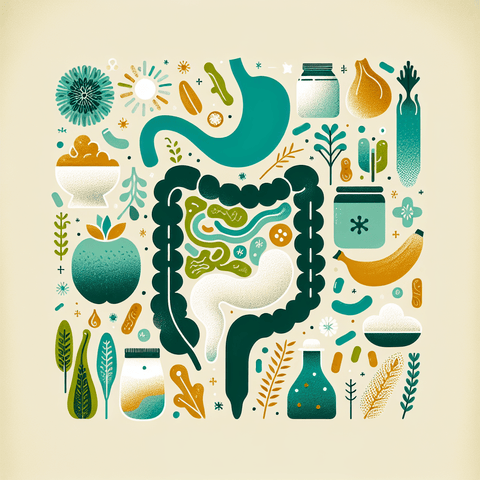
What Are Beneficial Bacteria and Why Do They Matter?Beneficial bacteria, commonly known as probiotics, are live microorganisms that, when consumed in adequate amounts, contribute to a balanced gut microbiome. These friendly bacteria support digestive health by helping maintain equilibrium between helpful and harmful microbes in the intestines. A healthy gut ecosystem influences nutrient absorption, immune function, and even mental clarity through the gut-brain axis. Modern lifestyles, including high sugar intake, processed foods, antibiotics, and chronic stress, can disrupt this delicate balance. Understanding where beneficial bacteria are found is the first step toward nurturing your gut.Top Food Sources of Beneficial BacteriaFermented foods are the most natural and diverse sources of beneficial bacteria. Yogurt is the most well-known, made by fermenting milk with lactic acid bacteria such as Lactobacillus bulgaricus and Streptococcus thermophilus. Look for labels stating “live and active cultures” to ensure probiotic content. Kefir, a fermented milk drink, offers a wider range of bacteria and yeasts. Plant-based options include sauerkraut, kimchi, miso, tempeh, and kombucha, which are suitable for vegans and lactose-intolerant individuals. When choosing fermented foods, opt for refrigerated, unpasteurized versions to guarantee live cultures, as pasteurization destroys beneficial microbes.Probiotic Supplements: A Practical ApproachFor consistent and targeted support, probiotic supplements provide a standardized dose of specific strains. They come in capsules, powders, and chewable tablets, featuring strains like Lactobacillus, Bifidobacterium, and Saccharomyces boulardii. Quality matters: choose products with clear strain identification and a CFU count guaranteed at expiration, not manufacture. Opt for enteric-coated capsules to protect probiotics from stomach acid. Supplements are especially helpful for those who do not regularly consume fermented foods. Before starting high-dose probiotics, consult a healthcare provider, especially if you have an underlying condition or are immunocompromised. Combining dietary sources and supplements maximizes microbial diversity for overall gut health.