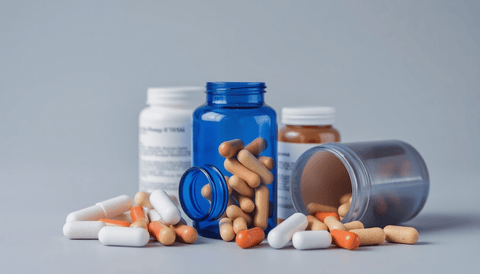
Almost every bottle of vitamins carries a printed date, which naturally raises the question: do supplements expire? The short answer is yes — supplements have a limited shelf life, and their potency gradually declines over time. For most products, an expired supplement is more likely to be less effective than dangerous, though there are real exceptions, particularly for oils, probiotics, and gummies. This article explains what best-by dates actually mean, which supplement types degrade fastest, how to store vitamins correctly, when expired supplements are safe to take, and how to use expiration information to buy fresher, higher-quality products.
How Long Do Supplements Actually Last?
Shelf life varies considerably by formulation, but most supplements are designed to remain at full labeled potency for a defined period from the day they are produced.
What “Best By” and “Expiration” Dates Mean on Supplement Labels
Most supplements carry a best-by or best-before date: the point until which the manufacturer guarantees the product will contain the labeled amounts and meet its quality standards, provided it is stored as directed. In the European Union and many other markets, food supplements are required to carry this durability date. It is primarily a quality indicator, not a strict safety cutoff. Dates are typically set through stability testing and commonly fall one to three years after production, depending on the product and form.
Do Expired Vitamins and Supplements Become Harmful or Just Less Effective?
For the majority of supplements, time reduces potency rather than creating harmful compounds. Vitamins fade, live cultures die off, and oils slowly oxidize — but a tablet a few months past its date is unlikely to cause harm. Genuine safety concerns appear in specific situations: oils that have turned rancid, products contaminated with moisture that show clumping or mold, or items with damaged packaging. In those cases the problem is degraded quality, and the product should not be used.
What Happens to the Potency of Nutrients Over Time?
Sensitivity varies widely between nutrients. Vitamin C, thiamine (B1), folate, and vitamin A are among the most vulnerable to heat, light, and oxygen, while minerals such as calcium, magnesium, and zinc are chemically stable and essentially do not lose potency. Vitamin D is comparatively robust but not immune. Manufacturers account for this by often including a small “overage” of fragile nutrients, so the product still meets its label claims at the end of its shelf life.
Which Types of Supplements Expire Fastest?
Softgels and Oils (Fish Oil, Vitamin E, CoQ10) and Rancidity Risks
Oil-based softgels are among the shortest-lived supplements because polyunsaturated fats oxidize when exposed to oxygen, heat, and light. Oxidized fish oil develops a distinct rancid smell — often described as paint-like or simply “off” — and delivers degraded fats rather than fresh omega-3s. Omega-3 fish oil supplements generally benefit from refrigeration after opening, which slows oxidation considerably. If capsules smell strongly or taste unpleasant, the oil has likely oxidized.
Probiotics: Why Live Cultures Have Shorter Shelf Lives
Probiotics contain living microorganisms whose potency is expressed as colony-forming units (CFUs) — a count that inevitably declines over time, especially with heat and moisture exposure. Their shelf lives are therefore shorter than most supplements, commonly around one year or a little more. Check whether a label guarantees CFUs at expiration or merely at manufacture, since the former is the more meaningful figure. Probiotic and prebiotic supplements kept cool, dry, and dark retain their cultures far better.
Powders and Effervescent Tablets: Moisture and Clumping Concerns
Powders and effervescent tablets are hygroscopic, meaning they actively draw moisture from the air. As they absorb humidity, powders can cake and harden, while effervescent tablets lose their fizz and dissolve poorly because the reaction between acid and bicarbonate has already begun inside the container. Keep the lid tightly closed, leave the provided desiccant packet in place, and never dose with wet hands or a damp spoon.
Gummy Vitamins: Stability and Sugar Content Considerations
Gummies combine gelatin or pectin with sugar and moisture — a matrix that is inherently unstable. Heat can melt them into a sticky mass, while time hardens them, dulls their color, and reduces levels of the less stable vitamins they contain, such as vitamin C and vitamin A. A changed texture, persistent sticking, or a dull, faded appearance is a clear sign the product is past its best.
How Long Do Multivitamins, B-Complex, and Minerals Stay Potent?
Pressed tablets and hard capsules are the most stable formats and commonly carry shelf lives of two to three years. Minerals such as magnesium, calcium, and zinc are elements that do not degrade; their dates mostly reflect the stability of binders, coatings, and any added vitamins. B-complex formulas sit in between: some B vitamins are fairly robust, while B1 and folate fade sooner. Multivitamins combine all of these variables, so storage conditions matter more for them than for single-mineral products.
Signs That a Supplement Has Gone Bad
Changes in Smell, Taste, and Texture
Trust your senses. A rancid, sour, or paint-like odor from oil capsules, gummies that have fused into a lump, tablets that crumble unusually easily, or powders that have hardened into a solid block all indicate the product has deteriorated beyond its intended quality. A capsule that leaks or leaves oily stains inside the bottle is also compromised and should be discarded.
Discoloration and Visible Spots on Tablets or Capsules
Some gradual darkening can occur naturally in aged tablets, particularly those stored in amber bottles, and is not always a problem on its own. However, distinct brown spots, moisture marks, visible mold, a swollen bottle, or capsules that have stuck together point to moisture damage or contamination. When in doubt — especially with any product showing fuzzy growth or unexplained residue — throw it away.
What Causes Supplements to Deteriorate Faster?
Exposure to Heat, Light, and Humidity
Three factors accelerate degradation: heat speeds up chemical reactions, light breaks down light-sensitive nutrients, and humidity triggers hydrolysis and clumping. Humidity is usually the most damaging, since moisture activates effervescent reactions, softens tablets, and can encourage microbial growth in vulnerable formulations. A bathroom shelf, a sunny windowsill, or a cabinet near the stove can cut effective shelf life substantially.
How Storage Conditions Extend or Shorten Shelf Life
The printed date assumes proper storage. A vitamin C tablet kept in a cool, dark cupboard may remain near full potency well past its date, while an identical tablet stored in a steamy bathroom can lose a meaningful share of its content before that date arrives. Cool, dry, and dark are the common denominators of every reliable storage recommendation.
Does Opening the Bottle Affect Expiration Dates?
The date assumes an intact, properly stored container. Every opening lets in air and moisture — occasional use is fine, but frequent exposure accelerates decline. Transferring a short supply into a weekly pill organizer is acceptable; long-term storage in open organizers is not. Some products, particularly liquids, state “use within X months of opening,” and that instruction should be followed because it reflects the period during which the opened product remains stable.
How to Store Supplements for Maximum Shelf Life
The Best Storage Locations (and Why the Kitchen and Bathroom Are Poor Choices)
A cool, dry, dark cupboard — ideally in a bedroom or hallway away from cooking steam — is the best default. Bathrooms expose supplements to repeated humidity spikes, kitchen cabinets sit near heat sources, and windowsills combine light with temperature swings. The refrigerator is only appropriate when the label calls for it, since repeated transfer in and out causes condensation. Some probiotics and liquid oils genuinely do need refrigeration, so always check the label first.
Should You Keep Supplements in the Original Container?
Yes, in almost all cases. Original containers are selected for opacity, moisture protection, and child resistance, and they carry the batch number, expiration date, and storage instructions you may need. The silica gel packet should stay inside, as it absorbs the moisture introduced with each opening. If you decant a few days’ worth into a daily organizer, keep the remainder sealed in the original bottle.
Can You Take Expired Supplements? What the Evidence Says
When Taking an Expired Supplement Is Likely Fine
A tablet or capsule that is a few months past its date, was stored correctly, and shows no off smell, discoloration, or clumping is very unlikely to cause harm. The realistic downside is reduced potency: you may receive less of fragile nutrients like vitamin C than the label states. For general wellness use, the main cost of an expired supplement is usually money spent on a weakened product, not a health risk.
When You Should Throw Expired Supplements Away
Discard any supplement that smells rancid, shows mold or moisture damage, has visibly degraded in texture, comes from damaged packaging, or is years past its date. Be more cautious when reliable potency matters for a health reason: a vitamin D product used alongside a documented low blood level, or folic acid taken during pregnancy, should be in date, because label accuracy carries real consequences in those situations.
How to Properly Dispose of Expired or Spoiled Supplements
Many pharmacies accept expired supplements and medicines for safe disposal, which is the preferred route where available. If home disposal is the only option, keep tablets in their packaging, seal everything in a bag mixed with something unappealing such as used coffee grounds, and place it in household trash, out of reach of children and pets. Never flush supplements down the toilet or sink.
How to Choose Supplements That Are Fresh and High Quality
What to Look for in a Manufacturing Date and Expiration Label
Before buying, check the printed date — usually on the bottle base, cap, or carton — and estimate how quickly you will finish the container. A large jar of a supplement you take occasionally may expire long before the last serving. Prefer clearly printed dates over smudged or missing ones, and treat labels that show only a manufacturing date with no best-by information cautiously.
Batch Numbers, Third-Party Testing, and Quality Seals
A batch or lot number links your bottle to a specific production run, which matters for traceability and recalls. Reputable manufacturers set their dates through documented stability testing, and some products carry seals from independent verification programs that assess identity, potency, and purity. These signals do not guarantee freshness by themselves, but they indicate a quality system behind the date on the label.
Practical Tips for Buying Supplements Online or in Stores
Buy from retailers with steady stock turnover, check the date again on arrival, and reject bottles that arrive warm, exposed, or with broken seals. Choose container sizes matched to your usage rate, and apply the storage instructions immediately rather than “later.” Some retailers sell near-expiry stock at steep discounts; these near-expiry supplement deals can offer genuine value if you will finish the product before the date and are confident it was stored properly.
When to Consider Supplementation and Choosing the Right Product
Factors That Influence Individual Nutritional Needs
Whether a supplement is needed at all is individual. Dietary pattern (for example, vegan diets and vitamin B12), limited sun exposure (vitamin D), pregnancy (increased folate and iodine needs), age, certain medications, and digestive conditions that impair absorption all influence requirements. For several nutrients — vitamin D, vitamin B12, iron, folate — a blood test can establish actual status, which is more reliable than judging from how you feel, since symptoms alone do not confirm or exclude a deficiency.
How to Use Expiration Information When Comparing Supplement Brands
When comparing products, look beyond marketing. Compare guaranteed potency through the end of shelf life (essential for probiotics), the storage demands a product places on you, container size relative to your consumption speed, and how clearly the date is printed. A well-formulated product with a realistic date and sensible storage requirements will deliver what its label promises for longer than a comparable product chosen casually.
Key Takeaways for Safe Supplement Use
- Supplements “expire” in the sense that potency declines; dates are best-by quality guarantees, not hard safety deadlines.
- Most expired supplements are less effective rather than harmful, but oils, probiotics, gummies, powders, and effervescent tablets degrade fastest.
- Rancid smell, mold, clumping, melting, unusual discoloration, or damaged packaging are grounds to discard a product.
- Heat, light, and above all humidity shorten shelf life; cool, dry, and dark storage preserves it.
- Keep supplements in their original containers with the desiccant packet, and avoid bathrooms and kitchens.
- Refrigerate only products whose labels say so; freezing is generally not recommended.
- Minerals are chemically stable, while vitamin C, B1, folate, vitamin A, omega-3 oils, and live cultures are among the most fragile nutrients.
- Where potency matters for a medical reason, use in-date products and consider testing rather than guessing.
A Quick Checklist for Managing Your Supplement Supply at Home
- Check the best-by date before buying and again when the order arrives.
- Match container size to how quickly you will actually use it.
- Store everything in a cool, dry, dark cupboard away from steam and heat.
- Keep desiccant packets inside and close caps tightly after every use.
- Note the opening date on liquids, refrigerated items, and oils.
- Use the oldest products first and keep newer stock behind older stock.
- Return expired products to a pharmacy, or dispose of them sealed in household trash.
The Bottom Line on Supplement Expiration
Supplements do expire, but the date on the bottle is a guarantee of full quality rather than a warning of danger. Time, heat, light, and moisture erode potency at different speeds depending on the formulation, and a few months past a best-by date typically means a weaker product, not a hazardous one. Sensory checks, sensible storage, and realistic container sizes protect both your investment and the effectiveness of what you take. And where a nutrient matters for a specific health reason, choose in-date products and let a healthcare professional help confirm what you actually need.
Frequently Asked Questions
How long are vitamins good for after the expiration date?
There is no single figure, but studies on stored pharmaceutical products have shown many retain meaningful potency for months or years past their dates, and supplements generally decline gradually rather than suddenly. Fragile nutrients fade sooner. The date is the last point at which the manufacturer guarantees label potency, not a cliff edge.
Can expired vitamins make you sick?
Rarely. The main consequence of expiration is reduced effectiveness rather than toxicity. Products that have turned rancid, grown mold after moisture exposure, or show obvious spoilage should be discarded and not consumed.
Do mineral supplements like magnesium and calcium expire?
The minerals themselves are stable elements that do not lose potency over time. The printed date instead reflects the expected quality of the whole formulation, including binders, coatings, flavorings, and any added vitamins that can degrade.
Should probiotics be refrigerated?
Follow the label. Many modern probiotic strains are formulated to be shelf-stable at room temperature, while others retain their CFU counts better when refrigerated. All probiotics last longer when kept away from heat and moisture.
Can you freeze supplements to extend their life?
Generally not. Temperature swings and condensation during thawing introduce moisture, which damages tablets, powders, and effervescent formats. Refrigerate only the specific products whose labels call for it.
Is it safe to take fish oil past its expiration date?
Only if it shows no rancid smell or taste. Oxidized fish oil no longer delivers the intended quality of omega-3 fats and tastes unpleasant, so if the capsules smell “off,” replacing them is the better option.
Why do some supplements have longer expiration dates than others?
Formulation, chemical form, packaging, and the manufacturer’s stability testing all influence shelf life. Stable minerals and coated tablets typically last longer than oils, live cultures, and moisture-sensitive formats like gummies and effervescents.
What does “best by” mean versus an expiration date on supplements?
Supplement labels almost always use best-by or best-before wording: a guarantee of full potency and quality until that date when stored properly. After it, quality may gradually decline, but it is not a hard safety deadline.
Are supplements near their expiration date still effective?
Usually yes, provided they were stored properly — that is precisely what the date guarantees. Near-expiry products can be a sensible deal if you will finish the container in time.
How should I store gummy vitamins?
Keep them in a tightly sealed container in a cool, dry place; in warm weather, refrigeration can help prevent melting if the label allows. Discard gummies that have fused into a mass, hardened, or changed color noticeably.
Can I use supplements in a weekly pill organizer?
Yes, for short periods. Fill the organizer with a few days’ to a week’s supply and keep the remainder sealed in the original bottle, since organizers offer little protection against air and moisture.
How do I know if my probiotic is still active?
You cannot tell visually. Choose brands that guarantee CFU counts at expiration rather than at manufacture, store the product cool and dry, and replace it once opened past the timeframe suggested on the label.
Related Keywords
- do supplements expire
- supplement shelf life
- do vitamins expire
- expired vitamins side effects
- best by date on supplements
- how long do vitamins last after expiration
- are expired supplements safe to take
- how to store vitamins properly
- probiotic shelf life and storage
- rancid fish oil smell
- vitamin potency over time
- gummy vitamins expiration
- effervescent tablet clumping
- expired fish oil safety