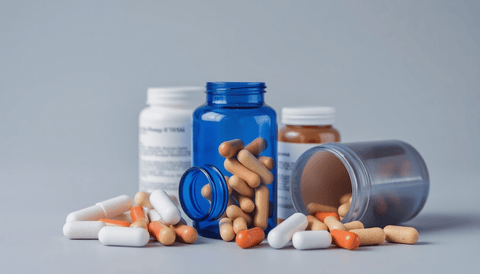
Many people wonder whether the vitamins sitting in their cabinet are still effective months or even years after purchase. The short answer: yes, vitamins can lose potency over time. Nutrients degrade gradually as they are exposed to heat, light, moisture, and oxygen, which means a supplement may contain less of its labeled amount as it ages. In this article, you will learn what potency loss actually means, how quickly different vitamin forms degrade, whether expired supplements are safe, and—most importantly—how to store and select vitamins so you get full value from every dose.
What Does It Mean When Vitamins Lose Potency?
Potency refers to the actual amount of an active nutrient present in a supplement. When vitamins lose potency, the chemical compounds that deliver the nutrient gradually break down into inactive forms. A capsule that originally contained 500 mg of vitamin C, for example, may contain measurably less after extended storage, especially under poor conditions. Potency loss is a slow chemical process, not a sudden event—the decline is usually gradual and depends heavily on the nutrient type, formulation, and storage environment.
The Difference Between Potency, Expiration, and Spoilage
These three concepts are often confused. Potency describes how much active nutrient remains. Expiration is the manufacturer's estimate of how long the product will retain its labeled potency under proper storage. Spoilage refers to physical or microbial deterioration, such as rancidity in fish oil or mold growth in a damp container. A supplement can lose some potency without being spoiled, and a product can look perfectly fine while delivering less than its label claims.
Why "Best By" Dates Don't Always Mean "Expired"
Most supplements carry a "best by" or "best before" date rather than a hard expiration date. This date reflects the manufacturer's guarantee of full labeled potency—not a safety deadline. Research on properly stored medications has shown many retain much of their activity past their labeled date, and the same principle applies to supplements, though the evidence for supplements is less standardized. That said, the date is only meaningful if the product has been stored correctly; heat and humidity can invalidate it well before it arrives.
How Quickly Do Different Types of Vitamins Degrade?
Degradation rates vary substantially between nutrients. Water-soluble vitamins tend to be more fragile, while minerals such as calcium and magnesium are elemental and essentially do not degrade at all—their "potency" is far more stable than that of vitamins. Probiotics and oils containing omega-3 fatty acids are among the most time- and temperature-sensitive supplement categories.
Fat-Soluble vs. Water-Soluble Vitamins: Which Are More Stable?
Fat-soluble vitamins (A, D, E, and K) are generally more stable than water-soluble ones, but they are not immune. Vitamin A is vulnerable to oxidation and light; vitamin E is itself an antioxidant and can be consumed by reacting with oxygen in the bottle. Water-soluble vitamins such as vitamin C and the B vitamins degrade faster. Vitamin C is particularly sensitive—heat, light, and humidity all accelerate its breakdown, and once moisture enters a container, the process speeds up considerably. Folate and vitamin B6 also lose activity over time, especially in multivitamin formulas containing trace minerals that catalyze degradation.
Do Gummies, Capsules, Tablets, and Powders Degrade at Different Rates?
Yes, and the differences are meaningful. Gummies are the least stable format: their gelatin or pectin base holds moisture, which is precisely what accelerates nutrient breakdown. Gummies also have shorter shelf lives—often 12 to 18 months—and may change texture, stick together, or degrade faster once opened. Tablets and capsules are more protective; a well-made tablet seals nutrients inside a dense matrix, while capsules shield contents from light and oxygen until swallowed. Powders have large surface areas exposed to air, so they degrade faster after opening unless kept tightly sealed and completely dry. Softgels and enteric-coated forms offer similar protection for sensitive oils.
What Causes Vitamins to Break Down Faster?
The Role of Heat, Humidity, and Light in Vitamin Degradation
Heat is the single biggest enemy of supplement potency. Chemical reactions roughly double in rate for every 10°C increase in temperature, which is why a bottle stored above a stove or in a hot car can lose potency dramatically faster than one kept in a cool drawer. Humidity matters just as much: moisture hydrolyzes vitamins, softens tablets, dissolves capsule shells, and turns powders into clumps. Light—particularly direct sunlight—provides the energy to break down photosensitive nutrients like vitamin A, riboflavin (B2), and vitamin C.
How Air Exposure and Oxidation Affect Nutrient Stability
Oxygen slowly oxidizes vulnerable nutrients every time a bottle is opened. Fat-soluble vitamins and oils are especially prone to rancidity through oxidation, which not only reduces potency but can produce unpleasant odors and flavors. This is why manufacturers include antioxidants in oil-based softgels and use induction seals and desiccant packets—to limit oxygen contact from the factory until the moment you take the dose. Repeatedly opening a large container exposes the entire contents to fresh air each time.
Can You Still Take Expired Vitamins?
Are Expired Vitamins Harmful or Just Less Effective?
For most properly stored vitamins, passing the "best by" date means reduced potency rather than danger. The nutrient content simply declines. Exceptions exist: oils that have gone rancid, probiotics (which may harbor unwanted microbial growth when mishandled), and any product showing visible spoilage should be discarded rather than consumed. If you depend on a supplement for a specific nutritional need, an expired product may deliver meaningfully less than the label suggests, which defeats the purpose of taking it.
Signs That Your Vitamins Have Gone Bad
Trust your senses when evaluating an older supplement. Discard products that show:
- Discoloration — darkening or spotting that wasn't present originally
- Unusual odor — especially a rancid, paint-like, or sour smell in oil-based products
- Texture changes — clumping powders, sticky or melting gummies, cracked or softened capsules
- Visible moisture inside the container or mold of any kind
- Broken seals or packaging that was clearly compromised
When in doubt, especially with any product showing these signs, replacement is the safer and more cost-effective choice.
How to Store Vitamins to Preserve Their Potency
Best Storage Conditions for Maximum Shelf Life
The ideal environment is cool, dry, and dark—roughly room temperature or slightly below, with low humidity and no direct light. A bedroom dresser, kitchen pantry shelf away from the stove, or a dedicated storage drawer all work well. Always keep containers tightly closed, retain the original desiccant packet if included, and avoid decanting supplements into pill organizers for long-term storage, since organizers rarely seal out moisture. For oil-based softgels such as omega-3 supplements, some manufacturers recommend refrigeration to slow oxidation—check the label.
Common Storage Mistakes That Accelerate Potency Loss
Ironically, one of the most common spots—the bathroom medicine cabinet—is among the worst. Showers generate heat and humidity that cycle through the room daily. Other frequent mistakes include storing vitamins above the refrigerator (warm air rises from the compressor), leaving bottles on sunny windowsills, keeping them in cars, using damp hands to handle tablets, and leaving caps loosely closed. Each of these shortens effective shelf life, sometimes substantially.
Does Supplement Form Affect Long-Term Stability?
Gummies vs. Tablets: Which Form Holds Up Better Over Time?
Tablets and capsules generally hold up better than gummies over months and years. Tablets are compressed into a dense, low-moisture form that naturally resists degradation, while gummies contain significant water activity by design. If you prefer gummies for ease of swallowing or taste, buy smaller quantities you can finish within a few months of opening, and store them more carefully than you would tablets. If long-term stability is your priority, capsules and tablets are the more forgiving formats.
Are Refrigerated or Preservative-Added Formulas Worth It?
It depends on the product type. Refrigeration genuinely extends the life of probiotics, certain oil-based formulas, and some liquid supplements, and reputable brands state this clearly on the label. For standard dry tablets and capsules, refrigeration offers little benefit and may actually introduce condensation when containers move in and out of the fridge—moisture that degrades the product. Added antioxidants or preservatives in oil-based softgels can meaningfully slow rancidity, so their presence is a functional advantage rather than a drawback for those specific formulas.
When Should You Replace Your Vitamin Supply?
How to Track Purchase Dates and Rotate Your Stock
Simple habits prevent most potency problems. Write the purchase date on the label with a marker if it isn't already printed, and keep receipts or order confirmations for reference. Follow first-in, first-out rotation: finish the oldest bottle before opening a new one. Buy quantities you will realistically finish before the "best by" date—a large-value bottle is only a bargain if you use it in time. A quick quarterly cabinet check helps you spot anything approaching its date.
What to Do With Old or Discolored Supplements
Do not flush supplements or toss them loosely in household trash where children or animals could reach them. Many pharmacies accept supplements for safe disposal, or you can seal them in a bag with an undesirable substance such as used coffee grounds before discarding. If a large supply is approaching its date and you're comfortable with the reduced potency trade-off, some retailers offer dedicated expiry deals that reflect the shorter usable window—an option worth understanding rather than quietly discarding a product.
How to Choose Vitamins That Last Longer
Key Label Indicators of a Stable, High-Quality Product
Look for a clearly printed "best by" date, batch number, and storage instructions—reputable manufacturers provide all three. Third-party testing or quality seals indicate the product was verified for content and purity, which also implies accurate potency at release. Formulation matters too: products using more stable nutrient forms and protective additives (such as vitamin E in fish oil) are engineered for a longer usable life. When browsing options, checking how a brand handles multivitamin ingredients and usage guidance can reveal how seriously it takes stability and quality control.
Recognizing Packaging That Protects Potency
Packaging is your first line of defense. Opaque or amber containers block light; induction-sealed openings and blister packs limit air exposure; desiccant packets and airtight screw caps manage moisture. Blister packaging is particularly good for individual doses, since each tablet stays sealed until use. Avoid brands sold in clear plastic bags or flimsy containers without seals—these offer little protection during shipping and storage, and potency may already be compromised before purchase.
Practical Tips for Getting Full Value From Your Supplements
Creating a Simple Storage and Replacement Routine
A few minutes of organization protects your entire supplement investment:
- Store everything in one cool, dark, dry location away from the bathroom and stove
- Keep original containers sealed, with desiccants in place
- Date each bottle on purchase and finish older stock first
- Buy sizes you'll finish before the "best by" date
- Do a quick sensory check (color, smell, texture) every few months
- Set a calendar reminder to audit your supply twice a year
When Professional Guidance on Supplement Quality May Help
If a supplement is central to managing a diagnosed deficiency or a specific health need, ask a pharmacist or healthcare provider about its storage requirements and acceptable use window. This is especially relevant for prescription-adjacent products, high-dose formulations, probiotics, and fish oils. Professionals can also help you assess whether an older product still fits your needs or whether replacing it is the more reliable option.
Final Takeaway: Potency, Storage, and Smart Supplement Habits
Vitamins do lose potency over time, but the pace is largely in your control. Cool, dry, dark storage in sealed original packaging keeps nutrients close to their labeled amounts for the full intended shelf life, while heat, humidity, light, and repeated air exposure accelerate decline. Expired supplements are usually less effective rather than dangerous, but rancid oils, discolored tablets, and degraded gummies should be replaced. Buy sensible quantities, rotate your stock, and when a supplement supports a specific health goal, replacing it on time is part of taking it properly.
Key Takeaways
- Yes, vitamins lose potency over time as nutrients gradually break down from heat, light, moisture, and oxygen exposure.
- Potency loss is a gradual chemical process—most products don't suddenly "expire" but slowly deliver less than the label states.
- Water-soluble vitamins like vitamin C and B vitamins degrade faster than fat-soluble vitamins; minerals are far more stable.
- Gummies are the least stable format due to moisture content; tablets and capsules generally hold up longest.
- The bathroom cabinet is one of the worst storage spots—heat and humidity from showers accelerate degradation.
- Expired vitamins are usually just less potent, not harmful—but rancid smells, discoloration, or texture changes mean discard.
- "Best by" dates reflect guaranteed potency, not safety deadlines, and only apply when storage conditions are correct.
- Blister packs, opaque bottles, induction seals, and desiccants all help protect nutrient stability.
- Track purchase dates, rotate stock first-in-first-out, and buy only quantities you'll finish before the date.
Frequently Asked Questions
Do vitamins really lose potency after the expiration date?
Generally yes, though gradually. Past the "best by" date, nutrient content typically declines below labeled amounts rather than becoming dangerous. The rate depends heavily on how the product was stored—cool, dry conditions slow the decline considerably.
How long do vitamins last after opening?
Most tablets and capsules retain good potency for months after opening if kept sealed between uses and stored properly. Gummies and powders degrade faster once opened and are best finished within a few months. Always check the label's guidance after opening.
Is it safe to take vitamins two years past the expiration date?
For most dry vitamin products stored correctly, it's more a question of effectiveness than safety—the dose may be lower than labeled. However, oils, probiotics, or anything showing discoloration, odor, or texture changes should be discarded regardless of date.
Which vitamins degrade the fastest?
Vitamin C is among the most sensitive, along with folate and vitamin B6, particularly in multivitamin mixes with minerals. In oil-based products, omega-3 fatty acids and vitamin A oxidize relatively quickly. Minerals like calcium and magnesium essentially don't degrade.
Should I store vitamins in the refrigerator?
Only when the label recommends it, which is common for probiotics, some fish oils, and certain liquids. For standard tablets and capsules, refrigeration can introduce condensation and moisture damage, so a cool, dry cupboard is usually better.
Why shouldn't I keep vitamins in the bathroom?
Bathrooms experience daily cycles of heat and humidity from showers, and moisture is one of the main accelerators of nutrient breakdown. A cool, dry drawer or pantry shelf far from steam is a far better location.
Do gummy vitamins expire faster than pills?
Yes. Gummies contain more moisture, which speeds nutrient degradation and shortens shelf life—often to about 12–18 months. They can also stick together, melt, or degrade faster after opening, so buy smaller quantities of gummies.
How can I tell if my vitamins have gone bad?
Look for discoloration, dark spots, clumping, softening or cracking capsules, sticky gummies, and unusual or rancid odors—especially in oil-based softgels. Any visible mold or moisture means discard immediately.
Can heat ruin vitamins in a hot car or mailbox?
Yes. Sustained heat dramatically accelerates chemical breakdown, and a hot car or sun-exposed mailbox can compromise potency in hours to days. Let a heat-exposed delivery cool, then check for melting, clumping, or odor before use.
Do mineral supplements lose potency like vitamins do?
No. Minerals such as calcium, magnesium, zinc, and iron are elements and don't chemically degrade the way vitamins do. Their main risks are physical—clumping from moisture or tablet hardening—rather than potency loss.
Does a pill organizer affect vitamin shelf life?
For short-term use (a week or so), it's fine. But most organizers don't seal out moisture and light, so storing supplements in one for weeks or months accelerates degradation. Keep them in original containers and fill organizers weekly.
Are discount supplements near their expiration date a good deal?
They can be, if the discount reflects the shortened potency guarantee and you'll use the product soon. Understand you're buying a shorter usable window, check storage condition indicators (seals, appearance), and avoid deeply discounted oils or probiotics near their date.
Related Keywords
- do vitamins lose potency
- do vitamins expire
- vitamin shelf life
- how to store vitamins properly
- expired supplements safety
- best by date vs expiration date supplements
- do gummy vitamins expire faster
- vitamin degradation heat humidity
- supplement storage tips
- how long do vitamins last after opening
- do mineral supplements expire
- rancid fish oil softgels
- supplement packaging potency protection
- when to replace vitamins