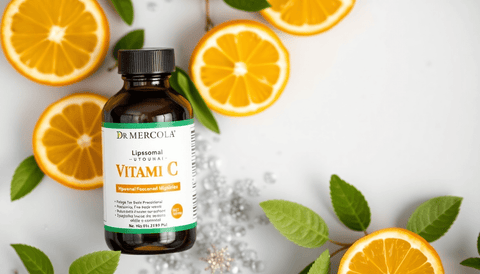
Dr. Mercola Liposomal Vitamin C is a dietary supplement that delivers vitamin C enclosed in tiny phospholipid spheres called liposomes, a form designed to support absorption and digestibility compared with conventional vitamin C capsules or tablets. Vitamin C itself is an essential water-soluble vitamin involved in immune function, collagen formation and antioxidant protection, yet the body cannot produce or store it in large amounts. In this article, you will learn how liposomal delivery works, how it compares with standard vitamin C, what the research does and does not show, and how to evaluate whether a liposomal product makes sense for your diet, lifestyle and budget.
What Is Dr. Mercola Liposomal Vitamin C?
Dr. Mercola Liposomal Vitamin C is a supplement from the Dr. Mercola brand that pairs vitamin C with a liposomal delivery system. Liposomes are microscopic vesicles made from phospholipids, the same class of fats found in cell membranes. When vitamin C is encapsulated within these vesicles, the idea is that the nutrient is better protected as it passes through the digestive tract before reaching the intestines, where absorption takes place.
The Dr. Mercola brand is widely recognized in the natural health space, which is one reason this specific product is frequently searched for and compared. Its liposomal vitamin C is typically sold as a softgel, which distinguishes it from many liquid liposomal products that require refrigeration and have a shorter shelf life.
Understanding Liposomal Delivery Technology
Liposomal delivery is based on a simple principle: nutrients surrounded by a phospholipid bilayer may be shielded from stomach acid and digestive enzymes to a greater extent than free nutrients. Because phospholipids structurally resemble cell membranes, the theory holds that liposomes can merge with or be taken up by cells lining the small intestine, potentially delivering their payload more efficiently.
The quality of liposomes varies considerably between products. Well-formed, small liposomes made from high-quality phospholipids behave differently from larger, unstable vesicles, and manufacturing method plays a significant role in the final structure.
How It Differs From Standard Vitamin C Supplements
Standard vitamin C supplements usually contain ascorbic acid in a plain capsule, tablet or powder. These are inexpensive, well-studied and effective at raising vitamin C status, but higher single doses of plain ascorbic acid are absorbed proportionally less efficiently and can cause digestive upset in sensitive individuals.
Liposomal products differ in that the vitamin C is embedded within a phospholipid layer, and some liposomal formulations use a buffered or non-acidic form of vitamin C. The practical differences show up in absorption behavior, digestive tolerance, price and format rather than in the fundamental nutritional role of the vitamin itself.
Why Vitamin C Matters for Daily Health
The Role of Vitamin C in Immune Function and Collagen Production
Vitamin C contributes to the normal function of the immune system and to normal collagen formation, which supports the health of skin, blood vessels, bones, cartilage, gums and teeth. It also helps protect cells from oxidative stress and increases the absorption of non-heme iron from plant foods. These are well-established, EFSA-authorized functions of the vitamin, which is why adequate daily intake matters.
Vitamin C is also involved in regenerating other antioxidants in the body and supports energy-yielding metabolism. It cannot be stored for long periods, so regular intake through food or supplementation is what keeps tissue levels adequate.
How the Body Absorbs and Uses Vitamin C
Vitamin C is absorbed in the small intestine through specialized transporters. At moderate doses, absorption is highly efficient, often 70–90 percent. As the dose increases, the transporters saturate, so a 1,000 mg dose may be absorbed considerably less efficiently than a 100 mg dose. Absorbed vitamin C is distributed to tissues, with the highest concentrations found in the adrenal glands, eyes, brain and white blood cells.
Excess vitamin C is excreted in urine. This means the body regulates its supply tightly, and there is a practical ceiling to how much benefit higher doses can provide.
Common Reasons People Consider Vitamin C Supplementation
Dietary Gaps and Modern Eating Patterns
Most people can meet their vitamin C needs through fruits and vegetables, but intakes vary widely. Limited consumption of fresh produce, reliance on processed foods, restrictive diets or irregular eating patterns can result in intake well below recommended amounts. In these situations, a supplement can serve as a convenient nutritional backstop rather than a replacement for a balanced diet.
Lifestyle Factors That Increase Vitamin C Needs
Smoking is associated with lower vitamin C status and increases recommended intake. Other factors that may increase requirements or reduce body levels include alcohol consumption, significant physical stress from intense exercise, illness, exposure to environmental pollutants and pregnancy or breastfeeding, which raise physiological needs.
When Blood Levels May Be Suboptimal
Vitamin C status can be assessed with a plasma ascorbic acid blood test. Suboptimal levels may be observed in people with very limited diets, malabsorption conditions, certain chronic illnesses, or heavy smokers. Testing provides more reliable information than guessing from symptoms, and anyone with persistent fatigue, poor wound healing or frequent infections should consult a healthcare professional rather than self-treating.
Why Liposomal Vitamin C Gained Popularity
The Theory Behind Liposomal Absorption
Liposomal formulations became popular because they combine the phospholipid encapsulation concept with high-dose vitamin C. Proponents point out that encapsulation may reduce the dose-related drop in absorption and may limit digestive complaints such as acidity and cramping that some people experience with plain ascorbic acid at higher doses.
What the Research Says About Liposomal Forms
Evidence for liposomal vitamin C is promising but still limited compared with the extensive research on ascorbic acid itself. Some small human studies suggest that liposomal formulations can produce plasma vitamin C levels comparable to or modestly higher than equivalent doses of plain ascorbic acid, and may reduce gastrointestinal side effects. However, study sizes are small, products differ in liposome quality, and the evidence does not yet demonstrate clear clinical advantages for health outcomes. It is reasonable to view liposomal vitamin C as a potentially better-absorbed and better-tolerated delivery form, not as a fundamentally different nutrient with superior health effects.
Food First: Top Dietary Sources of Vitamin C
Fruits and Vegetables With the Highest Vitamin C Content
Rich sources include citrus fruits, kiwi, strawberries, papaya, guava, bell peppers, broccoli, Brussels sprouts, kale and tomatoes. A varied diet that includes several servings of fruits and vegetables daily typically provides more than the recommended intake. Since vitamin C also aids non-heme iron absorption, pairing vitamin C-rich foods with plant-based iron sources such as legumes or spinach is a useful dietary strategy.
How Cooking and Storage Affect Vitamin C Levels
Vitamin C is sensitive to heat, light, oxygen and prolonged storage. Boiling vegetables can leach a substantial portion into the cooking water, while steaming, stir-frying or eating produce raw preserves more. Freshly bought produce stored for long periods also gradually loses vitamin C content, so freshness matters.
Should You Choose Liposomal or Regular Vitamin C?
Comparing Bioavailability and Tolerance
At low to moderate doses, plain ascorbic acid is already well absorbed, and the practical difference with liposomal forms may be modest. Where liposomal products may offer more meaningful value is at higher doses or in people who find plain ascorbic acid harsh on the stomach, since encapsulation may buffer digestive effects and sustain absorption. Evidence comparing forms across many people remains limited, so individual response is a reasonable guide.
Cost, Convenience, and Practical Considerations
Liposomal vitamin C is significantly more expensive per milligram than regular ascorbic acid. Liquid liposomal products often require refrigeration and have shorter shelf lives, while softgel formats like those from Dr. Mercola are shelf-stable and travel-friendly. For someone whose diet already provides adequate vitamin C, a standard supplement or simply more fruit and vegetables may be entirely sufficient.
What to Look for in a Liposomal Vitamin C Product
Phospholipid Quality and Liposome Structure
The source and type of phospholipids affect liposome quality. Products often use sunflower or soy-derived phosphatidylcholine. Well-manufactured liposomes should be small and stable; less reputable products may contain little true liposomal encapsulation despite the label claim.
Vitamin C Concentration per Serving
Check how much actual vitamin C each serving provides, not just the phospholipid content. Some products state a total dose but disclose only part of it as liposomal encapsulated vitamin C, with the rest as plain ascorbic acid. The label should clearly distinguish these amounts.
Added Ingredients, Sweeteners, and Allergens
Liquid liposomal products often contain sweeteners, flavorings or preservatives to improve taste. Check for allergens such as soy if the phospholipids are soy-derived, and review the full ingredient list if you have sensitivities or follow a specific diet such as vegan or non-GMO preferences.
Third-Party Testing and Manufacturing Standards
Look for indicators of manufacturing quality such as GMP certification, cGMP compliance and, where available, third-party testing. Liposomal products are technically demanding to manufacture, so brand transparency about production methods and quality control is a meaningful signal.
How to Read the Supplement Label on Liposomal Vitamin C
Understanding Serving Size and Amount per Serving
The supplement facts panel lists the serving size and the amount of vitamin C per serving. Compare this with your total daily intake from food and other supplements, and remember that more is not automatically better, since absorption efficiency declines as dose rises.
Distinguishing Liposomal from Non-Liposomal Forms on Labels
Some products combine liposomal vitamin C with plain ascorbic acid in the same serving. Look at the ingredients list for terms such as phosphatidylcholine or sunflower lecithin, which indicate the presence of actual phospholipids. A product claiming to be liposomal without listing a phospholipid source is worth questioning.
Recognizing Quality Indicators and Certifications
Useful indicators include GMP-certified manufacturing, non-GMO sourcing, absence of artificial preservatives and clear expiration dating. Certifications and quality claims should be verifiable; reputable brands provide batch information or testing documentation on request.
Who May Benefit Most from Liposomal Vitamin C
Individuals with Digestive Sensitivities
People who experience heartburn, cramping or diarrhea with plain ascorbic acid at moderate to high doses may find liposomal or buffered forms gentler. Digestive tolerance varies considerably between individuals and products.
People with Higher Oxidative Stress or Immune Demands
Those undergoing periods of intense physical training, high occupational stress or demanding schedules sometimes supplement vitamin C for additional nutritional support during these periods. Evidence that supplementation improves outcomes in well-nourished people is limited, but ensuring adequate intake during increased demands is a reasonable goal.
Older Adults and Those with Reduced Absorption
Absorption efficiency can decline with age, and appetite and dietary variety often decrease as well. Older adults, people with gastrointestinal conditions affecting absorption, or those with restricted diets may find a supplement useful in maintaining adequate vitamin C status, ideally guided by a healthcare professional.
Safety, Dosage, and Interactions
Recommended Intake and Upper Limits
General recommended intakes for adults are around 75 mg per day for women and 90 mg per day for men, with higher amounts recommended for smokers, and during pregnancy and lactation. A commonly cited tolerable upper intake level for supplemental vitamin C in adults is 2,000 mg per day from all sources. Amounts above this are associated mainly with digestive side effects rather than toxicity, but higher is not better.
Possible Side Effects and Digestive Tolerance
The most common side effects of high-dose vitamin C are diarrhea, nausea, abdominal cramping and acid irritation. These are dose-dependent and usually resolve when intake is reduced. Liposomal forms may be gentler, but they are not immune to these effects at high doses. Very high chronic intakes have, in rare cases, been associated with kidney stone risk in susceptible individuals.
Medication Interactions and Medical Conditions to Consider
Vitamin C supplements can interact with certain medications and conditions. High doses may reduce the effectiveness of some chemotherapy regimens, and there is a known interaction with statin-type cholesterol medication in some contexts. People with a history of oxalate kidney stones, iron overload conditions such as hemochromatosis, or kidney disease should consult a doctor before high-dose supplementation. If you take prescription medication, discuss vitamin C supplementation with your pharmacist or physician first.
How to Decide If Liposomal Vitamin C Is Right for You
When Whole-Food Sources Are Sufficient
If your diet regularly includes a variety of fresh fruits and vegetables, you are very likely meeting your vitamin C needs already. In that case, additional supplementation offers little measurable benefit, and spending on food quality may deliver more value than a higher-priced supplement.
When Supplementation May Be Worth Considering
Supplementation becomes reasonable when dietary intake is low or inconsistent, when you smoke or are exposed to elevated oxidative stress, when digestive tolerance limits your use of standard vitamin C, or when you simply want a convenient, shelf-stable option. In these situations, a well-made liposomal product such as Dr. Mercola Liposomal Vitamin C from the Dr. Mercola collection may be a sensible choice, or you can explore other options among the vitamin C supplements available.
Questions to Ask Before Making a Purchase
Before buying, ask: How much actual vitamin C per serving does the product provide? Is the phospholipid source disclosed? Does the brand use GMP-certified manufacturing and offer transparency about testing? Is the format practical for your routine, such as a shelf-stable softgel versus a refrigerated liquid? And does the price per milligram make sense compared with your actual needs?
Final Takeaway: Making an Informed Choice About Vitamin C
Vitamin C is essential, well-studied and easily obtained from a balanced diet, and food should always be the starting point. Liposomal vitamin C is a legitimate delivery innovation that may improve absorption behavior and digestive tolerance at higher doses, though the research on clinical advantages is still developing. Whether a product like Dr. Mercola Liposomal Vitamin C suits you depends on your diet, digestive tolerance, lifestyle demands and budget. If your intake is likely adequate, extra supplementation offers little benefit; if not, a well-made supplement can help fill the gap. When in doubt, especially if you have a medical condition or take medication, discuss vitamin C use with a qualified healthcare professional.
Frequently Asked Questions
What is Dr. Mercola Liposomal Vitamin C?
It is a vitamin C supplement from the Dr. Mercola brand in which the vitamin is enclosed in phospholipid liposomes designed to support absorption and digestive tolerance. It is typically sold as a shelf-stable softgel rather than a refrigerated liquid.
What does liposomal mean on a supplement label?
Liposomal means the nutrient is encapsulated in tiny spheres made of phospholipids, resembling cell membranes. The purpose is to protect the nutrient during digestion and potentially improve its uptake in the intestines.
Is liposomal vitamin C better absorbed than regular vitamin C?
Some small studies suggest liposomal forms can produce comparable or slightly higher plasma levels and cause fewer digestive complaints, particularly at higher doses. Evidence is still limited, and at low doses the difference is likely modest.
How much vitamin C do I need per day?
Most adults need around 75 mg per day for women and 90 mg per day for men, with higher recommendations for smokers and during pregnancy or breastfeeding. Supplemental doses above 2,000 mg per day are generally not advised without professional guidance.
Can you take too much vitamin C?
Yes. Excess vitamin C is excreted, but high doses commonly cause diarrhea, nausea and stomach cramping. Long-term very high intakes have been associated with increased kidney stone risk in susceptible people.
When is the best time to take liposomal vitamin C?
It can be taken at any time of day, with or without food depending on the product instructions. Splitting the dose across the day may help maintain steady blood levels, especially at higher intakes.
Does vitamin C really support the immune system?
Vitamin C contributes to the normal function of the immune system, which is an EFSA-authorized health claim. It does not prevent colds in most people, but ensuring adequate intake is important for normal immune function.
Who is at risk of vitamin C deficiency?
People with very limited fruit and vegetable intake, heavy smokers, those with malabsorption conditions, certain chronic illnesses and some older adults are at higher risk. Severe deficiency causes scurvy, while milder insufficiency is more common.
Which foods are highest in vitamin C?
Bell peppers, citrus fruits, kiwi, strawberries, papaya, guava, broccoli, Brussels sprouts and kale are among the richest sources. Fresh, minimally cooked produce retains the most vitamin C.
Can liposomal vitamin C cause digestive problems?
It is generally considered gentler than plain ascorbic acid because the liposome buffers the vitamin, but high doses can still cause diarrhea or stomach upset in some people. Starting with a lower dose helps assess tolerance.
Does vitamin C interact with medications?
High-dose vitamin C can interact with certain medications, including some chemotherapy drugs and, in some contexts, statins. If you take prescription medication or have kidney disease, a history of kidney stones or iron overload, consult a healthcare professional before supplementing.
Is Dr. Mercola Liposomal Vitamin C suitable for vegetarians?
The softgel form typically uses gelatin, which is not vegetarian, so strict vegetarians should check the current label or consider alternative formats. Phospholipids are often sunflower-derived, which avoids soy, but verify the ingredient list on the specific product.
Related Keywords
- dr. mercola liposomal vitamin c
- liposomal vitamin c benefits
- liposomal vitamin c vs regular vitamin c
- liposomal vitamin c absorption
- vitamin c for immune support
- vitamin c collagen production
- vitamin c bioavailability
- best time to take liposomal vitamin c
- vitamin C upper intake limit
- vitamin c deficiency symptoms
- ascorbic acid supplements
- phosphatidylcholine liposomal supplements
- vitamin c dosage per day
- antioxidant supplements