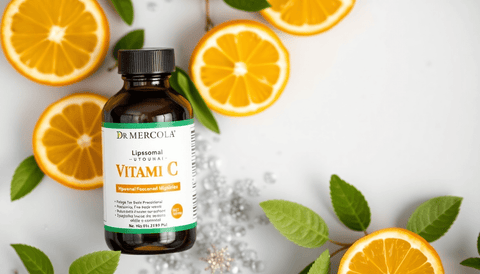
Vitamin C is one of the most widely used supplements in the world, yet a large share of standard oral doses is never fully absorbed by the body. Liposomal vitamin C was developed to address that limitation, and Dr. Mercola's liposomal formulation is one of the most recognized examples. In this guide, we explain what dr. mercola liposomal vitamin c dosage typically looks like in practice, how liposomal delivery changes absorption, how much vitamin C your body actually needs, and how to dose safely without exceeding sensible limits. You will also learn how to interpret the label, compare liposomal products with regular ascorbic acid, and decide whether this form of supplementation makes sense for your situation.
What Is Dr. Mercola Liposomal Vitamin C?
Dr. Mercola Liposomal Vitamin C is a dietary supplement that delivers vitamin C (ascorbic acid) inside microscopic fat-like vesicles called liposomes. These liposomes are made from phospholipids, the same class of molecules that form cell membranes. The idea is that encapsulating the vitamin in a lipid layer protects it as it passes through the digestive tract and may support better uptake compared with unencapsulated forms.
The product is typically supplied as a liquid or semi-liquid formulation, measured in milliliters, and is positioned as a premium alternative to standard tablets and powders. As with any supplement, the stated amount on the label refers to the vitamin C content per serving, not a medically determined dose tailored to you.
How Liposomal Vitamin C Differs from Standard Vitamin C
Standard vitamin C supplements use plain ascorbic acid, either alone or combined with minerals. Ascorbic acid is highly water-soluble and absorbed in the small intestine through specialized transporters that saturate at moderate doses. This means that as the dose increases, the fraction absorbed actually decreases, and the excess is excreted in urine. Liposomal encapsulation is intended to bypass some of this saturation by allowing a portion of the vitamin to be taken up through lipid absorption pathways.
It is worth being precise here: research on liposomal vitamin C suggests it may produce somewhat higher blood levels than equivalent doses of regular ascorbic acid in some studies, but the evidence is mixed and does not show a dramatic, unlimited absorption advantage. Marketing claims sometimes overstate what has been demonstrated.
Why the "Dr. Mercola" Formulation Is Specifically Mentioned
The Dr. Mercola brand is frequently searched because it is well established and its liposomal products have been widely distributed. The formulation uses sunflower-derived phospholipids rather than soy-based ones in many versions, and it is marketed without synthetic additives where possible. However, "liposomal vitamin C" is a category, not a unique technology owned by one company. When comparing products, the quality of encapsulation and label transparency matter more than the brand name itself.
What Is the Recommended Dr. Mercola Liposomal Vitamin C Dosage?
The manufacturer's suggested serving for the liquid liposomal product is generally around one teaspoon (approximately 5 ml) per day, providing roughly 1000 mg of vitamin C, though you should always confirm the exact amount on your specific label, as formulations and serving sizes can change. There is no official medical guideline for liposomal vitamin C specifically; dosing suggestions come from the label and from general vitamin C nutrition science.
Standard Daily Dosage for General Wellness
For everyday nutritional support, one daily serving as indicated on the label is the typical pattern. This comfortably exceeds the Recommended Dietary Allowance (around 90 mg per day for adult men and 75 mg for adult women), so a full serving already provides a large margin above baseline needs. More is not automatically better; vitamin C above what the body retains is simply excreted.
Higher Dosage Strategies for Immune Support
Some people temporarily take two servings per day, split between morning and afternoon, during periods when they feel their needs may be increased. There is some research associating regular vitamin C intake with modestly shorter common cold duration, though this does not mean high doses prevent illness. Any increase above the label recommendation should stay well below the established adult upper intake level of 2000 mg per day from supplements, and it is wise to discuss higher intakes with a healthcare professional, especially if you take medication or have a medical condition.
How Liposomal Delivery Affects the Amount You Actually Absorb
Because liposomal formulations may improve the fraction absorbed, a lower nominal dose can in principle deliver similar retained amounts to a higher dose of plain ascorbic acid. This does not mean the dose should be reduced below label guidance, but it does explain why taking very large amounts of liposomal vitamin C offers diminishing returns. Absorption efficiency declines as total vitamin C load rises, regardless of delivery form.
How Much Vitamin C Does Your Body Really Need?
Recommended Dietary Allowance (RDA) vs. Optimal Intake
The RDA is the daily intake sufficient to prevent deficiency in nearly all healthy individuals. It is not the same as an "optimal" or performance-oriented intake, and no scientific consensus defines such a target. Most adults meet the RDA through a diet containing fruits and vegetables. Vitamin C has a well-absorbed, saturable absorption curve: intakes up to roughly 200–400 mg per day are absorbed efficiently, while absorption of larger single doses becomes progressively less complete.
When Your Vitamin C Needs May Be Higher Than Normal
Established guidance indicates higher requirements for smokers (roughly an additional 35 mg per day) and for women who are pregnant or breastfeeding. Some evidence also points to increased needs in people with chronic illness, after surgery, or under sustained physical stress, though these situations warrant professional guidance rather than self-directed high dosing.
What Are the Signs Your Vitamin C Levels May Be Low?
Common Signs of Suboptimal Vitamin C Status
Low vitamin C status has been associated with fatigue, irritability, slower wound healing, easy bruising, gum irritation, and dry or rough skin. Severe, prolonged deficiency causes scurvy, which is rare in populations with reliable access to fresh produce.
Why Symptoms Alone Do Not Confirm a Deficiency
All of these symptoms are non-specific: fatigue, bruising, and skin problems have many possible causes unrelated to vitamin C. Self-diagnosing from symptoms and then taking high doses is not a reliable strategy. If you suspect a deficiency, a healthcare provider can assess your diet and, where appropriate, order a blood test to measure vitamin C status rather than guessing.
Which Factors Increase Your Need for Vitamin C?
Diet and Lifestyle Factors That Deplete Vitamin C
Vitamin C is fragile: it degrades with prolonged storage, heavy cooking, and long food processing. Diets low in fresh fruits and vegetables, high alcohol intake, and smoking are all associated with lower vitamin C status. Smoking in particular increases metabolic requirements.
Age, Stress, Smoking, and Digestive Health Considerations
Older adults sometimes consume less fresh produce and may have reduced intake. Chronic psychological or physical stress has been associated with lower vitamin C levels in some studies. Digestive conditions that impair nutrient uptake, such as Crohn's disease, celiac disease, or short bowel syndrome, can reduce absorption of many nutrients, including vitamin C.
Medications and Health Conditions That Interfere with Absorption
Certain medications and conditions can affect vitamin C status or how it interacts with the body. Notably, high-dose vitamin C can reduce the effectiveness of some chemotherapy drugs and may influence certain blood tests. People with a history of kidney stones should be cautious with high doses, since vitamin C is metabolized to oxalate. Always review supplements with your doctor or pharmacist if you take prescription medication.
Why Liposomal Vitamin C Is Different from Regular Vitamin C Supplements
What Liposomal Encapsulation Does to Absorption and Bioavailability
Liposomes are lipid bilayer vesicles that shield water-soluble vitamin C from immediate exposure to the digestive environment. A portion of the encapsulated content may be absorbed along lipid pathways or released gradually, which is why some studies report higher plasma levels compared with the same dose of plain ascorbic acid. The extent of this benefit varies considerably between products depending on how well the liposomes are actually formed.
Dr. Mercola Liposomal Vitamin C vs. Standard Ascorbic Acid
Standard ascorbic acid is inexpensive, well studied, and highly effective at restoring vitamin C status when absorbed properly. Liposomal products cost substantially more and offer a possible absorption advantage, which may be most relevant for people who tolerate plain ascorbic acid poorly or have absorption challenges. For most healthy people with adequate diets, plain vitamin C remains entirely adequate.
Liquid Liposomal vs. Capsule or Powder Forms
Liquid liposomal formulations are easy to measure and dose flexibly, but they require refrigeration in some cases and have shorter shelf life once opened. Capsules are more convenient for travel but often contain less vitamin C per serving. Powders are the most economical per milligram but lack liposomal protection. The best choice depends on your priorities: convenience, cost, or absorption characteristics.
How to Take Dr. Mercola Liposomal Vitamin C for Best Results
Best Time of Day to Take Liposomal Vitamin C
There is no strong evidence that one time of day is meaningfully superior for vitamin C absorption. Many people take it in the morning with breakfast, which also makes it easier to remember. If you take two servings daily, morning and early afternoon spacing supports steadier blood levels.
Should You Take It with Food or on an Empty Stomach?
Vitamin C absorption is generally good either way, but taking it with a meal may improve tolerability for some people and does not meaningfully impair uptake. If you notice stomach discomfort, taking it with food is a simple adjustment.
How to Split Your Dosage Throughout the Day
Because absorption saturates, splitting a larger daily amount into two or three smaller servings may modestly improve the total fraction absorbed compared with one large dose. This is a practical strategy rather than a strict requirement, and it matters most when daily intake exceeds roughly 500 mg.
How to Read the Dr. Mercola Liposomal Vitamin C Label Correctly
Understanding Milligrams vs. Actual Absorbed Vitamin C
The label states the total vitamin C per serving (for example, 1000 mg). This is the amount contained in the product, not a guarantee of what your body absorbs. No supplement label states absorbed amounts, and claims of exact bioavailability percentages should be treated skeptically unless supported by published research on that specific product.
Checking Serving Size, Servings Per Container, and Added Ingredients
Note the serving size (often one teaspoon), the number of servings per container, and whether other ingredients are added. Some liposomal products include natural flavors, preservatives, or sweeteners. If you follow a specific diet or have allergies, reviewing the full ingredient list and allergen statement is essential.
What Are the Side Effects and Safety Considerations of Liposomal Vitamin C?
What Happens If You Take Too Much Vitamin C?
Vitamin C is water-soluble, so excess amounts are largely excreted rather than stored. However, very high intakes can still cause problems, and the adult upper intake level is 2000 mg per day from all supplement sources combined.
Common Side Effects: Digestive Upsets and Osmotic Diarrhea
The most common effects of excessive vitamin C are digestive: nausea, stomach cramps, bloating, and osmotic diarrhea. Liposomal forms may be somewhat gentler on the stomach for some individuals, but high doses can still cause these symptoms.
Who Should Avoid High-Dose Liposomal Vitamin C?
People with a history of oxalate kidney stones, hemochromatosis (iron overload), or kidney disease should not take high-dose vitamin C without medical supervision. Those undergoing chemotherapy or taking blood-thinning medication should consult their oncologist or physician first, as vitamin C can interact with some treatments and may affect certain lab results.
How to Titrate Your Dose to Avoid Gastrointestinal Discomfort
A practical approach is to start below the label serving, such as half a teaspoon, and increase gradually over a week or two while monitoring how your digestion responds. If loose stools or cramping appear, reduce the dose back to a level that was comfortable. This "bowel tolerance" approach is widely used and simply reflects that unabsorbed vitamin C draws water into the intestine.
Who Should Consider Dr. Mercola Liposomal Vitamin C?
Individuals with Absorption Issues or Digestive Conditions
People with inflammatory bowel disease, malabsorption syndromes, or recent intestinal surgery may absorb plain vitamin C less efficiently. A liposomal format may offer practical advantages here, though this should be discussed with a gastroenterologist or dietitian.
People with Limited Dietary Vitamin C Intake
If your diet contains few fresh fruits and vegetables, a supplement can help close the gap. That said, improving the diet remains the preferred first step, since whole foods provide fiber, flavonoids, and other nutrients alongside vitamin C.
Athletes, Smokers, and Individuals Under Chronic Stress
Smokers have measurably higher vitamin C requirements. Athletes in heavy training and people under sustained stress have been observed to have lower plasma levels in some research. These groups may reasonably consider supplementation if their dietary intake is uncertain, ideally keeping total supplemental intake within sensible limits.
Dr. Mercola Liposomal Vitamin C vs. Other Vitamin C Supplements
Liposomal Vitamin C vs. Ascorbic Acid Powder
Pure ascorbic acid powder is by far the cheapest per gram and works well for most people. The trade-offs are taste (it is sharply acidic) and potential digestive irritation at higher doses. Liposomal products cost several times more for the same vitamin C content, in exchange for possible improved uptake and better tolerability.
Liposomal Vitamin C vs. Ester-C and Mineral Ascorbates
Ester-C and mineral ascorbates (such as sodium or calcium ascorbate) are buffered, non-acidic forms that many people find gentler on the stomach. They do not involve liposomal encapsulation, and their bioavailability is broadly similar to plain ascorbic acid in available research. The difference is mainly tolerability and marketing rather than dramatically different absorption.
Does the Higher Price of Liposomal Vitamin C Justify the Benefit?
For most healthy people, probably not: standard vitamin C at modest doses is absorbed efficiently and meets nutritional needs. Liposomal products may justify their cost for people with absorption challenges, those who experience digestive upset from plain ascorbic acid, or those who specifically want a liquid format. The decision is individual, and price alone should not drive the choice.
How to Choose a Quality Liposomal Vitamin C Supplement
What to Look for in Liposomal Encapsulation Quality
Genuine liposomes require specialized manufacturing; simply mixing vitamin C with lecithin does not create true encapsulation. Reputable manufacturers use validated processes and sometimes provide particle-size or encapsulation-efficiency data. If a company offers no technical information at all, treat its "liposomal" claims cautiously.
Phospholipid Composition and Ingredient Transparency
Look for clear labeling of the phospholipid source (sunflower lecithin versus soy), the vitamin C amount per serving, and any additional ingredients. Transparent brands explain their formulation and avoid hiding fillers behind proprietary blends.
Third-Party Testing and Purity Certifications
Independent testing for identity, purity, and heavy metals adds meaningful assurance. Certifications from recognized third-party laboratories or quality programs indicate the manufacturer is willing to verify its claims externally rather than relying on internal data alone.
Frequently Asked Questions About Dr. Mercola Liposomal Vitamin C Dosage
Can I Take Dr. Mercola Liposomal Vitamin C Every Day?
Yes, daily use within the label serving is generally well tolerated by healthy adults. Vitamin C is water-soluble and not stored in large amounts, so consistent daily intake is the logical pattern. Stay within the adult upper limit of 2000 mg per day from supplements.
Is 1000 mg of Liposomal Vitamin C Too Much?
A 1000 mg daily serving is below the 2000 mg upper intake level and is used by many people without issues. However, it far exceeds daily nutritional requirements, and the fraction absorbed declines at that dose. Some people prefer smaller, split doses for better absorption efficiency and fewer digestive effects.
How Fast Does Liposomal Vitamin C Absorb Compared to Regular Vitamin C?
Some research suggests liposomal formulations may produce somewhat higher and more sustained plasma levels than the same dose of plain ascorbic acid, partly because uptake occurs through additional pathways. The magnitude of the difference varies by product, and claims of many-fold improvement are not consistently supported by the published evidence.
Can I Take Liposomal Vitamin C with Other Supplements or Medications?
Vitamin C is commonly taken alongside multivitamins without problems, though you should count total vitamin C from all sources to avoid exceeding sensible limits. With prescription medications, interactions are possible, particularly with certain chemotherapy agents and drugs affected by vitamin C's influence on lab values, so consult your doctor or pharmacist first.
Can Children Take Dr. Mercola Liposomal Vitamin C?
Children's vitamin C needs are much lower than adults', and high-dose products are generally not appropriate for them without pediatric guidance. If supplementation is needed for a child, a healthcare provider can recommend an age-appropriate product and dose.
Is Liposomal Vitamin C Safe During Pregnancy or Breastfeeding?
Vitamin C needs increase modestly during pregnancy and breastfeeding, and normal label servings are generally within safe ranges. However, any supplement decision during pregnancy or lactation should be confirmed with your midwife or obstetrician, especially regarding higher doses.
Does Liposomal Vitamin C Need to Be Refrigerated?
Many liquid liposomal products recommend refrigeration after opening to preserve freshness and phospholipid stability, though exact guidance varies. Check your specific label and use the product within the recommended period after opening.
How Long Does It Take to Notice Any Effect?
Vitamin C levels in the blood rise within hours of a dose. However, correcting a genuinely low vitamin C status may take days to weeks before associated symptoms such as fatigue improve. If you notice no benefit, reassessing your overall diet is worthwhile before increasing the dose.
Can You Take Too Much Liposomal Vitamin C?
Yes. Intakes above the 2000 mg per day adult upper limit increase the risk of digestive distress and, with prolonged excessive use, may raise oxalate levels relevant to kidney stone risk. Liposomal delivery does not eliminate these dose-related concerns.
Does Vitamin C Help Prevent Colds?
The overall evidence indicates regular vitamin C supplementation does not prevent colds in the general population but has been associated with a modest reduction in cold duration in some studies. Results in people under extreme physical stress, such as marathon runners, appear somewhat more favorable, though the effect remains small.
Is Liquid Liposomal Vitamin C Better Than Capsules?
Liquid liposomal products allow flexible dosing and may preserve encapsulation well, while capsules are more convenient and stable for travel. Whether one is "better" depends on the specific product's encapsulation quality and your personal preferences rather than the delivery format alone.
Can I Take Liposomal Vitamin C with an Iron Supplement?
Vitamin C enhances the absorption of non-heme (plant-based) iron, which is sometimes used intentionally in iron-deficiency situations. If you take prescription iron or have a condition like hemochromatosis, discuss the combination with your doctor first, as enhanced iron absorption is not desirable for everyone.
Bottom Line: What Dosage Should You Take for Optimal Absorption?
Practical Dosage Recommendations by Goal and Health Status
For general wellness, one label serving of Dr. Mercola Liposomal Vitamin C per day, typically providing around 1000 mg, is the standard pattern, and it comfortably exceeds nutritional requirements. If you want to maximize the fraction actually absorbed, splitting the dose into two smaller servings is a reasonable strategy. People with increased needs, such as smokers or those with limited dietary intake, may consider consistent daily supplementation within the upper limit of 2000 mg from all supplements combined.
Start with a smaller amount and increase gradually if your digestion tolerates it well. If you experience cramping or loose stools, reduce the dose. Remember that a diet rich in citrus fruits, berries, peppers, kiwi, and leafy greens remains the foundation, and vitamin C nutrition and supplementation works best as a complement to good dietary habits, not a substitute for them.
When to Consult a Healthcare Professional Before Supplementing
Seek professional advice before high-dose vitamin C supplementation if you have kidney disease or a history of kidney stones, iron overload, are undergoing cancer treatment, take prescription medications with known interactions, or are pregnant or breastfeeding. If you suspect a deficiency, symptoms alone are not a reliable guide; a blood test and dietary assessment provide far more reliable information than self-directed dosing.
Key Takeaways
- Dr. Mercola Liposomal Vitamin C typically provides around 1000 mg per label serving, though you should verify the amount on your specific product label.
- Liposomal encapsulation may modestly improve absorption compared with plain ascorbic acid, but the evidence shows no dramatic or unlimited advantage.
- The adult RDA for vitamin C is only 75–90 mg per day, so a full liposomal serving already provides far above baseline nutritional needs.
- Absorption efficiency declines as dose increases, so splitting larger daily amounts into two servings may improve the total fraction absorbed.
- Smokers, people with digestive conditions, and individuals with low fruit and vegetable intake may have higher vitamin C requirements.
- The adult upper intake level from supplements is 2000 mg per day; exceeding it increases the risk of digestive upset and, with prolonged use, kidney stone-related concerns.
- Titrate your dose gradually and take it with food if you experience stomach discomfort.
- Symptoms alone cannot confirm a vitamin C deficiency; blood testing and professional assessment are more reliable.
- Genuine liposomal quality varies between brands, so look for phospholipid transparency, third-party testing, and clear labeling.
- For most healthy people, standard vitamin C at a lower cost is adequate; liposomal forms mainly benefit those with absorption challenges or tolerance issues.
Frequently Asked Questions
What is the best time of day to take liposomal vitamin C?
There is no evidence that a specific time of day meaningfully improves absorption. Morning with breakfast is a practical choice that supports consistency and may improve tolerability for sensitive stomachs.
How much vitamin C do I actually need per day?
Most healthy adults need 75–90 mg per day from food and supplements combined to meet the RDA, with higher needs for smokers and during pregnancy or breastfeeding. Supplement servings well above this amount are common but not nutritionally necessary for everyone.
Can liposomal vitamin C cause diarrhea?
Yes, particularly at higher doses. Unabsorbed vitamin C draws water into the intestine, causing osmotic diarrhea, cramping, or bloating. Reducing the dose usually resolves these effects quickly.
Is it better to take liposomal vitamin C with food or on an empty stomach?
Both are acceptable, and absorption is generally good either way. Taking it with a meal is a simple way to reduce stomach irritation if you are sensitive.
Does liposomal vitamin C really absorb better?
Some peer-reviewed studies report higher blood levels of vitamin C from liposomal forms compared with the same dose of plain ascorbic acid, but the evidence is mixed and product-dependent. Realistic expectations are a modest improvement, not a transformative one.
Can I combine Dr. Mercola Liposomal Vitamin C with a multivitamin?
Yes, but check the vitamin C content of both products and add them together to make sure your total supplemental intake stays within sensible limits, ideally below 2000 mg per day.
How long does an opened bottle of liquid liposomal vitamin C last?
This varies by product; many liquid liposomal formulations recommend refrigeration after opening and use within several weeks. Follow the storage instructions and expiration date on your specific label.
Who should not take high-dose vitamin C?
People with a history of oxalate kidney stones, kidney disease, or hemochromatosis, and those on certain chemotherapy regimens or blood-thinning medications, should avoid high-dose supplementation unless directed otherwise by their physician.
Related Keywords
- dr. mercola liposomal vitamin c dosage
- liposomal vitamin C daily dose
- how much liposomal vitamin C per day
- liposomal vitamin C absorption vs ascorbic acid
- best time to take liposomal vitamin C
- liposomal vitamin C 1000 mg serving
- vitamin C upper intake level 2000 mg
- liposomal vitamin C side effects diarrhea
- liposomal vitamin C vs regular vitamin C
- liposomal vitamin C bioavailability
- splitting vitamin C doses throughout the day
- vitamin C bowel tolerance titration
- liposomal vitamin C for immune support
- how to read a vitamin C supplement label