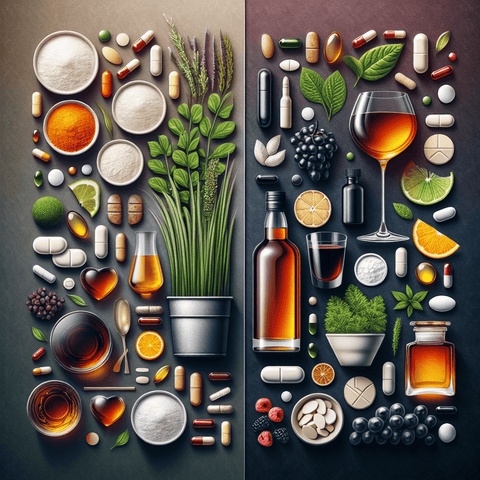
How safe is it to drink alcohol while taking supplements? This is a common question for anyone trying to balance a busy social life with a commitment to their health. This guide provides a broad overview of drinking while taking supplements, exploring what happens in the body, the potential risks and interactions to be aware of, and how to approach supplementation with greater confidence. We'll cover the key nutrients affected by alcohol, the importance of individual variability, and how to make informed choices about your wellness routine.
What Does Drinking While Taking Supplements Mean?
Drinking while taking supplements refers to the practice of consuming alcoholic beverages alongside dietary supplements. This can range from occasional social drinking to more regular alcohol consumption. The types of supplements people commonly combine with alcohol include:
- Multivitamins and single-nutrient pills
- Fat-soluble vitamins (A, D, E, K)
- Minerals like magnesium and zinc
- Herbal blends and omega-3 fatty acids
Understanding how alcohol affects nutrient absorption and metabolism is crucial for anyone considering supplement use alongside alcohol consumption.
How Alcohol Affects Nutrients and Supplements
Alcohol impacts the absorption, metabolism, storage, and excretion of key nutrients in the body. For example, heavy alcohol use can deplete essential vitamins like thiamine (Vitamin B1), leading to deficiencies over time. Furthermore, alcohol can disrupt the gut lining, which is essential for the proper absorption of many supplements.
Potential Interactions to Be Aware Of
Not all interactions between alcohol and supplements are dangerous, but it's important to recognize common areas of concern:
- Heavy alcohol consumption can interfere with the absorption of certain minerals.
- The absorption of fat-soluble vitamins can be affected by the timing of alcohol ingestion.
- Medications taken with supplements may pose additional risks when combined with alcohol.
Why This Topic Matters for Your Health
With rising rates of alcohol consumption and an increasing number of people self-supplementing, understanding the potential risks is essential. Many people mistakenly assume that taking supplements can negate the health risks associated with alcohol use. This misconception can lead to unhealthy choices and overlook the genuine interactions that can occur.
The Consequence of Misinformation
Common myths, such as the belief that a daily vitamin will offset a night of drinking, lack scientific backing and can lead to misleading health decisions. Evidence-based guidance is crucial for making informed decisions about supplementing while consuming alcohol.
Recognizing Symptoms and Health Implications
The combination of alcohol and supplements can lead to various gastrointestinal issues, including nausea, diarrhea, and acid reflux. Symptoms may also include headache, dizziness, fatigue, and sleep disturbances. Nutrient-specific signs, such as those linked to thiamine deficiency, may become pronounced, especially in chronic drinkers.
Signs of Nutrient Imbalances
Pay attention to symptoms like unexplained fatigue despite regular supplementation, persistent numbness or tingling, and pale skin or impaired wound healing. Changes in mood or cognitive function may also suggest nutrient status that has been compromised by alcohol consumption.
Short-Term and Long-Term Risks
Short-term risks of consuming alcohol while taking supplements can include acute interactions and gastrointestinal distress. Long-term exposure could lead to chronic nutrient deficiencies and stress on the liver and nervous system, especially among those with established drinking patterns.
Individual Variability and Risk Factors
Individual variability in enzyme activity related to alcohol metabolism (such as ADH and ALDH) can affect how a person's body reacts to alcohol and supplements. Other factors, including sex, age, and liver health, further influence these dynamics, affecting one's risk when mixing supplements with alcohol.
Health Status and Concurrent Medications
Interactions with prescription medications and over-the-counter drugs can complicate the relationship between alcohol and supplements. Individuals with chronic conditions—including any form of liver disease, diabetes, or hypertension—face altered risk profiles that must be carefully navigated.
Lifestyle and Dietary Context
Individual dietary habits play a significant role in nutrient absorption, particularly when alcohol is involved. Factors such as meal timing, hydration status, and overall diet quality significantly impact how effectively your body can utilize vitamins and minerals consumed alongside alcohol.
Why Symptoms Alone Don't Reveal the Root Cause
The experience of fatigue, nausea, or headaches can stem from various sources, including alcohol consumption, dehydration, sleep issues, or nutrient imbalances. Relying solely on symptoms for self-diagnosis can be misleading without a comprehensive health assessment. Symptoms do not provide a reliable diagnostic tool for understanding nutrient adequacy or the safe combination of alcohol and supplements.
The Role of Nutritional Supplements
Certain vitamins, like thiamine and B-complex vitamins, as well as minerals such as magnesium and zinc, are particularly affected by alcohol consumption. Supplementing these nutrients may support baseline health or aid recovery under the guidance of a healthcare professional. However, supplementation may not rectify alcohol-related harm and can sometimes mask underlying problems that need medical evaluation.
Practical, Nutrient-Focused Guidance
For those at higher risk, monitoring thiamine (B1) status is crucial to prevent deficiency. Other nutrients, including B-complex vitamins, magnesium, zinc, and folate, can also benefit individuals who consume alcohol regularly and should be taken under professional guidance. Omega-3s and liver-supportive nutrients may provide supportive roles but are not corrective for alcohol-related damage. Vitamin D and other supplements should be considered only upon observation of deficiencies or through clinician recommendations.
Practical Usage Tips for Safety
To enhance safety and efficacy, consider the following:
- Timing your supplements with meals may improve absorption.
- Spacing out alcohol and supplement intake, if advised.
- Choosing high-quality products that undergo third-party testing can help avoid contaminants.
- Avoid megadosing or combination products that may amplify interactions.
Making Informed Decisions About Supplements
A Quick Decision Checklist
- Do you have known nutrient gaps or a high risk of deficiency?
- Are you experiencing symptoms that could indicate a deficiency or interaction?
- Are you under medical care or taking medications that interact with alcohol or nutrients?
- Are you considering supplements to support health during drinking periods rather than to treat deficiencies?
Situations where supplementation might be beneficial include short-term support during periods of alcohol reduction, managing ongoing deficiency risk from chronic alcohol exposure, or planning for pregnancy, where nutrient status such as folate is crucial. These should always be done with input from healthcare providers.
When to Pause or Seek Professional Advice
It’s essential to pause supplement intake or consult a healthcare professional if you experience severe symptoms, indicators of nutrient deficiency, or any adverse effects following supplement use. This is particularly important for those with liver disease, taking interacting medications, or in pregnancy or breastfeeding situations.
Exploring Supplements and Next Steps
Drinking while taking supplements involves nuanced risks that require individual attention and care. Uncertainty is inherent in how each person's body will respond to these combinations, making it essential to seek personalized guidance rather than relying on general recommendations. Topvitamine is committed to providing vetted, high-quality nutritional supplements that align with evidence-based guidance.
You can explore our educational content and vetted product options for making informed choices about supplements in the context of alcohol use. For example, you can learn more about multivitamins, magnesium and minerals, and B-complex vitamins to understand your options better.
For individualized advice, consult healthcare professionals who understand your unique health context. They can provide guidance tailored to your specific needs, especially when alcohol is a regular part of your lifestyle.
Key Takeaways
- Understand the potential interactions between supplements and alcohol.
- Acknowledge individual variability in alcohol metabolism and nutrient absorption.
- Recognize that symptoms alone do not reveal root causes of deficiencies or interactions.
- Utilize supplements judiciously with professional guidance if engaging in alcohol consumption.
- Monitor for signs of nutrient imbalances or adverse effects when combining alcohol and supplements.