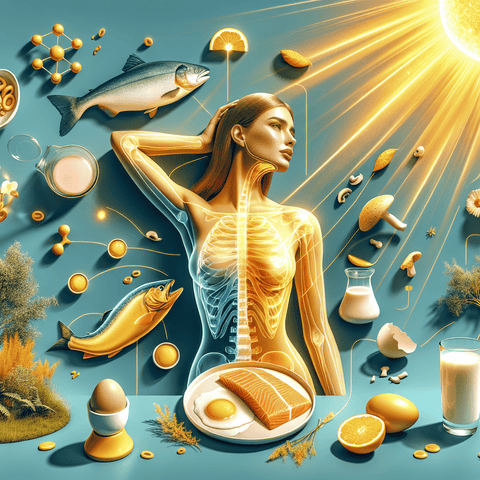
Egg Vitamin D Levels: How Much Vitamin D Do Eggs Contain?


Summary of Egg Vitamin D Levels and Their Importance

The egg vitamin D levels are an essential dietary consideration, particularly for individuals with limited sun exposure. A large egg typically contains about 37-50 IU of vitamin D, primarily concentrated in the yolk. While this can contribute to daily vitamin D intake, it often falls short of the recommended 600-800 IU for adults. Factors influencing egg vitamin D levels include hen diet, their exposure to sunlight, and farming practices. Vitamin D found in eggs is predominantly in the D3 form, which is more effective in raising blood levels compared to D2.

Cooking methods have minimal effects on vitamin D content, but storage time can impact nutritional value, highlighting the importance of freshness. Given that eggs alone may not meet vitamin D needs, particularly for at-risk groups, supplementation can be beneficial. Understanding the role of vitamin D is vital, as it supports bone health, immune function, and mood stabilization. Symptoms of deficiency can overlap with other conditions, making testing through a 25(OH)D blood test advisable for accurate evaluation.

For those looking to boost their vitamin D intake, exploring various dietary sources and supplements is essential. For further insights on vitamin D and effective supplementation, check out our guides on vitamin D benefits and multivitamins.


Is 2 eggs a day enough vitamin D? - Topvitamine
Oct 15, 2025
Discover whether eating two eggs a day provides enough vitamin D for your health. Learn how to optimize your vitamin D intake and support your well-being with our expert insights.

Introduction: egg vitamin d levels and why they matter

The vitamin D content in eggs, commonly referred to as "egg vitamin D levels," has garnered attention as a potential dietary source of this crucial nutrient. Understanding how much vitamin D is in eggs is essential, as it contributes to daily intake, particularly for individuals who may struggle to obtain adequate sunlight—our natural source of vitamin D. In this article, we will explore the vitamin D levels in eggs, how they can influence overall health, and when nutritional supplements might be necessary. Our aim is to provide you with a comprehensive understanding of vitamin D variability, its health implications, and when to consider supplementation, with Topvitamine as your trusted source for vitamin D products.

Core explanation: how much vitamin D do eggs contain and why

Vitamin D in egg yolks: the baseline content you can expect

A large egg typically contains about 37-50 IU of vitamin D, with most of it found in the yolk. This amount can contribute to your daily needs, but it often falls short of the recommended levels, especially for adults, which is around 600 to 800 IU per day. Notably, the vitamin D found in eggs is predominantly vitamin D3 (cholecalciferol), which is more effective at raising and maintaining vitamin D levels in the blood compared to vitamin D2 (ergocalciferol).

What factors influence egg vitamin d levels

Several factors can affect the vitamin D content in eggs:

  • Hen diet: The diet of hens significantly influences yolk vitamin D levels. Hens that consume vitamin D-rich foods, such as fish meal or vitamin D-fortified feed, produce eggs with higher vitamin D content.
  • Sun exposure: Hens that are allowed to roam outdoors, particularly in sunny environments, can synthesize more vitamin D, leading to increased levels in their eggs.
  • Farming practices: The breed of hen, egg size, and whether the hens are kept cage-free or in conventional environments can also result in variability in egg vitamin D levels.

How cooking, storage, and handling affect egg vitamin D

Vitamin D is relatively stable during cooking, although high temperatures can lead to slight losses. Common cooking methods such as boiling or scrambling have a minimal impact on the vitamin D content. However, the storage time and environment can affect the nutritional value of eggs, with refrigerated eggs losing some vitamin D over time, especially beyond their expiration dates.

Egg vitamin D versus other dietary sources

When comparing eggs to other sources of vitamin D, fortified foods like milk and cereals generally contain higher amounts per serving. For example, fortified milk can offer about 100 IU of vitamin D per cup. Additionally, vitamin D supplements provide a reliable source for those unable to procure enough vitamin D through diet and sunlight, often delivering anywhere from 400 to 2000 IU per serving depending on the formulation.

Practical takeaway: typical IU per egg and how many eggs you’d need

In summary, a typical egg contains roughly 37-50 IU of vitamin D, reminding us that while eggs are a convenient dietary source, relying solely on them may not meet the daily vitamin D requirements for most adults. To achieve sufficient levels through eggs alone, one would likely need to consume multiple eggs daily, which may not align with all dietary preferences.

Why this topic matters: vitamin D’s health relevance and the feeding context

Core health roles of vitamin D

Vitamin D plays a vital role in several bodily functions, including maintaining bone and muscle health, supporting the immune system, and influencing mood and energy levels. Moreover, adequate vitamin D levels may reduce the risk of certain chronic diseases, such as cardiovascular disease and some cancers.

Vitamin D deficiency: scope and at-risk groups

Vitamin D deficiency is prevalent across various populations, particularly among individuals with limited sun exposure, those with darker skin, people living at higher latitudes, older adults, and individuals with dietary restrictions. Recognizing the risk factors can help guide dietary choices and the use of supplements.

Eggs as a convenient, partial dietary source

Eggs serve as a readily available source of vitamin D, but it is essential to view them as part of a broader nutritionally balanced diet. Relying on eggs alone to meet vitamin D needs may not be adequate for everyone, particularly those who need higher intakes.

Related symptoms, signals, or health implications

Common signs that could hint at low vitamin D

Signs of potential vitamin D deficiency can include fatigue, muscle weakness, bone discomfort, mood changes, and a heightened frequency of infections. However, these symptoms can also stem from various other health issues.

When to consider testing and deeper evaluation

Since symptoms alone are not definitive indicators of vitamin D status, it is advisable to undergo a blood test measuring 25-hydroxyvitamin D (25(OH)D) levels for a reliable assessment.

Distinguishing vitamin D deficiency from other conditions

Fatigue or bone joint discomfort can overlap with several conditions, including thyroid disorders, anemia, depression, sleep disorders, and chronic fatigue. Evaluating vitamin D levels can help differentiate these issues effectively.

Individual variability and uncertainty

Biological and genetic differences

Each individual's vitamin D needs can vary based on factors such as genetics, body weight, age, and metabolism. These biological differences can lead to disparities in how efficiently vitamin D is utilized and stored.

Lifestyle and geographic variability

Differences in sun exposure, climate, season, and outdoor activity play a critical role in determining an individual's vitamin D status. Those living in higher latitudes or areas with limited sun exposure, particularly in winter, may experience challenges in maintaining adequate levels.

Variability in egg vitamin D content across producers

The vitamin D content of eggs can vary significantly from one producer to another, influenced by factors such as feeding practices, hen breeds, and seasonal changes. This variability can affect how much vitamin D individuals derive from egg consumption.

A note on measurement uncertainty

Individual eggs can vary in their vitamin D content, meaning even consuming eggs regularly does not guarantee a consistent intake of vitamin D. This uncertainty can lead to challenges in accurately capturing one’s true intake through diet alone.

Why symptoms alone do not reveal root cause

Symptom overlap with other health issues

Recognizing that symptoms such as fatigue or discomfort can arise from various conditions—beyond just vitamin D deficiency—is critically important for appropriate diagnosis and treatment.

The need for objective assessment

Utilizing a blood test (25(OH)D) is a more reliable method to assess vitamin D levels than relying solely on symptoms or dietary assumptions, enabling a clearer path to appropriate interventions.

The risk of self-diagnosis and iterative guessing

Relying on a trial-and-error approach to supplementation without proper testing can result in cycles of unnecessary supplementation and confusion regarding individual needs, emphasizing the value of comprehensive testing.

The role of nutritional supplements in this topic

When supplements become relevant

When dietary intake is insufficient, sun exposure is minimal, or there are circumstances that hinder normal absorption, vitamin D supplementation becomes essential for restoring adequate levels, particularly for at-risk groups.

How supplements can support egg-based intake

Supplements can help individuals reach their target vitamin D levels, particularly when dietary sources, including eggs, are not sufficient alone. Combining dietary and supplemental sources is often the most effective approach for maintaining appropriate vitamin D levels.

Choosing the right supplement: form and dose considerations

When selecting vitamin D supplements, choosing between Vitamin D3 and D2 is critical, as D3 is generally more effective in raising blood levels. Daily versus weekly dosing should be guided by individual needs, with consideration of product quality as well.

Safety, monitoring, and realistic expectations

It is essential to adhere to recommended upper intake levels to avoid potential toxicity while monitoring for interactions with other medications or health conditions. Regular testing is advisable to ensure optimal dosing and effectiveness.

How nutritional supplements could support: practical scenarios

Scenarios with limited sun or dietary intake

Individuals residing in northern latitudes, experiencing long winter months, or those with limited outdoor activity should consider supplementation to maintain adequate vitamin D levels, particularly if their dietary intake is also low.

Special populations and needs

Older adults, pregnant or breastfeeding individuals, or those with malabsorption issues may require specific dietary strategies and supplementation strategies to meet their unique vitamin D needs effectively.

Integrating supplementation with dietary sources

Effectively coordinating egg consumption with a supplementation plan can help individuals safely achieve their target vitamin D levels, especially when their dietary sources are inadequate.

Decision-support section: when nutritional supplements make sense (step-by-step flow)

Step 1 – assess sunlight, diet, and current egg intake

Conduct a quick self-check on daily sun exposure, typical egg consumption, and the presence of fortified foods in your diet to gauge initial vitamin D intake.

Step 2 – identify risk factors and decide on testing

Recognize who should undergo 25(OH)D testing, particularly individuals at risk for deficiency or those changing their dietary intake significantly. Testing frequency can vary based on adjustments made.

Step 3 – interpret results and set a plan

Understanding whether results indicate deficiency or insufficiency will guide your supplementation strategy moving forward, allowing for more targeted interventions.

Step 4 – select a dosage form and regimen

Based on your assessment and individual needs, choosing an appropriate dose—typically between 600 – 2000 IU daily for most adults—is crucial for effectively raising vitamin D levels.

Step 5 – monitor response and re-test

After beginning supplementation, re-check your vitamin D levels according to your healthcare provider’s guidance to ensure your strategy is effective and making a noticeable difference.

Step 6 – when to consult healthcare providers

Consulting healthcare providers is essential if you experience any red flags or complex medical conditions persist, or if symptoms continue despite dietary modifications and supplementation efforts.

Practical guidance for integrating eggs and supplements

Rough daily targets and the role of eggs

Understanding that eggs can contribute to your vitamin D intake is important, but dietary limits still apply. Keeping an eye on overall intake is necessary to facilitate higher levels of this vitamin.

How to choose a product on Topvitamine

When selecting vitamin D supplements on Topvitamine, prioritize factors such as the form (D3 vs. D2), dosage per unit, and third-party testing confirmations to ensure quality and effectiveness.

Timing and dosing strategies

Consider daily versus weekly dosing schedules based on individual needs, spacing doses around meals may enhance absorption and efficacy.

Common pitfalls and quality cues

It is essential to avoid overconsumption of vitamin D and be diligent in reading labels carefully to recognize any red flags in product claims that could mislead consumers.

Conclusion: connecting the topic to buying nutritional supplements on Topvitamine

Recap of the main insights

Eggs provide a source of vitamin D; however, for many people, supplementation is often necessary to achieve adequate levels. Understanding the balance between dietary sources and supplements is key to maintaining optimal health.

Why Topvitamine is a relevant resource

Topvitamine offers a curated selection of vitamin D supplements and reliable product information, making it an excellent resource for anyone looking to improve their vitamin D status.

How to proceed on Topvitamine

Navigate Topvitamine by using product filters, reading labels carefully, and selecting a suitable vitamin D supplement that aligns with your health goals.

Final caveat and invitation

To ensure accuracy in your vitamin D management, consider testing and seeking professional guidance. Explore the educational resources and products available on Topvitamine to support your nutritional needs.

  • Eggs contain approximately 37-50 IU of vitamin D each, primarily in the yolk.
  • Hen diet, exposure to sunlight, and farming practices can influence vitamin D levels in eggs.
  • Vitamin D is crucial for bone health, immune function, and mood stabilization.
  • Common deficiency risks include limited sun exposure and dietary restrictions.
  • Testing (25(OH)D) is necessary for accurate evaluation of vitamin D status.
  • Supplements may be essential when dietary sources alone do not suffice.
  • Individual variability in metabolism and lifestyle significantly affects vitamin D needs.
  • Eggs should complement a balanced diet, ideally integrating with other vitamin D sources.
  • Seek quality, well-reviewed supplements, particularly those verified by third parties.
  • Monitor your vitamin D levels regularly, especially if making significant lifestyle or dietary changes.

Q&A Section

1. How much vitamin D is in a large egg?

A large egg typically has about 37-50 IU of vitamin D, concentrated primarily in the yolk.

2. Can the vitamin D content in eggs vary?

Yes, the vitamin D content in eggs can vary based on the hen's diet, exposure to sunlight, and farming practices.

3. Is vitamin D in eggs D3 or D2?

The vitamin D present in eggs is mostly vitamin D3 (cholecalciferol), which is more effective for increasing blood levels than vitamin D2.

4. How can I boost my vitamin D intake if I don’t eat eggs?

Consider including other dietary sources, such as fatty fish, fortified foods, and vitamin D supplements, especially if dietary restrictions exist.

5. What are some signs of vitamin D deficiency?

Common signs can include fatigue, bone discomfort, muscle weakness, mood changes, and increased illness frequency.

6. How can I test my vitamin D levels?

The most reliable way to test vitamin D levels is through a blood test measuring 25(OH)D concentrations.

7. Who is at risk for vitamin D deficiency?

Those at higher risk include individuals with limited sun exposure, older adults, and those with darker skin tones or dietary restrictions.

8. How much vitamin D should I take daily?

The general recommendation for adults is around 600-800 IU per day, but some may need more based on individual circumstances.

9. Can I get enough vitamin D just from supplements?

While supplements can help reach adequate levels, combining them with dietary sources and sunlight exposure is often the most effective approach.

10. Are there risks associated with vitamin D supplements?

Yes, excessive vitamin D intake can lead to toxicity. It is essential to stick to recommended dosages and consult healthcare providers when necessary.

11. What is the difference between vitamin D3 and D2?

Vitamin D3 (cholecalciferol) is generally considered more effective than D2 (ergocalciferol) for raising and maintaining blood levels of vitamin D.

12. How do I choose a good vitamin D supplement?

Look for products that contain vitamin D3, check for third-party testing, and choose a dosage that matches your needs.

Keywords

egg vitamin D levels, vitamin D content in eggs, nutritional supplements, egg yolk vitamin D, vitamin D sources, vitamin D deficiency, health implications of vitamin D, dietary vitamin D intake, vitamin D testing, vitamin D supplementation, boosting vitamin D intake, eggs and vitamin D