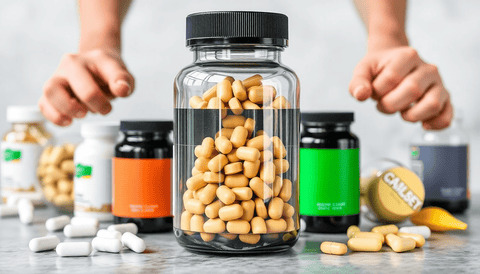
What Are Energy-Boosting Supplements?
Energy-boosting supplements are products designed to support the body’s natural mechanisms for producing and regulating energy. Unlike stimulants that simply provide a temporary jolt, most scientifically grounded supplements work at the cellular level. They provide nutrients that play essential roles in converting food into adenosine triphosphate (ATP), the molecule your cells use for fuel. Others support oxygen transport, mitochondrial function, or help the body adapt to stress that drains energy reserves.
Understanding this distinction matters. A supplement that supports cellular energy production is fundamentally different from one that stimulates the nervous system. The former aims to address underlying nutritional gaps; the latter provides temporary stimulation that may lead to a crash.
Key Nutrients vs. Stimulants
Stimulants like caffeine and guarana are often grouped with energy products because they temporarily increase alertness and reduce perceived fatigue. However, they do not provide fuel or correct nutrient deficiencies. True energy-supporting nutrients include B-complex vitamins, iron, magnesium, coenzyme Q10 (CoQ10), and certain amino acids like creatine. These compounds are involved in different stages of energy metabolism, from breaking down macronutrients to generating ATP within mitochondria.
The most effective approach often combines a nourishing diet with targeted supplementation only when gaps exist. Understanding what each nutrient actually does helps you choose products that address your specific situation rather than relying on stimulants for a temporary fix.
Why Energy Levels Matter for Daily Health
Energy is not just about feeling awake. Every physiological process, from muscle contraction to neurotransmitter synthesis, depends on adequate cellular energy. When your cells produce ATP efficiently, you experience steadier physical stamina, clearer thinking, and more stable mood. Conversely, when energy production slows down, even routine tasks can feel exhausting.
Mitochondria are the powerhouses of your cells, and their efficiency directly influences how energetic you feel. Nutrients like CoQ10 and B vitamins are critical for mitochondrial function. Supporting mitochondrial health may contribute to sustained vitality, particularly as you age or during periods of increased physical or mental demand. Food provides the raw materials your body needs to generate energy. Carbohydrates supply glucose, fats provide fatty acids, and proteins contribute amino acids that can be used for fuel.
However, converting these nutrients into usable energy requires a steady supply of vitamins and minerals. Without adequate B vitamins, iron, or magnesium, your body struggles to complete the metabolic pathways that turn food into ATP. This explains why dietary patterns influence energy so profoundly. A balanced diet rich in whole grains, lean proteins, healthy fats, and vegetables supports consistent energy release.
Common Causes of Low Energy
Fatigue can stem from many sources, including stress, poor sleep quality, low physical activity, or nutritional shortfalls. It is important not to assume that a supplement alone will resolve persistent fatigue, particularly if an underlying medical condition is involved.
Dietary Gaps and Lifestyle Factors
Diets high in ultra-processed foods, refined sugars, and unhealthy fats often provide empty calories but little nutritional value. These eating patterns can leave you deficient in key vitamins and minerals needed for energy production. Skipping meals, following overly restrictive diets, or consistently choosing convenience foods over nutrient-dense options can compromise your energy over time.
Sleep and stress are two of the largest contributors to daily energy levels. Poor sleep impairs cognitive function and reduces physical stamina. Chronic stress elevates cortisol, which can disrupt sleep and drain mental energy. Physical inactivity also contributes to fatigue. These factors interact with nutrition; for instance, stress depletes magnesium and B vitamins, which are already essential for energy metabolism.
Nutrient Shortfalls That Mimic Low Energy
Certain nutrient deficiencies produce fatigue that closely resembles general tiredness. Low iron levels reduce oxygen transport to tissues, making physical and mental tasks feel harder. Inadequate vitamin B12 or folate can impair red blood cell production and neurological function. Magnesium deficiency may contribute to muscle weakness and poor sleep quality.
Because these deficiencies can be subtle, symptoms alone are not enough to confirm a diagnosis. If you suspect a deficiency, a blood test through a healthcare provider is the most reliable way to identify it. Consult a professional for persistent unexplained tiredness rather than relying on over-the-counter products.
Key Supplements for Supporting Energy
Several vitamins, minerals, and other compounds play well-documented roles in energy metabolism. The most suitable choice depends on your individual diet, health status, and potential deficiencies.
B-Complex Vitamins
The B vitamins—including B1, B2, B3, B5, B6, B7, B9, and B12—are directly involved in converting carbohydrates, fats, and proteins into ATP. They act as coenzymes in multiple metabolic pathways, meaning your body cannot generate energy efficiently without them. B12 and folate are particularly important for red blood cell formation and neurological function. These vitamins are water-soluble, so the body does not store them in large amounts. Regular intake through diet or supplementation is necessary to maintain adequate levels. Learn more about the role of B vitamins in energy metabolism.
Iron
Iron is a core component of hemoglobin, the protein in red blood cells that transports oxygen to tissues. Without sufficient iron, your muscles and brain receive less oxygen, making physical and mental tasks feel more effortful. Iron also participates in electron transport within mitochondria, contributing directly to ATP production. Iron deficiency is one of the most common nutritional causes of fatigue worldwide. If you are considering iron supplementation, testing is recommended because excess iron can be harmful.
Magnesium
Magnesium is involved in over 300 enzymatic reactions, including those that generate ATP and regulate muscle contraction. It also supports normal nerve function and influences sleep quality. Low magnesium levels have been associated with fatigue and muscle cramps. Many people do not meet the recommended daily intake, which is one reason magnesium is a popular choice for energy support.
Coenzyme Q10 (CoQ10)
CoQ10 is a fat-soluble compound that plays a critical role in mitochondrial energy production. It acts as an electron carrier in the ATP production process and also functions as an antioxidant, protecting mitochondria from oxidative damage. Natural CoQ10 levels decline with age and with the use of certain medications. Supplementation has been studied for its potential to support energy, particularly in older adults, though results vary.
Vitamin D
Vitamin D is best known for its role in calcium absorption and bone health, but it also influences muscle function, immune response, and mood. Low vitamin D levels have been associated with feelings of tiredness. Because the primary source is sunlight, people who spend most of their time indoors are at risk of insufficiency. You can explore vitamin D sources and safety considerations for more detailed information.
Adaptogens and Amino Acids
Adaptogens are herbs traditionally used to help the body respond to stress. Ashwagandha supplements are among the most researched for this purpose. Some studies suggest that regular supplementation may help lower perceived stress, which could indirectly support energy. Creatine is an amino acid derivative stored in muscle tissue and used to regenerate ATP rapidly during high-intensity activity. It is one of the most extensively studied sports supplements for strength and power output.
Lifestyle Habits for Sustained Energy
No supplement can compensate for a poor diet, chronic sleep deprivation, or unmanaged stress. Whole foods provide a complex matrix of nutrients that work together in ways isolated supplements cannot fully replicate. Sleep, hydration, movement, and stress management form the foundation of sustained energy.
Focus on whole grains, lean proteins, fatty fish, leafy greens, nuts, seeds, and legumes. These foods contain complex carbohydrates, healthy fats, and key micronutrients that support energy metabolism. Even a daily walk improves circulation, supports mitochondrial health, and reduces stress.
How to Choose a Quality Supplement
When looking for energy-boosting supplements, selecting high-quality products from reputable sources is important. The focus should be on a balanced formula that provides these nutrients in appropriate forms and effective doses.
Compare Forms and Bioavailability
Not all forms of a nutrient are absorbed equally. Magnesium glycinate is generally better absorbed than magnesium oxide. Iron bisglycinate tends to be gentler on the stomach than ferrous sulfate. Methylated forms of folate and vitamin B12 are more bioavailable for some people. These differences matter but do not necessarily make one product universally superior.
Read Labels Carefully
Check labels for purity, absence of harmful fillers, and clearly stated ingredient amounts. Be aware that some energy products contain undisclosed caffeine or other stimulants. Look for brands that use third-party testing, such as NSF or USP certification, which provides a baseline of quality.
Safety and Interactions
More is not always better. Fat-soluble vitamins like vitamin D can accumulate to toxic levels if taken in excessive doses. Iron can cause oxidative damage and gastrointestinal distress when over-supplemented. Even water-soluble vitamins like B6 can cause nerve damage at very high doses.
Several nutrients interact with medications. Iron supplements impair the absorption of thyroid medication and certain antibiotics. Vitamin K can reduce the effectiveness of blood thinners. If you take prescription drugs, review potential interactions with a pharmacist or physician. Always consult a healthcare provider if you are pregnant, nursing, or have a chronic condition.
Frequently Asked Questions
What supplement gives you the most energy?
There is no single best supplement for everyone. The most evidence-supported options for energy support include B-complex vitamins, iron (if deficient), magnesium, CoQ10, and vitamin D. The right choice depends on your individual diet, health status, and potential nutritional gaps.
What is the best vitamin for fatigue and tiredness?
Vitamin B12 is often associated with fatigue because it is essential for red blood cell formation and neurological function. If your B12 levels are low, supplementation can significantly improve energy. However, other deficiencies, like iron, vitamin D, or magnesium, can also contribute to tiredness. A blood test is the best way to identify which nutrient your body may be missing.
How can I boost my energy levels quickly?
For a quick, temporary boost, stimulants like caffeine can increase alertness. For more sustained support, focusing on lifestyle habits is key: ensuring adequate hydration, eating balanced meals with complex carbohydrates and protein, getting fresh air or light movement, and managing stress can help stabilize energy throughout the day.
What pill can I take to get more energy?
Instead of looking for a single “energy pill,” consider addressing potential nutritional gaps. A B-complex supplement, magnesium, or a multivitamin can support your body’s natural energy production. It’s important to choose a product based on your specific needs and to consult a healthcare professional if you have persistent fatigue.
Key Takeaways
- Energy supplements support cellular metabolism rather than simply stimulating the nervous system.
- B-complex vitamins, iron, magnesium, CoQ10, vitamin D, and creatine are among the most scientifically relevant nutrients for energy support.
- Diet and lifestyle habits, including sleep, hydration, stress management, and whole-food nutrition, should be addressed before supplementation.
- Persistent fatigue may indicate a nutrient deficiency or an underlying medical condition that requires professional assessment.
- Individual nutritional needs vary based on diet type, age, health status, medication use, and activity level.
- Supplement forms and bioavailability differ, so ingredient quality and dosage should be compared carefully between products.
- Excess intake of certain vitamins and minerals can be harmful, and interactions with medications are possible.
- Supplements are best used as targeted support for identified gaps, not as a quick fix for tiredness.