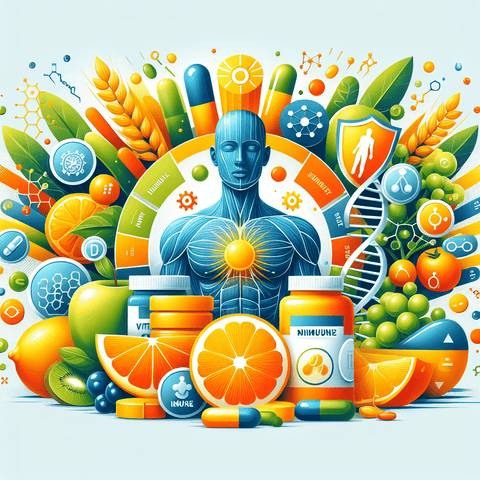
Essential nutrients are the building blocks that allow your body to grow, repair, and function every day. This category includes vitamins, minerals, and other vital compounds that you must obtain from food, as your body cannot make them in sufficient amounts. This guide explores the most important essential nutrients, what they do, and how to ensure you are getting enough through a balanced diet and, when appropriate, high-quality supplements.
What Are Essential Nutrients and Why Do You Need Them?
Essential nutrients perform a wide range of critical functions, including providing energy, supporting immunity, and maintaining tissue integrity. They are divided into two main categories. Macronutrients—proteins, fats, and carbohydrates—are needed in larger amounts to fuel your daily activities. Micronutrients—vitamins and minerals—are required in smaller quantities but are equally vital for regulating everything from metabolism to hormone production.
These nutrients do not act in isolation. For example, vitamin D enhances calcium absorption, and magnesium is necessary to convert vitamin D into its active form in the body. This synergy highlights why a diverse and well-rounded diet is the best way to support your overall health.
The Main Players: A Guide to Key Vitamins
Vitamins are organic compounds that support a variety of bodily functions. While they are needed in small amounts, their impact on health is significant. Here are some of the most crucial vitamins you should know about.
Vitamin D, Vitamin C, and Vitamin A
Vitamin D is well-known for its role in calcium absorption and bone health. Since it is synthesized through sunlight exposure, people in low-sunlight regions or with limited sun exposure may need to consider a supplement to maintain adequate levels.
Vitamin C is a key nutrient for immune function and collagen production, which is important for skin and tissue health. Citrus fruits and vegetables are excellent sources, but supplementation can be a practical option for those with insufficient dietary intake.
Vitamin A supports vision, skin health, and immune function. It is found in foods like carrots and liver. Because it is fat-soluble, it is possible to consume too much vitamin A from supplements, so caution is advised.
Vitamin E, Vitamin K, and the B-Complex
Vitamin E acts as an antioxidant, helping to protect cells from damage caused by free radicals. It also plays a role in immune and skin health. While deficiencies are rare, supplements may be considered for individuals with specific medical conditions.
Vitamin K is essential for blood clotting and bone density. It is found in leafy greens and fermented foods. Individuals taking anticoagulant medication need to pay close attention to their vitamin K intake and should consult their healthcare provider.
The B-complex vitamins, including B12 and folate, are crucial for energy metabolism and nervous system function. These are particularly important for people following plant-based diets, as vitamin B12 is naturally found primarily in animal products.
The Essential Minerals: Calcium, Iron, and Magnesium
Minerals are inorganic elements that play critical roles in everything from building strong bones to transmitting nerve signals. Here are three of the most important minerals to focus on.
Calcium is the primary mineral in bones and teeth. Its absorption is influenced by vitamin D status. Dairy products are common sources, but for those who are lactose intolerant or avoid dairy, calcium supplements can help fill the gap.
Iron is vital for oxygen transport in the blood and energy production. Iron needs increase during pregnancy and for those who are physically very active. The two forms of iron—heme from animal sources and non-heme from plants—have different absorption rates, which is an important consideration for vegetarians and vegans.
Magnesium supports muscle and nerve function, cardiovascular health, and energy production. It is found in nuts, seeds, and whole grains. Since many people do not get enough from diet alone, magnesium supplements are a popular option for supporting sleep and recovery.
Beyond Vitamins & Minerals: Other Essential Nutrients
While vitamins and minerals often take the spotlight, other essential nutrients are just as important. Omega-3 fatty acids, particularly EPA and DHA found in fatty fish, are crucial for heart and brain health. For those who do not consume fish regularly, omega-3 supplements provide a reliable alternative.
You can compare different products to find the right one for you, whether you are looking for a comprehensive multivitamin to cover a broad range of needs or targeted omega-3 supplements for heart and brain health.
Building Your Nutrient Foundation: Diet First
The best approach to nutrition is to start with a diet rich in whole foods. This means prioritizing fruits, vegetables, whole grains, lean proteins, and healthy fats. These foods provide not only the essential nutrients but also fiber and other beneficial plant compounds that work together to support health.
Realistically, modern eating patterns often fall short. Shift work, busy schedules, and the prevalence of processed foods can make it challenging to meet all your needs. Identifying your specific dietary gaps is the first step to determining whether a supplement is a smart choice.
When and How to Use Supplements Safely
Supplements can be a useful tool for bridging nutritional gaps, but they are not a substitute for a healthy diet. They are particularly relevant for people with restricted diets, older adults, pregnant women, and those with higher needs due to athletic training.
When choosing a supplement, look for brands that prioritize quality, such as third-party testing and clear labeling. Pay attention to the form of the nutrient, dosage, and potential interactions with medications. It is always wise to speak with a healthcare professional before starting a new supplement, especially if you have underlying health conditions.
Recognizing the Signs of Suboptimal Intake
Your body may send signals that something is off. Broad signs of suboptimal nutrient intake can include persistent fatigue, poor recovery after illness, changes in skin or hair, and fluctuations in mood. However, these symptoms can also be caused by stress, lack of sleep, or other health issues.
It's important not to self-diagnose a deficiency based on symptoms alone. A holistic assessment by a healthcare provider, including dietary review and blood tests, can help identify the true root cause and guide you toward the appropriate solutions.
Your Next Steps for Better Nutrition
Navigating the world of essential nutrients can feel complex, but the fundamentals are simple: eat a varied, whole-food diet, listen to your body, and fill gaps when needed. To make that process easier, it helps to have a trusted source for high-quality supplements and information.
For example, if you identify a need for more vitamin D, you can explore reliable vitamin D supplements from trusted brands. Focusing on your specific needs, and choosing products based on evidence and quality, is the most responsible way to approach supplementation as a part of your overall health strategy.
Key Insights to Remember
- Essential nutrients are vital for energy, immunity, and overall well-being.
- A well-rounded diet is the optimal way to get these nutrients, but modern diets often have gaps.
- Symptoms of deficiency can be vague and have multiple causes, so professional guidance is important.
- Individual needs vary significantly based on age, sex, health status, and lifestyle.
- Quality and safety are paramount when selecting any nutritional supplement.