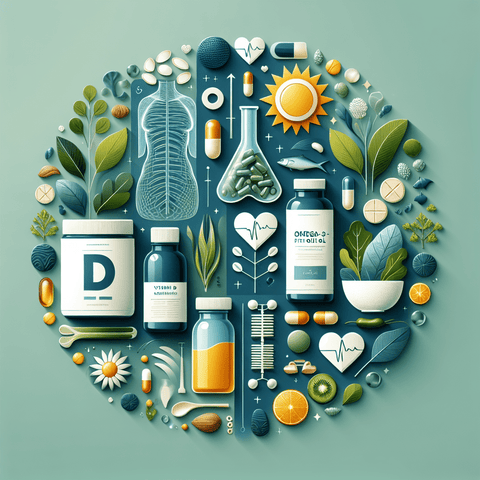
Introduction — Discover the essential vitamin trio and why it matters for energy and immunity
In the pursuit of better health, the significance of vitamins cannot be overstated. The essential vitamin trio—B-complex vitamins, vitamin C, and vitamin D—plays a crucial role in boosting energy levels and enhancing immunity. This article will guide you through the benefits of these vital nutrients, how they function within the body, and how to make informed decisions regarding supplements. Understanding the essentials of this vitamin trio can empower your health journey, allowing you to make choices that align with your wellness goals.
The core promise of this article: from information to informed supplement decisions
This article aims to equip you with the knowledge needed to understand the essential vitamin trio, enabling you to make educated decisions about your nutrition and potential supplementation needs.
The exact phrase to watch for: essential vitamin trio
As we explore this topic, the term "essential vitamin trio" will highlight the specific vitamins that are paramount for energy and immune health.
How this guide will flow: understanding, signals, variability, and practical paths to supplements (on Topvitamine.com)
This guide will cover the biological functions of these vitamins, the importance of recognizing symptoms of deficiency, individual variability in nutrient needs, and practical ways to incorporate these vitamins into your lifestyle through food and supplements.
Core explanation of the topic
What is the essential vitamin trio and why these three?
The essential vitamin trio is a combination of B-complex vitamins, vitamin C, and vitamin D. These vitamins are intimately linked to energy metabolism and immune function, playing distinct but interconnected roles in maintaining overall health. B-complex vitamins, including B1, B2, B3, B5, B6, B7, B9, and B12, are essential for converting food into energy. Vitamin C serves as a powerful antioxidant and enhances the immune system's ability to fend off infections. Vitamin D, often known as the "sunshine vitamin," not only supports immune defense but also plays a vital role in energy levels, muscle function, and bone health.
How each vitamin supports energy and immunity
Each component of the essential vitamin trio offers unique benefits. B-complex vitamins facilitate energy production by helping the body convert carbohydrates, fats, and proteins into usable energy. Vitamin C helps maintain the integrity of immune cells and acts as an antioxidant, protecting cells from damage. Vitamin D further supports immune health by modulating immune responses and can also improve muscle function and overall health, contributing to energy levels.
How these vitamins interact in the body
The interaction between these vitamins is vital for optimal health. For example, vitamin D enhances the absorption of calcium, thereby supporting bone health, which indirectly impacts overall energy through improved physical function. B vitamins require certain cofactors to be absorbed effectively; thus, a deficiency in one can affect the efficacy of the others. Understanding these interactions helps maintain a balanced nutrient profile.
Why this topic matters
Modern dietary patterns, lifestyle, and deficiency risk
Contemporary eating habits often lead to deficiencies in essential nutrients. Processed foods, busy lifestyles, and reduced sun exposure contribute to lower intake levels of these vitamins. Recognizing this deficiency risk is crucial for maintaining energy and immunity.
The link between micronutrients, energy, and immune resilience
Research shows that inadequate intake of key micronutrients can lead to chronic fatigue and increased vulnerability to infections. Individuals experiencing fatigue or recurrent illnesses may benefit from evaluating their diet for these essential vitamins, which play a significant role in sustaining energy and reinforcing immune resilience.
Related symptoms, signals, or health implications
Symptom clusters linked to the essential vitamin trio
Manifestations of deficiency in the essential vitamin trio may include fatigue or low energy, frequent colds or infections, slower wound healing, mood fluctuations, and muscle weakness. Recognizing these symptoms can be a first step towards addressing potential nutritional gaps.
Signals suggesting potential gaps vs. other causes
Symptoms such as fatigue may arise from several factors including stress, sleep deprivation, or underlying health conditions. Distinguishing nutritional gaps from these factors is essential to target the correct intervention.
When symptoms may indicate broader health implications
Particular at-risk groups, such as older adults, pregnant individuals, or those with limited sun exposure, may experience heightened deficiency risks. For such populations, recognizing symptoms may indicate a broader health concern that warrants professional assessment and intervention.
Individual variability and uncertainty
Genetic and physiological differences affecting vitamin needs
Individual variations in absorption efficiency and metabolism mean that not everyone requires the same amounts of these vitamins. Genetic factors can influence how different people utilize nutrients, leading to a need for personalized dietary approaches.
Age, life stage, and health conditions that modulate requirements
Certain life stages such as pregnancy, aging, or specific health conditions like gastrointestinal disorders necessitate adjusted vitamin requirements. This variability underscores the importance of tailoring dietary intake and supplementation to individual needs.
Uncertainty in the evidence and individual responses
While research provides insights into vitamin requirements, individual responses to supplementation can differ significantly. Not all studies yield the same conclusions, and subjective experiences can vary, highlighting the need for personalized nutrition strategies.
Why symptoms alone do not reveal root cause
The difference between symptom relief and addressing a root nutritional gap
Merely alleviating symptoms through rest or dietary changes may provide temporary relief, yet it does not address potential underlying micronutrient deficiencies. Sustainable health requires a deeper understanding of individual needs.
The risk of assuming a deficiency based on symptoms
Self-diagnosis can lead to unnecessary supplementation or overlook other possible health issues. Obtaining professional guidance ensures a thorough assessment of symptoms and nutritional status.
The value of a structured assessment
A comprehensive evaluation, including diet history and risk factors, can help identify nutritional gaps that align with individual health profiles and guide targeted interventions.
The role of nutritional supplements in this topic
When supplements can be appropriate
Supplements can play a significant role in addressing dietary gaps, especially for those with limited sun exposure or specialized diets. Stressful situations and illness recovery may also raise nutritional needs that supplements can help fulfill.
What supplements can offer for energy and immunity
Quality supplements can fill nutrient gaps, support critical metabolic pathways, and enhance overall wellness when combined with a balanced diet. They serve as an adjunct to lifestyle factors that promote energy and immunity.
Safety considerations and common pitfalls
Over-reliance on supplements can lead to excessive dosages and potential interactions with medications. Maintaining a balanced approach is vital to avoid unintended consequences while benefiting from supplementation.
How nutritional supplements could support
Practical mechanisms behind supplement support
Supplements can optimize energy metabolism, enhance antioxidant protection, and stimulate immune cell function and repair processes, thereby offering comprehensive support.
Types, forms, and practical dosing guidelines
Common supplement forms include multivitamins, B-complex products, vitamin C, and vitamin D. Basic dosing guidelines suggest following standard recommended daily allowances, but specific needs may vary. Timing supplements with meals can further enhance absorption.
Integrating supplements with diet and lifestyle
Adopting food-first strategies, such as prioritizing nutrient-dense foods, while integrating sensible supplement routines can amplify health benefits. Lifestyle factors, including physical activity and stress management, also play a critical role in overall wellness.
Decision-support section (when nutritional supplements make sense)
Who should consider supplements in this topic
Individuals who follow restrictive diets, older adults, and those with specific health considerations should consider supplements as a potential means to meet their nutritional needs, particularly for vitamin D, B-complex vitamins, and vitamin C.
Red flags and cautionary guidelines
Persistent symptoms despite supplementation, potential interactions with existing medications, and the complexity of personal health histories all warrant caution. Consulting a healthcare professional is wise before embarking on supplementation.
How to choose a high-quality supplement
Selecting reputable products with transparent labeling, third-party testing, and appropriate dosages is crucial for ensuring safety and efficacy in supplementation.
How to test and monitor impact
Establish a reasonable trial period for supplementation, track personal wellness signals, and re-evaluate nutritional status with a clinician to assess effectiveness and adjust as necessary.
When to seek professional guidance
Consult a healthcare provider when experiencing persistent fatigue, unusual symptoms, or if you possess a complex medical history to ensure tailored support.
Clear concluding section connecting the topic to buying nutritional supplements on Topvitamine.com
Recap of the essential vitamin trio benefits
The essential vitamin trio—B-complex vitamins, vitamin C, and vitamin D—is vital for enhancing energy levels and supporting immune health. A personalized approach to nutrition can significantly impact overall wellness.
How Topvitamine supports informed choices
Topvitamine offers curated options, quality considerations, and valuable educational resources to help you make empowered decisions in your health journey.
Practical next steps to shop on Topvitamine
Explore categories such as vitamin D, vitamin C, B-complex supplements, or comprehensive multivitamins on Topvitamine.com. Utilize filters and bundling options to tailor selections that align with your specific health needs.
Final call-to-action
Empower your health by exploring the trusted options available on Topvitamine.com. Remember to consult a healthcare professional for guidance on any persistent or serious symptoms that may require further evaluation.
Key Takeaways
- The essential vitamin trio comprises B-complex vitamins, vitamin C, and vitamin D.
- These vitamins are vital for energy metabolism and supporting immune function.
- Modern diets frequently lack these essential nutrients, increasing the risk of deficiency.
- Symptoms such as fatigue and frequent illness may indicate a need for these vitamins.
- Individual variability strongly affects vitamin needs based on genetics, age, and health conditions.
- Supplements can effectively fill nutritional gaps but should be used judiciously alongside a balanced diet.
- Choosing high-quality supplements and monitoring their impact is essential for safety and efficacy.
- Professional guidance can help navigate persistent health concerns and optimize nutrient intake.
- Topvitamine provides a range of nutritional supplements tailored to individual needs.
- Make informed choices to enhance your energy and immunity with the essential vitamin trio.
Q&A Section
What are the main benefits of the essential vitamin trio?
The essential vitamin trio—B-complex vitamins, vitamin C, and vitamin D—supports energy production, enhances immune function, reduces fatigue, and aids in recovery from illness.
How do B-complex vitamins impact energy levels?
B-complex vitamins play a crucial role in converting nutrients into energy, making them fundamental for maintaining high energy levels and preventing fatigue.
Can I get enough of these vitamins from food alone?
It’s possible to obtain adequate amounts of the essential vitamin trio through a balanced diet rich in fruits, vegetables, whole grains, and lean proteins. However, many may benefit from supplementation to address dietary gaps.
Are there any risks associated with taking vitamin supplements?
While supplements can be beneficial, excessive dosages may lead to toxicity and potential interactions with medications. It’s critical to adhere to recommended dosages and consult with a healthcare provider when needed.
How long does it take to feel the effects of supplementation?
Effects can vary by individual and depend on the degree of deficiency, with some people noticing improvements within weeks, while others may take longer to observe changes in energy or immunity.
What symptoms might suggest a deficiency in the essential vitamin trio?
Common symptoms include persistent fatigue, frequent infections, delayed wound healing, mood disturbances, and muscle weakness, which may denote deficiencies in B-complex vitamins, vitamin C, or vitamin D.
Is it better to take vitamins in food form or as supplements?
Whole food sources are generally preferable due to the synergistic effects of nutrients in food. Supplements can be beneficial as a backup, particularly when dietary intake is insufficient.
How can I improve the absorption of vitamin supplements?
Taking vitamins with meals can enhance absorption, as fats and certain foods improve nutrient bioavailability. Staying well-hydrated and maintaining a balanced diet also support nutrient absorption.
Can stress affect my vitamin needs?
Yes, stress can elevate the body's demand for certain nutrients, leading to potential deficiencies. Addressing stress through lifestyle changes, alongside proper nutrition, can help meet increased vitamin needs.
When should I consult a healthcare professional regarding vitamin supplementation?
Consult a healthcare provider if you experience persistent symptoms, are considering high-dose supplementation, or have underlying health concerns that may affect nutrient absorption.
Keywords
- essential vitamin trio
- B-complex vitamins
- vitamin C
- vitamin D
- energy metabolism
- immune function
- nutritional supplements
- vitamin deficiency
- individual variability
- health implications