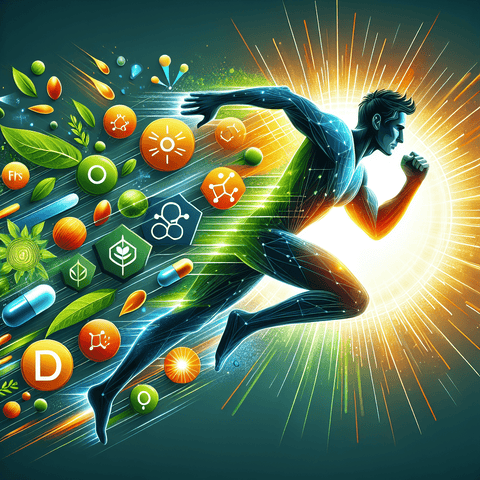
What Are Essential Vitamins for Sustained Energy?
When people talk about vitamins for energy, they are usually referring to the nutrients that help your body convert the food you eat into usable cellular fuel. This process, known as energy metabolism, relies heavily on a range of micronutrients—particularly the B-vitamin family. Vitamins themselves do not provide caloric energy like carbohydrates, proteins, or fats. Instead, they act as essential coenzymes that unlock the energy stored within those macronutrients.
Understanding the difference between a quick caffeine spike and genuinely sustained energy is crucial. A rapid surge in blood sugar may offer temporary alertness, but it often leads to a crash. In contrast, optimizing your nutrient intake supports a steady, reliable supply of energy that lasts throughout the day without the dramatic highs and lows.
Defining Energy at the Cellular Level: From Food to Fuel
Inside nearly every cell in your body are mitochondria, often described as the powerhouses of the cell. These tiny structures are responsible for generating adenosine triphosphate (ATP), the primary energy currency your body uses for everything from muscle contraction to nerve signaling. The process by which your body breaks down glucose, fatty acids, and amino acids to produce ATP depends on a complex series of enzymatic reactions. Many of these enzymes require specific vitamins—especially B-vitamins—to function correctly. Without these vital nutrients, the energy production pathway slows down, which can leave you feeling lethargic.
The Difference Between Quick Energy and Sustained Energy
Quick energy typically comes from simple carbohydrates or stimulants like caffeine, which cause a rapid rise in blood glucose. While effective in the short term, this approach often results in an energy crash as insulin rapidly clears sugar from the bloodstream. Sustained energy, on the other hand, is the result of efficient, gradual energy release. This is achieved through a balanced diet that includes complex carbohydrates, healthy fats, and adequate protein, combined with the necessary vitamins and minerals that support metabolic efficiency.
The Key Role of B-Vitamins in Energy Metabolism
B-vitamins are the cornerstone of energy production. They serve as coenzymes in the metabolic pathways that convert food into ATP. For example, Vitamin B1 (Thiamine) helps convert glucose into energy, while Vitamin B2 (Riboflavin) and Vitamin B3 (Niacin) are crucial for the electron transport chain, the final stage of ATP production. Vitamin B6 is involved in amino acid metabolism, and Vitamin B12 and Folate are essential for red blood cell formation and the proper functioning of the nervous system. A deficiency in any of these essential vitamins for sustained energy can measurably impair your vitality.
Why Vitamin-Driven Energy Matters for Daily Health and Wellbeing
Achieving consistent energy levels is not just about feeling awake; it profoundly impacts your physical performance, mental sharpness, and overall quality of life. When your nutritional foundation is solid, your body can prioritize repair, maintenance, and peak performance rather than merely trying to "get by."
Supporting Physical Performance and Stamina
For those who are active, energy metabolism is critical. Your muscles rely on the efficient production of ATP to sustain movement, endurance, and strength. Adequate levels of B-vitamins and minerals like iron and magnesium ensure that oxygen is transported effectively and that muscles have the fuel they need to perform. Studies have shown that even mild deficiencies in these nutrients can impair physical performance and extend recovery time.
Maintaining Mental Clarity and Focus Throughout the Day
The brain is a highly energy-demanding organ, consuming about 20% of the body's total energy expenditure. This means cognitive functions like memory, focus, and concentration are directly tied to your metabolic health. Essential vitamins, particularly B12 and Folate, are involved in the synthesis of neurotransmitters and the maintenance of the myelin sheath that insulates nerve cells. Sustained energy from proper nutrition helps prevent the mid-afternoon "brain fog" that many people experience.
The Link Between Nutrient Status and Overall Vitality
Beyond immediate performance, chronic low intake of energy-supporting vitamins can contribute to a general sense of malaise and reduced vitality. Feeling constantly run down can affect your mood, motivation, and social interactions. Addressing potential nutritional gaps is a foundational step in restoring a sense of wellbeing, as your body is better equipped to handle daily stressors when it is not struggling to perform basic metabolic functions.
Recognizing Signs That Your Energy Levels May Be Impacted
Your body often sends signals when nutrient levels are insufficient to keep up with energy demands. It is important to recognize these signs early, although they are not specific to vitamin deficiency alone and can be caused by various health conditions.
Persistent Fatigue and Tiredness
Feeling tired after a poor night's sleep is normal, but persistent exhaustion that interferes with daily activities may indicate an issue. This type of fatigue is often described as a lack of energy despite getting adequate rest. If you consistently wake up feeling unrefreshed or struggle to get out of bed, it may be worth evaluating your dietary intake of B-vitamins and iron.
Difficulty Concentrating or "Brain Fog"
Struggling to focus on tasks, forgetfulness, and a general feeling of mental sluggishness can be linked to insufficient energy metabolism in the brain. This cognitive decline is often associated with low levels of Vitamin B12, which is vital for neurological health. When the brain lacks the nutrients to produce neurotransmitters efficiently, mental clarity suffers.
Feeling Rundown or Experiencing Frequent Exhaustion
If you find that you are frequently catching colds or feeling "run down," it may be related to chronic low energy production. The immune system also requires significant energy to function. When the body is busy trying to generate basic cellular energy from a nutrient-poor diet, it may have fewer resources left for immune defense and tissue repair.
Important Note: Symptoms Are Not a Diagnosis
While these signs can point toward nutritional gaps, they are not diagnostic. Fatigue and brain fog are symptoms of many underlying conditions, including thyroid disorders, sleep apnea, and depression. It is always advisable to consult a healthcare professional for a proper evaluation rather than self-treating with supplements based on symptoms alone.
Common Causes and Contributing Factors Behind Low Energy
Several lifestyle and dietary factors can contribute to a depletion of the nutrients needed to sustain energy. Understanding these causes can help you identify which aspects of your routine may need adjustment.
Dietary Gaps: Processed Foods and Low Nutrient Density
A diet high in processed foods, refined sugars, and unhealthy fats tends to be low in essential vitamins and minerals. These foods provide "empty calories," meaning they offer energy (calories) without the necessary cofactors (vitamins/minerals) required to efficiently metabolize them. Over time, this depletes your body's nutrient stores and reduces metabolic efficiency.
Lifestyle Factors: Stress, Sleep Quality, and Physical Activity
Chronic stress increases the body's demand for B-vitamins, specifically Vitamin B5 and B6, which are used in the production of stress hormones. Similarly, inadequate sleep disrupts hormonal balance and increases oxidative stress. While regular exercise boosts energy, overtraining without proper nutritional support can lead to a deficiency, particularly in iron and magnesium, further draining your reserves.
Age-Related Changes in Nutrient Absorption
As we age, our bodies become less efficient at absorbing nutrients. This is particularly true for Vitamin B12, which requires adequate stomach acid to separate it from food proteins. Older adults often experience reduced stomach acid production—a common condition called atrophic gastritis—leading to lower B12 absorption and higher requirements for energy support.
The Impact of Medications and Digestive Health on Nutrient Uptake
Certain medications, such as proton pump inhibitors (PPIs) for acid reflux and metformin for diabetes, are known to deplete Vitamin B12 and magnesium. Additionally, conditions affecting the gut, such as Crohn's disease, celiac disease, or irritable bowel syndrome (IBS), can impair the absorption of nutrients in the small intestine, making it difficult for the body to extract the vitamins needed for energy.
Why Individual Vitamin Needs Vary from Person to Person
There is no "one size fits all" approach to nutrition. Your unique biological makeup, lifestyle, and dietary patterns dictate how many vitamins you need and what sources are best for you.
Dietary Patterns: Vegan, Vegetarian, and Omnivore Considerations
Dietary choices heavily influence nutrient intake. B12 is naturally found only in animal products, making vegans and vegetarians at a higher risk for deficiency. Conversely, omnivores may get a wide range of B-vitamins but could still be deficient in magnesium if they consume low amounts of leafy greens and nuts. Your specific diet dictates which nutrients you need to pay closer attention to.
Age and Life Stage Requirements
Children, teenagers, pregnant women, and older adults all have different nutritional needs. Pregnancy significantly increases the demand for folate, iron, and B12 to support fetal development. Older adults require higher intakes of B12 and Vitamin D due to decreased absorption and skin synthesis, respectively. Your current life stage is a major determinant of your vitamin requirements.
The Influence of Genetics on Nutrient Conversion
Genetic variations, such as those in the MTHFR gene, can affect how well your body converts certain vitamins—such as folate—into their active forms. In the case of B-vitamins, the body often converts them from an inactive dietary form into a coenzyme form. Some individuals have a reduced ability to perform this conversion and may benefit from supplements containing the pre-converted, active forms of these vitamins like Methylfolate or Methylcobalamin.
The Impact of Existing Health Conditions and Gut Health
The health of your gut microbiome and intestinal lining is critical for nutrient absorption. Conditions like leaky gut, SIBO (small intestinal bacterial overgrowth), or chronic inflammation can hinder the body's ability to absorb vitamins from food. If you have a known digestive disorder, your requirements for supplements may be higher than someone with a healthy gut.
Prioritizing Diet and Lifestyle Before Supplements
Before reaching for a bottle of pills, it is essential to optimize your diet and lifestyle. Food provides a complex matrix of nutrients that work synergistically—something a supplement cannot fully replicate.
Top Food Sources of B-Vitamins for Natural Energy
To boost your intake of essential vitamins for sustained energy naturally, focus on a diet rich in whole foods. Excellent sources of B-vitamins include:
- Whole Grains: Brown rice, oats, and quinoa provide B1, B2, and B3.
- Lean Proteins: Poultry, fish, and eggs are rich in B6 and B12.
- Leafy Green Vegetables: Spinach, kale, and broccoli supply Folate (B9).
- Legumes: Lentils and beans are excellent sources of Folate and Thiamine.
- Dairy: Milk and yogurt offer B2 and B12.
Understanding Whole Grains, Lean Proteins, and Leafy Greens
Complex carbohydrates found in whole grains are broken down slowly, providing a steady release of glucose into the bloodstream. Lean proteins supply amino acids necessary for tissue repair and neurotransmitter function. Leafy greens are packed with folate and magnesium, vital for DNA synthesis and muscle relaxation. Combining these food groups ensures you are providing your body with both the fuel and the metabolic cofactors needed to use that fuel effectively.
Lifestyle Habits That Optimize Cellular Energy Production
Regular physical activity increases mitochondrial density—essentially creating more "power plants" in your cells. This makes your body more efficient at producing energy. Additionally, getting 7-9 hours of quality sleep allows the body to undergo critical repair processes and clear metabolic waste from the brain.
The Role of Hydration, Sleep, and Regular Exercise
Even a mild level of dehydration can lead to a noticeable drop in energy levels and cognitive function. Water is essential for transporting nutrients to cells and removing waste products. Similarly, exercise helps improve insulin sensitivity, ensuring that glucose is efficiently taken up by cells for energy rather than stored as fat. These three pillars—hydration, sleep, and exercise—are non-negotiable for optimal stamina.
The Role of Specific Vitamins and Nutrients in Energy Support
While B-vitamins take the spotlight, other vitamins and minerals are essential for the energy production chain. Understanding their specific roles can help you make informed choices.
Why the Family of B-Vitamins Is Essential for Energy
The eight B-vitamins (Thiamine, Riboflavin, Niacin, Pantothenic Acid, Pyridoxine, Biotin, Folate, and Cobalamin) each play a unique but interconnected role in energy production. They assist in carbohydrate, fat, and protein metabolism. Because they work together, a deficiency in one can impair the function of the others, which is why a balanced B-Complex is often favored over single nutrients unless a specific deficiency is identified.
The Specific Functions of Vitamin B12 and Folate
Vitamin B12 (Cobalamin) and Folate (Vitamin B9) are particularly important for the production of red blood cells, which transport oxygen to tissues. If you are deficient in these vitamins, you may develop a form of anemia that causes severe fatigue and weakness. B12 also plays a critical role in maintaining the myelin sheath, the protective coating around nerves, which is essential for fast signal transmission, contributing to alertness and mental clarity.
How Vitamin C Supports Iron Absorption and Energy
Iron is a mineral that carries oxygen in the blood, and low iron levels are a leading cause of fatigue, especially in women. Vitamin C dramatically enhances the absorption of non-heme iron (the type found in plant foods). Consuming vitamin C-rich foods like citrus fruits, bell peppers, or broccoli alongside iron-rich meals can significantly improve your iron status and, consequently, your energy levels.
The Supporting Role of Iron and Magnesium in Energy Pathways
Energy production doesn't happen with vitamins alone. Magnesium is required for the activation of ATP, the energy currency of the cell. Without magnesium, ATP cannot be used. Iron, as mentioned, is crucial for oxygen transport and is a component of enzymes involved in ATP synthesis. Together, these minerals provide the structural and functional support needed for B-vitamins to do their job.
Coenzyme Q10 (CoQ10) and Mitochondrial Function
Coenzyme Q10 is a vitamin-like compound that acts as an electron carrier in the mitochondria. It is critical for the production of ATP. While the body produces CoQ10 naturally, its levels decline with age and with the use of statin medications. Supplementation with CoQ10 has been shown to support mitochondrial health, which is directly linked to cellular energy, although it is generally considered for older adults or those on statins rather than the general population.
When Can Supplementation for Energy Be Considered?
Supplements can be a valuable tool for bridging the gap between what your diet provides and what your body needs. However, they should not be the first line of defense.
Situations Where Dietary Intake May Be Insufficient
Modern agricultural practices and processed food diets can leave many people marginally deficient in key nutrients. If you eat out frequently or rely on convenience foods, your diet may lack the density of B-vitamins and magnesium needed for optimal energy. In such cases, a multivitamin or targeted supplement can help ensure you meet your baseline requirements.
Addressing Specific Deficiencies Confirmed by Blood Testing
If you suspect a deficiency, the most responsible approach is to get a blood test. Testing for Vitamin B12, Vitamin D, Ferritin (iron stores), and Magnesium can provide clarity. If a deficiency is confirmed, supplementation under medical supervision is likely necessary to restore optimal levels. This is preferable to guessing, as excessive intake of certain vitamins can have adverse effects.
Supporting a Demanding Lifestyle or High Training Load
Athletes and individuals with highly physical jobs have higher energy demands. This may warrant a higher intake of B-vitamins and magnesium to support increased metabolic turnover. Similarly, during periods of chronic stress, the body uses B-vitamins at a faster rate, potentially necessitating supplementation to maintain resilience.
Distinguishing General Support from Medical Treatment
It is critical to distinguish between using vitamins for general wellbeing and using them to treat a medical condition. Supplements are intended to support nutritional status; they are not medications designed to cure diseases. If you are experiencing persistent symptoms, you should seek a medical diagnosis rather than relying on over-the-counter vitamins to resolve a potential health issue.
How to Choose the Right Vitamin Supplement for Energy
Choosing a supplement can be overwhelming due to the sheer variety of products available. Focus on quality, form, and your specific needs rather than the cheapest option on the shelf.
Understanding Different Forms of B-Vitamins: Synthetic vs. Food-Derived
Look at the ingredient list to see whether the vitamins are synthetic or derived from whole foods. While synthetic forms like Folic Acid (vs. Folate) are stable and well-tested, they require conversion in the liver. Food-derived supplements may be more gentle for some people. Additionally, the form of the vitamin matters for bioavailability—such as Methylcobalamin (active B12) versus Cyanocobalamin (synthetic B12).
Choosing Between Single Nutrients and Comprehensive B-Complex Formulas
Given that B-vitamins work synergistically, a full-spectrum B-Complex is often more effective than taking a single B-vitamin. A balanced formula ensures that all the cascading reactions in the energy pathway have the cofactors they need. Single-ingredient supplements are best reserved for correcting a specific, diagnosed deficiency, like taking Iron alone for anemia.
Considering Bioavailability and Absorption Enhancers
Look for supplements that include additives to enhance absorption, such as black pepper extract (Bioperine) which increases the bioavailability of various nutrients. Consider the chelated forms of minerals, like Magnesium Glycinate, which are more easily absorbed than oxide forms. These factors significantly impact how much of the supplement your body actually takes up.
Comparing Tablets, Capsules, and Liquid Supplement Formats
Tablets are often inexpensive but may contain binders and fillers that are hard for some people to digest. Capsules are easy to swallow and generally higher quality, while liquids offer maximum absorbability and are ideal for those with swallowing issues. Choose a format that fits your tolerance and ensures that you will take it consistently.
What to Look for on a Supplement Label
Learning how to read a supplement label is a vital skill for making an informed purchase and ensuring safety.
Identifying the Right Dosage and Percent Daily Value (%DV)
Check the dosage of each nutrient and compare it to the Reference Daily Intake (RDI). For B-vitamins, a common B-Complex may provide several hundred percent of the RDI, which is often fine for water-soluble vitamins that are excreted in urine. However, be wary of excessively high doses, often called "megadoses," which are not necessary for energy support and may cause side effects.
Recognizing Active Forms of Vitamins (e.g., Methylcobalamin vs. Cyanocobalamin)
Opt for supplements that provide the active, bioavailable forms of vitamins. Look for labels that say "Methylcobalamin" for B12, "5-MTHF" or "Methylfolate" for Folate, and "Pyridoxal-5-Phosphate (P5P)" for B6. These forms bypass the body's need to convert them, making them more effective, especially for those with genetic limitations like MTHFR mutations.
Spotting Quality Certifications and Third-Party Testing
Look for brands that have their products tested by independent third-party labs, such as USP, NSF International, or ConsumerLab. These certifications verify that the product contains what is listed on the label and is free from harmful contaminants. This is a good indicator of product purity and manufacturing quality.
Checking for Allergens, Fillers, and Added Ingredients
Always check for common allergens like gluten, soy, dairy, and shellfish. Review the "Other Ingredients" list to avoid unnecessary fillers, artificial colors, and preservatives. For those with sensitivities, opt for hypoallergenic supplements that contain minimal additives and use plant-based cellulose capsules instead of gelatin.
Who May Benefit Most from Vitamin Supplementation?
While diet is the best baseline, specific populations stand to benefit significantly from targeted supplementation.
Older Adults with Reduced Stomach Acid and Absorption
As we age, our ability to absorb Vitamin B12 from food decreases due to reduced stomach acid production. Many older adults require supplemental B12 in its crystalline form, which is absorbed differently, to maintain adequate levels. This is one of the most well-established cases for supplementation in seniors.
Individuals Following Plant-Based Diets Needing B12 Support
Vegans and strict vegetarians are at a high risk for B12 deficiency because this vitamin is absent from plant sources. Supplementation is generally considered essential for this group to prevent neurological damage and anemia. There are many vegan-friendly B12 supplements available that are sourced from bacteria cultures rather than animals.
People with Digestive Disorders or Absorption Issues
Conditions like Celiac disease, Crohn's disease, and ulcerative colitis compromise the intestinal lining's ability to absorb nutrients. Even with a healthy diet, individuals with these conditions may not absorb enough vitamins and minerals to sustain optimal energy, making high-quality supplementation necessary.
Those with Elevated Stress or High Physical Demand
Chronic stress depletes B-vitamins and magnesium rapidly. Similarly, intense training programs increase the turnover of these nutrients. If you fall into these categories, you may benefit from a supplement to cover the increased metabolic demand that your diet alone may not sustain.
Safety, Interactions, and Professional Guidance
Vitamins are not harmless substances that can be taken in unlimited quantities. Responsible supplementation requires awareness of safety and interactions.
Understanding Upper Limits and Water-Soluble Vitamin Excretion
B-vitamins are water-soluble, meaning excess amounts are generally excreted in the urine, reducing the risk of toxicity. However, this does not mean they are entirely safe at high doses. For example, high doses of Vitamin B6 (over 100 mg/day) taken long-term can cause nerve damage. Always respect the Tolerable Upper Intake Level (UL) set by health authorities.
Potential Interactions Between B-Vitamins and Medications
B-vitamins can interfere with certain medications. Folic Acid can mask the symptoms of a Vitamin B12 deficiency, which is dangerous for those with pernicious anemia. Vitamin B6 can reduce the effectiveness of Levodopa (used for Parkinson's disease). Always inform your doctor about any supplements you are taking to avoid adverse interactions, especially if you are on prescription medication for chronic conditions.
When to Consult a Doctor or Qualified Health Professional
You should always consult a healthcare professional if you are pregnant, nursing, have a chronic health condition, or are taking prescription medications. Additionally, if you have been supplementing for several weeks without noticing any improvement in your energy levels, it is essential to see a doctor. Persistent fatigue may be a sign of an underlying medical issue that requires treatment, not just a nutritional tweak.
Making the Decision: Food First or Supplement Support?
Deciding whether to rely solely on food or to incorporate a supplement requires honest self-assessment of your lifestyle and dietary habits.
Key Questions to Ask About Your Current Diet
Begin by evaluating your eating habits. Ask yourself: How many servings of colorful fruits and vegetables do I eat daily? Am I consuming whole grains or mostly refined grains? How often do I eat oily fish, legumes, or lean meats? If your diet consists predominantly of whole, unprocessed foods, you may already be meeting your needs. If you live on convenience foods, you likely have gaps.
Assessing Your Symptoms and Lifestyle Factors
Consider your stress levels and sleep patterns. Are you getting 7-8 hours of quality sleep? Are you training intensely without adequate rest days? Do you drink excessive alcohol, which depletes B-vitamins? If you are experiencing fatigue, but your diet is excellent, the issue may lie in poor digestion, stress, or lack of sleep, rather than the absence of vitamins in your food.
Weighing the Benefits of a Targeted Supplement Based on Your Needs
If you identify that your diet is lacking in nutrient-dense foods or you fall into a high-risk group (older adult, vegan, high-stress), a targeted supplement like a high-quality B-Complex can be a practical and effective safety net. It is a strategic tool to bridge the nutritional gap, not a replacement for a healthy lifestyle. Weigh the cost of the supplement against the financial cost of eating a more nutrient-dense diet and choose what is sustainable for you.
Final Takeaway: Building a Sustainable Approach to Daily Energy
Sustained energy is not found in a single pill, but in a consistent lifestyle approach that prioritizes nutrient-rich foods and healthy habits.
Core Principles for Maintaining Healthy Energy Levels Naturally
Maintain a balanced diet rich in whole grains, lean proteins, healthy fats, and vibrant vegetables. Prioritize sleep and manage stress effectively through exercise or mindfulness. Stay consistently hydrated throughout the day. These fundamental habits are the bedrock upon which supplements are simply an optional addition, not a foundation.
Making Informed, High-Quality Supplement Choices if Needed
If you decide to use supplements, choose them with the same discernment you would use for any important health decision. Look for third-party tested brands that use active forms of vitamins. Ensure the dosage is appropriate for your needs and avoid proprietary blends that hide ingredient amounts. By taking a thoughtful, informed approach, you can effectively support your body's natural ability to produce sustained, long-lasting energy.
Key Takeaways
- Vitamins, particularly the B-complex, are essential cofactors for converting food into cellular energy (ATP), but they do not provide energy calories themselves.
- Sustained energy is achieved through efficient metabolism, supported by a diet of whole foods, unlike the temporary spikes from caffeine and refined sugars.
- Common signs of poor energy metabolism include persistent fatigue, brain fog, and feeling rundown, but these symptoms require professional evaluation to rule out other medical causes.
- Individual needs for vitamins vary widely due to age, diet type (vegan vs. omnivore), genetics (like MTHFR mutations), and digestive health.
- Prioritize dietary sources of B-vitamins—such as eggs, legumes, leafy greens, and whole grains—before considering supplementation.
- Magnesium, iron, and Vitamin C play supportive roles in the energy pathway by facilitating ATP use, oxygen transport, and nutrient absorption respectively.
- Supplementation is most relevant for specific groups, including older adults, individuals on plant-based diets, those with gut malabsorption, and people under high physical stress.
- When choosing a supplement, look for active forms (like Methylcobalamin for B12) and be mindful of intake levels to avoid unnecessary side effects.
- Always consult a healthcare provider before starting new supplements if you take medication or have a chronic health condition.
Frequently Asked Questions
What is the best vitamin for low energy?
There is no single "best" vitamin, but the family of B-vitamins—especially Vitamin B12 and Folate—is most directly linked to energy production. They help form red blood cells and support the nervous system. A deficiency in any of these can lead to fatigue, so a comprehensive B-Complex is often recommended if dietary intake is suspected to be low.
Can B vitamins actually give you energy?
B-vitamins don't provide energy in the form of calories, but they are essential for the metabolic reactions that convert carbohydrates, fats, and proteins into ATP. Without sufficient B-vitamins, your body struggles to use the food you eat for fuel, which can result in feelings of fatigue. Thus, they enable energy production rather than provide it directly.
What are the signs of a B12 deficiency?
Common signs of Vitamin B12 deficiency include severe fatigue, weakness, pale skin, shortness of breath, and neurological symptoms such as tingling in the hands and feet, balance problems, and memory issues. If you experience these symptoms, it is important to have your B12 levels checked by a doctor rather than self-diagnosing.
How long does it take for vitamins to start working for energy?
While you may feel a psychological "boost" quickly, physiological improvements in energy status take time. For deficiencies like B12, it can take several days to a few weeks of consistent supplementation to notice a significant change in energy levels. The timeline often depends on the severity of the deficiency and the efficiency of your body's absorption mechanisms.
Is it better to take a B-Complex or individual B vitamins?
Because B-vitamins work synergistically in energy pathways, a balanced B-Complex is generally better for overall energy support. Taking a single B-vitamin alone can sometimes create an imbalance if another B-vitamin is deficient. Individual vitamins are typically best reserved for correcting a specific, medically diagnosed deficiency.
How much B12 should I take daily for energy?
The RDI for B12 is approximately 2.4 mcg for adults. However, for energy support and recovery from deficiency, higher doses are often used. Many supplements provide 500–1000 mcg, which is safe, as B12 is water-soluble and any excess is excreted. It is best to follow the dosage on a reputable product label or your doctor's advice.
Are there any side effects of taking B vitamins?
Water-soluble B-vitamins are generally safe, with excess amounts excreted in urine (which may turn bright yellow). However, high doses of Vitamin B6 taken long-term can cause nerve damage, and very high doses of Niacin can cause flushing. It is important to stick to recommended dosages and consult a physician about safe upper limits.
Do vitamin B12 injections work better than pills?
Injections bypass the digestive system, making them highly effective for individuals with severe absorption issues, such as pernicious anemia or Crohn's disease. For healthy individuals with adequate gut absorption, high-dose oral supplements are often just as effective at raising B12 levels. Injections are typically reserved for medical cases and are not necessary for general wellness.
Can iron deficiency be mistaken for B12 deficiency?
Yes, both iron and B12 deficiencies cause fatigue and are types of anemia. Iron deficiency anemia presents with similar symptoms to B12 deficiency but lacks the neurological symptoms (tingling, numbness) often seen in B12 deficiency. A simple blood test can determine which nutrient is deficient, ensuring the correct treatment is chosen.
Which food has the most B vitamins?
Organ meats like liver are extremely high in B-vitamins, particularly B12, Folate, and Riboflavin. Other excellent sources include salmon and tuna, which are rich in B3, B6, and B12. Poultry, eggs, dairy products, and leafy greens like spinach are also strong contributors to daily B-vitamin intake.
Are energy drinks a good source of B vitamins?
While energy drinks are often fortified with synthetic B-vitamins, they also contain high levels of sugar and caffeine. The sugar provides a rapid energy spike and crash, while the caffeine can disrupt sleep and cause jitters. While they may contain B12, whole foods or a quality supplement are healthier ways to get these vitamins without the negative side effects.
Is it okay to take B vitamins on an empty stomach?
Vitamin B12 and Thiamine (B1) are absorbed better on an empty stomach. However, other B-vitamins, such as Vitamin B2 and B6, are best absorbed with a meal to prevent stomach upset. Taking a B-Complex with a meal that contains some healthy fats is generally recommended for optimal absorption and tolerability.
Related Keywords
- essential vitamins for sustained energy
- B-complex for energy metabolism
- vitamin B12 deficiency and fatigue
- foods that boost cellular energy
- magnesium for muscle and nerve energy
- natural stamina and vitality support
- iron and oxygen transport for stamina
- active form vitamin B12 methylcobalamin
- coenzyme Q10 for mitochondrial health
- managing brain fog with diet and nutrition
- multivitamin for daily energy metabolism