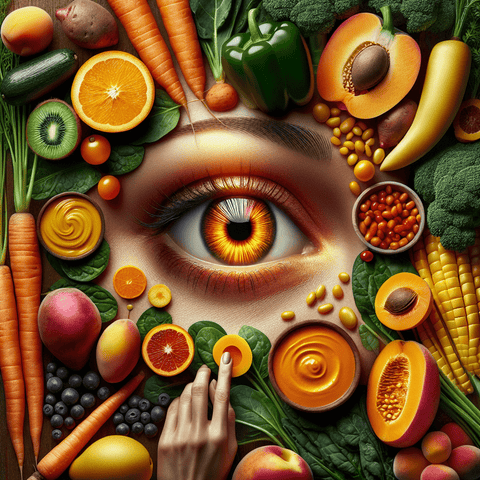
Maintaining sharp vision and preventing age-related eye issues often begins with what's on your plate. While genetics and environmental factors play a role, nutrition is a cornerstone of long-term ocular wellness. This article explores the essential nutrients that support eye health, how they work, and practical ways to incorporate them into your daily routine. You'll learn about the science behind these nutrients, the best food sources, and when supplementation might be a relevant consideration.
What Are Eye Health Nutrients and Why Do They Matter?
When discussing eye health nutrients, many people immediately think of vitamin A, and for good reason—it's vital for vision. However, the full picture is far more complex. A diverse range of vitamins, minerals, antioxidants, and fatty acids work in concert to protect the eyes. This includes nutrients like lutein and zeaxanthin, which are found in the macula, as well as omega-3 fatty acids that provide structural support to retinal cells. Understanding this broader spectrum is key to providing comprehensive support.
The Science of Vision: How Nutrients Support the Retina, Macula, and Lens
Each part of the eye has unique nutritional needs. The retina, which lines the back of the eye, is a hub of metabolic activity and relies heavily on antioxidants and omega-3s. The macula, a small area in the center of the retina, specifically accumulates lutein and zeaxanthin, which act like internal sunglasses to filter out harmful blue light. The lens, which focuses light, can be protected from oxidative damage by antioxidants like vitamin C and E. A well-rounded diet ensures all these areas receive the building blocks they need.
The Difference Between Supporting Vision and Treating Eye Disease
It's crucial to understand that while nutrition can significantly support eye health, it is not a cure-all for existing diseases. Nutrients help maintain normal physiological functions, such as fluid balance, cellular repair, and protection against oxidative stress. This is different from treating conditions like cataracts or age-related macular degeneration (AMD). For established conditions, nutrition is a complementary strategy that works alongside, not instead of, medical treatments. This approach is about building a strong foundation to support your body's natural processes and reduce risk factors.
The Physiological Role of Nutrition in Vision and Long-Term Eye Function
The eyes are particularly vulnerable to damage from oxidative stress due to their high oxygen consumption and constant exposure to light. This makes a diet rich in protective nutrients essential for maintaining clear vision and healthy aging.
Antioxidant Defense: Combating Oxidative Stress in the Ocular Tissues
Every time your cells use oxygen, they can create harmful byproducts called free radicals. These molecules can damage cell membranes, proteins, and DNA—a process known as oxidative stress. The eyes are especially susceptible. Antioxidants, including vitamins C and E, zinc, and carotenoids, work to neutralize free radicals, protecting delicate ocular tissues from cumulative damage. This protective effect is a primary mechanism by which diet can influence the risk of developing chronic eye conditions.
Cellular Structure: How Nutrients Maintain Healthy Cell Membranes in the Eye
Cell membranes, which control what enters and leaves a cell, are largely made of fats. Omega-3 fatty acids, particularly DHA, are critical components of these membranes, especially in the retina. They help maintain the fluidity and flexibility of the membranes, which is essential for optimal cell signaling and vision function. A deficiency in these fats can compromise the structural integrity of retinal cells, impairing vision over time.
Blood Flow and Microcirculation: Nutrient Delivery to the Optic Nerve
The optic nerve, which transmits visual information to the brain, requires a rich supply of oxygen and nutrients. Certain compounds, such as those found in curcumin and various plant foods, have been studied for their role in supporting healthy circulation. Good blood flow ensures that the optic nerve and other ocular tissues receive a steady supply of nutrients while efficiently removing metabolic waste.
Common Signs That Your Eyes May Need More Nutritional Support
Your body often sends early signals when your nutritional status is suboptimal. While these signs do not diagnose a deficiency, they may indicate that your diet could use improvement.
Difficulty Seeing at Night or in Low Light
Struggling to see in dimly lit rooms or needing more time to adjust to the dark can be a sign of low vitamin A intake. This nutrient is a critical component of rhodopsin, a protein in the eye that is essential for night vision.
Increased Sensitivity to Glare or Light
If you find yourself struggling with glare from headlights or bright sunlight, it may be related to a buildup of oxidative stress in the eye. Antioxidant nutrients like lutein and zeaxanthin are deposited in the macula to filter out high-energy light, and lower levels may lead to increased light sensitivity and glare.
Frequent Eye Fatigue or Strain During Screen Use
Eye strain is often linked to digital screen use, but poor nutrition can also play a role. A diet lacking in essential fatty acids and B-vitamins may affect the quality of tears and muscle function, making it harder for your eyes to recover from extended periods of focus. Implementing the 20-20-20 rule—looking 20 feet away for 20 seconds every 20 minutes—can be helpful, but so can addressing nutrient intake.
When Symptoms Indicate a Need for Professional Evaluation, Not Just Supplements
It is important to distinguish between nutritional support and medical care. Sudden vision changes, persistent floaters, eye pain, or loss of vision require immediate attention from an eye care professional. Dietary changes alone cannot fix these issues, and self-treating with supplements could delay proper diagnosis and care.
Key Risk Factors That Deplete or Increase Demand for Eye Health Nutrients
Several lifestyle and physiological factors can increase your body's demand for eye-healthy nutrients or deplete your existing stores.
The Impact of Aging, Diet, and Lifestyle
As we age, our bodies become less efficient at absorbing certain nutrients from food, and aging itself brings about physiological changes that can increase nutritional needs. A diet heavily reliant on processed foods and low in whole, plant-based foods is unlikely to provide sufficient doses of protective phytochemicals, vitamins, and minerals. Smoking introduces a high concentration of free radicals into the body, depleting antioxidant levels. Excessive alcohol can interfere with the absorption of essential nutrients, while chronic screen use may increase oxidative stress in the eyes and contribute to eye strain.
Environmental Stressors: UV Light and Blue Light Exposure
Chronic exposure to ultraviolet (UV) radiation from the sun and high-energy visible (HEV) blue light from digital devices can generate oxidative stress in the lens and retina over time. This has led to the widespread use of nutrients that can help filter or neutralize these effects.
Medications and Health Conditions That Affect Nutrient Status
Certain medications can deplete key vitamins and minerals, while conditions like diabetes, inflammatory bowel disease, and autoimmune disorders can impair nutrient absorption or increase the need for them. Always consider potential medication-nutrient interactions when discussing eye health.
Why Individual Nutrient Needs Vary from Person to Person
There is no single "best" diet for everyone, and individual needs can differ significantly. Understanding these variations is key to creating a wellness plan that works for you.
Genetics, Gut Health, and Existing Deficiencies
Research has shown that genetic variations can impact how well the body converts dietary carotenoids into nutrients like lutein and zeaxanthin. For some people, consuming precursors may be less efficient. For example, getting enough omega-3s from food is good, but getting the active form (DHA) from seafood may be more effective for those with specific genetic profiles.
Gut health is intrinsically linked to overall health, including eye health. Conditions like Celiac disease, Crohn's disease, or Leaky Gut Syndrome can impair your gut's ability to absorb fats and fat-soluble vitamins (like A and E). Your gut microbiome also plays a role in nutrient metabolism and inflammation regulation.
If you are generally healthy, focusing on a nutrient-dense diet for prevention makes sense. However, if you have an existing condition or a diagnosed deficiency, you may need a therapeutic dose of a supplement, as recommended by a doctor. This distinguishes between maintaining health and addressing a specific physiological issue.
Food First: Dietary Patterns and Lifestyle Habits for Eye Health
Before considering supplements, focusing on dietary patterns is the most effective strategy for supporting eye health. A balanced diet provides a complex matrix of nutrients that work better together than they do in isolation.
The Mediterranean Diet and Its Association with Macular Health
This dietary pattern is rich in fruits, vegetables, whole grains, legumes, fish, and healthy fats like olive oil. Studies have associated a Mediterranean diet with a lower risk of advanced Age-related Macular Degeneration, likely due to its high antioxidant and anti-inflammatory properties.
Top Food Sources for Lutein and Zeaxanthin: Leafy Greens and Eggs
These carotenoids are found in the macula and help absorb blue light. Excellent sources include cooked kale and spinach. Other sources include collards, broccoli, and eggs—especially the yolks, which make the nutrients easy to absorb. The AREDS2 clinical trials confirmed the benefits of these specific nutrients for those with AMD.
Omega-3 Rich Foods: Fatty Fish, Flaxseed, and Walnuts
The DHA found in fish is a major structural component of the retina. To get healthy omega-3s, consider including fatty fish like salmon, mackerel, sardines. For vegetarians or those who don't eat fish, flaxseeds and walnuts are good sources of ALA, though it must be converted to a usable form by the body.
Vitamin C and E Sources: Citrus, Nuts, and Seeds
These are powerful antioxidants. Oranges, grapefruit, and bell peppers are high in vitamin C. Add almonds, sunflower seeds, and peanuts for a dose of vitamin E. These nutrients help maintain the integrity of blood vessels in the eye and support overall skin and tissue health.
Lifestyle Habits: Hydration, Sleep, and the 20-20-20 Rule
Adequate hydration is crucial for maintaining tear production and preventing dry eye. Sleep allows your eyes to rest and repair. Allowing for screen breaks through the 20-20-20 rule ensures your blink reflex doesn't get suppressed, reducing the risk of digital eye strain.
The Role of Specific Supplements in Eye Health
While "food first" is the ideal approach, there are valid reasons why someone might consider supplementation. If diet is inadequate or fails to provide enough of a specific nutrient, a supplement may be considered.
Lutein and Zeaxanthin: The Macular Pigment Protectors
These fat-soluble nutrients are the primary ingredients in the retina. They can be considered the "shade" for the macula. Supplementation may increase a marker called macular pigment optical density, which is associated with protection against AMD progression. Lutein and zeaxanthin are most effective when dietary intake is low.
Omega-3 Fatty Acids (EPA and DHA): Structural Support for Retinal Cells
For those who do not consume fatty fish regularly, a high-quality omega-3 supplement can help ensure adequate DHA intake. They also offer potent anti-inflammatory benefits, which may be helpful for those with dry eye.
Vitamins C and E: Antioxidant Synergy in Ocular Fluids
These two vitamins work in tandem. Vitamin C is water-soluble and found in high concentrations in the eye's fluid, while vitamin E is fat-soluble and protects the cell membranes. They help recycle each other to provide continuous antioxidant protection.
Zinc, Copper, and the AREDS2 Connection
Zinc is essential for transporting vitamin A from the liver to the retina to produce melanin and is a crucial co-factor for many enzymes.
Vitamin D and B-Complex Vitamins: Emerging Research in Ocular Health
Research is emerging on the role of vitamin D in reducing inflammation. B-vitamins, particularly B6, B9, and B12, may be considered for their role in managing homocysteine levels, which are linked to vascular issues that can affect the eye.
How to Choose the Right Supplement Approach
Navigating the supplement aisle can be confusing. Instead of reaching for the first bottle, focus on a rational, evidence-based approach.
Individual Needs vs. General Health
Most healthy individuals can get sufficient nutrients through their diet. However, if you have a specific condition like AMD or are at high risk, your doctor may recommend a specific formula like those used in the AREDS2 study. Do you need a high-dose supplement, or would you benefit from a general multivitamin? A general multivitamin can fill nutritional gaps, whereas targeted nutrients address specific concerns.
When to Consider High-Quality Supplements
Many brands offer standardized extracts of lutein and zeaxanthin derived from marigold extract. It is generally better to get your nutrients from whole foods where possible. However, when you do seek supplements, look for products that have been third-party tested for quality and contain the exact forms of ingredients used in research studies. You can also check if the brand adheres to standards like cGMP. If you are unsure about what to get, a high-quality multivitamin that includes these ingredients can be a good start. For those with specific deficiencies, targeted supplements might be more appropriate.
Nutrient Forms and Bioavailability
Your body can only absorb and utilize some forms of nutrients better than others or in the presence of dietary fat. Consuming healthy fat alongside your meals can improve the absorption of fat-soluble vitamins. Before you start high-dose supplementation, be aware of potential side effects, and it's always wise to consult a doctor.
Potential Drug Interactions
Regardless of its benefits, you should always check for safety if you are taking medication. For example, high doses of vitamin K can interact with blood thinners.
Key Takeaways
- Nutrition plays a foundational role in maintaining eye health and preventing age-related vision decline.
- Antioxidants like vitamins C and E, along with lutein, help protect the eyes from oxidative stress.
- Omega-3 fatty acids, especially DHA, are crucial for the structural integrity of retinal cell membranes.
- Adopting a Mediterranean-style diet rich in leafy greens, fish, and nuts is among the best ways to support your vision.
- Conditions that affect the gut can significantly impact the absorption of essential nutrients.
- Aging, smoking, and poor dietary choices can increase the need for specific nutrients like zinc and lutein.
- Dietary supplements are not a substitute for a healthy lifestyle but may be relevant for filling specific nutritional gaps.
- Individual nutrient needs vary based on genetics, gut health, and overall health status.
- Always inform your healthcare provider about any supplement you are taking, especially if you have underlying conditions or are on medication.
Frequently Asked Questions
What are the best foods for eye health?
The best foods for eye health are those rich in antioxidants and healthy fats. This includes leafy green vegetables like spinach and kale, fatty fish like salmon, and a variety of colorful fruits and vegetables. Legumes, nuts, and seeds also contribute significantly to overall nutrition.
Can eye health nutrients improve my vision?
Nutrients cannot correct refractive errors like nearsightedness or farsightedness. However, they support the health of the tissues and cells in the eyes, which can help slow age-related degeneration and reduce the risk of conditions like macular degeneration and cataracts.
Are there any specific eye health nutrients for adults?
As we age, our bodies may not absorb nutrients as efficiently. Nutrients like lutein, zeaxanthin, zinc, and vitamin C are particularly important for supporting healthy eye tissues and protecting against age-related vision changes.
What is the best way to take fat-soluble vitamins for eye health?
Vitamins A, D, E, and K are fat-soluble. To improve their absorption, it's best to take them with a meal that contains some fats, such as fish, avocado, or a meal cooked with olive oil. This ensures that your body can effectively absorb and use these nutrients.
Is it safe to take eye supplements daily?
While many eye supplements are safe for daily use, you must ensure you aren't taking excessive amounts of certain vitamins or minerals. Always follow the recommended dosage on the product and consult a healthcare professional, especially if you are on medication like blood thinners or have a pre-existing condition.
Can too much of an eye vitamin be harmful?
Yes, certain vitamins and minerals can be harmful in high doses. For instance, excessive vitamin A can be toxic and has been linked to increased risk of hip fractures. Similarly, excessive intake of certain antioxidants can be harmful. Sticking to established guidelines is key.
What nutrients build the macula?
The macula is built and maintained by two primary carotenoids: lutein and zeaxanthin. These are the only nutrients that accumulate in the eye to form the macular pigment, which absorbs harmful blue light and protects the cells below.
Are there any symptoms of low zinc levels that affect vision?
Zinc is essential for transporting vitamin A from the liver to the retina to produce melanin during light exposure. A deficiency can impair this process, leading to poor night vision, though it is rare in developed countries.
How long does it take for an eye supplement to work?
If you are addressing a deficiency, you might notice a difference in energy within a few weeks. However, for macular pigment density, it takes a steady intake of lutein over 6 to 12 months to see measurable changes.