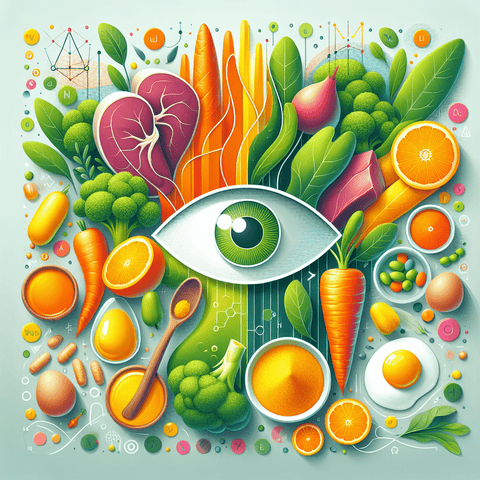
What Is Eye Health Nutrition and Why Does It Matter?
Eye health nutrition refers to the way specific vitamins, minerals, fatty acids, and plant compounds in your diet support the structure and function of your eyes. Because the eyes are among the most metabolically active organs in the body, they depend on a steady supply of nutrients to protect delicate tissues from oxidative stress, maintain clear lenses and retinas, and support comfortable, sharp vision. In this article, you will learn how nutrition affects vision, which seven nutrient groups are most consistently associated with eye health, how to build an eye-friendly diet, and when a supplement may — or may not — be worth considering.
Nutrition is not a guarantee against eye disease, and no diet replaces regular eye examinations. However, decades of research, including large clinical trials such as AREDS and AREDS2, indicate that nutritional status can meaningfully influence how the eyes age. For most people, food comes first; supplements are situation-dependent tools rather than essentials for everyone.
How Nutrition Affects Vision and Eye Function
The eye is a small, highly specialized structure with intense energy demands. The retina consumes large amounts of oxygen, and the lens and macula are continuously exposed to light, which generates reactive molecules called free radicals. Nutrients participate in nearly every stage of eye maintenance — from forming the light-sensitive pigments in the retina to sustaining the tear film that keeps the eye's surface comfortable and clear.
The Role of Antioxidants in Protecting Eye Tissues
Oxidative stress is considered one of the mechanisms involved in age-related changes in the eye, including damage to the lens and retina. Antioxidants such as vitamin C, vitamin E, lutein, and zeaxanthin help neutralize free radicals before they can damage cellular structures. Because the eye is exposed to light and oxygen simultaneously, antioxidant defenses are particularly important there. It is worth noting that this evidence describes associations and plausible mechanisms, not proof that any single antioxidant supplement prevents a specific disease in the general population.
How Blood Flow and Nutrient Delivery Support the Eyes
Even a nutrient-rich diet only helps if nutrients actually reach the eyes. The retina has one of the highest rates of blood flow per gram of tissue in the body, and a dense capillary network nourishes the macula — the central area responsible for fine, detailed vision. Cardiovascular health, blood sugar regulation, and healthy circulation therefore support nutrient delivery to eye tissues. Omega-3 fatty acids and B vitamins play roles in vascular and metabolic health, which is one reason overall dietary patterns matter more than any single nutrient.
Common Eye Concerns That Nutrition May Influence
Nutrition is not a treatment for eye disease, but research suggests that certain nutrient intakes are associated with the risk, progression, or symptom burden of several common eye concerns.
Age-Related Macular Degeneration (AMD)
AMD affects the macula and is a leading cause of vision loss in older adults. Two landmark clinical trials, AREDS and AREDS2, found that a specific combination of antioxidant vitamins and minerals slowed progression to advanced AMD in people who already had intermediate disease. This is one of the most robust pieces of evidence connecting nutrition and eye health — but importantly, it applies to people with existing AMD, not to prevention in healthy eyes.
Cataracts
Cataracts involve clouding of the lens, largely driven by cumulative oxidative damage over decades. Higher dietary intakes of vitamin C, vitamin E, lutein, and zeaxanthin have been associated with reduced risk of certain types of cataract in observational studies. Associations from diet studies are weaker than findings from controlled trials, but the overall picture supports the value of long-term, antioxidant-rich eating patterns.
Dry Eyes
Dry eye symptoms — stinging, grittiness, fluctuating vision — relate to tear quantity and quality. Omega-3 fatty acids, particularly EPA and DHA, have been studied for their role in supporting tear film stability and modulating surface inflammation. Evidence is mixed across trials, but adequate omega-3 intake from fish remains a reasonable dietary measure for general eye surface health.
Night Vision and Light Sensitivity
Vitamin A is essential for producing rhodopsin, a light-sensitive pigment the retina uses for vision in low light. Severe vitamin A deficiency causes night blindness, a serious problem in some regions of the world. In well-nourished populations, however, night vision difficulties usually have other causes, and taking extra vitamin A will not improve normal eyesight. Difficulties with night vision deserve professional evaluation rather than self-supplementation.
Key Nutrients for Eye Health and What They Do
Seven nutrient groups stand out in the eye health research for their established biological roles and, in some cases, clinical evidence.
Lutein and Zeaxanthin
These two carotenoids accumulate selectively in the macula, where they form "macular pigment." This pigment acts as natural blue-light filtration and contributes antioxidant protection to the most sight-critical area of the retina. The body cannot produce lutein and zeaxanthin, so intake from dark leafy greens and egg yolks determines macular pigment density, at least partly.
Vitamin C
Vitamin C is a major water-soluble antioxidant concentrated in the aqueous humor and lens. It also supports collagen formation, which matters for the structural tissues of the eye. Dietary vitamin C from fruits and vegetables is associated with healthier lens aging in several observational studies.
Vitamin E
Vitamin E is a fat-soluble antioxidant that protects cell membranes in retinal and lens tissues from lipid oxidation. It was part of the AREDS formula used in AMD trials and contributes to the eye's overall antioxidant defense network.
Zinc
Zinc is a trace mineral that helps transport vitamin A to the retina and is a component of enzymes involved in antioxidant defense. The AREDS trials included zinc, and it contributed to the observed slowing of AMD progression in people with intermediate disease. Zinc status is generally adequate in balanced diets but can be lower in older adults.
Omega-3 Fatty Acids (DHA and EPA)
DHA is a major structural component of retinal cell membranes, where it supports photoreceptor function. EPA is more involved in producing signaling compounds that help resolve inflammation. Both are found in oily fish, and both have been studied in relation to dry eye comfort and retinal health, with varying strength of evidence.
Vitamin A and Beta-Carotene
Vitamin A is structurally essential for vision — it forms the basis of the light-sensitive pigments in the retina's rod cells. Beta-carotene from plant foods converts to vitamin A as needed and avoids the toxicity risk of preformed vitamin A. Notably, AREDS2 replaced beta-carotene with lutein and zeaxanthin after research linked supplemental beta-carotene to increased lung cancer risk in smokers.
B Vitamins (Including B6, B9, and B12)
Folate, vitamin B6, and vitamin B12 help regulate homocysteine, an amino acid that has been associated with vascular health. Some observational studies link low B vitamin status with higher AMD risk, though this evidence is not conclusive. B vitamins support the nervous system and blood vessel function more broadly, which indirectly benefits the eyes.
Factors That Can Affect Your Personal Nutritional Needs
There is no single "right" intake that applies to everyone. Several factors influence both how much of each nutrient you need and how well your body absorbs it.
Age and Long-Term Eye Health
Absorption of some nutrients declines with age, and cumulative oxidative exposure increases over decades. Older adults also tend to have lower intakes of lutein, zeaxanthin, and omega-3s, partly because of reduced appetite or dietary changes.
Diet Quality and Food Intake Patterns
People who rarely eat leafy greens, oily fish, or colorful produce may have lower intakes of the nutrients most relevant to the eyes. Highly processed diets tend to be low in antioxidants and high in fats and sugars that work against vascular health.
Digestive and Absorption Issues
Because lutein, zeaxanthin, vitamins A and E, and omega-3s are fat-soluble, they require dietary fat for absorption. Conditions affecting fat digestion — such as bile disorders, inflammatory bowel disease, or prior gastric surgery — can reduce absorption of several eye-relevant nutrients.
Smoking, Screen Time, and Sun Exposure
Smoking generates substantial oxidative stress and is a major risk factor for AMD; it also disqualifies beta-carotene as a supplemental option. Long hours on digital screens may contribute to eye surface discomfort, and cumulative UV exposure contributes to lens damage — which is why sunglasses and screen breaks complement nutrition rather than being replaced by it.
Genetics and Family History
Family history influences AMD risk, and genetic variations can affect how efficiently the body converts plant carotenoids or handles zinc. Genetics is one more reason individual nutritional responses differ and why professional assessment can be valuable for people with significant risk factors.
Food First: Building an Eye-Healthy Diet
Most people can obtain meaningful amounts of eye-supporting nutrients through everyday foods. A balanced pattern also delivers fiber and phytochemicals that no supplement replicates.
Best Food Sources for Lutein and Zeaxanthin
Kale, spinach, and other dark leafy greens are the richest sources, with smaller amounts in corn, egg yolks, and orange peppers. Because these carotenoids are fat-soluble, pairing greens with olive oil or another fat source improves absorption.
Vitamin C-Rich Fruits and Vegetables
Citrus fruits, kiwi, strawberries, bell peppers, broccoli, and Brussels sprouts provide vitamin C. Regular, moderate intake throughout the day is more effective than relying on occasional large servings, since vitamin C is not stored in large amounts.
Healthy Fats and Omega-3 Food Sources
Oily fish such as salmon, sardines, mackerel, and herring supply preformed DHA and EPA. Plant sources like walnuts and flaxseed provide ALA, which the body converts to EPA and DHA only in small amounts. Nuts, seeds, olive oil, and avocado provide the fats that support absorption of fat-soluble eye nutrients.
The Mediterranean Diet and Eye Health
Overall dietary patterns appear to matter as much as individual nutrients. Observational studies suggest that closer adherence to a Mediterranean-style diet — rich in vegetables, fish, olive oil, nuts, and whole grains — is associated with lower risk of AMD progression. This pattern naturally combines most of the nutrients discussed above.
When Supplemental Eye Health Nutrition May Be Relevant
Supplements are not necessary for everyone, but there are defined situations where they are reasonable to consider.
Gaps in Dietary Intake
People who consistently avoid fish, rarely eat leafy greens, or follow restrictive diets may find it difficult to reach adequate intakes of lutein, zeaxanthin, or omega-3s. In those cases, a supplement can help fill a specific, identified gap rather than serve as an insurance policy against poor eating habits.
Increased Needs With Age
Older adults may absorb and metabolize some nutrients less efficiently, and the eye's oxidative burden grows over time. Nutritional status in later life often warrants closer attention, ideally informed by diet review and, where appropriate, testing.
The AREDS2 Formula and Its Purpose
The AREDS2 formula — vitamin C, vitamin E, zinc, copper, and lutein/zeaxanthin — was designed specifically for people with intermediate or advanced (one-eye) AMD. It is not a preventive supplement for healthy eyes, and people without AMD should not assume they would benefit from the relatively high doses it contains.
What to Consider Before Taking a Supplement
Before adding a supplement, it is worth reviewing your current diet, checking whether any existing multivitamin already contains the nutrients in question, and considering whether a professional eye examination could clarify your actual risk profile. If you take medications or have a medical condition, discuss new supplements with your doctor or pharmacist first.
How to Compare and Choose an Eye Health Supplement
If supplementation is appropriate for you, meaningful differences between products go well beyond brand names.
Lutein and Zeaxanthin Forms and Dosages
Lutein is typically supplied from marigold extract, sometimes combined with zeaxanthin. Studies have commonly used around 10 mg lutein with 2 mg zeaxanthin daily, and taking them with a meal containing fat improves absorption. Products that also include meso-zeaxanthin exist, though evidence for added benefit is limited.
Omega-3 Form: Triglyceride vs. Ethyl Ester
Fish oil supplements come as natural triglycerides, re-esterified triglycerides, or ethyl esters. Triglyceride forms are generally absorbed somewhat better and may suit people who take fish oil without food, though ethyl esters remain clinically effective when taken with meals. Concentration of EPA and DHA per capsule matters more than total "fish oil" amount on the label.
Single-Nutrient vs. Combination Formulas
Combination eye formulas mirror the logic of the AREDS2 research, while single-nutrient products allow targeted dosing. If you already take a multivitamin, check the label first to avoid duplicating nutrients such as zinc or vitamin E. Those wanting a broad foundation may find a quality multivitamin covers baseline needs, with a dedicated eye formula added only if there is a specific reason.
Delivery Form: Capsules, Softgels, and Tablets
Fat-soluble nutrients are usually delivered in softgels or oil-filled capsules, which support absorption and stability. Tablets are practical for minerals like zinc. The delivery form should suit the nutrient type — and your ability to swallow capsules comfortably — rather than marketing preferences.
How to Read an Eye Health Supplement Label
A supplement label tells you more than a marketing claim ever will, provided you know what to look for.
Understanding Nutrient Forms and Amounts
Check the exact chemical form (for example, "zinc bisglycinate" versus "zinc oxide") and the amount per serving, not per capsule. For omega-3s, look for stated EPA and DHA content rather than total fish oil. For lutein products, verify that both lutein and zeaxanthin amounts are listed.
Identifying Added Ingredients and Fillers
Review the "other ingredients" list for allergens such as fish, soy, or gelatin — relevant if you follow a vegan diet or have allergies. Some products add beta-carotene, which smokers and former smokers should avoid in supplemental doses, as noted in the AREDS2 findings.
Quality Markers: Third-Party Testing and Certifications
Look for indicators of manufacturing quality such as third-party testing, batch verification, or recognized certifications. These markers are not guarantees, but they reduce the risk of mislabeled or contaminated products. Reputable retailers, including our supplement collection, prioritize transparent labeling from tested brands.
Who May Benefit Most From Eye Health Supplements
The clearest candidates for targeted supplementation are people with intermediate or advanced AMD, who should discuss the AREDS2-type formula with their ophthalmologist. Beyond that, supplementation may be reasonable for older adults with consistently low intakes of lutein, zeaxanthin, or omega-3s; people with restrictive diets or fat-absorption disorders; and those whose diet rarely includes fish or leafy greens. Everyone else is generally better served by dietary improvement first — for instance, adding omega-3-rich foods or exploring a DHA and EPA supplement only if fish intake stays genuinely low.
Are There Risks or Interactions To Be Aware Of?
Supplements are not risk-free, particularly at the doses used in eye health research.
Upper Intake Levels for Fat-Soluble Vitamins
Vitamins A and E accumulate in the body. Excessive preformed vitamin A can damage the liver and bones and is unsafe in pregnancy, while long-term high-dose vitamin E has been associated with increased bleeding risk and, in some studies, other adverse outcomes. Stay within established upper intake levels and avoid stacking multiple products containing the same vitamins.
Zinc and Copper Balance
Long-term high-dose zinc can interfere with copper absorption, potentially leading to copper deficiency. This is why the AREDS formulations include copper — a practical reminder that mineral balance matters when dosing is high. More moderate zinc intakes from food or standard supplements rarely cause this issue.
Possible Interactions With Medications
Omega-3 supplements at high doses may have mild blood-thinning effects, relevant for people taking anticoagulants. Vitamin E can interact similarly with blood thinners, and certain antibiotics and medications can interact with vitamin A derivatives. Always mention supplements to your doctor or pharmacist if you use prescription medication.
Making an Informed Decision About Your Eye Health Nutrition
The most useful starting point is an honest look at your plate: how often leafy greens, oily fish, colorful vegetables, nuts, and eggs actually appear. For most people, shifting toward a Mediterranean-style pattern covers the nutritional bases for eye health. Supplementation becomes relevant when a specific gap cannot reasonably be closed by diet, when age or a diagnosed eye condition increases requirements, or when testing reveals a genuine shortfall. Regular eye examinations remain essential regardless of diet — they detect changes that nutrition alone cannot address and give context for whether a supplement makes sense for you.
Final Takeaway: Prioritize a Balanced Diet, Consider Supplements Wisely
Eye health nutrition works through long-term, consistent intake of lutein, zeaxanthin, vitamins C and E, zinc, omega-3s, and vitamin A — ideally delivered by food, not capsules. The strongest clinical evidence for supplementation applies to people with existing intermediate AMD, not healthy eyes seeking "extra protection." Build your diet first, review your actual intake, consult an eye care professional about your individual risk, and use supplements selectively and at sensible doses where they fill real gaps.
Key Takeaways
- Eye health nutrition refers to the vitamins, minerals, carotenoids, and omega-3 fatty acids that support retinal function, lens clarity, and the eye's antioxidant defenses.
- Lutein and zeaxanthin concentrate in the macula as protective pigment and come from dark leafy greens and egg yolks.
- Vitamins C and E, zinc, and omega-3s contribute antioxidant protection and structural support for eye tissues.
- Vitamin A is essential for night vision, but extra vitamin A does not improve normal eyesight and carries toxicity risks.
- The AREDS2 formula is intended for people with intermediate or advanced AMD, not as general prevention for healthy eyes.
- Smokers and former smokers should avoid supplemental beta-carotene due to increased lung cancer risk found in research.
- A Mediterranean-style diet rich in vegetables, fish, olive oil, and nuts is associated with better long-term eye outcomes.
- Long-term high-dose zinc can deplete copper, and fat-soluble vitamins have established upper intake limits.
- Regular eye examinations and professional advice should guide supplementation, especially if you have an eye condition or take medication.
Frequently Asked Questions
What is eye health nutrition?
Eye health nutrition is the practice of supplying the eyes with the nutrients they need for structure, antioxidant defense, and function — including lutein, zeaxanthin, vitamins A, C, and E, zinc, and omega-3 fatty acids. It emphasizes food sources first, with supplements used to fill specific gaps.
Can nutrition improve vision?
Nutrition supports normal eye function and may influence how the eyes age, but it cannot correct refractive errors like nearsightedness or reverse existing eye disease. Adequate nutrient intake helps maintain the conditions for clear, comfortable vision.
Which foods are best for eye health?
Dark leafy greens (kale, spinach), oily fish (salmon, sardines), citrus fruits and berries, bell peppers, eggs, nuts, and olive oil cover most eye-relevant nutrients. Combining these foods regularly delivers a broader nutrient mix than any single "superfood."
How much lutein and zeaxanthin do I need daily?
There is no official recommended daily intake, but studies commonly use about 10 mg lutein and 2 mg zeaxanthin per day. Most diets provide considerably less, which is why leafy greens several times per week are often recommended.
Do I need an eye health supplement if I eat well?
If you regularly eat leafy greens, oily fish, and colorful produce, a supplement is usually unnecessary. Supplementation is mainly relevant for people with diagnosed AMD, consistently low intakes, restrictive diets, or absorption problems.
Is omega-3 good for dry eyes?
Omega-3 fatty acids have been studied for supporting tear film stability and eye surface comfort, but trial results are mixed. Including oily fish in your diet is a reasonable measure, though persistent dry eye deserves professional evaluation.
Can you take too much zinc for your eyes?
Yes. Long-term high-dose zinc can interfere with copper absorption and cause other issues. Moderate doses within established upper limits are safe for most people, but high-dose zinc regimens like those in the AREDS trials should only be followed with professional guidance.
Why should smokers avoid beta-carotene supplements?
Two large clinical trials found that high-dose beta-carotene supplementation increased lung cancer risk in smokers and former smokers. AREDS2 replaced beta-carotene with lutein and zeaxanthin for this reason. Beta-carotene from foods remains safe and beneficial.
When should I take eye vitamins — with food or without?
Fat-soluble nutrients such as lutein, zeaxanthin, vitamin E, and omega-3s are absorbed best when taken with a meal containing some fat. Zinc-containing formulas can be taken with food to reduce stomach upset.
How long does it take for eye supplements to have an effect?
Macular pigment from lutein and zeaxanthin can increase over weeks to a few months of consistent intake, while effects on eye surface comfort from omega-3s may take several weeks. Benefits for AMD progression relate to long-term use over years, as studied in clinical trials.
Can eye supplements prevent cataracts?
They cannot be said to prevent cataracts. However, higher dietary intakes of vitamin C, vitamin E, lutein, and zeaxanthin have been associated with slower lens clouding in observational studies. Sunglasses, not smoking, and a nutrient-rich diet remain the practical measures.
Should I get my eyes tested before taking a supplement?
A professional eye examination is the most reliable way to know your individual risk level, since supplement decisions like the AREDS2 formula depend on the presence and stage of eye disease. Eye care professionals can also flag whether your medication or health status makes certain nutrients unsuitable.
Related Keywords
- eye health nutrition
- nutrients for eye health
- lutein and zeaxanthin for eyes
- vitamins for vision
- AREDS2 formula
- omega-3 for dry eyes
- vitamin A and night vision
- zinc for macular health
- antioxidants for eye health
- Mediterranean diet eye health
- eye vitamins for macular degeneration
- foods good for eyesight
- best supplements for eye health
- vitamin C and cataracts