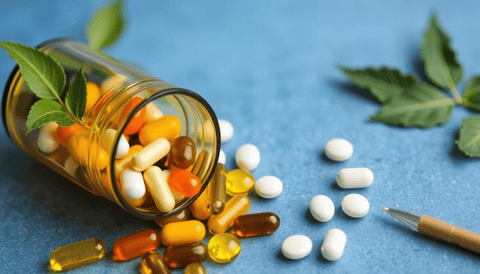
Understanding Supplement Absorption
Supplement absorption refers to the process by which nutrients from dietary supplements are taken up by the body and made available for physiological functions. This complex process begins in the digestive tract and is influenced by a variety of factors, from the physical form of the supplement to the unique characteristics of your own digestive system. Bioavailability, or the degree to which a nutrient is absorbed and used, is the key concept here. It is not simply about what you consume, but how much of it your body can effectively utilize.
Key Factors That Influence Nutrient Uptake
Several interconnected elements determine how well your body absorbs nutrients from supplements. The chemical form of a nutrient, whether it's a vitamin, mineral, or other compound, plays a significant role. For instance, some minerals are more readily absorbed in specific chemical complexes. The delivery system, such as a tablet, capsule, liquid, or gummy, also matters, as it affects dissolution and release in the digestive tract. Furthermore, the digestive environment, including stomach acid levels and gut health, is crucial for breaking down supplements and facilitating their passage into the bloodstream.
Navigating the Complexities of Nutrient Processing
Beyond the supplement itself, your diet and lifestyle are significant pieces of the absorption puzzle. Certain food components can either enhance or inhibit the uptake of specific nutrients. For example, the presence of fats can aid in the absorption of fat-soluble vitamins, while some minerals might compete with each other for absorption pathways. Genetic variations can also influence how efficiently your body processes nutrients. Understanding these broad factors is the first step towards making more informed decisions about your supplement routine, allowing you to choose the right products and take them in ways that align with your body's needs.