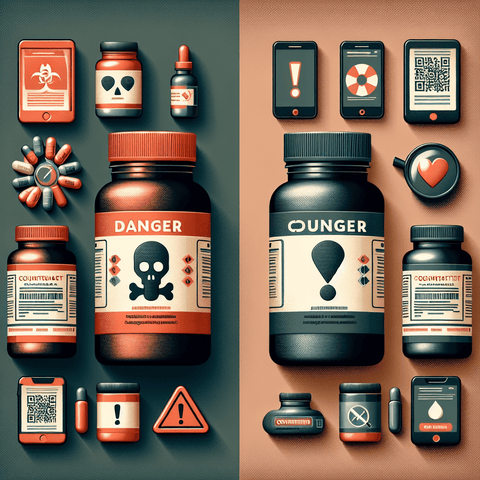
Fake health products are counterfeit, contaminated, expired, or misleadingly labeled supplements and health items that can waste your money and potentially put your health at risk. This guide explains what fake health products are, why the supplement market attracts counterfeiters, and how to recognize the warning signs before you buy. You will learn how to verify authenticity through labels, certifications, and batch numbers, where counterfeit products are most commonly sold, how quality supplements differ from fakes, and what to do if you suspect you have already purchased a counterfeit product.
What Are Fake Health Products? Definitions and Key Terms
The term "fake health products" covers several distinct problems. A counterfeit supplement imitates a legitimate brand but is produced or packaged by unauthorized parties, often with unknown contents. Related issues include contaminated products containing harmful substances, expired products repackaged with new dates, and mislabeled products that do not contain the ingredients or doses listed on the label. Understanding these categories helps you assess risk more accurately than a simple "real versus fake" distinction.
Counterfeit supplements vs. contaminated, expired, and mislabeled products
Counterfeits deliberately mimic genuine brands, right down to logos and holograms. Contaminated products may be genuinely manufactured but contain heavy metals, undeclared pharmaceutical ingredients, or microbial contamination. Expired stock can lose potency over time, meaning the dose on the label no longer reflects what you actually consume. Mislabeled products are common in gray-market supplements, where testing has repeatedly found ingredients absent, underdosed, or substituted with cheaper compounds.
Why the supplement market is a common target for counterfeiters
Supplements occupy a regulatory space that is less strictly controlled than pharmaceuticals in many regions, and demand for products supporting weight loss, muscle growth, and energy is high and persistent. This combination of high demand, perceived lower enforcement risk, and consumers who shop primarily on price makes the supplement market attractive to counterfeiters. Online sales channels, where buyers cannot inspect products before purchase, further increase the opportunity.
Why Fake Health Products Are a Serious Risk to Your Health
Unknown ingredients, wrong doses, and contamination risks
The central danger of a counterfeit product is that you cannot know what it contains. Some fake supplements have been found to include undeclared prescription drugs, particularly in weight loss and sexual enhancement categories, which can cause serious cardiovascular effects. Others contain fillers with no nutritional value, incorrect doses, or contaminants such as lead or bacteria. Consuming an unknown substance daily carries risks that are difficult to predict.
The real cost of counterfeit supplements: wasted money and lost health benefits
Beyond direct health risks, fake products fail at their basic purpose. If a vitamin D product contains little or no vitamin D, someone relying on it to address a low intake receives no benefit, potentially allowing a genuine shortfall to continue unaddressed. Over months, the financial cost of repeatedly buying ineffective products can be substantial, and the opportunity cost is the health benefit you expected but never received.
9 Warning Signs of Fake Health Products
Suspiciously low prices and "too good to be true" claims
Genuine supplements have real manufacturing, testing, and ingredient costs. A price dramatically below the standard market rate is one of the most reliable red flags, as is marketing promising instant or dramatic results.
Missing or incomplete label information
Legitimate products must display a supplement facts panel, serving size, full ingredient list with amounts, net quantity, and manufacturer details. Missing elements suggest the product was not produced under proper quality controls.
Packaging errors, spelling mistakes, and poor print quality
Counterfeiters often cut corners on packaging. Blurred printing, misaligned labels, spelling errors, flimsy containers, or seals that differ from the brand's usual packaging all warrant caution.
Miraculous claims: "cures," "detoxes," and rapid results
Supplements are legally prohibited from claiming to cure, treat, or prevent disease. Phrases like "miracle cure," "melts fat in days," or "total body detox" indicate either an illegal claim or an unscrupulous seller, and often both.
No manufacturer contact details or batch numbers
Batch or lot numbers allow traceability in case of a recall and are standard on quality products. A missing batch number combined with no manufacturer contact information means you have no way to verify or complain about the product.
Unfamiliar or unverified sellers and websites
Websites with no company address, no customer service details, recently registered domains, and no verifiable reviews are high risk. The same applies to marketplace sellers with short histories and inconsistent product photos.
Where Fake Health Products Are Most Commonly Sold
Online marketplaces, social media ads, and third-party sellers
Large online marketplaces mix products from the platform itself with inventory from many third-party sellers, and counterfeit goods can enter through this secondary channel. Social media advertising, with its emphasis on impulse buying and dramatic before-and-after imagery, is another common vector. Buying directly from a brand's own website or an established, specialist retailer significantly reduces this risk.
Counterfeit risks with weight loss, muscle-building, and sexual health supplements
Product categories driven by appearance and performance goals attract the most counterfeiting. Laboratory analyses of weight loss and sexual enhancement products sold through informal channels have frequently detected undeclared pharmaceutical substances. If a product in these categories is being sold from an unverified source, assume it is high risk until proven otherwise.
How to Verify a Supplement Is Genuine Before You Buy
Checking for third-party testing and quality certifications (GMP, USP, NSF)
Quality manufacturers voluntarily test their products through independent laboratories and may hold certifications such as GMP (Good Manufacturing Practice), USP Verified, or NSF Certified for Sport. These programs verify that the product contains what the label states and is free from significant contaminants. Look for certification marks on the packaging and check that the certification is current where possible.
Verifying batch numbers, expiry dates, and manufacturer transparency
A genuine product carries a legible batch number, a realistic expiry date, and packaging that matches the manufacturer's published specifications. Many reputable brands also offer batch verification tools on their websites, allowing you to enter the lot number and confirm authenticity.
Researching brands: what a trustworthy company discloses
Reliable supplement companies publish their manufacturing locations, quality standards, testing practices, and full contact details. They respond to questions about ingredient sourcing and provide certificates of analysis on request. Vagueness about who makes the product, where, and how is itself a warning sign. When comparing options, established retailers such as Topvitamine's natural supplements range typically list manufacturer and quality information directly on product pages, which makes verification easier.
How Fake Products Differ From Quality Supplements
Ingredient identity, purity, and potency: what quality control actually means
Quality control in supplement manufacturing involves three verifiable pillars: identity (the ingredient is what it claims to be), purity (free from meaningful levels of contaminants), and potency (the amount matches the label through to the expiry date). Counterfeit and fake products fail at least one of these, usually without any testing to detect the failure.
Why bioavailability and nutrient form matter in genuine products
Even genuine nutrients differ in how well the body absorbs them. Magnesium oxide, for example, is poorly absorbed compared with forms such as magnesium citrate or glycinate, though it may still serve other purposes. Similarly, vitamin D3 is generally preferred over D2 for maintaining vitamin D status. A fake product makes these considerations irrelevant because its contents are unknown, but among genuine products, form and bioavailability meaningfully affect value. You can read more about form differences in guides to magnesium forms and their uses.
What Should Be on a Legitimate Supplement Label
Reading the Supplement Facts panel: serving size, doses, and ingredient forms
The supplement facts panel should state the serving size, the amount of each nutrient per serving, and the chemical form of the ingredient (for example, "magnesium citrate" rather than just "magnesium"). Percentages relative to reference intakes help you compare products and avoid unintentionally high doses.
Additives, fillers, and allergen declarations
Legitimate labels list excipients, fillers, and colors, and declare major allergens. This information matters for people with allergies, intolerances, or dietary preferences such as veganism.
Red-flag label claims and marketing language to avoid
Treat with skepticism any label or accompanying marketing that promises disease cures, guaranteed outcomes, "clinic-grade" potency without evidence, or proprietary blends that hide individual ingredient amounts. A proprietary blend prevents you from knowing whether therapeutic-relevant doses of each ingredient are actually present.
Fake Supplements vs. Real Nutritional Needs: Why Quality Matters for Your Health
How nutrient shortfalls affect energy, immunity, and everyday wellbeing
Vitamins and minerals participate in energy metabolism, immune function, bone health, and countless other processes. Prolonged low intake of specific nutrients may contribute to fatigue, reduced immune resilience, or other subtle changes in wellbeing, although such symptoms are nonspecific and can have many causes.
Situations where dietary intake may fall short (diet, age, lifestyle, absorption)
Certain patterns make low intake or low status more likely: restrictive diets, limited sun exposure affecting vitamin D, increased needs during pregnancy, age-related changes in absorption of vitamin B12, and gastrointestinal conditions that reduce nutrient uptake.
Why individual needs vary: genetics, health status, and existing nutrient intake
Nutritional requirements are not uniform. Age, sex, body size, activity level, medication use, alcohol consumption, smoking, and existing dietary intake all influence what an individual needs. This is why a product that suits one person may be unnecessary or even excessive for another, and why verifying product quality matters so much: you want the correct nutrient at the stated dose, not a random substance.
Food First: Meeting Your Nutritional Needs Before Considering Supplements
Nutrient-rich dietary patterns that reduce the need for supplementation
For most nutrients, a varied diet built around vegetables, fruit, whole grains, legumes, fish, eggs, and dairy or fortified alternatives provides sufficient intake. Foods deliver nutrients in combinations with fiber and other compounds that supplements cannot replicate. Exploring evidence-based information on nutrient-rich foods can help you prioritize dietary sources first.
Lifestyle factors that influence nutrient status
Sun exposure strongly affects vitamin D status in many regions. Alcohol intake, smoking, chronic stress, and intense physical training can all influence nutrient requirements or losses. Addressing these lifestyle factors often has a greater impact than adding a supplement.
When Supplementation May Be Relevant
General nutritional support vs. addressing a diagnosed deficiency
Supplements can serve two distinct purposes: general support for a varied diet, or correcting a diagnosed shortfall identified through testing. The second purpose warrants professional guidance and specific doses; the first involves modest doses that complement, rather than replace, food.
Groups who may benefit most: older adults, restrictive diets, pregnancy, and malabsorption
Public health guidance in many countries recommends specific supplements for defined groups, such as folic acid before and during early pregnancy and vitamin D during winter months in northern latitudes. Older adults, people following vegan diets, and those with malabsorption conditions may have higher requirements and should discuss their situation with a healthcare professional.
How to Choose a Safe, High-Quality Supplement
Forms, dosages, and combinations: single-ingredient vs. multivitamin products
Single-ingredient products allow precise dosing and are useful when addressing a specific need. A well-formulated multivitamin can offer convenient baseline coverage, though doses of individual nutrients are usually modest. Check that combined products do not duplicate nutrients you already take separately, to avoid exceeding upper intake levels.
Capsules, tablets, powders, and liquids: practical differences
Capsules are often easier to swallow and may protect sensitive ingredients; tablets are cost-effective but sometimes larger; powders suit higher doses mixed into drinks; liquids may be preferable for those who struggle with solid forms. The best form is the one you will take consistently and that delivers the appropriate dose reliably.
Purity, testing, and certifications to look for
Prioritize products with third-party testing, transparent labeling of ingredient forms, clear allergen information, and batch numbers. For minerals, sourcing and purity standards matter particularly, as contamination risks are higher in poorly regulated supply chains — a topic covered in more depth in this mineral supplements guide.
Safety, Interactions, and When to Seek Professional Advice
Upper intake limits and the risk of over-supplementation
Nutrients have established tolerable upper intake levels. Exceeding them over time, particularly with fat-soluble vitamins A, D, E, and K, or with minerals such as iron and selenium, can cause harm. More is not better, and counterfeit products with uncontrolled doses make this risk impossible to manage.
Medication interactions, pregnancy considerations, and existing health conditions
Some supplements interact with medications — for example, vitamin K can affect anticoagulant therapy, and certain minerals interfere with antibiotic absorption. Pregnancy, kidney or liver conditions, and upcoming surgery all change what is appropriate. Always consult a doctor or pharmacist before combining supplements with prescription medication.
Why blood testing and professional assessment matter for suspected deficiencies
Symptoms such as fatigue or poor concentration cannot reliably identify a specific nutrient shortfall. Blood tests for nutrients such as vitamin D, vitamin B12, ferritin, and folate provide objective information and allow targeted, appropriately dosed supplementation rather than guesswork.
Fake or Real? Your Pre-Purchase Checklist
Quick questions to ask before buying any health product
- Is the price plausible? Deep discounts on premium products are a classic counterfeit signal.
- Is the seller verified? Buy from the manufacturer's own site or an established specialist retailer.
- Is the label complete? Check for the supplement facts panel, ingredient forms, allergens, and net quantity.
- Is there a batch number and expiry date? Both should be clearly printed.
- Are there certifications? Look for GMP, USP, NSF, or documented third-party testing.
- Are the claims realistic? Avoid anything promising cures or instant results.
- Can you contact the manufacturer? A real address and customer service should exist.
What to do if you suspect you've purchased a counterfeit product
Stop using the product, especially if you experience unusual symptoms, and retain the packaging and receipt. Report the seller to the marketplace platform and to your national food or drug safety authority, which tracks counterfeit health products. If you have consumed the product and feel unwell, seek medical advice and mention what you took.
Key Takeaways: Protecting Your Health With Informed Choices
- Fake health products include counterfeits, contaminated goods, expired stock, and mislabeled supplements — all of which fail basic quality control.
- Suspiciously low prices, miracle claims, incomplete labels, missing batch numbers, and unverified sellers are the most reliable warning signs.
- Weight loss, muscle-building, and sexual health products bought through informal channels carry the highest counterfeit risk.
- Third-party testing and certifications such as GMP, USP, and NSF provide meaningful, verifiable quality assurance.
- Quality supplements differ from fakes in verified ingredient identity, purity, and potency — and genuine products also differ among themselves in nutrient form and bioavailability.
- A varied, nutrient-rich diet meets most needs; supplementation is most relevant for specific groups, situations, or diagnosed shortfalls.
- Nutrient requirements vary considerably between individuals, and symptoms alone cannot confirm a deficiency.
- Blood testing and professional advice are more reliable than guessing when a genuine shortfall is suspected.
- Respect upper intake levels and check for medication interactions, particularly during pregnancy or with existing health conditions.
- If you suspect a counterfeit, stop using it, keep the packaging, and report it to the platform and relevant authorities.
Frequently Asked Questions
What are fake health products?
Fake health products are supplements or health items that are counterfeit, contaminated, expired, or mislabeled. They may contain no active ingredients, the wrong doses, undeclared pharmaceuticals, or harmful contaminants. They are typically sold through unverified online sellers or informal channels.
How can I tell if a supplement is counterfeit?
Check the price, packaging quality, label completeness, batch number, and seller reputation. Counterfeits often show spelling errors, poor print quality, missing manufacturer details, and prices well below market rate. Third-party certifications and batch verification tools add an extra layer of confirmation.
Are supplements sold on large online marketplaces risky?
They can be, particularly when sold by third-party sellers rather than the platform or brand itself. Inventory from multiple sellers can be commingled, allowing counterfeits to enter. Buying directly from the manufacturer or a specialist retailer reduces this risk considerably.
Which supplement categories are most often counterfeited?
Weight loss, muscle-building, and sexual health supplements are counterfeited most frequently because demand is high and results are visually marketed. Lab analyses of these products in informal channels have repeatedly found undeclared pharmaceutical ingredients.
What does third-party testing actually verify?
Independent laboratory testing verifies ingredient identity, potency against the label claim, and the absence of significant contaminants such as heavy metals or undeclared substances. Certifications like USP or NSF indicate ongoing audits rather than a one-time check.
Can a fake supplement be dangerous, or just ineffective?
Both. Many fakes are simply inert and waste money, but some have contained undeclared prescription drugs or harmful levels of contaminants, which can pose serious health risks. This unpredictability is why counterfeit products should never be consumed.
Do I need a supplement if I eat a balanced diet?
Often not. A varied diet typically covers most nutrient needs. Supplementation becomes more relevant for specific situations such as pregnancy, vegan diets, limited sun exposure, older age, or diagnosed shortfalls confirmed by testing.
How do I check a supplement's batch number?
Locate the lot number printed on the packaging, then use the manufacturer's website verification tool if one exists, or contact the company directly. Many reputable brands confirm production date and authenticity for a given batch on request.
Which nutrient forms are better absorbed?
Absorption varies by nutrient: magnesium citrate and glycinate are generally better absorbed than oxide, and vitamin D3 is typically preferred over D2 for maintaining status. However, evidence comparing some forms is limited, so form should be one consideration among several, not the only one.
Can you take too much of a vitamin?
Yes. Fat-soluble vitamins (A, D, E, K) and minerals such as iron and selenium can accumulate to harmful levels when taken in excess over time. Every nutrient has a tolerable upper intake level, and exceeding it is easier with high-dose products or multiple overlapping supplements.
What should I do if a fake supplement made me feel unwell?
Stop taking the product immediately, keep the packaging, and contact a healthcare professional, mentioning exactly what you consumed and when. Also report the product to the selling platform and your national food or medicine safety authority.
Is it safe to buy discounted supplements?
Discounts from established retailers are generally safe, especially on approaching-expiry stock clearly labeled as such. Risk arises when discounts on premium products come from unknown sellers with no verifiable history — a classic counterfeit pattern.
Related Keywords
- fake health products
- counterfeit supplements
- how to spot fake supplements
- fake vitamin bottles
- supplement safety and quality
- third-party tested supplements
- GMP certified supplements
- supplement label red flags
- buying supplements online safely
- contaminated supplements
- supplement bioavailability
- vitamin deficiency testing
- choosing quality supplements
- upper intake levels vitamins