
Fat malabsorption refers to a disruption in the body's ability to absorb fats from the digestive tract. When this process is impaired, you may notice signs such as steatorrhea—stools that are unusually bulky, pale, or greasy—along with weight loss, bloating, abdominal cramps, and fatigue. Recognizing these signals can prompt timely evaluation, since fat malabsorption can be a downstream result of several underlying issues rather than a single condition. Root causes of fat malabsorption fall into several broad categories: insufficiency of digestive enzymes from the pancreas, interference with bile salts that help emulsify fats, and disorders that damage the absorptive surface of the small intestine. Each category covers a range of specific conditions, including those that affect digestion, absorption, or the lining of the gut. In some cases, fat malabsorption arises from a combination of factors rather than a single cause. Treatment approaches for fat malabsorption are typically guided by the underlying cause and implemented by healthcare professionals. Across clinical contexts, management may involve diagnostic workups to identify the root issue and multidisciplinary care to address it. The goal of treatment is to optimize fat absorption where possible and to address any associated nutritional or systemic effects that may arise as a result of malabsorption. Practical steps for navigating fat malabsorption include keeping track of symptoms and changes over time, communicating clearly with a qualified clinician, and seeking timely evaluation if new or worsening signs appear. Understanding the diagnostic process, potential tests, and the plan for ongoing follow-up can empower you to make informed decisions. This page provides an overview, but it does not substitute for professional medical advice or individualized care.
Fat Malabsorption: Symptoms, Causes, and Treatments You Need to Know

Vitamin A Deficiency: Causes and Why It MattersVitamin A is a fat-soluble vitamin that is stored in the liver and used for vision, immune defense, reproduction, and the normal functioning of the heart, lungs, kidneys, and other organs. The body receives vitamin A as preformed vitamin A from animal products and as provitamin A carotenoids such as beta-carotene from plant foods. Vitamin A deficiency occurs when intake is consistently too low, when absorption is poor, or when the body's needs increase. In mild or moderate cases, the deficiency may first affect night vision and immune function. If it is not corrected, it can lead to more serious eye problems, including xerophthalmia and, in severe cases, vision loss.What Causes a Dietary Lack of Vitamin A?A dietary lack of vitamin A can develop for several reasons. Low dietary diversity is one of the most common causes, especially when meals center on staple grains that provide little vitamin A. People who eat mostly plant-based diets may also fall short if they do not regularly consume enough carotenoid-rich vegetables and fruits, since the absorption and conversion of beta-carotene depend on digestive health, genetics, and the presence of fat in the meal. Increased needs during pregnancy, breastfeeding, childhood, or illness can make a deficiency more likely. Fat malabsorption, restrictive diets, food insecurity, and limited access to fortified foods can also contribute.How to Prevent and Fix Vitamin A DeficiencyPreventing and correcting vitamin A deficiency starts with eating a varied diet that includes vitamin A-rich animal foods, colorful vegetables, and healthy fats. Fortified cereals, dairy products, and oils can help close gaps, particularly when natural food sources are limited. Targeted supplementation can be helpful when dietary changes are not enough, but the right form and dose depend on age, health status, and individual needs. Preformed vitamin A can be toxic in high doses, while beta-carotene is less likely to cause toxicity. People who are pregnant, breastfeeding, managing a health condition, or considering high-dose supplements should first speak with a qualified healthcare professional.
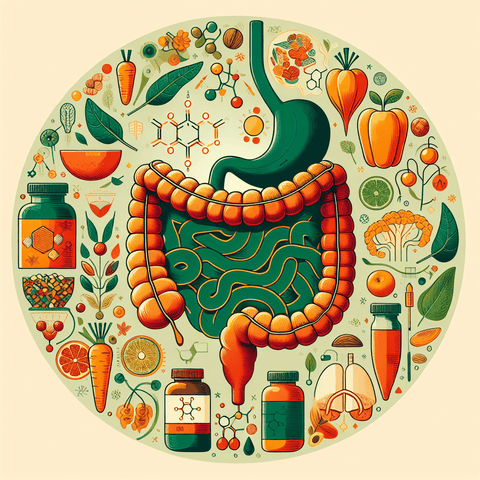
Vitamin A absorption depends on healthy fat digestion, bile production, and intestinal function. Fat malabsorption caused by conditions such as celiac disease, Crohn’s disease, or pancreatic insufficiency can reduce uptake and contribute to vitamin A deficiency symptoms. Dietary inhibitors, including excessive fiber, alcohol, phytates, oxalates, and tannins, may further lower bioavailability. Gut health issues, mineral interactions involving zinc, iron, or calcium, and nutrient competition with vitamins D, E, and K can also affect absorption and carotenoid conversion to retinol. Learn how to improve vitamin A absorption naturally by taking supplements with healthy fats, addressing digestive disorders, and using proper supplement timing.