Fatigue Deficiency: Causes, Fixes, and How to Restore Energy


Understanding Fatigue Deficiency

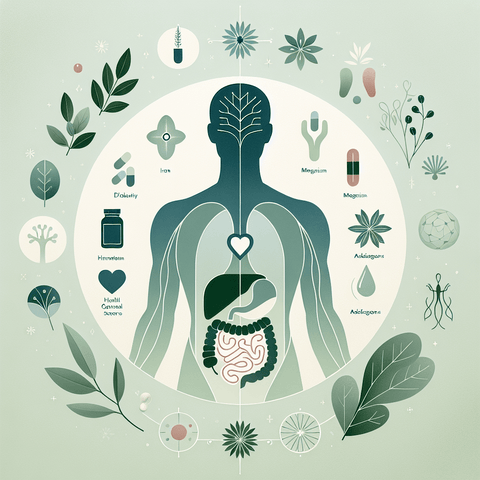
Fatigue deficiency is an escalating issue in contemporary society that can significantly impact daily vitality. This condition is often tied to the lack of essential nutrients necessary for optimal energy metabolism, such as iron, vitamin B12, and magnesium. These nutrients play vital roles in producing adenosine triphosphate (ATP) in the mitochondria, our cells' powerhouse. Insufficient levels of these nutrients can lead to anemia and cognitive decline, heightening feelings of exhaustion.

Common Symptoms to Recognize

Individuals experiencing fatigue deficiency may notice symptoms like physical weakness, cognitive difficulties, and mood fluctuations. Chronic fatigue can further lead to more serious implications, including reduced immune function and mental health challenges. To effectively tackle fatigue deficiency, it's crucial to identify whether these symptoms stem from nutritional gaps.

Testing for Nutritional Deficiencies

Consulting healthcare professionals for lab tests, such as assessing your vitamin D or magnesium levels, can provide critical insights into your health status. Recognizing that fatigue can signal deeper health issues is essential in seeking appropriate treatment. If deficiencies are confirmed, targeted supplementation, alongside lifestyle modifications like better sleep quality and stress management, can restore energy levels effectively.

An informed, comprehensive approach to addressing fatigue deficiency can empower you to reclaim your energy. For those considering supplementation, exploring resources, such as magnesium, vitamin D, and multivitamins, can be beneficial.


What deficiency causes extreme fatigue? - Topvitamine
Sep 30, 2025
Adrenal fatigue is a term used to describe exhaustion linked to chronic stress, though it's not an official medical diagnosis. This article explains the common symptoms attributed to adrenal fatigue, conditions that mimic it, and a safe protocol for managing stress and supporting energy levels. We also clarify the critical difference between adrenal fatigue and the medical condition adrenal insufficiency, including warning signs that require a doctor's attention.

Fatigue deficiency is a growing concern in modern society, affecting many of us at various stages of life. Understanding what fatigue deficiency entails—its causes, symptoms, and practical solutions—can empower you to reclaim your energy and enhance your daily vitality. This article will provide a comprehensive overview of fatigue deficiency, exploring its root causes, identifying practical remedies, and highlighting how nutritional supplements may play a role in restoring your energy levels. You’ll also discover how to navigate your options effectively using resources like Topvitamine.com.

Core explanation: What fatigue deficiency is and how energy is produced

The biology of fatigue deficiency: energy metabolism and the role of nutrients

Fatigue deficiency refers to a state where an individual feels a prolonged lack of energy and motivation, often linked to deficiencies in key nutrients that play crucial roles in our body's energy metabolism. Energy is primarily generated in the form of adenosine triphosphate (ATP), which is produced in our mitochondria, the powerhouse of our cells. Nutritional gaps—such as insufficient intake of vitamins and minerals—can impair our energy production pathways, resulting in feelings of fatigue.

Primary nutrients commonly linked to fatigue and energy levels

  • Iron/ferritin: Low levels of iron can lead to anemia, a condition where red blood cells cannot carry sufficient oxygen to tissues, causing fatigue.
  • Vitamin B12 and folate: Essential for red blood cell production and neurological function; deficiencies can lead to significant fatigue and cognitive decline.
  • Vitamin D, magnesium, and zinc: These nutrients support overall vitality; low levels may contribute to fatigue and reduced energy levels.

How lifestyle and physiology intersect with fatigue deficiency

Factors such as sleep quality, stress levels, physical activity, and underlying illnesses can affect energy levels significantly. For example, chronic stress can elevate cortisol levels, a hormone that disrupts sleep and contributes to fatigue. Meanwhile, regular physical activity can promote better sleep and stimulate energy production, highlighting the interplay between lifestyle choices and the risk of fatigue deficiency.

Why this topic matters

Real-world impact on daily life, mood, productivity, and safety

The implications of fatigue deficiency extend beyond just feeling tired; it directly impacts mood, productivity, and safety, affecting both personal and professional life. Chronic fatigue can lead to decreased quality of life, making daily tasks feel burdensome.

Long-term health implications of chronic fatigue and nutritional gaps

Sustained fatigue, especially when linked to nutritional deficiencies, can lead to significant health issues over time, including chronic illnesses, decreased immune function, and heightened mental health challenges.

Population segments with higher relevance

Certain groups such as vegetarians and vegans, older adults, and people on restrictive diets are at a higher risk for nutrient deficiencies that could lead to fatigue. Understanding the unique nutritional needs within these populations can help mitigate fatigue deficiency.

Related symptoms, signals, or health implications

Common fatigue-related symptoms to recognize

Fatigue can manifest in various ways:

  • Physical: Weakness, low stamina, headaches.
  • Cognitive: Brain fog, difficulty concentrating, memory lapses.
  • Mood and sleep interactions: Irritability, restless sleep, excessive daytime sleepiness.

Objective signals your body may show

Some objective signs may hint at nutrient deficiencies: lab markers such as ferritin, hemoglobin levels, and Vitamin B12 levels can provide insight into your energy status. Other subtle indicators might include persistent fatigue unrelieved by rest or obvious dietary gaps.

When fatigue signals something more serious

It’s crucial to recognize when fatigue may indicate a more serious health issue, such as sleep disorders, thyroid dysfunction, or chronic infections. Persistent fatigue not alleviated by rest should prompt a conversation with a healthcare provider.

Individual variability and uncertainty

Why nutrient needs vary across individuals

Nutrient requirements can differ between individuals due to factors such as genetics, age, sex, menstrual status, and existing health conditions. Personalized nutrition becomes vital in addressing fatigue deficiency effectively.

How genetics and gut health influence fatigue and nutrient status

Genetic variants can affect how nutrients are metabolized and absorbed. Additionally, gut health plays a critical role; a well-balanced microbiota can enhance nutrient absorption, while dysbiosis may lead to energy deficiencies.

Uncertainty in the evidence base

The research surrounding nutrient deficiencies and fatigue can be inconsistent, as studies vary in design and results. Variables such as individual response and lifestyle can lead to differing outcomes, adding to the complexity of addressing fatigue deficiency.

Why symptoms alone do not reveal the root cause

The risk of assuming fatigue equals a deficiency based on feelings alone

Fatigue can arise from numerous factors, not just nutrient deficiencies. Relying solely on subjective feelings can lead to misdiagnosis and ineffective treatment.

The importance of objective testing and clinical context

Lab tests can provide critical information about potential deficiencies. Understanding your clinical context can further guide the right interventions, making testing a crucial step when investigating fatigue.

Differential diagnosis: conditions that mimic fatigue or mask underlying issues

Conditions such as sleep disorders, thyroid dysfunction, depression, and chronic infections can display fatigue as a symptom, necessitating a thorough investigation to differentiate them from fatigue deficiency.

The role of nutritional supplements in this topic

What nutritional supplements can and cannot do for fatigue deficiency

Nutritional supplements can effectively address confirmed deficiencies, but they are not a guaranteed solution for all types of fatigue. They should be considered as part of a broader strategy, including lifestyle modifications.

Evidence snapshot for commonly used fatigue-related supplements

Supplements like iron, B12, folate, vitamin D, and magnesium have shown efficacy in certain populations for addressing fatigue-related deficiencies, but individual responses may vary. It's essential to approach supplementation with care and not rely solely on them for energy restoration.

Safety, quality, and practical considerations

When choosing supplements, be cautious of overdosing. For example, iron supplementation should be reserved for individuals with confirmed deficiencies, as excess can be harmful. Always consider safety interactions with medications.

The limits of guessing and the need for targeted use

Supplements are most useful when used strategically, based on clear symptoms and test results. A methodical approach will yield the best outcomes for addressing fatigue deficiency.

How nutritional supplements could support

Targeted supplementation based on individual needs

Focusing on specific deficiencies rather than resorting to generalized supplementation is key. Personalized assessments can inform more effective choices.

Complementing lifestyle changes for energy restoration

In tandem with supplementation, adopting better sleep hygiene, maintaining a balanced diet, staying hydrated, engaging in regular physical activity, and managing stress can all contribute to increased energy levels.

Practical guidance for starting supplements

Initiate supplementation at recommended doses, monitor for any changes in energy levels, and reassess after a set period. Keeping a log of your experiences can be helpful for future reference.

Monitoring and re-evaluation

Tracking your response to supplements and recognizing when adjustments are needed is vital. If fatigue persists, consulting a healthcare provider to explore further avenues is advisable.

Decision-support section: When nutritional supplements make sense

Clear criteria for considering supplementation

Consider supplementation when documented deficiencies are present, particularly for those at high risk, such as individuals with dietary restrictions or enduring fatigue despite other lifestyle optimizations.

Scenarios where supplements are appropriate vs. not advisable

  • Appropriate: Lab-confirmed deficiencies, individuals with poor dietary intake, and those in specific life stages like pregnancy.
  • Cautionary: Absence of clear deficiency, potential for interactions with other supplements or medications, or underlying conditions requiring medical assessment.

How to integrate supplementation with professional guidance

Engage with healthcare professionals or dietitians for advice on supplementation. A coordinated approach that includes lab tests can help tailor a plan that effectively addresses fatigue deficiency.

Conclusion: Linking fatigue deficiency insights to buying supplements on Topvitamine.com

Why Topvitamine offers relevant, evidence-informed options

Topvitamine.com provides a carefully curated selection of supplements designed to support energy needs. With a focus on quality and safety, you’ll find products aligned with your nutritional requirements.

How to choose products on Topvitamine

When searching for supplements, prioritize options with third-party testing, bioavailable forms of nutrients, dosing aligned with established guidelines, and clear labeling.

Next steps for readers

Start with a comprehensive health assessment or lab testing where appropriate. If deficiencies or gaps are identified, consider developing a targeted supplement plan alongside exploring Topvitamine’s offerings.

Final takeaway

Fatigue deficiency signals the need for a thoughtful approach rather than a quick-fix solution. A personalized strategy that includes testing, lifestyle modifications, and targeted supplementation can provide a pathway to restored energy levels, with Topvitamine serving as a valuable resource for educators.

Key Takeaways

  • Fatigue deficiency is often rooted in nutritional gaps impacting energy metabolism.
  • Key nutrients linked to fatigue include iron, vitamin B12, folate, vitamin D, magnesium, and zinc.
  • Individual lifestyle factors, such as stress and sleep quality, can amplify fatigue symptoms.
  • Recognizing common and subtle symptoms can prompt appropriate action.
  • Not all fatigue is due to nutrient deficiencies; proper diagnostic testing is essential.
  • Nutritional supplements should be used strategically based on confirmed deficiencies.
  • Monitoring and re-evaluating the effectiveness of supplements is critical.
  • Engaging with healthcare providers ensures supplementation aligns with individual health needs.
  • Topvitamine.com offers a range of high-quality supplements tailored to support energy restoration.
  • A comprehensive approach blending testing, lifestyle, and targeted supplementation is key to combating fatigue deficiency.

Q&A Section

1. What is fatigue deficiency?

Fatigue deficiency refers to a persistent lack of energy often linked to nutritional gaps that impair energy metabolism. It can manifest in various physical and cognitive symptoms.

2. What are the signs of fatigue deficiency?

Common symptoms include physical weakness, cognitive difficulties (like brain fog), mood changes, and sleep disturbances that do not improve with rest.

3. How can I identify if I have a nutrient deficiency?

Consulting healthcare professionals for specific lab tests can help identify deficiencies. Common markers include ferritin, hemoglobin, vitamin B12, and vitamin D levels.

4. Can I treat fatigue without supplements?

Yes, lifestyle modifications such as improving sleep quality, managing stress, and maintaining a balanced diet can also enhance energy levels without the use of supplements.

5. Are there risks associated with taking supplements?

Yes, overdosing or taking the wrong supplements without guidance can lead to adverse effects. It is essential to consult with a healthcare provider before starting any new supplements.

6. How long does it take to feel the effects of supplements for fatigue?

It can vary depending on the individual and the nutrient involved. Many people may start noticing improvements within a few weeks, while others may require longer-term use.

7. Are there differences in nutrient needs across different populations?

Yes, factors such as age, sex, dietary habits, and overall health status can significantly influence individual nutrient needs, making personalized approaches essential.

8. Can fatigue be a symptom of something more serious?

Absolutely, fatigue may indicate underlying health conditions, including sleep disorders, hormonal imbalances, or chronic infections, necessitating medical evaluation.

9. Can I take multiple supplements at once?

Taking multiple supplements is possible, but it should be done cautiously. Interaction among supplements and with medications should be considered, ideally under professional guidance.

10. How does gut health impact nutrient absorption?

A well-functioning gut microbiome is essential for efficient nutrient absorption. Poor gut health can lead to malabsorption and contribute to nutrient deficiencies, impacting energy levels.

11. How should I start a supplementation routine?

Starting with a targeted plan based on lab results and specific symptoms is advisable. Gradually introduce supplements, noting any changes or side effects.

12. Where can I find reliable supplements for fatigue?

Topvitamine.com is a valuable resource for exploring high-quality, evidence-informed supplements designed to address fatigue and support overall health.

Keywords

fatigue deficiency, energy deficiency, iron deficiency fatigue, B12 fatigue, vitamin D fatigue, magnesium fatigue, ferritin, energy metabolism, nutritional supplements, symptoms of fatigue, nutrient needs, fatigue management.