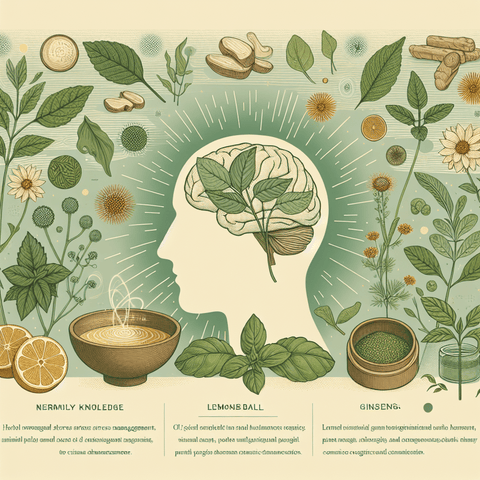
Fatigue Recovery Plants: Natural Energy Boosters
Summary of Fatigue Recovery Plants
Fatigue recovery plants are natural herbs and adaptogens recognized for their potential to enhance energy levels and combat exhaustion. These plants, including Rhodiola rosea and Ashwagandha, modulate the body's stress response, improve resilience, and promote overall well-being. The efficacy of these fatigue recovery plants varies among individuals due to genetic factors and lifestyle choices, highlighting the need for personalized approaches in their use.
This guide emphasizes the importance of a holistic assessment of fatigue, as symptoms alone may not reveal underlying causes. Integrating these plants with lifestyle changes such as improved nutrition, adequate sleep, and stress management can amplify their benefits. For instance, micronutrients like magnesium and vitamin D play important roles in energy production and can complement the effects of fatigue recovery plants.
While evidence surrounding these plants is growing, it’s crucial to approach the use of nutritional supplements thoughtfully. Consulting healthcare professionals ensures safe and effective integration into routines, enhancing energy management and overall vitality. For further exploration, consider checking out various well-researched options for fatigue recovery, which can support your journey toward improved energy and wellness.
In today's fast-paced world, fatigue has become a common struggle for many individuals. "Fatigue recovery plants" signify an array of natural remedies that encompass herbs and adaptogens aimed at replenishing energy and combating exhaustion. This guide will explore the science behind these plants, their potential benefits in promoting vitality, and how to integrate them into your daily routine as nutritional supplements safely and effectively.
Introduction: fatigue recovery plants and the energy-boosting landscape
What “fatigue recovery plants” means in today’s wellness context
Fatigue recovery plants refer to a subset of natural herbs and plant-based compounds specifically recognized for their ability to enhance energy levels, improve resilience against stress, and support overall well-being. These plants often include adaptogens, known for their unique capacity to help the body adapt to physical and emotional stressors.
What readers will gain from this guide
This comprehensive guide provides insights into fatigue recovery plants, including their mechanisms, benefits, and individual variability in response. Readers will learn to identify supplements that may support their energy management while acknowledging the importance of consulting with health professionals for personalized care.
Core explanation: what are fatigue recovery plants?
Defining fatigue recovery plants and adaptogens
Fatigue recovery plants are primarily classified as herbs and botanicals that are believed to alleviate fatigue and enhance energy levels. Among them, adaptogens stand out, functioning by modulating the body’s stress response and promoting homeostasis. They help restore balance in the body, potentially countering the effects of chronic stress.
How these plants are thought to work
These plants support energy metabolism, regulate stress response, and provide antioxidant protection. Adaptogens are posited to enhance adrenal function, influence stress hormones such as cortisol, and improve mitochondrial efficiency, allowing cells to generate more energy efficiently.
Common examples and quick snapshots
- Rhodiola rosea: Known for enhancing endurance and reducing fatigue.
- Ashwagandha: Traditionally used to combat stress and enhance overall vitality.
- Panax ginseng: Often utilized for boosting energy levels and improving cognitive function.
- Eleutherococcus senticosus: Commonly referred to as Siberian ginseng; believed to enhance stamina and reduce fatigue.
- Schisandra: Known for its ability to increase resistance to stress and enhance physical performance.
- Maca: Traditionally used to enhance energy and stamina.
Brief note on the strength and limits of current evidence
The body of research surrounding fatigue recovery plants is growing, but evidence varies in strength and quality. While many studies indicate positive effects, further rigorous clinical trials are essential to support claims definitively.
Why this topic matters
The modern fatigue phenomenon: busy lives, disrupted sleep, chronic stress
Today's lifestyles are often characterized by high demands, insufficient sleep, and elevated stress levels. Such factors contribute significantly to widespread fatigue, creating a pressing need for effective management strategies.
Potential role of plant-based options in daily energy, resilience, and mood
Incorporating fatigue recovery plants into daily routines may foster improved energy, resilience to stress, and mood elevation, complementing other health strategies such as adequate sleep, nutrition, and exercise.
The balance between natural supports and broader lifestyle factors
While these plants can offer supportive benefits, their effectiveness is often enhanced when combined with comprehensive lifestyle adjustments, including nutrition, rest, and stress management practices.
Related symptoms, signals, or health implications
Physical fatigue vs. mental/cognitive fatigue and “brain fog”
Fatigue can manifest as physical exhaustion or cognitive impairment. Mental fatigue, including "brain fog," can hinder focus and productivity, emphasizing the need for both physical and mental rejuvenation.
Associated signals: sleep quality, stress levels, mood shifts, motivation
Fatigue is often accompanied by poor sleep quality, heightened stress levels, mood fluctuations, and decreased motivation, which can perpetuate a cycle of exhaustion.
Health conditions that can masquerade as fatigue
Several underlying health issues—such as anemia, thyroid dysfunction, sleep disorders, hormonal imbalances, and depression—can present as fatigue. Recognizing these conditions is vital for effective management and treatment.
Individual variability and uncertainty
Why people respond differently to fatigue recovery plants
Individual responses to fatigue recovery plants can vary significantly due to genetic factors, lifestyle, overall health, and unique biology, leading to different effectiveness levels.
Variability in herbal quality, dosing, preparation, and duration of use
The quality of herbs, including their preparation methods and dosages, will also impact their efficacy. Fractured research and varying commercial practices necessitate caution in selection and use.
Uncertainty in evidence
While some studies show promising results regarding fatigue recovery plants, others yield inconsistent findings, indicating that further research is required to fully understand their impact and mechanisms.
Why symptoms alone do not reveal the root cause
The risk of misattributing fatigue to a single cause
Fatigue is a symptom that can stem from various sources. Misattributing it solely to lifestyle factors, without considering underlying medical conditions, can hinder effective solutions.
The value of a holistic assessment
A holistic assessment—including sleep patterns, nutritional intake, medical history, and potential medication interactions—can provide invaluable insight into the multifaceted nature of fatigue.
When to seek professional evaluation
Individuals experiencing persistent fatigue should consider professional evaluation to rule out underlying health conditions, with fatigue recovery plants potentially serving as adjunct support in the healing process.
The role of nutritional supplements in this topic
How supplements can support fatigue management
Nutritional supplements may provide a practical approach to managing fatigue, filling gaps when dietary intake falls short and complementing efforts toward enhancing sleep, diet, and activity levels.
The distinction between symptom relief and treating root causes
While supplements can alleviate symptoms, they are not intended to treat underlying conditions. It is essential to address root causes alongside symptom management strategies.
Important cautions
Individuals should remember that nutritional supplements do not replace professional medical treatment. Always consult with a healthcare provider when considering new supplement regimens.
How nutritional supplements could support fatigue recovery
Mechanisms to look for
When exploring supplements, focus on those that modulate stress responses, support mitochondrial function, provide antioxidant protection, and replenish essential micronutrients to address fatigue-related challenges.
Specific supplement categories to consider
- Adaptogens: Such as Rhodiola, Ashwagandha, Panax ginseng, Schisandra, and Eleutherococcus hold promise in reducing fatigue and enhancing resilience.
- Micronutrients often linked to fatigue: Nutrients like iron (for deficiency), vitamin B12, vitamin D, magnesium, zinc, and selenium are critical for energy production.
- Cognitive and energy-support blends: Nootropics and herbal blends that include substances like caffeine and L-theanine or green tea extracts can support cognitive clarity and energy levels.
Evidence snapshot and practical interpretation
Understanding the robustness of the evidence is crucial. While some adaptogens and micronutrients have a solid research base, others remain exploratory, underscoring the importance of informed decision-making.
Decision-support: when nutritional supplements make sense
Criteria for considering fatigue-related supplements
- Persistent or chronic fatigue lasting weeks to months despite adequate sleep and nutrition.
- Diagnosed or suspected micronutrient gaps or deficiencies.
- High stress, irregular schedules, or demanding physical/mental workloads.
- Interest in integrating plant-based options alongside lifestyle changes.
How to approach a trial
Start with low-risk, well-studied ingredients. Set a defined trial period, ideally 4 to 8 weeks, and track changes in symptoms; adjustments may be necessary based on individual responses.
When to discontinue or seek medical advice
If fatigue worsens or new symptoms arise, or if there are signs of a medical condition, individuals should seek medical evaluation. Additionally, be vigilant about potential interactions with medications or existing health conditions.
Safety, quality, and practical usage considerations
Safety fundamentals for fatigue-related supplements
Understanding dosage recommendations, duration of use, and potential interactions is essential to ensure safety when using fatigue recovery plants to manage symptoms.
Product quality signals to look for
Opt for transparent products, checked through third-party testing and containing standardized extracts to ensure quality, safety, and efficacy.
Common pitfalls
Avoid proprietary blends that obscure ingredient quantities, as well as products making overstated claims with inconsistent dosing, which can result in unreliable effects.
Practical guidance: choosing and using fatigue recovery plant supplements
A phased approach to selection and use
- Phase 1: Identify gaps and goals; select 1 to 2 well-supported products.
- Phase 2: Establish a routine with clear timing, such as morning use or taking with meals.
- Phase 3: Monitor progress, adjust if needed, and cycle usage periodically.
Dosing cues and timing tips
Refer to typical dosing ranges for popular adaptogens and micronutrients while considering personal tolerability and sleep patterns to optimize results.
Integrating with lifestyle changes for best results
Enhancing sleep hygiene, maintaining a balanced diet, hydrating adequately, engaging in regular physical activity, and applying stress management techniques will amplify the benefits of supplements.
Tracking progress effectively
Utilize fatigue diaries, sleep logs, mood ratings, and performance markers to better understand how fatigue recovery plants influence your overall energy levels and daily functioning.
How Topvitamine.com fits into the fatigue recovery journey
Why choose Topvitamine for fatigue-related supplements
Topvitamine offers a curated selection of high-quality supplements that specifically target energy and fatigue recovery, ensuring consumers can confidently choose reliable options.
What kinds of products you’ll find
Explore a variety of offerings, including adaptogens, essential vitamins and minerals, and energy-support blends tailored to address fatigue and energy needs.
How to compare products
When shopping, assess product details such as label clarity, ingredient lists, dosing information, and quality certifications to ensure informed choices.
Practical tips for searching on Topvitamine
Utilize recommended search terms, filters, and customer reviews to navigate extensively curated products that meet your specific needs.
Conclusion: connecting the topic to buying nutritional supplements on Topvitamine.com
Recap: fatigue recovery plants as a potential support, not a diagnosis
Fatigue recovery plants represent a promising natural approach to managing energy levels. However, they should complement rather than replace comprehensive health assessment and care.
Takeaway on uncertainty and personalized use
Recognizing the variability in supplement efficacy among individuals highlights the importance of personalized trial and evaluation. Take your time to find what works best for your unique body and lifestyle.
Final invitation to explore vetted fatigue-support products on Topvitamine
Visit Topvitamine to discover a range of vetted fatigue-support products thoughtfully selected to aid in your journey toward enhanced energy and vitality.
Key Takeaways
- Fatigue recovery plants include herbs and adaptogens that may enhance energy and resilience.
- Their efficacy varies by individual, quality of the product, and surrounding lifestyle factors.
- A holistic assessment of fatigue is crucial; symptoms alone may not reveal the underlying cause.
- Nutritional supplements can support fatigue management when used alongside thoughtful lifestyle practices.
- Start with low-risk, well-studied adaptogens and micronutrients, tracking progress effectively.
- Explore Topvitamine for quality products tailored to fatigue recovery needs.
Q&A Section
1. What are fatigue recovery plants?
Fatigue recovery plants refer to a variety of herbs and adaptogens known for their potential to enhance energy levels and alleviate fatigue, helping individuals adapt to stress and improve overall well-being.
2. How do adaptogens work?
Adaptogens help the body cope with stress by modulating the hypothalamic-pituitary-adrenal (HPA) axis, balancing hormones like cortisol, and improving energy metabolism within cells.
3. Are there any risks associated with using fatigue recovery plants?
While generally considered safe for most people, some individuals may experience side effects or interactions with medications. Consulting a healthcare professional is recommended before starting any new supplements.
4. How can I integrate fatigue recovery plants into my routine?
Start gradually by choosing 1 to 2 well-researched supplements, incorporating them into your daily routine, and monitoring your energy levels and overall well-being over several weeks.
5. What lifestyle factors should be considered alongside supplements?
Prioritize sleep quality, balanced nutrition, regular exercise, and effective stress management strategies. Addressing these areas enhances the success of any supplement regimen.
6. What common health conditions can lead to fatigue?
Health conditions such as anemia, thyroid disorders, sleep disorders, hormonal imbalances, and depression can contribute significantly to fatigue and should be evaluated by a healthcare provider.
7. How do supplements differ from medications?
Supplements aim to support health and well-being, while medications are typically prescribed to treat specific conditions or symptoms. Supplements should not replace medical treatment when necessary.
8. How quickly can one expect results from fatigue recovery plants?
Individual responses vary, but some people may notice improvements in energy levels within a few days to a couple of weeks, depending on the supplement and its effects on their unique physiology.
9. What is the role of micronutrients in energy production?
Micronutrients, such as iron, vitamin B12, magnesium, and vitamin D, are essential for various biochemical processes that facilitate energy production at the cellular level. Deficiencies can lead to fatigue.
10. How should I select a product from Topvitamine?
Prioritize products with clear labeling, high-quality standards, third-party testing certifications, and favorable customer reviews to ensure effective and reliable choices.
11. Can fatigue recovery plants interact with medications?
Yes, some supplements may interact with prescription medications. It's essential to consult your healthcare provider regarding any potential interactions before starting any new supplement.
12. What is the best way to track my progress when using these supplements?
Maintain a fatigue diary, noting energy levels, mood changes, and overall well-being to help assess the impact of fatigue recovery plants and guide further adjustments.
Keywords
fatigue recovery plants, adaptogens, natural energy boosters, nutritional supplements, fatigue management, herbal remedies, energy metabolism, stress response, micronutrients, holistic assessment