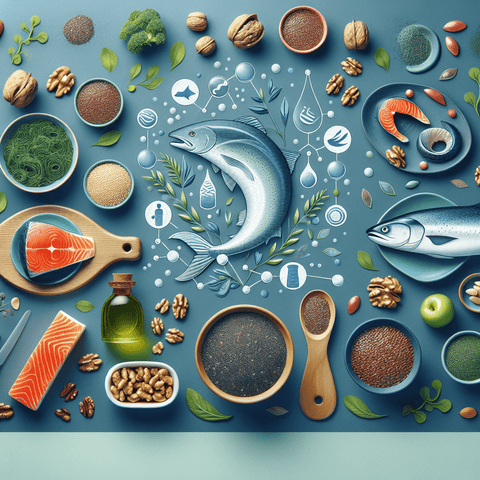
Fish oil sources are the foods and oils that provide the long-chain omega-3 fatty acids EPA (eicosapentaenoic acid) and DHA (docosahexaenoic acid), nutrients with well-established roles in cardiovascular health. This guide explains which fish and other foods supply the most omega-3s, how much you need, how farming and cooking affect nutrient content, and when supplements may be worth considering. It also covers safety issues such as mercury, oxidation, and high-dose risks so you can make an informed choice about food and supplementation.
What Are the Best Natural Sources of Omega-3 Fatty Acids?
Defining Fish Oil and Omega-3s (EPA and DHA)
Fish oil is the fat extracted from oily fish, and it is especially rich in EPA and DHA. These are long-chain omega-3 fatty acids, distinct from ALA (alpha-linolenic acid), the shorter-chain omega-3 found in flaxseed, chia, walnuts, and some plant oils. The phrase “fish oil sources” is sometimes used broadly to include both fish and concentrated supplements, but the most practical question is how much EPA and DHA a food or product provides per serving. That amount varies widely between species, cuts, preparation methods, and product formulations.
Why Your Body Needs EPA and DHA
EPA and DHA are structural components of cell membranes and precursors to signaling molecules involved in inflammation and vascular function. DHA is particularly concentrated in the retina and brain, while both fatty acids influence membrane fluidity and cellular communication. The body can convert small amounts of ALA into EPA and DHA, but the process is inefficient and variable. This is why direct dietary sources of EPA and DHA—mainly oily fish and algae—receive so much attention in nutrition guidance.
Why Omega-3s Matter for Heart Health
How Omega-3s Support Cardiovascular Function
Clinical research shows that EPA and DHA can lower blood triglycerides, especially at higher intakes, and may modestly reduce blood pressure. They also influence platelet function, inflammation, and heart rhythm, although effects on heart attack and stroke risk are mixed across trials. Omega-3s are not a substitute for blood pressure medication, cholesterol treatment, or other cardiovascular care. Their role is best understood as nutritional support within an overall heart-healthy diet and lifestyle.
The Difference Between EPA and DHA in Heart Health
Both EPA and DHA contribute to cardiovascular health, but they are not identical. EPA is more directly linked to anti-inflammatory signaling, while DHA is a major membrane component and may have different effects on heart rate and lipid metabolism. Some high-dose EPA-only preparations have shown benefits in selected patient groups, but those findings should not be generalized to everyone. Evidence does not establish one fatty acid as universally superior for heart health; total EPA plus DHA intake, overall diet, and individual risk factors matter more.
Top Fish Oil Sources: The Most Omega-3 Rich Fish
Fatty Fish Highest in EPA and DHA
Oily fish are the richest natural food sources of EPA and DHA. Approximate amounts per 100 g cooked fish vary by species, season, and feed, but common choices include:
- Salmon: often around 1.5–2.5 g EPA+DHA per 100 g
- Mackerel: often around 1.5–2.5 g per 100 g
- Sardines: often around 1–1.5 g per 100 g
- Anchovies: often around 1–1.5 g per 100 g
- Herring: often around 1.5–2 g per 100 g
- Rainbow trout: often around 0.8–1.2 g per 100 g
- Tuna: varies widely; canned light tuna is usually lower than fatty fish
These figures are approximate. Food databases and product labels can differ, so use them as a guide rather than a precise prescription.
How Much Omega-3 Do You Get Per Serving?
A typical 150 g serving of salmon or mackerel can provide roughly 2–3 g of EPA and DHA, while a similar serving of sardines or trout may provide around 1–1.5 g. Two servings of fatty fish per week can therefore supply meaningful amounts without relying on supplements. Smaller portions still count, and canned fish can be a convenient way to reach these servings. The key is consistency rather than occasional very large portions.
Canned vs. Fresh Fish: Nutrient Differences
Canned fish can be a good source of omega-3s, although processing and draining may reduce amounts somewhat compared with fresh or frozen fish. Canned salmon, sardines, and mackerel are often excellent choices, and canned salmon with bones also provides calcium. Canned tuna is leaner and generally lower in EPA and DHA than oily fish. Check labels for added salt and choose water-packed or olive-oil-packed products according to your preferences and overall diet.
Non-Fish Food Sources of Omega-3s
Plant-Based ALA Sources (Flaxseed, Chia, Walnuts)
Plant foods provide ALA rather than EPA and DHA. Good sources include ground flaxseed, flaxseed oil, chia seeds, walnuts, hemp seeds, and soy products. These foods are nutritious and can contribute to a healthy diet, but ALA is not equivalent to fish oil. For broader nutrient-dense food choices, this superfoods guide covers several plant foods with documented nutrient roles.
Can Your Body Convert ALA to EPA and DHA?
Conversion occurs, but it is limited. Research suggests that only a small percentage of ALA is converted to EPA, and conversion to DHA is even lower and highly variable between individuals. Genetics, sex, diet, and overall nutritional status can influence this process. Plant ALA sources are valuable, but they are not a reliable sole substitute for direct EPA and DHA sources, especially for people who avoid fish entirely.
Algae: The Plant-Based Source of DHA
Algae and algae oil are direct plant-based sources of DHA, and some formulations also provide EPA. They are suitable for vegetarians and vegans and do not carry the fishy taste associated with fish oil. Algae oil can raise blood DHA levels, and it is increasingly used in supplements and fortified foods. For people who do not eat fish, algae oil is often the most practical direct source of DHA.
Factors That Influence Omega-3 Content in Fish
Wild-Caught vs. Farmed Fish
Omega-3 content depends more on the fish’s diet than on whether it is wild or farmed. Farmed salmon is often higher in total fat and EPA+DHA because of formulated feed, while wild fish may be leaner and more variable. Both can be part of a healthy diet. Contaminant levels differ by species and location, but commonly eaten salmon, sardines, and trout are generally low-mercury choices. Cost, availability, and sustainability may be more practical deciding factors than wild-versus-farmed labels alone.
How Preparation Methods Affect Nutrient Retention
Baking, steaming, poaching, and grilling generally preserve omega-3s well. Deep-frying can add unhealthy fats and may cause some fatty acid loss, especially if the oil is overheated or reused. Overcooking can also reduce moisture and alter texture without necessarily destroying all omega-3s. Canned and retorted fish remain useful sources, although some oil and liquid may be lost during draining. How often you eat fish matters more than perfecting every cooking method.
Mercury and Contaminant Considerations for Fish Choice
Most oily fish that are rich in omega-3s are also low in mercury, including salmon, sardines, anchovies, herring, and trout. Larger predatory fish—such as shark, swordfish, king mackerel, tilefish, and bigeye tuna—can contain more mercury and should be limited, especially during pregnancy and childhood. National guidance varies, so pregnant women and parents of young children should follow local recommendations. Choosing smaller, shorter-lived fish is generally a practical way to reduce contaminant exposure while obtaining omega-3s.
How Much Omega-3 Do You Really Need?
General Intake Recommendations for Healthy Adults
EFSA considers an adequate intake of 250 mg per day of EPA plus DHA for healthy adults. Many heart-health organizations recommend at least two servings of fatty fish per week, which roughly corresponds to 250–500 mg per day depending on the fish. Pregnancy guidance often emphasizes 200–300 mg of DHA daily, but local recommendations vary. These are general intake targets, not individualized medical prescriptions.
Signs Your Diet May Be Low in Omega-3s
There are no specific, reliable symptoms that prove low omega-3 status. Fatigue, dry skin, or poor concentration can have many causes and should not be used to self-diagnose a deficiency. A more useful approach is to review how often you eat oily fish, algae, or EPA/DHA-fortified foods. In clinical or research settings, blood omega-3 measurements can provide additional information, but they are not routine for most healthy adults.
Best Ways to Increase Fish Intake in Your Weekly Diet
Practical options include adding canned sardines or salmon to salads, using mackerel on toast, choosing salmon burgers or fish tacos, and keeping frozen fish portions for quick meals. Two small servings per week may be more achievable than one large meal. For people who dislike fish, algae oil or fortified foods can help fill the gap. Supplements are not automatically necessary if dietary intake is already adequate.
When Food Alone Isn't Enough: Considering Omega-3 Supplements
Supplements are most relevant when dietary intake of EPA and DHA is low, when requirements may be increased, or when food choices are restricted. They are not a routine requirement for everyone, and they do not replace a heart-healthy diet. A supplement can be a practical bridge, but the decision should depend on actual intake, tolerance, safety, and personal circumstances.
People Who May Struggle to Meet Needs Through Diet Alone
People who rarely eat fish, vegetarians and vegans who do not use algae oil, and some pregnant women who need a reliable DHA source may benefit from supplementation. Older adults with low overall food intake and people with certain gastrointestinal conditions that affect fat absorption may also be more likely to have inadequate intake. This does not mean everyone in these groups needs a supplement; it means the diet should be assessed first.
Algae Oil vs. Fish Oil: Which Is Right for You?
Algae oil is suitable for vegan and vegetarian diets and provides DHA, sometimes with EPA. Fish oil typically provides both EPA and DHA in higher concentrations and is often less expensive per gram of omega-3. Both can be effective. The better choice depends on dietary preferences, EPA versus DHA needs, tolerance, sustainability considerations, and label quality. If you choose a supplement, compare the actual EPA and DHA content rather than the total fish oil weight.
How to Choose a Quality Fish Oil Supplement
Look for products that state EPA and DHA amounts per serving, use third-party testing, and provide freshness or oxidation data. Reputable programs include IFOS, USP, and NSF certification. Check for allergens and suitability for your diet, and avoid products with vague labels or unpleasant rancid odors. If you are comparing options, this EPA and DHA supplement collection can help you review formulations and concentrations.
What to Look for on an Omega-3 Supplement Label
Understanding EPA and DHA Concentrations
A bottle may say “1,000 mg fish oil,” but that does not mean it contains 1,000 mg of EPA and DHA. A typical 1,000 mg fish oil softgel might provide only 300 mg of combined EPA and DHA, while concentrated products may provide much more. Compare the EPA and DHA amounts per serving, not the total oil weight. Also check how many capsules or teaspoons make up one serving.
Triglyceride vs. Ethyl Ester Forms
Fish oil supplements are commonly sold in triglyceride or ethyl ester forms. Triglyceride is the natural form found in fish, while ethyl ester is a concentrated form produced during processing. Some evidence suggests triglyceride forms may be slightly better absorbed, especially when taken without food, but ethyl ester products are also effective, particularly when taken with a meal containing fat. The differences are modest, and overall EPA/DHA dose and product quality matter more than form alone.
Purity, Freshness, and Third-Party Testing
Omega-3 fats are vulnerable to oxidation, which can cause rancidity and reduce quality. Choose products with clear freshness measures, such as peroxide value or TOTOX limits, and third-party testing for contaminants and label accuracy. Store supplements in a cool, dark place and follow the label’s storage instructions. A strong fishy odor or repeated burping may indicate poor freshness or simply poor tolerance, but it is worth checking product quality.
Are There Downsides to Omega-3 Supplements?
Potential Side Effects and Upper Intake Levels
Common side effects include fishy aftertaste, burping, nausea, and loose stools. High-dose supplementation—generally above 3 g per day of EPA plus DHA—may increase bleeding risk and has been associated with a higher risk of atrial fibrillation in some trials. There is no established upper intake level for omega-3s in the same way as some vitamins, but that does not mean very high doses are risk-free. More is not necessarily better.
Interactions with Medications and Pre-Existing Conditions
Omega-3 supplements may interact with anticoagulants and antiplatelet medications, including warfarin, heparin, clopidogrel, and aspirin. People with bleeding disorders or upcoming surgery should discuss omega-3 supplements with their healthcare professional. Fish allergy is another consideration, although highly purified fish oil may be tolerated by some people; this should be assessed individually. Pregnancy and breastfeeding warrant guidance on both food and supplement choices.
When to Consult a Healthcare Professional
Consult a qualified professional before using high-dose omega-3 supplements, if you take blood-thinning medication, have a bleeding disorder, are preparing for surgery, or have a medical condition affecting fat absorption. Pregnant and breastfeeding women should also seek individualized advice. A healthcare professional can help distinguish nutritional support from medical treatment and can assess whether testing is appropriate.
Final Takeaway: Balancing Diet and Supplementation for Omega-3s
The best fish oil sources are oily fish such as salmon, mackerel, sardines, anchovies, herring, and trout, with algae oil providing a plant-based alternative for DHA. Most healthy adults can meet general omega-3 targets by eating fatty fish twice weekly or using fortified foods and algae oil. Supplements may be helpful when dietary intake is low or requirements are increased, but they should be chosen carefully and used within safe limits. Individual needs vary with diet, age, pregnancy, medication use, and health status, so food-first choices and professional advice remain the foundation of sensible omega-3 nutrition.
Key Takeaways
- Oily fish such as salmon, mackerel, sardines, anchovies, herring, and trout are the richest natural sources of EPA and DHA.
- Plant foods like flaxseed, chia, and walnuts provide ALA, which converts to EPA and DHA inefficiently.
- Algae oil is a direct plant-based source of DHA and is suitable for vegan diets.
- General adult guidance suggests about 250 mg per day of EPA plus DHA, or two servings of fatty fish weekly.
- Canned fish can be a convenient omega-3 source, but lean tuna is lower in EPA and DHA than oily fish.
- Wild and farmed fish can both be nutritious; feed, species, and preparation affect omega-3 content.
- Choose low-mercury fish such as salmon, sardines, and trout, and limit large predatory fish.
- Supplements are useful for some people but are not automatically necessary when diet is adequate.
- Check EPA and DHA amounts per serving, third-party testing, and freshness when choosing a supplement.
- High-dose omega-3 supplements may increase bleeding risk and have been linked to atrial fibrillation in some trials.
Frequently Asked Questions
What are the best fish oil sources?
The best natural sources are oily fish such as salmon, mackerel, sardines, anchovies, herring, and trout. Algae oil is the main plant-based source of DHA. Supplements can also provide EPA and DHA, but food sources should be considered first.
How much omega-3 is in a serving of salmon?
A 100 g cooked serving of salmon often provides roughly 1.5–2.5 g of EPA and DHA, depending on the species and whether it is wild or farmed. A typical 150 g portion may therefore supply around 2–3 g. Values vary, so food databases and labels are useful references.
Is canned fish as good as fresh fish for omega-3s?
Canned fish can be a good source of omega-3s, especially canned salmon, sardines, and mackerel. Processing may reduce amounts slightly compared with fresh fish, but canned options remain convenient and nutritious. Watch for added salt and choose water- or olive-oil-packed products as needed.
Can vegetarians get enough omega-3s?
Vegetarians and vegans can obtain ALA from flaxseed, chia, walnuts, and hemp, but conversion to EPA and DHA is limited. Algae oil provides a direct DHA source and is often the most practical option. A dietitian can help assess whether intake is adequate.
How much EPA and DHA do adults need per day?
EFSA considers 250 mg per day of EPA plus DHA adequate for healthy adults. Many organizations recommend at least two servings of fatty fish weekly, which is roughly consistent with this target. Individual needs may be higher during pregnancy or for specific health reasons.
Do I need to take fish oil supplements?
Not necessarily. If you eat oily fish regularly or use algae oil or fortified foods, supplements may be unnecessary. They are most relevant when dietary intake is low or requirements are increased. A healthcare professional can help you decide.
Which is better, fish oil or algae oil?
Both can raise omega-3 intake effectively. Fish oil usually provides more EPA and DHA per capsule, while algae oil is vegan and provides DHA. The better choice depends on diet, tolerance, cost, and the amount of EPA and DHA you need.
What is the difference between EPA and DHA?
EPA is more closely linked to anti-inflammatory signaling, while DHA is a major structural fat in the brain and retina. Both contribute to heart health, and most guidance focuses on combined EPA plus DHA intake rather than one alone.
Can you take too much fish oil?
Yes. High doses above about 3 g per day of EPA plus DHA may increase bleeding risk and have been associated with atrial fibrillation in some trials. Very high intakes should not be undertaken without professional advice.
Does fish oil interact with blood thinners?
Omega-3s can affect platelet function and may interact with anticoagulants or antiplatelet drugs such as warfarin, clopidogrel, and aspirin. If you take these medicines, speak with your healthcare professional before starting a supplement.
How should I store fish oil supplements?
Store fish oil in a cool, dark place and follow the label instructions. Heat, light, and air can accelerate oxidation and rancidity. Choose products with freshness testing and discard capsules that smell strongly rancid.
When should I talk to a healthcare professional about omega-3s?
Seek advice if you are pregnant or breastfeeding, take blood-thinning medication, have a bleeding disorder, are preparing for surgery, or are considering high-dose supplements. A professional can help assess your diet, safety, and whether testing is needed.
Related Keywords
- fish oil sources
- omega-3 rich fish
- EPA and DHA foods
- best fish for omega-3
- natural sources of omega-3
- fish oil vs algae oil
- omega-3 dosage for adults
- omega-3 for heart health
- ALA conversion to EPA and DHA
- low-mercury fish choices
- fish oil supplement quality
- omega-3 foods for vegetarians