
Fish oils refer to a class of marine-derived fatty acids, with EPA and DHA standing out as the most studied members. This page centers on fish oils as a source of these compounds and offers a neutral, evidence-focused look at how dosing is approached, how science evaluates the topic, and practical tips for navigating products and information. By keeping the discussion centered on the keyword fish oils, the guide aims to clarify terminology, labeling, and research language without asserting outcomes. When it comes to dosing, this guide explains how researchers and products express amounts in milligrams of EPA plus DHA per day. It covers how concentrations and serving sizes vary across products, and why these differences matter for interpreting information. The discussion also highlights the kinds of contexts in which dosing is discussed (e.g., short-term studies versus longer investigations) and encourages readers to review source details and seek guidance from qualified professionals when interpreting dosing information. The science section describes the types of evidence scientists use to assess fish oils and omega-3s, including randomized trials, observational studies, and meta-analyses. It explains how researchers evaluate study quality, consistency of findings, and limitations such as varying doses, participant populations, and study designs. The aim is to present a clear picture of how the body of knowledge surrounding fish oils and omega-3s is built, without presenting definitive claims about effects. Finally, the tips section offers practical guidance for readers. It covers how to read product labels to identify EPA and DHA content, how to look for third-party testing, and how to compare products across brands. It also provides strategies for staying current with new research and for engaging in informed discussions about findings related to fish oils. Throughout, the content stays focused on the keyword fish oils and on presenting an essential guide to safe dosing, science-backed methodology, and practical considerations.
Fish Oils: The Essential Omega-3 Guide for Heart Health and Brain Power

Omega-3-Rich Foods: From Fatty Fish to Plant SeedsOmega-3 fatty acids are essential nutrients that support heart and brain health, and they must come from your diet or supplements. The richest sources are fatty fish like mackerel, salmon, sardines, and anchovies, which provide EPA and DHA in forms your body can use directly. For plant-based eaters, flaxseeds, chia seeds, and walnuts are the top sources of ALA, though conversion to EPA and DHA is limited. Understanding which foods are richest in omega-3 can help you make informed choices for optimal intake.Comparing Omega-3 Sources: Bioavailability and SustainabilityNot all omega-3 foods are equal. EPA and DHA from marine sources are more bioavailable than ALA, so if you rely on plant sources, you may need to consider algal oil or fortified foods to meet your needs. Sustainability also matters: choose wild-caught or certified fish and algal oils to minimize environmental impact. Supplements offer a convenient way to boost omega-3 intake, with fish oil as the gold standard and algae-based options for vegans.Practical Guidance for Meeting Your Omega-3 NeedsWhether you eat fish regularly or follow a vegetarian diet, incorporating omega-3 foods into your meals is simple. Add ground flaxseeds to smoothies, top salads with walnuts, or enjoy a serving of salmon twice a week. If your intake is inconsistent, high-quality supplements from Topvitamine can provide consistent EPA and DHA. Always consult a healthcare professional before starting new supplements, especially if you are pregnant, nursing, or taking medication.
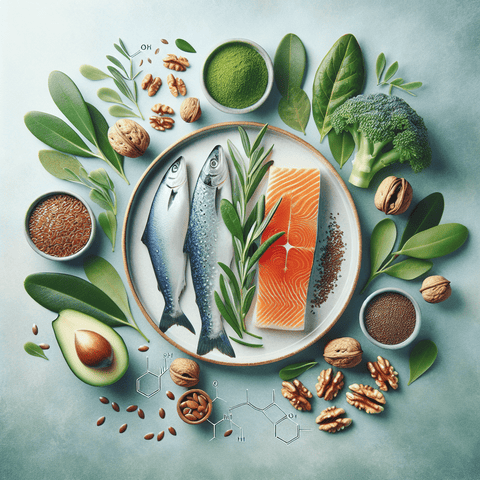
Omega-3 Rich Foods: Your Quick ReferenceOmega-3 fatty acids are essential for heart and brain health, but your body cannot produce them on its own. The most direct sources are fatty fish like salmon, mackerel, and sardines, which provide EPA and DHA. For plant-based eaters, flaxseeds, chia seeds, and walnuts offer ALA, though conversion to EPA and DHA is limited. Many people choose fish oil or algal oil supplements to ensure consistent intake.How to Choose the Best Omega-3 Sources for Your DietWhen selecting omega-3 foods, consider your dietary preferences, sustainability, and health goals. Fatty fish are the richest sources, but you can also rely on fortified foods, algae-based supplements, or a combination of ALA-rich plants. If supplements appeal to you, look for high-quality options that indicate EPA and DHA content and purity testing.Practical Tips for Increasing Your Omega-3 IntakeTo boost omega-3 levels, aim for at least two servings of fatty fish weekly, incorporate ground flaxseeds into smoothies and baked goods, and use walnut oil in dressings. For plant-based diets, consider algal oil supplements to directly supply DHA. Always consult a healthcare professional before starting supplements, especially if you are pregnant or on medications.