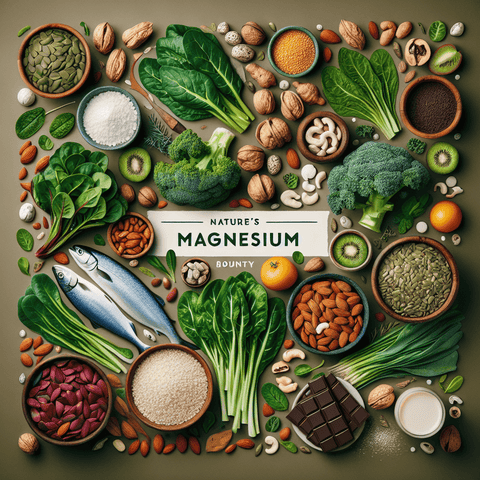
Foods High in Magnesium: The 12 Best Magnesium-Rich Foods to Boost Energy and Health
Summary of Foods High in Magnesium Content
Magnesium is an essential mineral that supports vital bodily functions, including energy production, muscle function, and nerve signaling. Consuming foods high in magnesium content is crucial for maintaining optimal health. Foods rich in magnesium include pumpkin seeds, almonds, spinach, and quinoa, which not only enhance energy levels but also support overall wellness.
Adequate magnesium intake can prevent deficiencies that lead to symptoms such as fatigue, muscle cramps, and sleep disturbances. Incorporating these foods into your diet can help ensure you meet the recommended daily intake—400-420 mg for men and 310-320 mg for women. Additionally, certain health conditions and dietary restrictions can affect magnesium absorption, making it essential to prioritize natural food sources over supplements when possible.
While magnesium supplements may play a role in addressing deficiencies, they should be considered carefully and ideally discussed with a healthcare provider. Consultations can guide appropriate choices tailored to individual health needs, ensuring you receive the right amount for energy and overall health. For additional insights, explore the benefits of magnesium and how it can enhance your vitality.
Prioritize magnesium-rich foods in your dietary plan to support your energy management and mood stability, essential components of a healthy lifestyle.
Magnesium is an essential mineral that plays a critical role in numerous bodily functions, from energy production to nerve signaling and muscle function. In this article, we will explore foods high in magnesium content, delving into the benefits of magnesium-rich foods and how they can enhance your overall health and energy levels. Additionally, we’ll discuss why dietary sources are preferred, when supplements may be necessary, and how you can effectively incorporate these foods into your meals. Understanding the importance of magnesium and planning your diet accordingly is vital for maintaining optimal health and well-being.
What Magnesium Does in the Body
Magnesium is a crucial mineral involved in over 300 biochemical reactions in the human body. It contributes to:
- Energy Production: Magnesium is essential for the synthesis of adenosine triphosphate (ATP), the body's primary energy carrier, which helps fuel cellular processes.
- Muscle Function: This mineral aids in muscle contraction and relaxation. A proper magnesium level helps prevent cramps and spasms.
- Nerve Signaling: Magnesium plays a vital role in transmitting signals throughout the nervous system, impacting mood regulation and cognitive functions.
- Bone Health: Approximately 60% of the body's magnesium is stored in bones, where it contributes to bone density and structural integrity.
- Sleep Support: Magnesium may help regulate neurotransmitters that calm the nervous system, promoting better sleep quality.
While dietary intake of magnesium is important, it’s essential to distinguish between magnesium levels in foods and what your body actually absorbs. Daily magnesium intake recommendations vary: adult men require about 400-420 mg, while women need approximately 310-320 mg, depending on factors like age and conditions such as pregnancy. Notably, the bioavailability of magnesium varies among different sources; for instance, magnesium from whole foods typically offers better absorption compared to supplements. This means choosing foods high in magnesium content is crucial for reaching daily needs effectively.
Why This Topic Matters for Energy, Mood, and Health
Magnesium status directly impacts numerous health outcomes, particularly energy levels and mood stability. Insufficient magnesium intake can lead to a multitude of symptoms, such as:
- Fatigue: Low energy levels can stem from inadequate magnesium needed for energy production.
- Muscle Cramps: Some people experience muscle cramps, especially during exercise, indicating a potential deficiency.
- Sleep Disturbances: Magnesium’s role in neurotransmitter function makes it vital for sleep quality; low magnesium levels may lead to insomnia.
- Headaches and Migraines: Research suggests a correlation between magnesium deficiency and increased headache frequency.
- Mood Swings: Low magnesium levels may contribute to anxiety and irritability.
Moreover, maintaining adequate magnesium levels supports cardiovascular function, assists in bone health, and aids metabolic processes—dimensions of health often overlooked in dietary considerations. Ensuring you consume magnesium-rich foods can play a vital role in your wellness journey, offering natural solutions for energy management and mood balance.
Related Symptoms, Signals, or Health Implications
Recognizing signs of magnesium deficiency is crucial. Common symptoms that may indicate low magnesium levels include:
- Muscle Cramps or Twitches: Oftentimes, this may manifest as spasms during physical activity, suggesting the need for more magnesium.
- Fatigue: An unexpected drop in energy may correlate with a lack of sufficient magnesium.
- Headaches and Migraines: Regular headaches could signal inadequate magnesium intake.
- Sleep Disturbances: Difficulty falling asleep or staying asleep may be linked to low magnesium levels.
- Irritability and Anxiety: Fluctuations in mood may hint at a mineral deficiency, impacting mental well-being.
- Digestive Issues: Bloating or poor appetite could also reflect low magnesium intake.
It's important to note that while these symptoms can raise concerns, they often overlap with various other health conditions. Thus, isolated symptoms shouldn't be self-diagnosed as magnesium deficiency, and consultation with a healthcare provider is recommended for assessment.
Individual Variability and Uncertainty
The needs for magnesium and the ability to absorb it can vary significantly from person to person based on several factors:
- Age and Sex: Nutritional requirements can differ for children, adults, and pregnant or lactating women.
- Health Conditions: Certain conditions, including kidney disease or gastrointestinal disorders, can impact magnesium status.
- Medications: Some medications, like diuretics or proton pump inhibitors, can affect magnesium absorption.
- Dietary Patterns: Those following restrictive diets may find it challenging to intake adequate magnesium.
- Gut Health: A healthy gut plays a critical role in mineral absorption, with gut flora influencing nutrient uptake.
This emphasizes the need for personalized approaches to dietary planning. What works well for one individual may not apply to others, reinforcing the message that there is no universal solution for magnesium intake.
Why Symptoms Alone Do Not Reveal the Root Cause
When experiencing symptoms potentially linked to magnesium deficiency, it's important not to jump to conclusions. Many conditions share overlapping symptoms, making self-diagnosis unreliable. Furthermore, standard blood tests may show normal magnesium levels, yet this doesn't always reflect magnesium stores in the body accurately. Advanced assessments like red blood cell (RBC) magnesium tests or comprehensive clinical evaluations are often needed to gain a clearer picture of an individual’s status.
Before making any assumptions based on symptoms, it's advisable to consult healthcare professionals for thorough evaluations and recommendations tailored to your specific health needs.
The Role of Nutritional Supplements in This Topic
In certain circumstances, the use of magnesium supplements might be appropriate. Common forms include:
- Magnesium Citrate: Known for good bioavailability, often used for its laxative effect.
- Magnesium Glycinate: Well-absorbed and typically easier on the digestive system.
- Magnesium Malate: May help boost energy levels and alleviate muscle soreness.
- Magnesium Oxide: Although commonly available, it has lower bioavailability and may cause gastrointestinal discomfort.
While supplements can help meet magnesium needs, they should be taken cautiously. Excessive intake can lead to gastrointestinal side effects, and those with certain conditions, like kidney disease, should seek medical advice. Furthermore, proper dosing is vital: understanding the difference between elemental magnesium and total compound weight can impact your supplementation experience. Always consult health professionals before starting any supplement regimen.
How Nutritional Supplements Could Support Magnesium Status
Magnesium supplements may effectively complement dietary intake in several scenarios:
- Increased Dietary Needs: Those with higher magnesium requirements, such as athletes and individuals undergoing physical stress, might benefit from supplements.
- Diagnosed Deficiencies: Individuals showing ongoing signs despite consuming magnesium-rich foods may require supplementation.
- Malabsorption Issues: Conditions that impair nutrient absorption can necessitate the use of supplements to ensure adequate magnesium levels.
Supplements should not be viewed as a standalone solution but rather as part of a holistic approach to health, encompassing diet, hydration, sleep, and stress management strategies.
Decision-Support: When Magnesium Supplements Make Sense
To aid in making informed decisions about magnesium supplementation, consider this framework:
- Check Persistent Symptoms: If fatigue, muscle cramps, or mood disturbances persist despite dietary optimization, it may be time to explore supplementation.
- Assess Risk Groups: Individuals at greater risk of deficiency, such as older adults or those with specific health conditions, should evaluate their magnesium status regularly.
- Clinician Consultation: Before supplementing, consult with a healthcare professional to determine if laboratory assessments are warranted.
- Red Flags: Certain conditions, like kidney disease, or interactions with prescribed medications should prompt careful consideration of magnesium intake.
As a general starting point, many people find a range of 200-400 mg of elemental magnesium tolerable, but individual needs will vary. When beginning supplementation, start with a low dose and consult with your healthcare provider to ensure safety and efficacy. Look for high-quality products supported by third-party testing for optimal purity and potency.
Top 12 Magnesium-Rich Foods to Boost Energy and Health
Here’s a curated list of 12 foods high in magnesium content, alongside practical tips for incorporating them into your meals:
1) Pumpkin Seeds
Approx. 168 mg per ounce. These make an excellent snack, or add them to salads and smoothies for an extra crunch packed with nutrients.
2) Almonds
Approx. 76 mg per ounce. Enjoy as a portable snack or incorporate into granola and baked goods for added nutrition.
3) Cashews
Approx. 74 mg per ounce. Perfect for adding creaminess to dishes like curries or as a simple snack on-the-go.
4) Spinach (cooked)
Approx. 157 mg per cup. Use in salads, smoothies, or as a central ingredient in sautéed dishes.
5) Swiss Chard
Approx. 150 mg per cup (cooked). Toss into pastas or use as a base for salads to enjoy the nutrient-rich greens.
6) Black Beans
Approx. 60 mg per cup (cooked). Perfect for salads, tacos, or soups, adding both fiber and protein.
7) Edamame
Approx. 99 mg per cup (cooked). A quick and nutritious snack, or add to stir-fries for a plant-based protein boost.
8) Quinoa
Approx. 118 mg per cooked cup. This versatile grain serves as a perfect substitute for rice or in grain bowls.
9) Oats
Approx. 63 mg per prepared cup. A hearty breakfast option that can be customized with fruits and nuts for added flavors.
10) Yogurt (plain, with live cultures)
Approx. 47 mg per cup. Incorporate into smoothies, parfaits, or as an accompaniment to fruits for a nutritious snack.
11) Dark Chocolate (70-85% cacao)
Approx. 64 mg per ounce. Enjoy in moderation as a delicious treat that also packs a nutritional punch.
12) Avocado
Approx. 58 mg per medium fruit. Perfect in salads, sandwiches, or as a spread, offering healthy fats and fiber.
Consider pairing these foods with vitamin C-rich options, such as citrus fruits or bell peppers, to enhance magnesium absorption. Additionally, combining magnesium-rich foods with fiber can aid digestion and support overall health.
Related Evidence and Uncertainty: How This Connects to Supplements
While magnesium supplementation appears beneficial for certain conditions, the efficacy varies based on individual circumstances. Research connects magnesium to alleviating muscle cramps, managing migraines, and improving sleep quality; however, results may be inconsistent. The form of magnesium also plays a role; different types may offer varying bioavailability and tolerability levels for different people.
It’s essential for individuals to consider their unique health contexts and consult healthcare providers for targeted guidance, particularly when considering magnesium supplements.
How to Integrate Diet and Supplements Responsibly
A balanced approach to integrating magnesium-rich foods and supplements can be effective. Start by prioritizing magnesium-rich foods in your daily meals. For those with restricted variety or increased needs, consider supplements under professional guidance.
Here’s a template daily plan:
- Breakfast: Oatmeal topped with almonds and berries.
- Lunch: Spinach salad with pumpkin seeds and sliced avocado.
- Snack: Greek yogurt with a sprinkle of dark chocolate.
- Dinner: Quinoa bowl with roasted black beans and Swiss chard.
If symptoms persist despite these dietary efforts, evaluate with a healthcare provider about adding a supplement.
Connecting the Topic to Buying Nutritional Supplements on Topvitamine.com
In conclusion, focusing on magnesium-rich foods is beneficial for health, with supplements seen as a viable addition when necessary. Topvitamine provides a range of evidence-based magnesium supplements that are clearly labeled with forms, dosages, and third-party testing results. Always consult your healthcare provider to ensure the right choice for your needs.
Explore Topvitamine's magnesium options to find a product that aligns with your health goals and considerations.
Key Takeaways
- Magnesium plays critical roles in energy production, muscle function, and overall health.
- Foods high in magnesium content should be prioritized over supplements when possible.
- Recognizing symptoms linked to magnesium deficiency can guide dietary choices and supplementation.
- Individual needs for magnesium vary based on several factors, including age and health conditions.
- Consulting healthcare professionals is vital for addressing persistent symptoms and determining appropriate magnesium intake.
- When considering supplements, individualize based on dietary needs, lifestyle, and health status.
FAQ: Common Questions About Foods High in Magnesium Content and Supplements
1. What are the symptoms of magnesium deficiency?
Symptoms can include muscle cramps, fatigue, headaches, sleep disturbances, irritability, and digestive issues.
2. How much magnesium do I need daily?
Adult men typically require 400-420 mg/day, while women need about 310-320 mg/day, varying by age and circumstances.
3. Can I get enough magnesium from diet alone?
Many individuals can meet their magnesium needs via a balanced diet rich in magnesium-containing foods.
4. Are magnesium supplements safe?
Generally, they are safe when taken as directed, but individuals with certain conditions should seek medical advice.
5. Which magnesium supplement is best?
There is no single best supplement; magnesium citrate and glycinate are often recommended for good absorption.
6. Can magnesium help with sleep issues?
Magnesium may help regulate neurotransmitters related to sleep, though individual results may vary.
7. Are there any side effects of magnesium supplements?
Some may experience gastrointestinal discomfort; it's important to start with a low dose and consult a doctor.
8. How does magnesium affect energy levels?
Magnesium is essential for ATP production, influencing energy availability for cellular functions.
9. Should I take a supplement if I'm already eating magnesium-rich foods?
Consulting a healthcare provider can help determine if supplementation is necessary based on individual health and dietary intake.
10. Does cooking affect magnesium content in foods?
Cooking methods can affect the bioavailability of magnesium; using gentle cooking techniques can help retain its benefits.
11. How can I enhance magnesium absorption from foods?
Pair magnesium-rich foods with vitamin C-rich foods (like bell peppers) for better absorption.
12. What sources of magnesium can I add to my diet?
Incorporate foods like pumpkin seeds, almonds, spinach, black beans, and dark chocolate into your meals.
Keywords
- foods high in magnesium content
- magnesium-rich foods
- dietary magnesium sources
- magnesium supplementation
- magnesium forms
- magnesium absorption