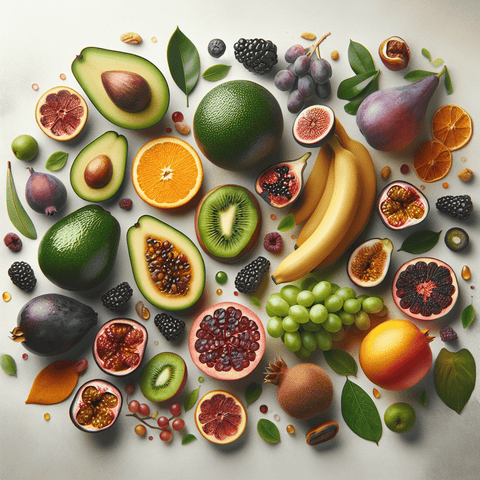
Fruits with high magnesium levels are a useful starting point if you want to understand how everyday foods contribute to this important mineral. Magnesium is involved in many normal body processes, and while no single fruit provides all you need, some fruits are commonly noted for their magnesium content. This page gives you a broad overview of which fruits are often mentioned, how fresh and dried forms compare, and how to think about serving sizes when you read nutrition information.
The goal is not to rank every fruit or provide medical advice, but to help you navigate the topic with clarity. You will find general explanations, practical food ideas, and links to related Topvitamine resources so you can explore magnesium and other nutrients in more depth.
Why Magnesium Matters in a Balanced Diet
Magnesium is a mineral that participates in many normal functions in the body, including energy metabolism and muscle and nerve function. Because it is involved in so many processes, getting enough from food is part of supporting general health. Dietary sources include nuts, seeds, whole grains, legumes, leafy green vegetables, and certain fruits.
Fruit is not usually the single largest source of magnesium in a typical diet, but it can still make a meaningful contribution, especially when eaten regularly. For a broader look at this mineral and its role, see our category on magnesium benefits, energy, muscle and bone support.
Fruits Commonly Noted for Magnesium Content
Several fruits appear frequently in lists of magnesium-rich foods. The exact amount varies by variety, growing conditions, ripeness, and how the fruit is prepared. The following fruits are often highlighted:
- Avocado: a creamy fruit that contributes magnesium along with other nutrients.
- Banana: a familiar fruit that provides magnesium in a convenient, portable form.
- Dried figs: drying concentrates minerals, so a small serving can supply more magnesium than fresh figs.
- Dried dates: another dried fruit that becomes more mineral-dense when water is removed.
- Berries and stone fruits: these can add variety to your diet and contribute smaller amounts of magnesium.
It is worth remembering that no single fruit is a complete solution. The amounts of magnesium in fruit are generally modest compared with nuts, seeds or legumes. Fruit is best viewed as one part of a varied, balanced diet.
Fresh vs Dried Fruit: How Form Affects Magnesium
The form of the fruit matters when comparing magnesium content. Dried fruits have had most of their water removed, which concentrates their nutrients by weight. As a result, a small handful of dried figs or dates can contain more magnesium than a similar weight of fresh fruit. However, dried fruits are also more concentrated in natural sugars, so portion size is still relevant.
Fresh fruits such as avocado and banana provide magnesium in a form that also contributes water and fiber. When you look at nutrition labels or databases, pay attention to whether the values are given per 100 g, per cup, or per typical serving. This helps you compare options more accurately.
Comparing Magnesium Content: What to Look For
If you want to compare fruits with high magnesium levels, a practical approach is to note both the amount per 100 g and the amount per serving you actually eat. For example, a fruit might be relatively high per 100 g but usually eaten in small quantities. Another fruit might be lower per 100 g but eaten in larger portions.
Reliable nutrition databases, such as those from government or academic sources, can provide magnesium values for specific fruits. These values are estimates and can vary, but they offer a useful starting point. When reading any nutrition information, remember that magnesium is just one of many nutrients to consider.
Practical Ways to Enjoy Magnesium-Rich Fruits
Adding fruits with high magnesium levels to your meals can be simple and enjoyable. Here are some everyday ideas:
- Slice avocado onto toast, salads, or grain bowls for a creamy texture.
- Blend banana into smoothies or mash it into oatmeal and cereals.
- Snack on dried figs or dates, keeping portions moderate due to their sugar content.
- Fold berries into yogurt, cereal, or desserts for a burst of flavor.
These ideas are meant to inspire, not prescribe. The best choices are the ones that fit your taste, routine, and overall dietary needs.
Magnesium in Context: Supplements and Other Nutrients
While fruit can contribute magnesium, some people may also consider supplements. Magnesium supplements come in different forms, and their suitability depends on individual factors. If you are exploring this topic further, our mineral supplements guide provides general information on minerals including magnesium.
Magnesium also interacts with other nutrients, such as calcium, and is part of a broader picture of mineral balance. This is why a varied diet is often emphasized over focusing on a single nutrient.
Important Considerations and Safety
This page provides general educational information and is not medical advice. Magnesium requirements can vary based on age, sex, health status, medications, and other factors. If you have specific concerns about your magnesium intake or are considering supplements, it is best to consult a qualified healthcare professional.
Do not use the information here to diagnose or treat any health condition. Always speak with a healthcare provider before making significant changes to your diet or supplement routine.
Explore More on Topvitamine
If you want to learn more about magnesium and related nutrients, browse our category on magnesium benefits, energy, muscle and bone support. You can also discover broader mineral topics in our mineral supplements guide.