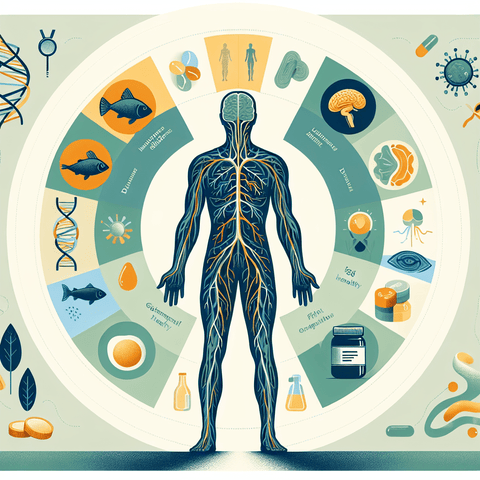
Gastrointestinal diseases encompass a range of disorders affecting the digestive tract, from the esophagus to the intestines. Understanding these conditions is important because they can significantly impact digestion, nutrient absorption, and overall quality of life. This guide provides a broad overview of the symptoms, causes, and treatments associated with gastrointestinal diseases, along with how nutritional supplements may fit into a comprehensive approach to digestive health.
What Are Gastrointestinal Diseases?
Definition and Scope
Gastrointestinal diseases refer to a variety of disorders that affect the gastrointestinal (GI) tract, which includes organs such as the stomach, intestines, and liver. These conditions can disrupt the processes of digestion and absorption, leading to symptoms that range from mild discomfort to severe health complications.
Why GI Diseases Are Common and Impactful
GI diseases are prevalent due to a combination of factors including diet, lifestyle, and genetic predisposition. They can affect daily activities, work performance, and social interactions, significantly diminishing an individual's quality of life.
What You’ll Gain from This Guide
This guide will provide insights into the core symptoms of gastrointestinal diseases, explore their underlying causes, and outline potential treatment options. You'll be equipped to recognize when to seek medical help and how to manage symptoms effectively. Nutrition plays a vital role in maintaining GI health, and nutritional supplements can offer support in addressing specific deficiencies or gastrointestinal challenges. We will also highlight the importance of choosing quality supplements that can support GI health, guiding you toward safe and effective products available on Topvitamine.com.
Common Symptoms and Causes of GI Diseases
Core Symptoms That Span Many GI Conditions
Common symptoms associated with gastrointestinal diseases include:
- Abdominal pain or cramping
- Bloating and gas
- Reflux or heartburn
- Alterations in bowel habits, such as diarrhea or constipation
- Nausea and vomiting
Primary Causes and Risk Factors
Gastrointestinal diseases can arise from various factors, including:
- Diet: High-fat, low-fiber diets can contribute to disorders like irritable bowel syndrome (IBS).
- Gut microbiome: Imbalances in gut bacteria can lead to symptoms and diseases.
- Genetics: Family history may increase the risk of inflammatory bowel diseases (IBD).
- Infections: Bacterial or viral infections can cause significant GI distress.
- Autoimmune processes: Conditions like celiac disease arise from abnormal immune responses.
- Medications: Certain drugs may disrupt gut function, leading to issues.
Overview of Treatments
Treatments for gastrointestinal diseases vary widely, including:
- Medical management: Prescription medications may be necessary to control symptoms or inflammation.
- Lifestyle changes: Modifying diet, increasing physical activity, and stress management can improve symptoms.
- Dietary strategies: A tailored diet, such as gluten-free for celiac disease, can be essential.
- When supplements may be considered: Nutritional supplements can provide targeted support in addressing deficiencies or specific symptoms.
Why Gastrointestinal Health Matters for Overall Well-Being
Impact on Quality of Life, Energy, and Daily Functioning
Gastrointestinal health is closely linked to overall well-being. Discomfort or disruptions in digestion can lead to fatigue, reduced productivity, and emotional distress.
Links Between GI Health and Nutrition, Immune Function, and Chronic Disease Risk
Good GI health supports nutrition absorption, immune function, and may reduce the risk of chronic diseases such as diabetes and heart disease. Nutrition plays a significant role in managing these conditions.
The Role of Early Recognition and Management in Preventing Complications
Recognizing symptoms early can help in timely interventions, preventing potential complications and promoting better health outcomes.
Recognizing Symptoms and Potential Signals
Symptom Patterns by Condition
Different gastrointestinal conditions have distinguishing symptom patterns. For instance, IBS may present with cramping and bloating, whereas gastroesophageal reflux disease (GERD) often involves heartburn and regurgitation.
Red Flags and When Urgent Medical Evaluation Is Needed
Some symptoms warrant immediate medical attention, including:
- Unintentional weight loss
- Persistent vomiting
- GI bleeding (e.g., blood in stool)
- Severe dehydration
How GI Symptoms Can Reflect Broader Health Issues
Gastrointestinal symptoms can sometimes indicate other health issues, such as nutrient malabsorption or medication side effects, requiring further evaluation for underlying conditions.
Variation in How GI Diseases Present and Progress
Factors Influencing Symptoms
Individual variations in symptoms can result from several factors, including:
- Age
- Sex
- Genetics
- Comorbidities like anxiety or depression
- Lifestyle choices such as diet and exercise
The Inherent Uncertainty in Diagnosis and Prognosis
Understanding that GI diseases can present differently in each person is essential. Diagnosis often requires a combination of clinical history, physical exams, and specialized tests to discern the underlying causes of symptoms.
The Limits of Symptom-Based Guessing
The Diagnostic Process
While symptoms provide important clues, they do not always lead to a clear diagnosis. A structured diagnostic process often includes thorough clinical evaluations and evidence-based testing to identify the root cause of GI issues.
Why Two People with Similar Symptoms May Have Different Underlying Conditions
It's crucial to recognize that two individuals may exhibit similar GI symptoms but can have entirely different conditions necessitating distinct treatment approaches.
Examples of Misattribution and the Value of a Structured Workup
Misdiagnosis can occur if the symptoms are not thoroughly evaluated. For example, symptoms resembling IBS might actually stem from a different disorder that requires specific treatment.
Where Nutritional Supplements Fit in GI Health
Common Supplements Discussed for GI Support
Various nutritional supplements have garnered attention for their potential GI benefits, including:
- Probiotics: Live microorganisms that may promote a healthy gut microbiome.
- Prebiotics: Compounds that feed healthy gut bacteria.
- Fiber: Essential for normal bowel function and can alleviate constipation.
- Digestive enzymes: Help break down food substances, potentially easing digestive tasks.
- Vitamin D and Zinc: Key for immune function and overall health.
What the Current Evidence Suggests for Each Category
Research supports the benefit of certain supplements in specific scenarios:
- Probiotics: Show promise in managing IBS symptoms.
- Prebiotics: Linked to improved gut health by fostering beneficial bacteria.
- Fiber: Recommended for maintaining healthy digestion and preventing constipation.
- Digestive enzymes: May be beneficial for individuals who have trouble digesting certain foods.
- Vitamin D and Zinc: Critical for immune function, particularly in GI health contexts.
Safety, Quality, and Regulatory Considerations When Choosing Supplements
When selecting supplements, consider product quality, manufacturer reputation, and third-party testing to ensure safety and efficacy. Consulting healthcare professionals before starting new supplements is advisable.
How Supplements Could Support GI Health in Practice
Mechanisms: Microbiome Modulation, Mucosal Barrier Support, Anti-Inflammatory Effects, Improved Digestion
Nutritional supplements can support GI health through various mechanisms, including enhancing the gut microbiome, promoting mucosal barrier integrity, reducing inflammation, and aiding in digestion.
Integrating Supplements with Diet, Lifestyle, and Medical Care
Supplements should complement a balanced diet and healthy lifestyle and be used in conjunction with medical advice for optimal benefits.
Role of Baseline Nutrition and Addressing Potential Nutrient Deficiencies
Addressing nutritional gaps is critical for digestive health, and supplements can help bridge these gaps, particularly in individuals facing dietary restrictions or malabsorption issues.
Decision Guide: When to Consider GI-Related Supplements
Situations Where Supplements May Be Reasonable
Nutritional supplements may be beneficial in specific situations, such as temporary nutrient gaps, persistent symptoms after lifestyle changes, or diagnosed deficiencies.
Practical Considerations
When choosing a supplement, consider factors such as product quality, ingredient transparency, recommended dosing, and the anticipated duration of use.
Safety, Interactions, and Red Flags That Warrant Stopping or Consulting a Professional
Be aware of potential interactions between supplements and medications and recognize red flags that necessitate stopping supplement use, including unusual symptoms or lack of improvement.
Conclusion: Connecting GI Knowledge to Thoughtful Supplement Choices on Topvitamine
How to Choose Trusted Supplements
Choosing quality supplements involves assessing claims, scrutinizing labels, ensuring third-party testing, and considering ingredient transparency to maximize benefits for GI health.
Navigating Topvitamine Categories Relevant to GI Health
Explore Topvitamine’s offerings, including probiotics and prebiotics supplements, digestive enzymes, fiber-and-prebiotic blends, and essential micronutrients, to find products that align with your GI health goals. For immune and overall wellness support, you may also consider our vitamin D category.
Next Steps: Clinical Guidance, Monitoring Response, and a Seamless Path to Purchase on Topvitamine.com
Engaging with healthcare professionals for personalized advice, monitoring your health response to supplements, and utilizing Topvitamine.com to access high-quality products can streamline your journey towards effective GI health management.
Key Takeaways
- Gastrointestinal diseases significantly impact daily life and overall health.
- Common symptoms include abdominal pain, bloating, and changes in bowel habits.
- Both lifestyle factors and genetics contribute to gastrointestinal health.
- Early recognition of symptoms can prevent complications.
- Nutritional supplements can support GI health when integrated thoughtfully into care plans.
- Quality and safety are crucial when selecting supplements.
- Consult healthcare professionals for personalized supplement guidance.
- Topvitamine.com offers a variety of products supporting gastrointestinal health.
Q&A Section
- What are the most common gastrointestinal diseases? Common gastrointestinal diseases include irritable bowel syndrome (IBS), gastroesophageal reflux disease (GERD), inflammatory bowel disease (IBD), celiac disease, and peptic ulcers.
- How can I improve my gastrointestinal health? Improving GI health often involves a balanced diet rich in fiber, staying hydrated, regular exercise, and possibly incorporating probiotics or other supplements.
- When should I see a doctor for GI symptoms? Consult a physician if you experience persistent symptoms, unexplained weight loss, severe pain, or blood in your stool.
- Are probiotics effective for everyone? Probiotics can benefit many individuals, particularly those with certain GI conditions, but effects vary by person and specific probiotic strains.
- Can dietary changes cure gastrointestinal diseases? While dietary changes can often reduce symptoms significantly, they rarely constitute a cure. It's essential to work with a healthcare provider for comprehensive management.
- What role do fiber supplements play in GI health? Fiber supplements can help regulate bowel movements, ease constipation, and support overall digestive function.
- Is it safe to take multiple supplements? While many people safely take multiple supplements, it's crucial to consider potential interactions and consult a healthcare provider to ensure safety.
- How do I know if a supplement is right for me? It’s best to consult a healthcare professional who understands your specific health needs and can guide you toward appropriate supplement choices.
- Can stress affect my gastrointestinal health? Yes, stress can significantly impact gastrointestinal health, leading to or exacerbating conditions like IBS and GERD.
- What should I look for in a quality supplement? Look for supplements that are third-party tested, have transparent labeling, and clearly state the ingredient sources and dosages.
- Are there any side effects to take into consideration with supplements? Some dietary supplements can cause side effects or interactions. It's important to research products and consult a healthcare professional about any concerns.
Keywords
- gastrointestinal diseases
- GI health
- GI symptoms
- GI causes
- GI treatments
- nutritional supplements
- probiotics
- prebiotics
- digestive enzymes
- fiber
- micronutrients